Offer ends October 18.
This is some text inside of a div block.
Restart a Heart BLS Sale
RESTART99
Copy code

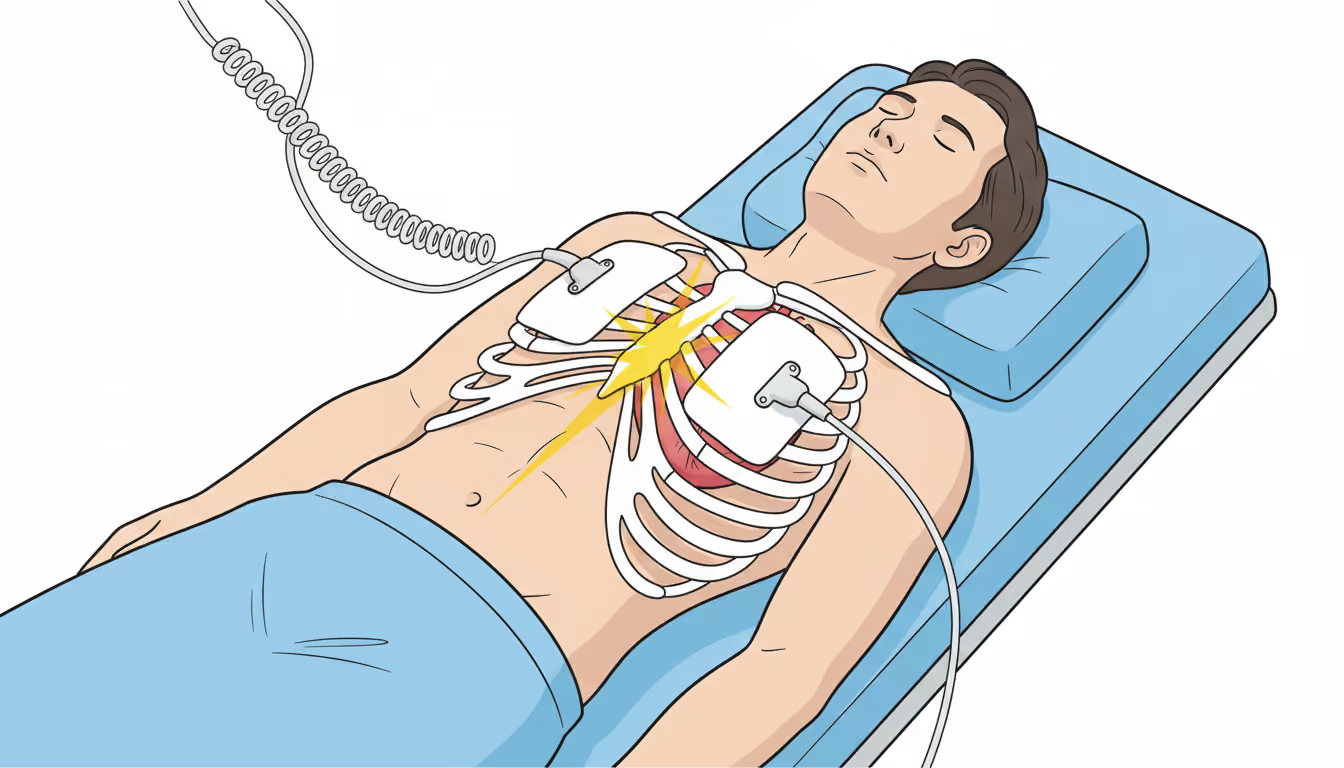
In emergency and trauma care, "disability" is the D in the ABCDE primary survey and refers to a rapid assessment of the patient's neurological status. After airway, breathing, and circulation have been addressed, responders quickly evaluate the patient's level of consciousness, pupil size and reactivity, and any obvious deficits.
The Glasgow Coma Scale (GCS) or the simpler AVPU scale (Alert, responds to Voice, responds to Pain, Unresponsive) is commonly used to quantify the patient's responsiveness. A declining neurological status can signal serious problems such as brain injury, stroke, hypoxia, or low blood sugar, prompting urgent intervention and continued monitoring.
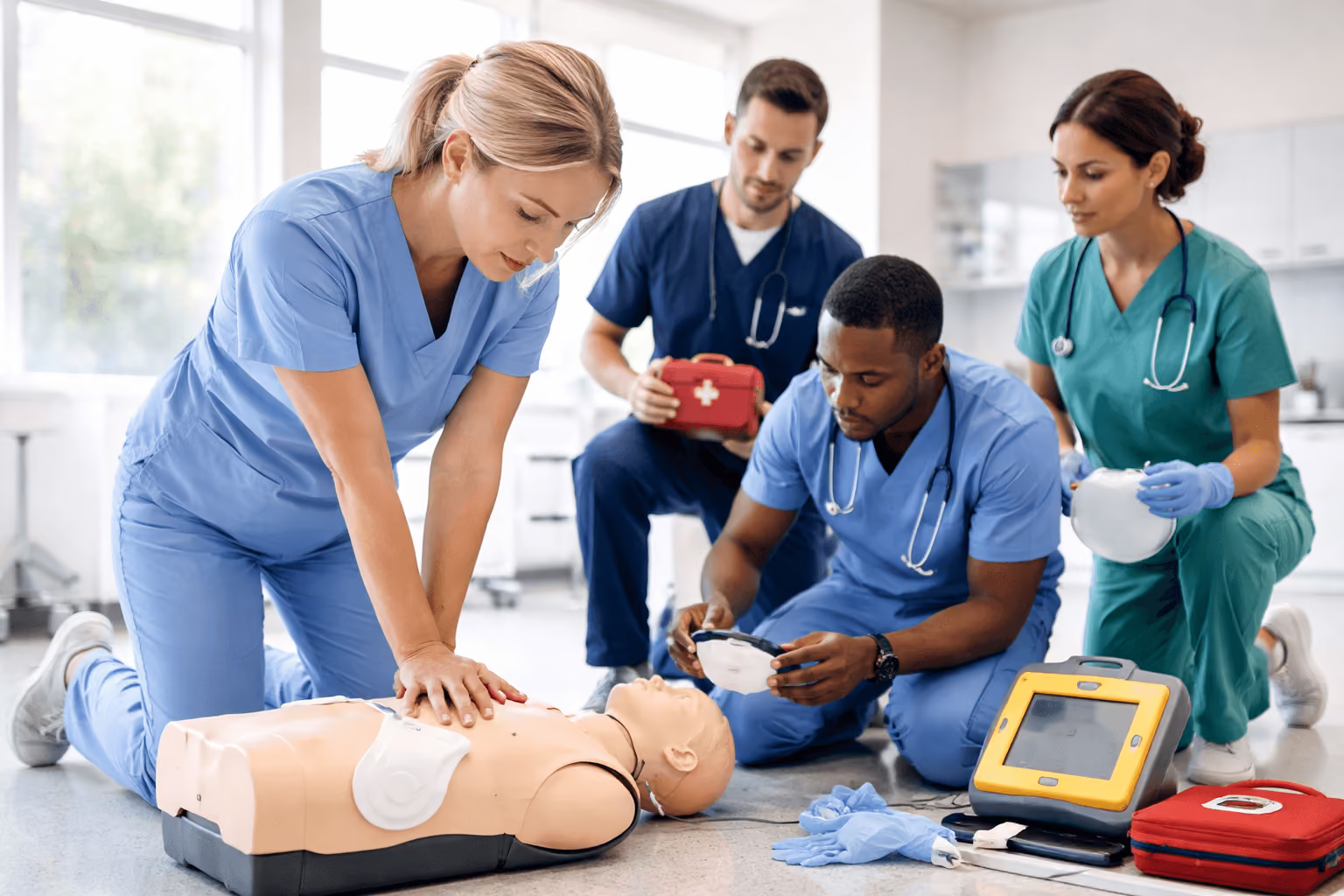
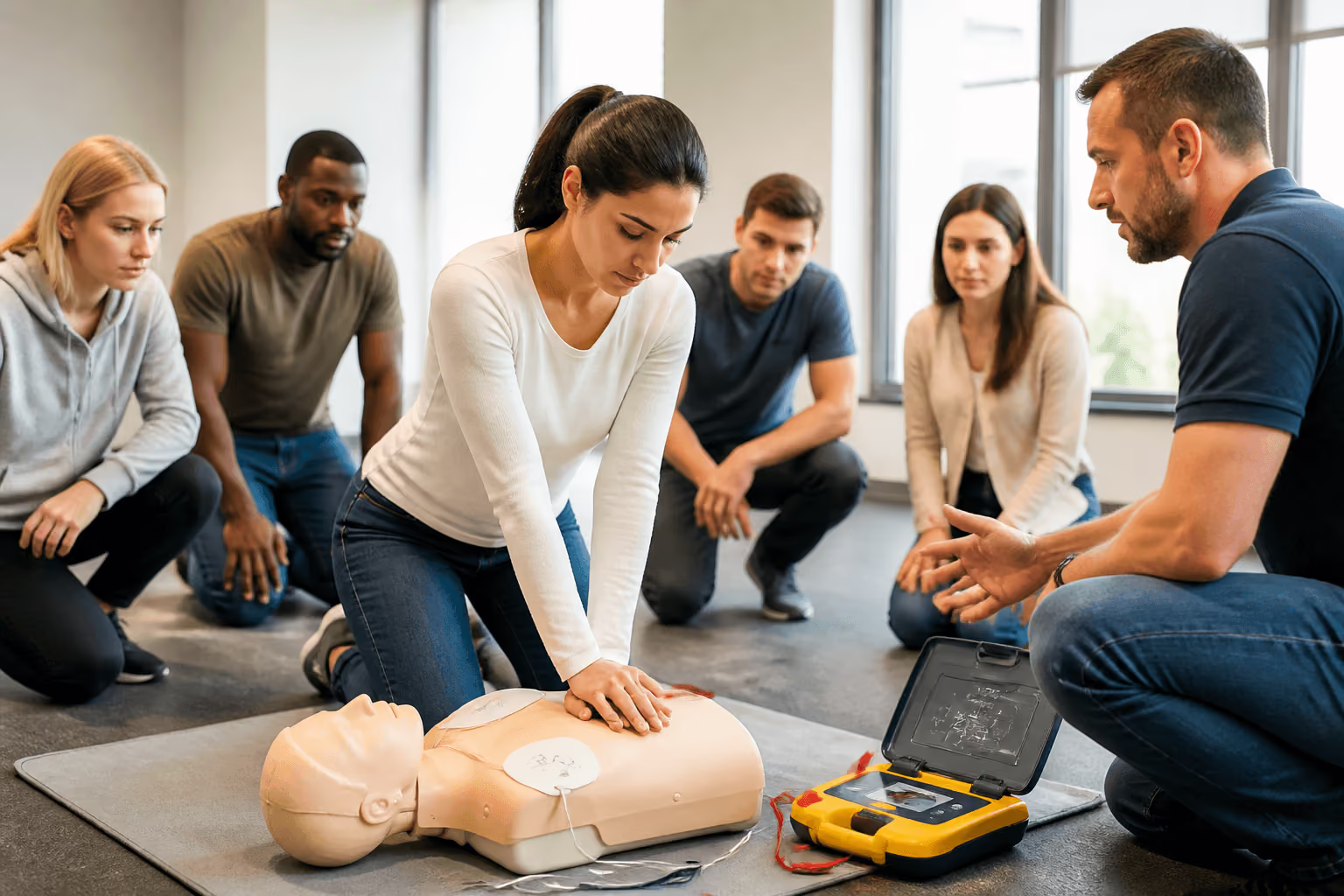
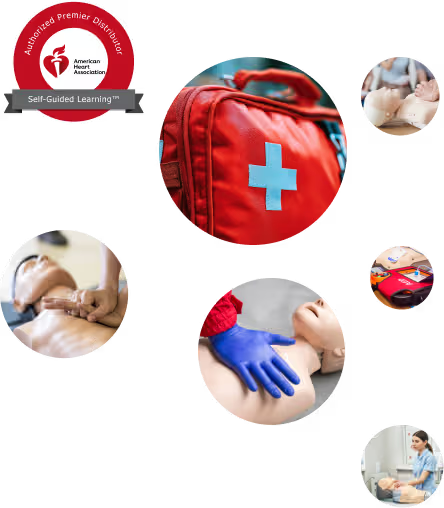
CPR Certification Labs provides hands-on, American Heart Association–aligned CPR, BLS, ACLS, and PALS certification training to help providers master these life-saving skills.
Our technology delivers immediate, actionable feedback that refines your skills in real time.
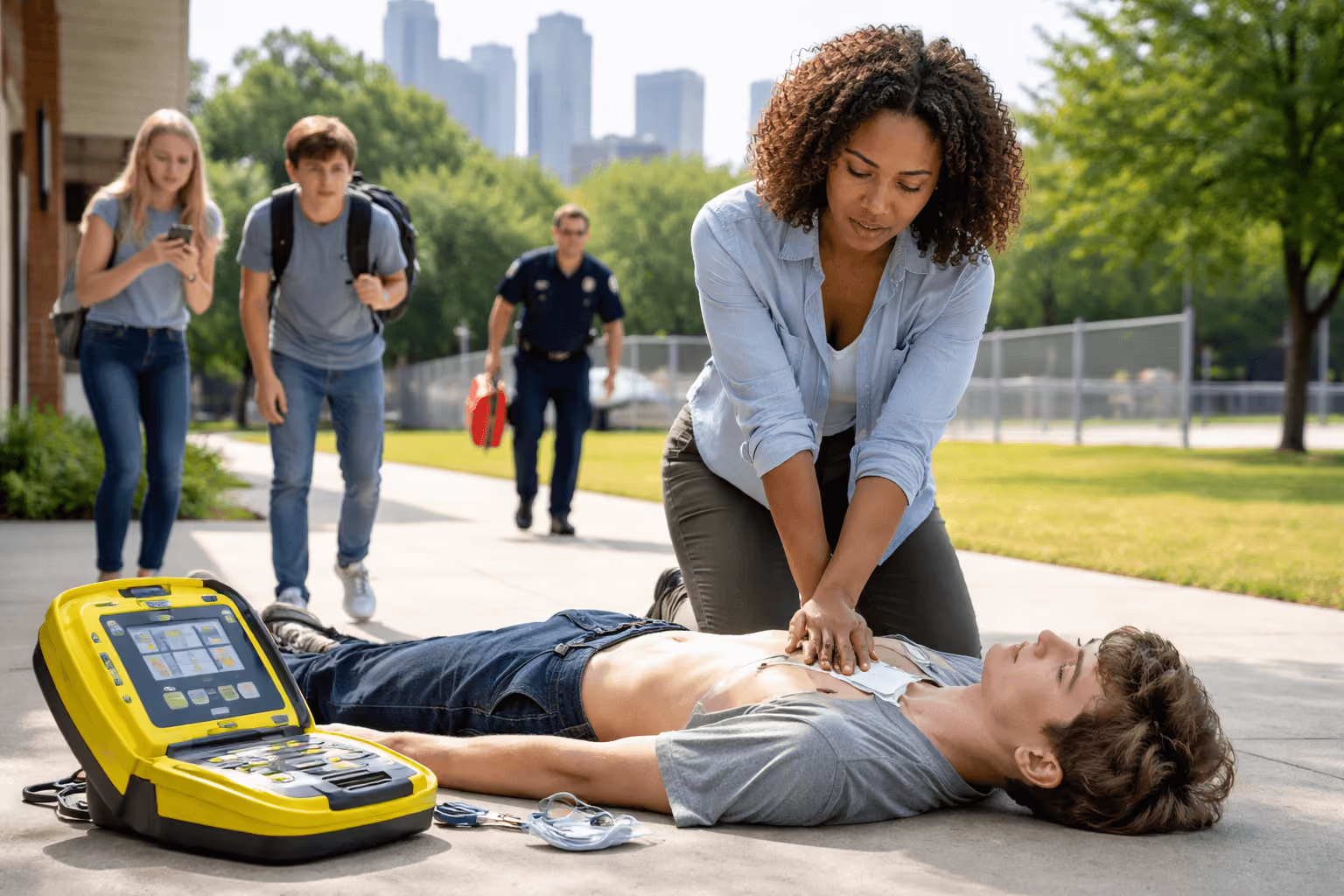
Understand how to safely and effectively operate an Automated External Defibrillator (AED) for adults, children, and infants.
Learn how to perform the Heimlich maneuver and clear airway obstructions caused by choking in both adults and infants.
Gain experience working as part of a team when more than one rescuer is available during an emergency.
Receive your AHA CPR Certification E-Card on the same day you complete the class and pass the exam.

CPR Certification Labs provides professional CPR and emergency training courses based on recognized industry standards.