Offer ends October 18.
This is some text inside of a div block.
Restart a Heart BLS Sale
RESTART99
Copy code

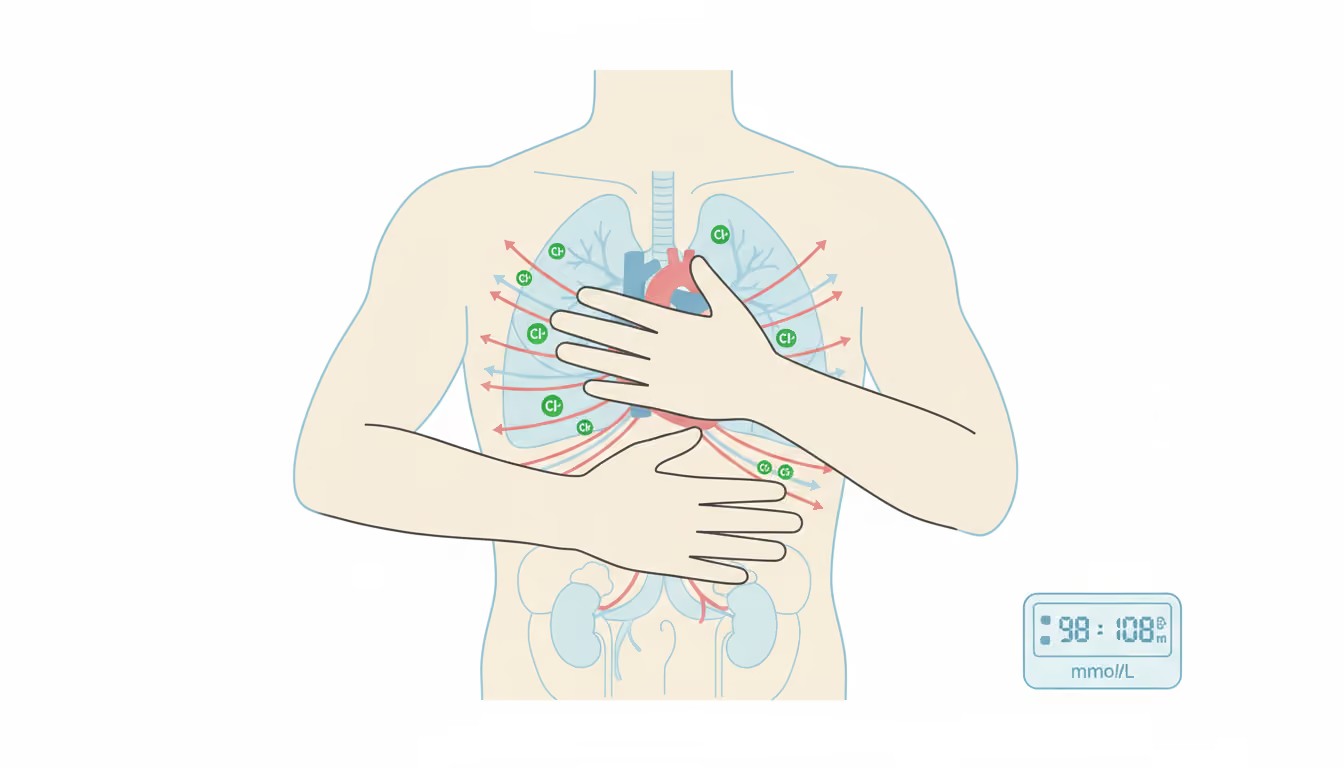
Chloride: This is the primary negatively charged substance found in the blood and extracellular fluid, which is the body fluid outside of cells. The concentration of chloride ions in blood and other body fluids is nearly identical to that in seawater. The body carefully maintains the balance of chloride ions (Cl-) because any significant increase or decrease can lead to harmful or even life-threatening effects:Hyperchloremia occurs when blood chloride levels are too high. This condition can result from diarrhea, certain kidney disorders, or occasionally from an overactive parathyroid gland.Hypochloremia is when blood chloride levels are too low. Chloride is typically lost through urine, sweat, and stomach fluids, with excessive loss possible due to heavy sweating, vomiting, and kidney disease.The normal range for chloride in the serum is 98 - 108 mmol/L.
Our technology delivers immediate, actionable feedback that refines your skills in real time.
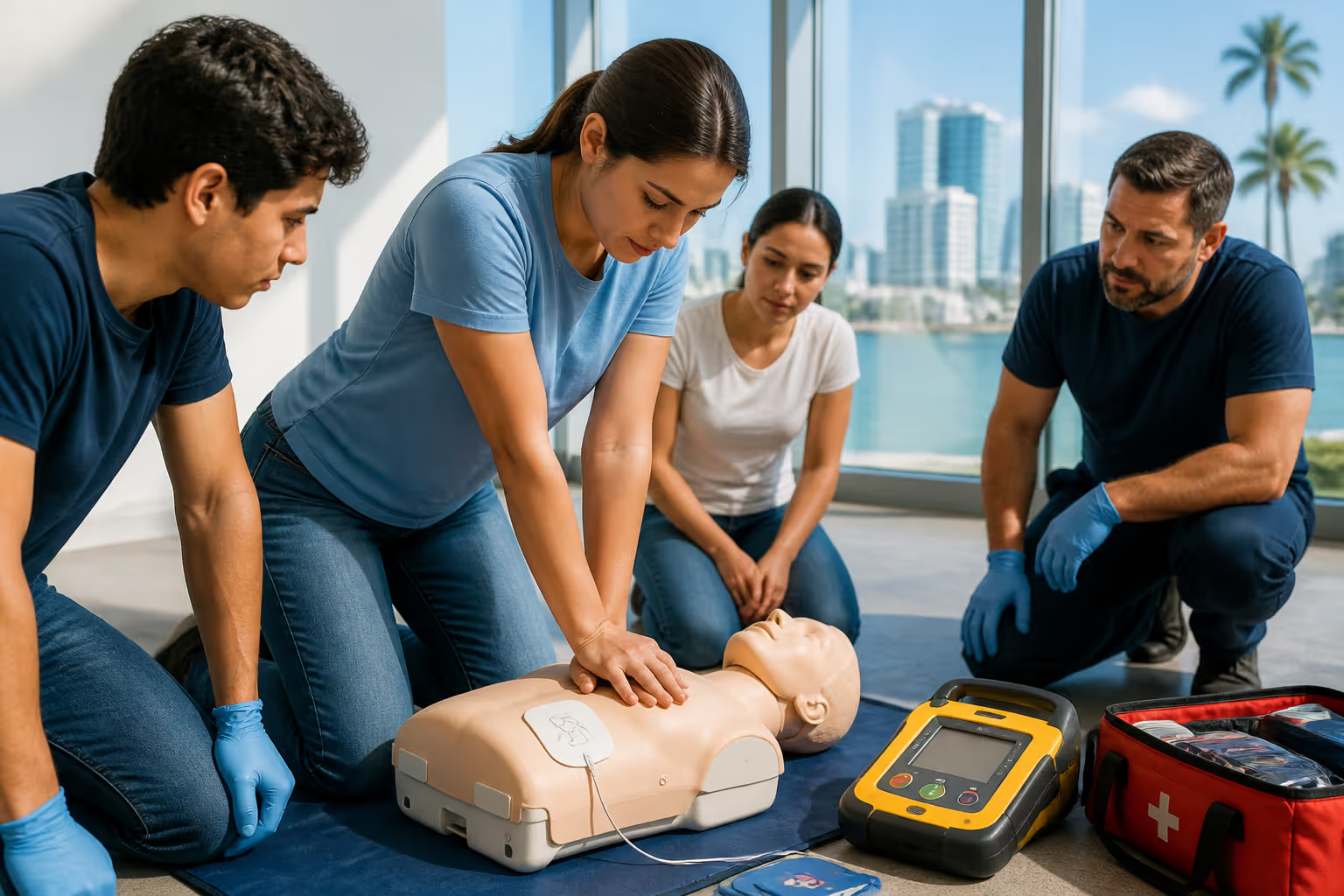
Understand how to safely and effectively operate an Automated External Defibrillator (AED) for adults, children, and infants.
Learn how to perform the Heimlich maneuver and clear airway obstructions caused by choking in both adults and infants.
Gain experience working as part of a team when more than one rescuer is available during an emergency.
Receive your AHA CPR Certification E-Card on the same day you complete the class and pass the exam.

CPR Certification Labs provides professional CPR and emergency training courses based on recognized industry standards.