Offer ends October 18.
This is some text inside of a div block.
Restart a Heart BLS Sale
RESTART99
Copy code


Balance is a biological system that allows us to understand our body's position in space and maintain a desired posture. Proper balance relies on input from the inner ear, various senses like vision and touch, and muscle movement. Our sense of balance is controlled by a complex interaction among different parts of the nervous system, including:- The inner ears, or labyrinth, which track motion directions such as turning, moving forward and backward, side to side, and up and down.- The eyes, which gauge the body's orientation in space (e.g., whether it is upright or upside down) and detect motion directions.- Skin pressure receptors, located in areas like the feet and seat, which sense which parts of the body are in contact with the ground.- Sensory receptors in the muscles and joints, which indicate which parts of the body are in motion.- The brain and central nervous system, which process all this information from the other systems to create a coordinated understanding of our position and movements.
Our technology delivers immediate, actionable feedback that refines your skills in real time.
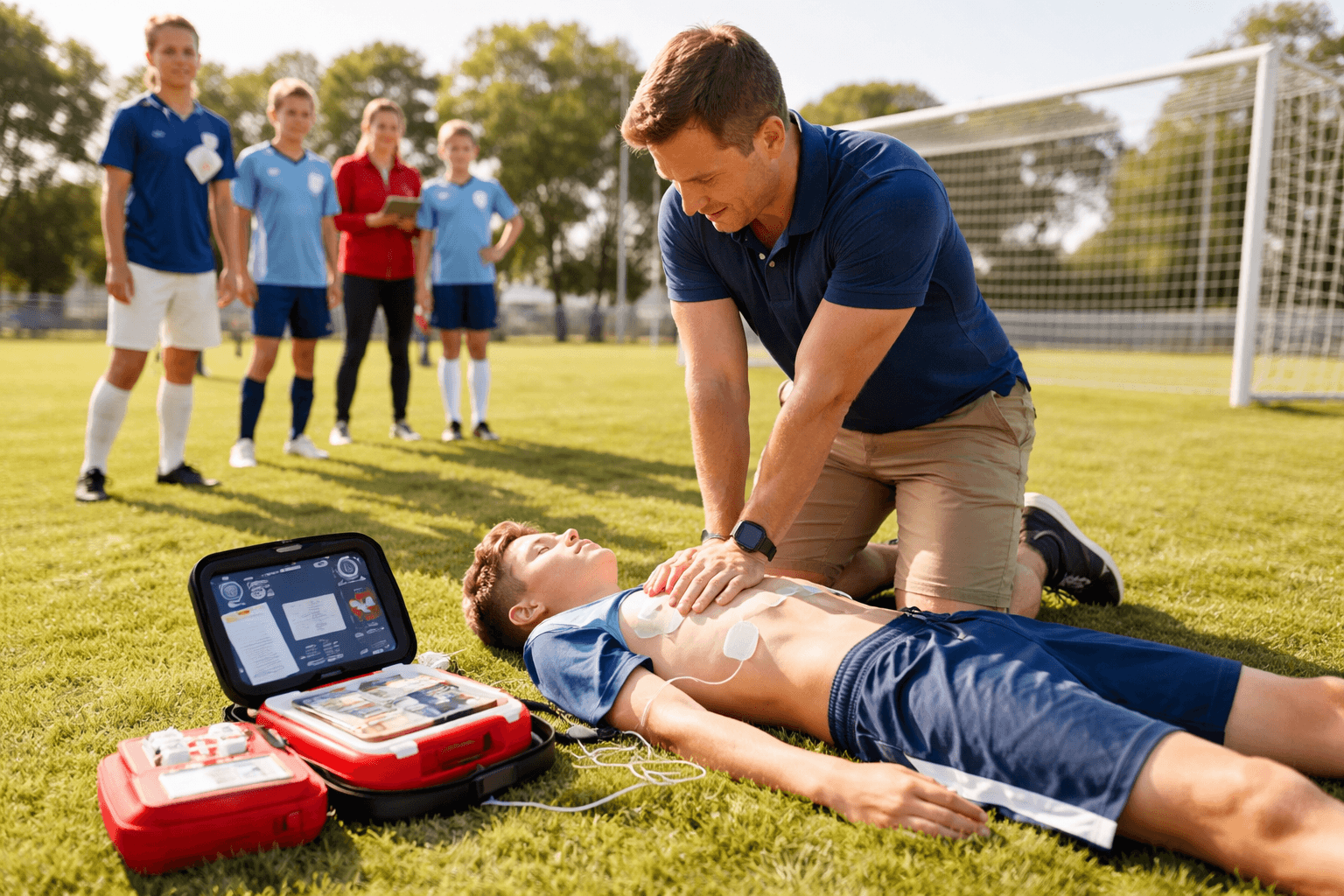
Understand how to safely and effectively operate an Automated External Defibrillator (AED) for adults, children, and infants.
Learn how to perform the Heimlich maneuver and clear airway obstructions caused by choking in both adults and infants.
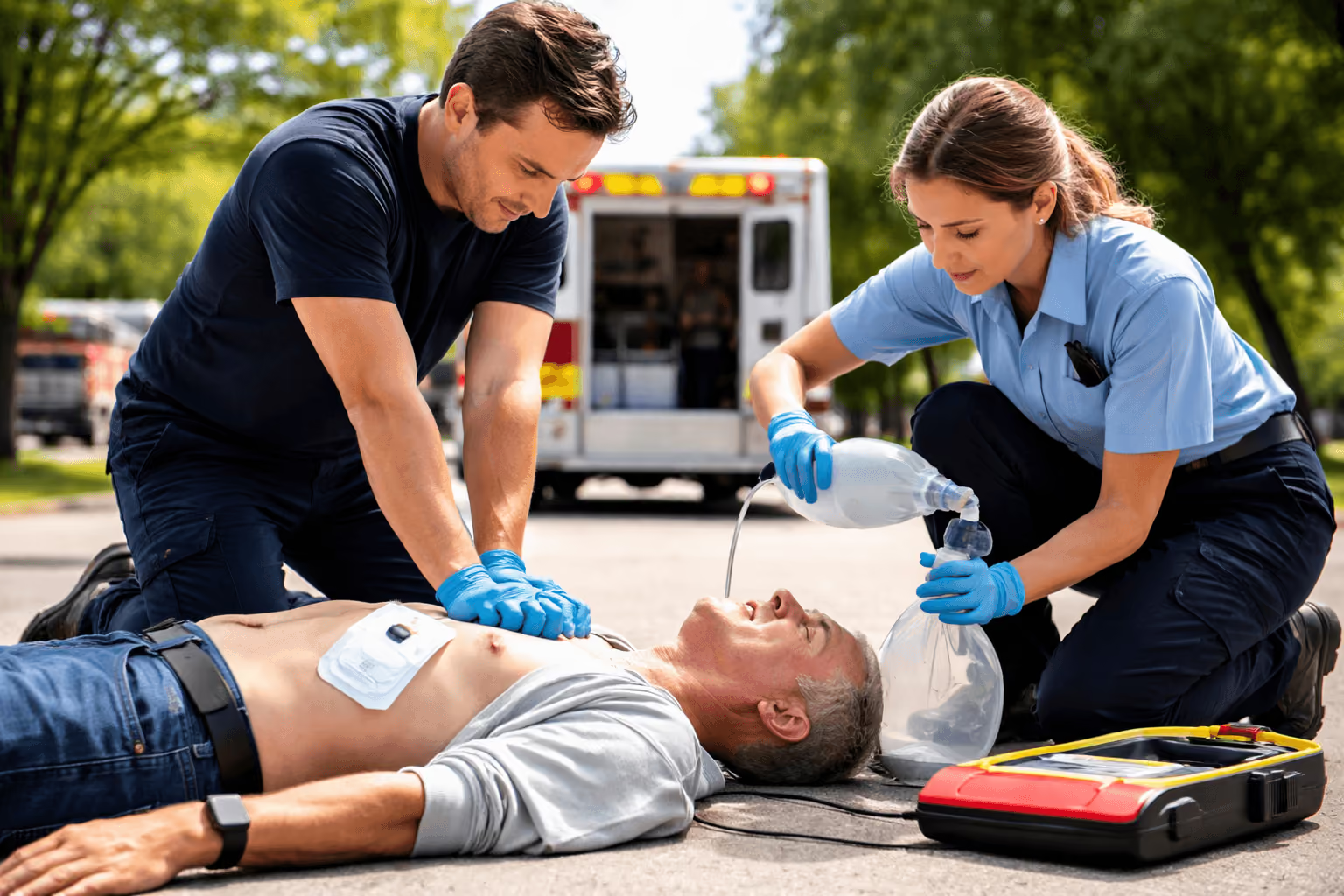
Gain experience working as part of a team when more than one rescuer is available during an emergency.
Receive your AHA CPR Certification E-Card on the same day you complete the class and pass the exam.

CPR Certification Labs provides professional CPR and emergency training courses based on recognized industry standards.