Offer ends October 18.
This is some text inside of a div block.
Restart a Heart BLS Sale
RESTART99
Copy code


Jugular Vein:Located in the neck, the jugular veins are responsible for draining blood from the head, brain, face, and neck, directing it toward the heart. The external jugular vein primarily gathers blood from the outer parts of the skull and the deeper sections of the face. It runs along the outside of the sternocleidomastoid muscle, descending the neck before merging with another vein. On the other hand, the internal jugular vein collects blood from the brain, the outer face, and the neck, traveling down the inside of the neck next to the internal and common carotid arteries, eventually joining with the subclavian vein to form the innominate vein.These veins become especially noticeable when a person is sitting or reclining slightly. Observing the height and pulsations of the jugular veins in such positions can provide an estimate of central venous pressure, offering crucial insights into whether the heart is meeting its demands or struggling. The term "jugular" relates to the throat or neck, originating from the Latin "jugulum," meaning throat or collarbone, and "jugum," meaning yoke. To "go for the jugular" means to target a crucial and vulnerable point.
Our technology delivers immediate, actionable feedback that refines your skills in real time.
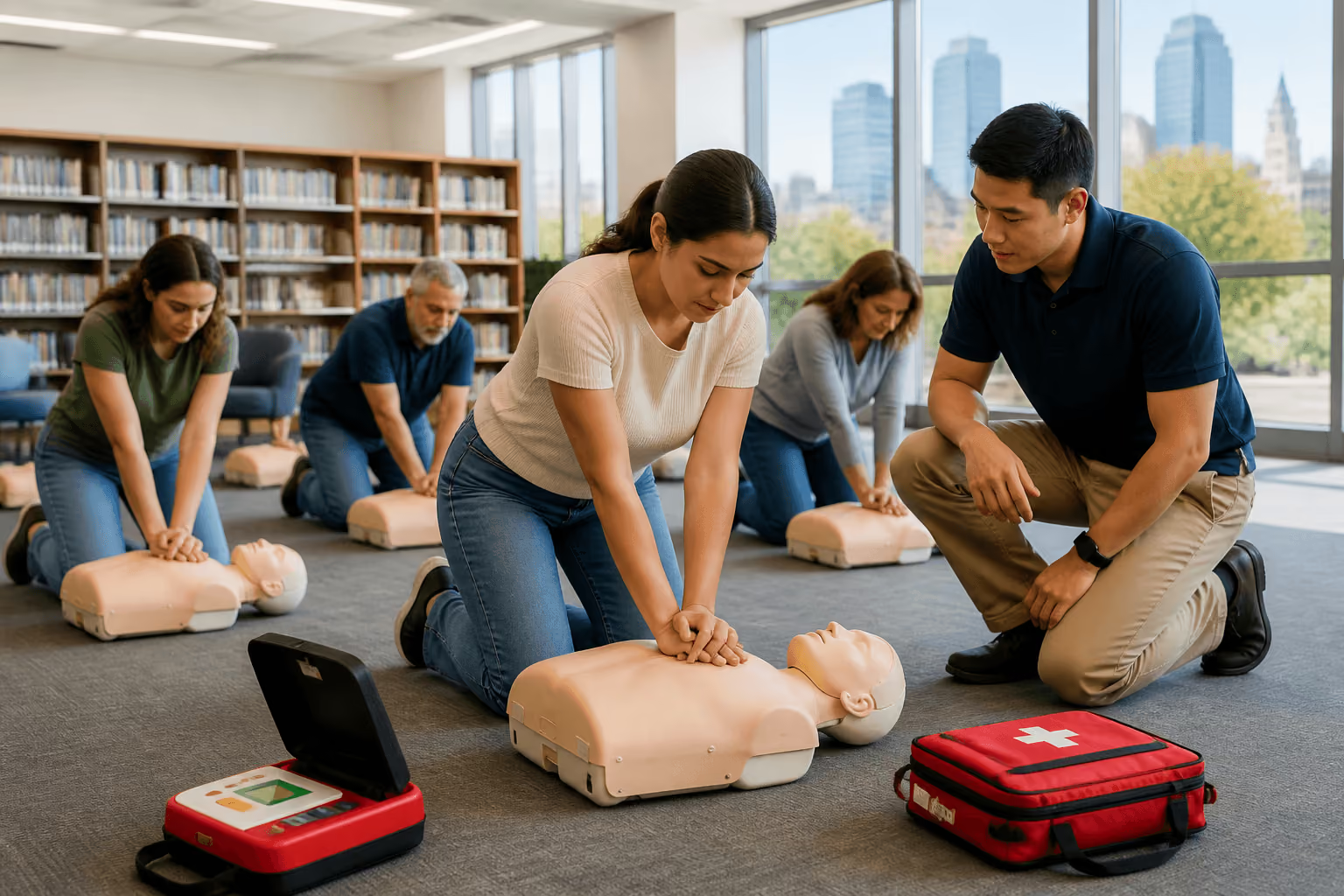
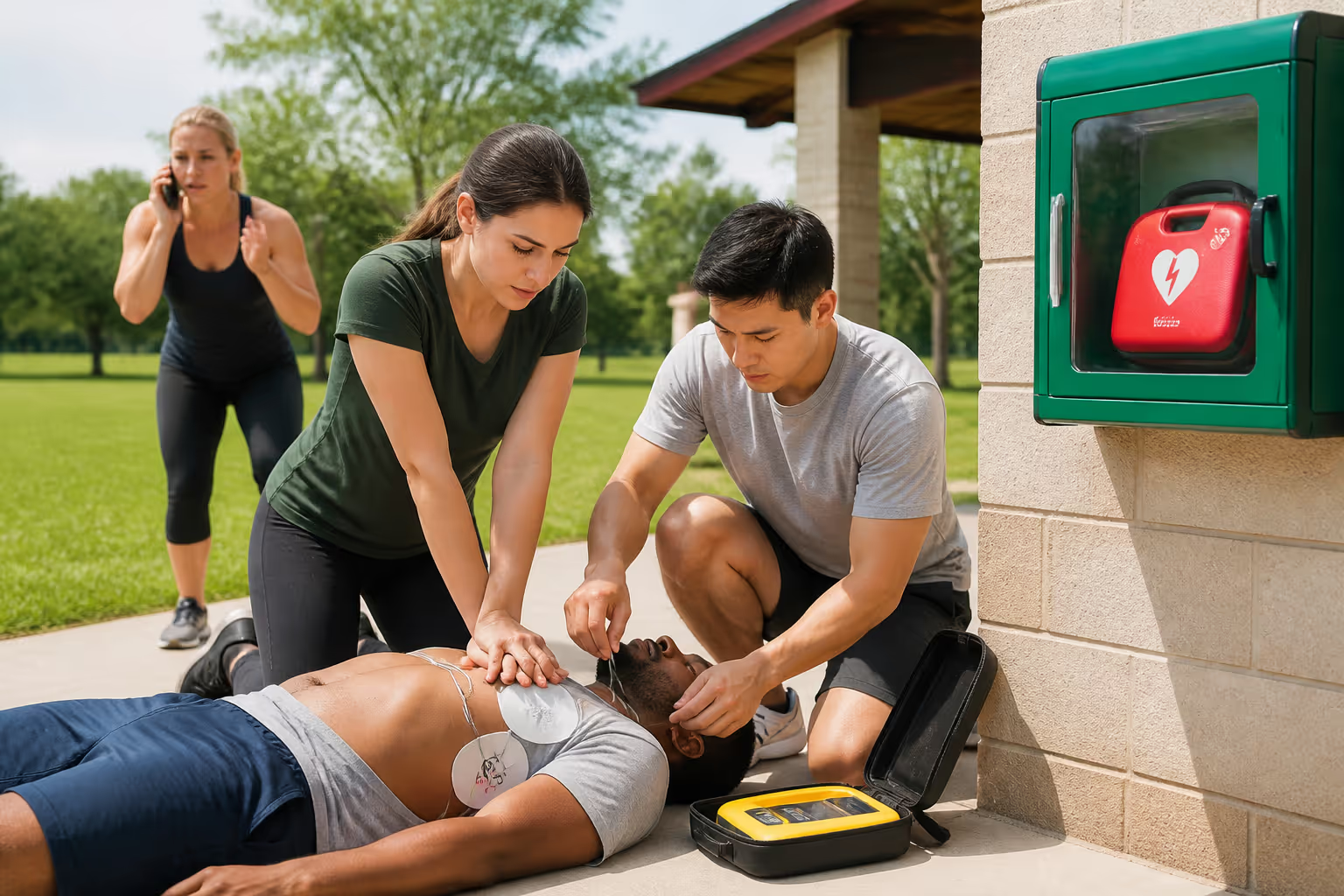
Understand how to safely and effectively operate an Automated External Defibrillator (AED) for adults, children, and infants.
Learn how to perform the Heimlich maneuver and clear airway obstructions caused by choking in both adults and infants.
Gain experience working as part of a team when more than one rescuer is available during an emergency.
Receive your AHA CPR Certification E-Card on the same day you complete the class and pass the exam.

CPR Certification Labs provides professional CPR and emergency training courses based on recognized industry standards.