Offer ends October 18.
This is some text inside of a div block.
Restart a Heart BLS Sale
RESTART99
Copy code

Chapped lips typically occur when the lips become dry and cracked, often due to cold, windy, or dry conditions, and occasionally in warmer weather. Sun exposure can also lead to chapped lips. Additionally, habits like licking or biting the lips can worsen the condition. Unlike the skin, lips lack natural oils to shield them from drying out.To alleviate chapped lips, apply a quality lip balm, preferably with sunscreen. If you don't have lip balm available, you can use lipstick. In a pinch, you can rub your finger along the side of your nose to gather some natural oil and apply it to your lips. During winter or at high altitudes, maintain hydration by drinking plenty of fluids.To prevent chapped lips, consider the following steps:- Avoid licking or biting your lips.- Apply lip balm or lipstick before stepping outside and reapply it frequently while outdoors.- Choose a lip balm with sunscreen for daytime use.- Steer clear of flavored lip balms, as the taste might encourage licking.- In extremely cold or windy conditions, cover your lips with a scarf or ski mask.- Stay hydrated by consuming plenty of fluids.- Use a humidifier at home and, if possible, at work during the winter months.The term "chapped," meaning "fissured or cracked," has been in use since the 14th century. It can also describe parched summer ground or hands in winter.
Our technology delivers immediate, actionable feedback that refines your skills in real time.
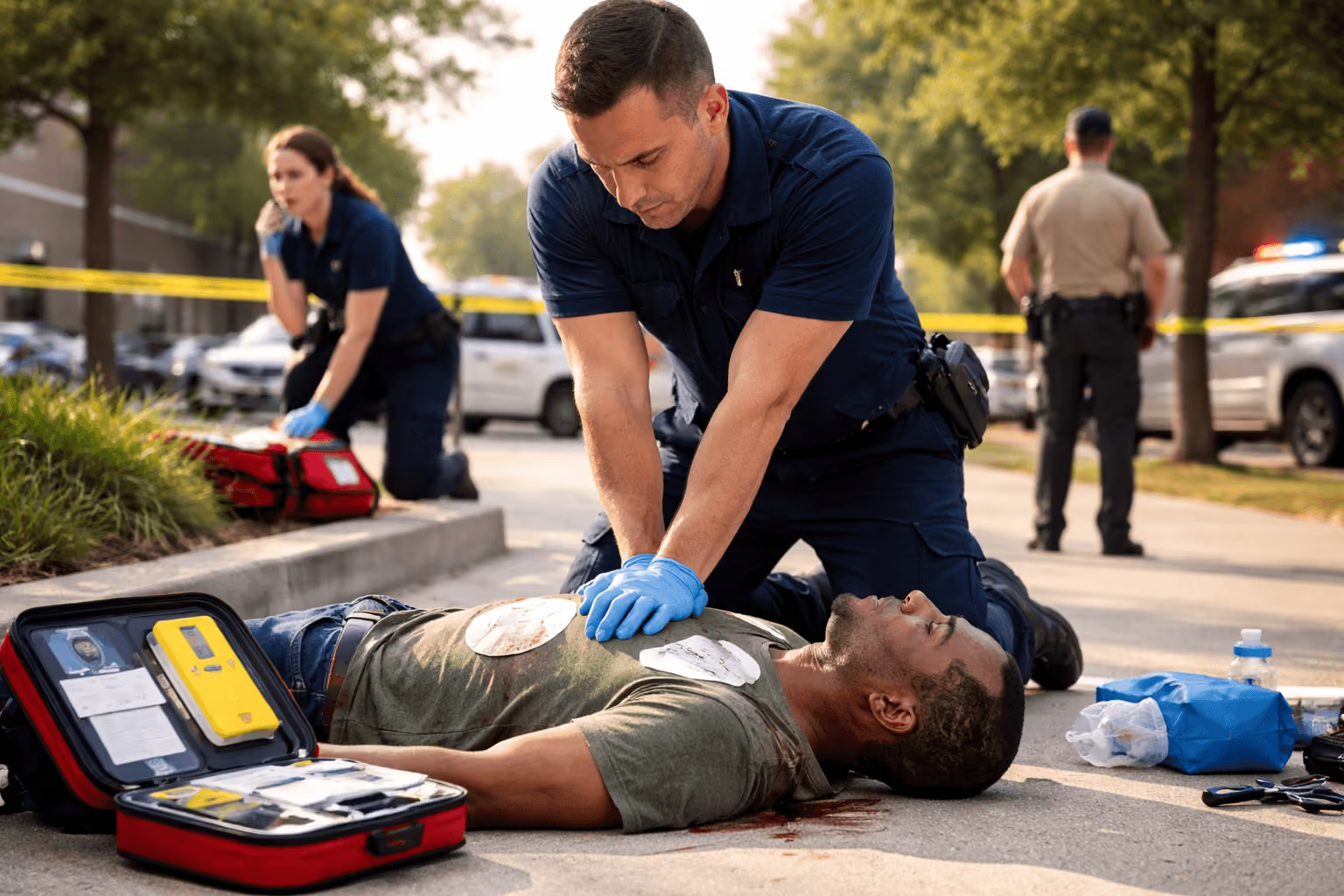
Understand how to safely and effectively operate an Automated External Defibrillator (AED) for adults, children, and infants.
Learn how to perform the Heimlich maneuver and clear airway obstructions caused by choking in both adults and infants.
Gain experience working as part of a team when more than one rescuer is available during an emergency.
Receive your AHA CPR Certification E-Card on the same day you complete the class and pass the exam.

CPR Certification Labs provides professional CPR and emergency training courses based on recognized industry standards.