Offer ends October 18.
This is some text inside of a div block.
Restart a Heart BLS Sale
RESTART99
Copy code

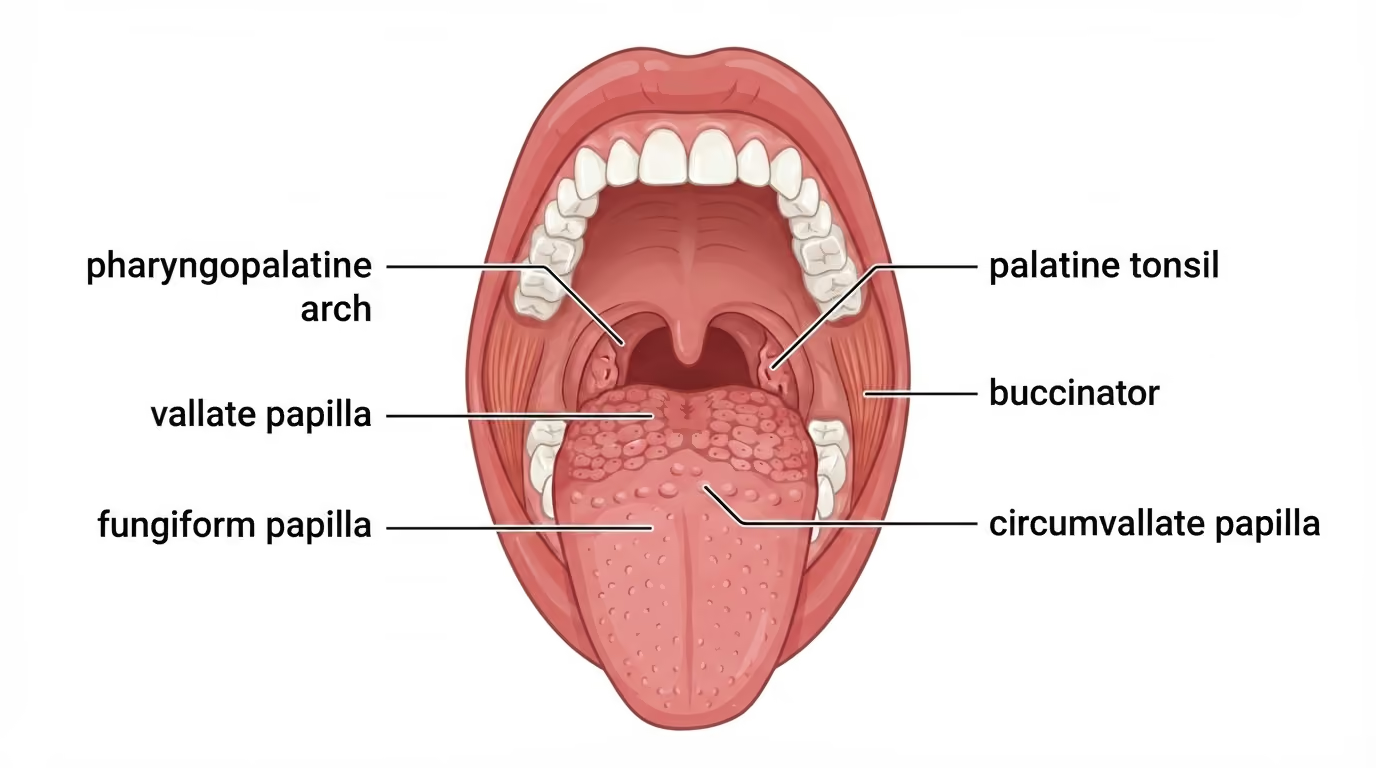
The tongue is a powerful muscle fastened to the mouth's base. It is covered by a membrane that contains specific areas for sensing various tastes. This muscle is connected to the lower jaw and the hyoid bone, a small U-shaped bone situated deep within the muscles at the tongue's rear. The upper surface of the tongue features small nodules known as papillae, which contribute to its rough texture. Nestled between these papillae, particularly along the sides and base of the tongue, are taste buds, small bulb-like structures. The muscle fibers in the tongue are rich in nerves. Infants possess more taste buds than adults, with some even located in the cheeks. The tongue plays a crucial role in forming speech sounds and facilitating swallowing.
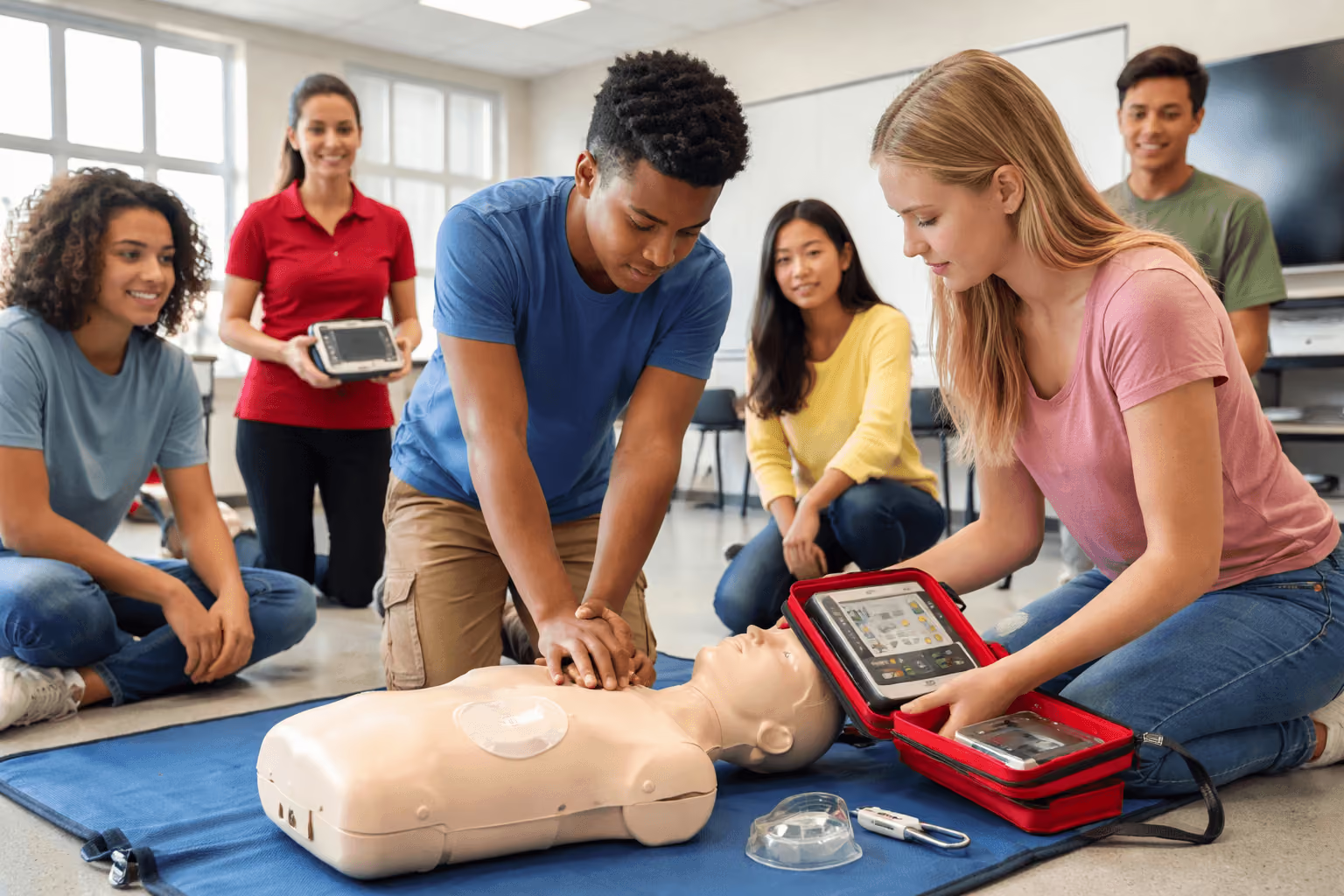
Our technology delivers immediate, actionable feedback that refines your skills in real time.
Understand how to safely and effectively operate an Automated External Defibrillator (AED) for adults, children, and infants.
Learn how to perform the Heimlich maneuver and clear airway obstructions caused by choking in both adults and infants.
Gain experience working as part of a team when more than one rescuer is available during an emergency.
Receive your AHA CPR Certification E-Card on the same day you complete the class and pass the exam.

CPR Certification Labs provides professional CPR and emergency training courses based on recognized industry standards.