Offer ends October 18.
This is some text inside of a div block.
Restart a Heart BLS Sale
RESTART99
Copy code

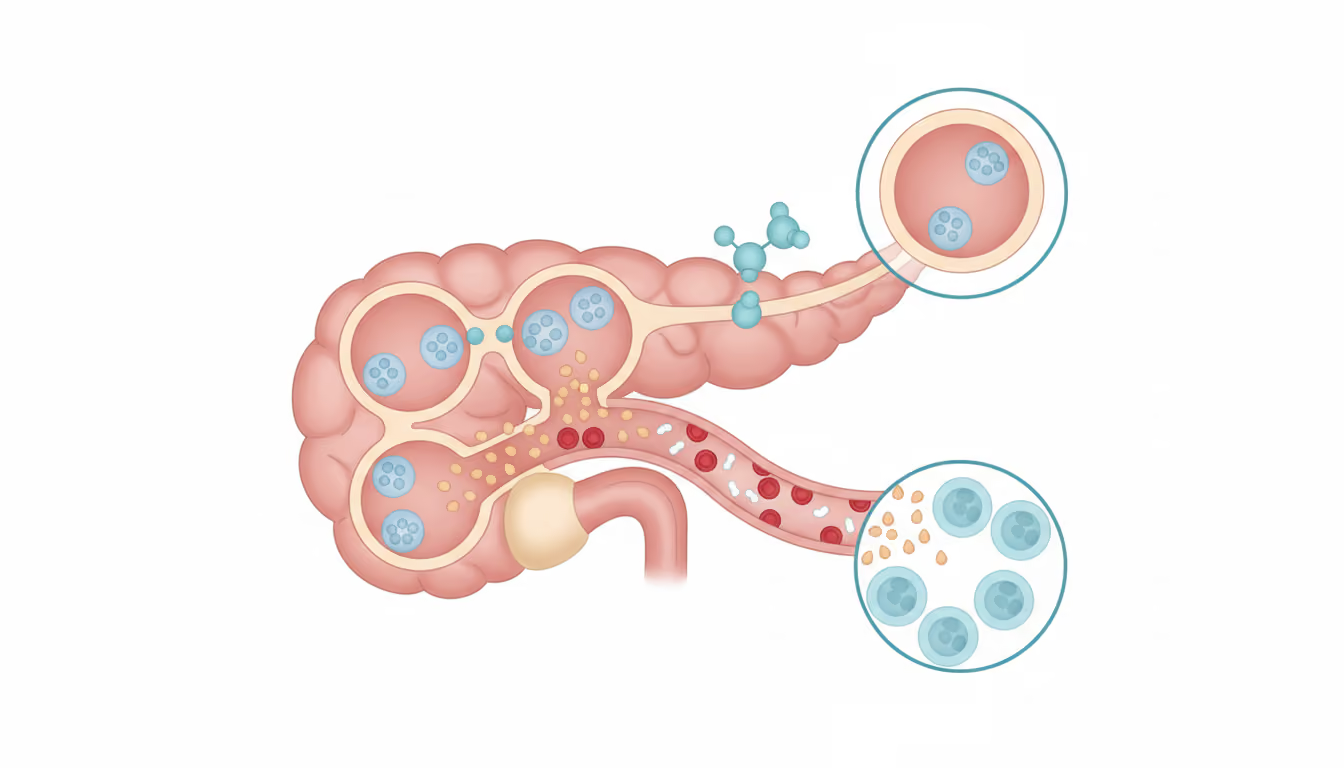
Sulfonylureas are a type of oral medication used to reduce blood sugar levels in individuals with diabetes. These drugs work by stimulating the pancreas to release more insulin. Sulfonylureas are categorized into two generations, with the primary distinction being their elimination from the body. Consequently, second-generation sulfonylureas often require less frequent dosing compared to the first-generation and are generally favored for patients with compromised kidney function. Examples of first-generation sulfonylureas include chlorpropamide (Diabinese) and tolbutamide (Orinase), while the second-generation options include glipizide (Glucotrol and Glucotrol XL), glyburide (Diabeta, Micronase, and Glynase PresTab), and glimepiride (Amaryl). These medications are effective at quickly lowering blood sugar levels but carry a risk of causing hypoglycemia.
Our technology delivers immediate, actionable feedback that refines your skills in real time.
Understand how to safely and effectively operate an Automated External Defibrillator (AED) for adults, children, and infants.
Learn how to perform the Heimlich maneuver and clear airway obstructions caused by choking in both adults and infants.
Gain experience working as part of a team when more than one rescuer is available during an emergency.
Receive your AHA CPR Certification E-Card on the same day you complete the class and pass the exam.

CPR Certification Labs provides professional CPR and emergency training courses based on recognized industry standards.