CPR AED Dallas and why this football game response matters
CPR AED Dallas is more than a search phrase for families, coaches, and healthcare workers in North Texas. It reflects a real need: knowing how to act when someone suddenly collapses and every second counts. A recent incident at a Trinity High School football game showed how CPR, an AED, and calm emergency response can make a critical difference before professional responders arrive.
During the game, a student on the opposite sideline collapsed without warning. The school’s assistant athletic trainer moved quickly, brought an AED to the scene, and began emergency care while others cleared space and helped manage the crowd. The student was unresponsive at first, and the response included AED analysis, a shock, and continued chest compressions.
What the Trinity High School response teaches the Dallas area
This event is a reminder that cardiac emergencies can happen during school sports, practices, and community events. In a stadium environment, the difference between hesitation and preparation is often the difference between confusion and coordinated action. The trainer’s rapid decision-making shows why schools and sports programs should have a clear emergency response plan, trained staff, and accessible AED devices.
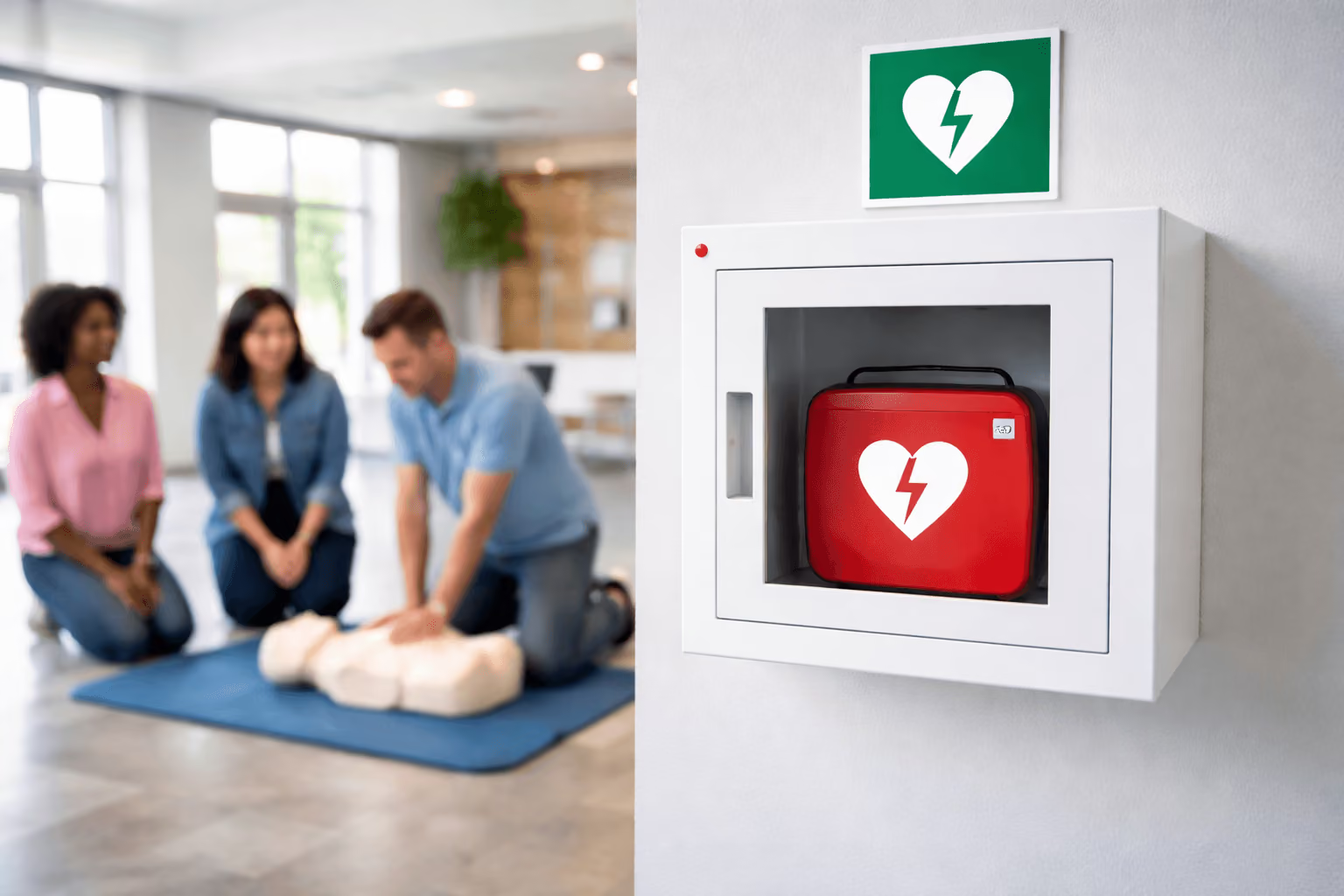
When a person collapses and does not respond normally, bystanders should not wait to see if the situation improves. If the person is unresponsive and not breathing normally, call 911 right away and begin CPR if you are trained to do so. If an AED is available, it should be brought to the scene immediately and used as directed. AEDs are designed to guide rescuers through the next steps with clear prompts.
CPR, AED use, and emergency response basics
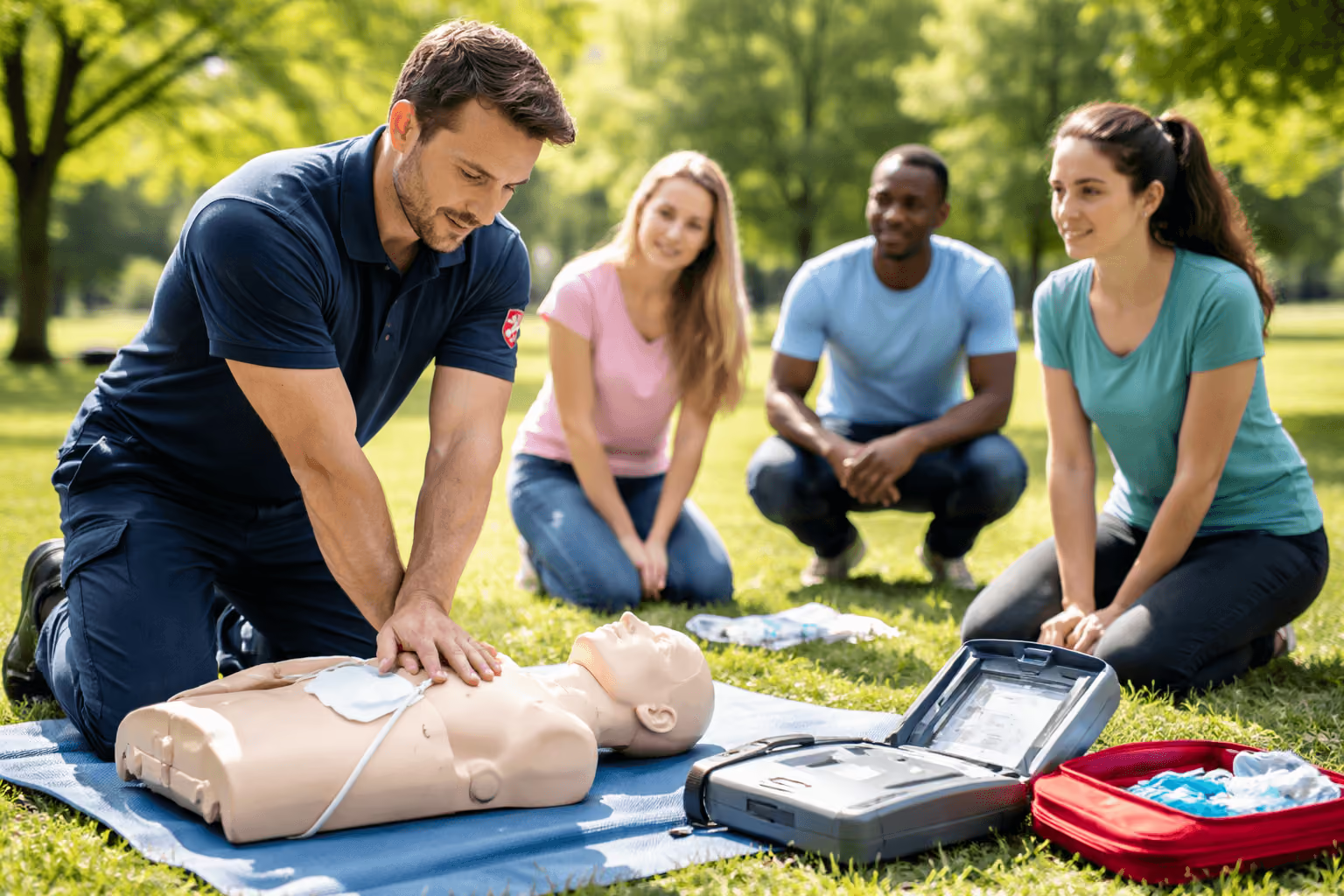
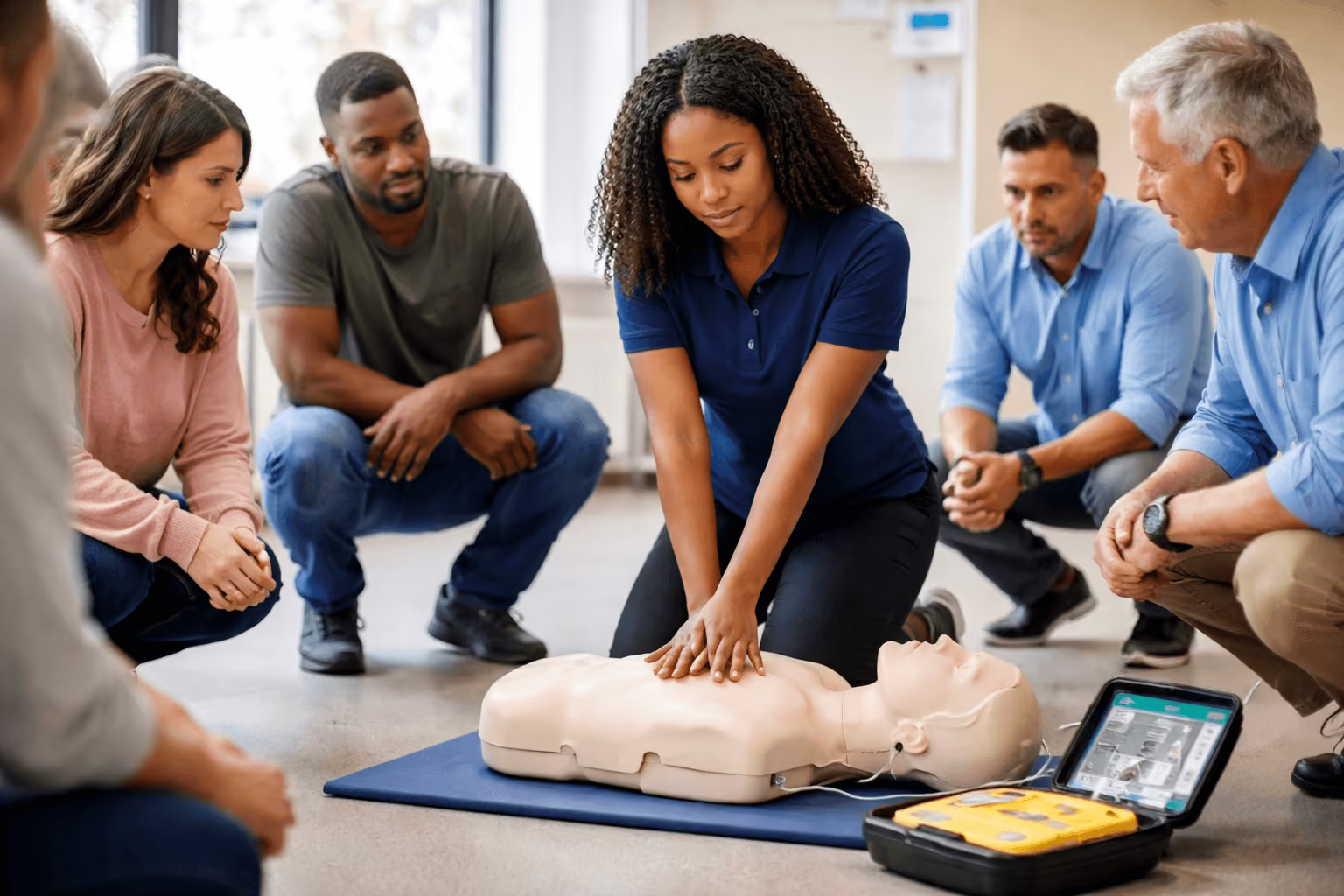
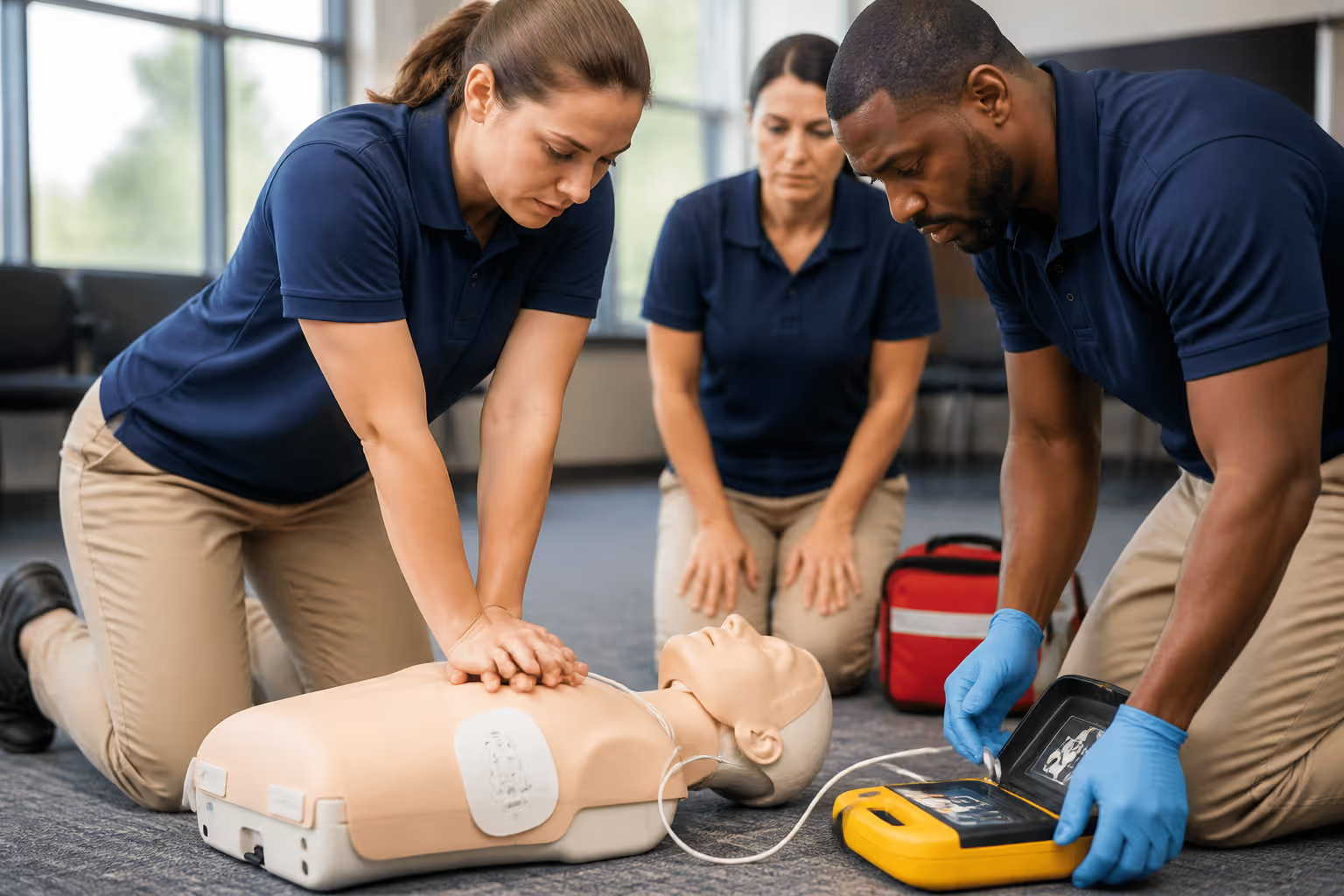
CPR is a hands-on skill that helps maintain blood flow until advanced care takes over. An AED is a portable device that checks heart rhythm and can advise a shock when needed. Together, CPR and AED use form a key part of first aid and emergency response for sudden cardiac arrest.
School staff, coaches, teachers, and even older students benefit from understanding how these tools work. In a crowded setting, someone should call 911, another person should get the AED, and another should begin chest compressions if appropriate and trained. Those simple roles can save valuable time.
This article is for general educational purposes only and is not a substitute for professional medical advice, diagnosis, treatment, or certified CPR training. In an emergency, call 911 immediately.
Who should consider CPR and AED training
CPR and AED training is important for people who work in schools, gyms, faith centers, youth sports, childcare, healthcare, and public-facing jobs. It is also helpful for parents, volunteers, office teams, and community members who may be the first to respond before emergency crews arrive. Anyone who spends time around children, athletes, or large groups should think about preparedness.
In a fast-moving emergency, trained responders know how to stay focused on the basics: assess the scene, activate emergency services, start CPR if needed, and use the AED as soon as possible. That kind of readiness can be especially important in the Dallas-Fort Worth area, where school sports and community events bring large groups together year-round.
Why local CPR training matters in Fort Worth and Dallas
Preparedness is not limited to hospitals or first responders. It belongs in schools, athletic facilities, workplaces, and neighborhood organizations. The Trinity High School incident shows what happens when someone with training and access to equipment is ready to act.
For people looking for CPR AED Dallas training, local access matters. CPR Certification Labs supports learners who want clear instruction in CPR, AED operation, and first aid fundamentals in a practical setting. The Fort Worth office at 6940 River Park Circle is available Monday through Sunday, 7am - 8pm, making it easier for busy professionals and teams to schedule training around work and family needs.
Nearby access and a simple next step
If you are looking for a local place to complete training, the Fort Worth office is a convenient option for North Texas residents. It serves people who want to build confidence before an emergency happens, whether they work in healthcare, education, or community athletics. You can learn more and view scheduling details at CPR Certification Labs Fort Worth.
Nearby communities across Tarrant County can benefit from having more trained responders and more AED awareness in schools and sports venues. The lesson from this football game is simple: preparation helps people act faster, and faster action can protect lives.
FAQ
Why is AED access important during school sports?
An AED can help guide rescuers during sudden cardiac arrest. In school and athletic settings, quick access saves time while emergency responders are on the way.
What should I do first if someone collapses?
Check for responsiveness, call 911, and start CPR if the person is not breathing normally and you are trained to help. Send someone to get an AED right away.
Is CPR training useful for non-medical staff?
Yes. Teachers, coaches, office staff, parents, and volunteers may be the first people available in an emergency, so CPR and AED training can be valuable in many settings.
About our Fort Worth office
- Address: 6940 River Park Circle
- Phone: (817) 420-7629
- Email: fortworth@cprcertificationlabs.com
- Hours:
Monday – Sunday: 7am - 8pm