Offer ends Nov 29.
This is some text inside of a div block.
Thankful for Those Who Care
THANKS99
Copy code

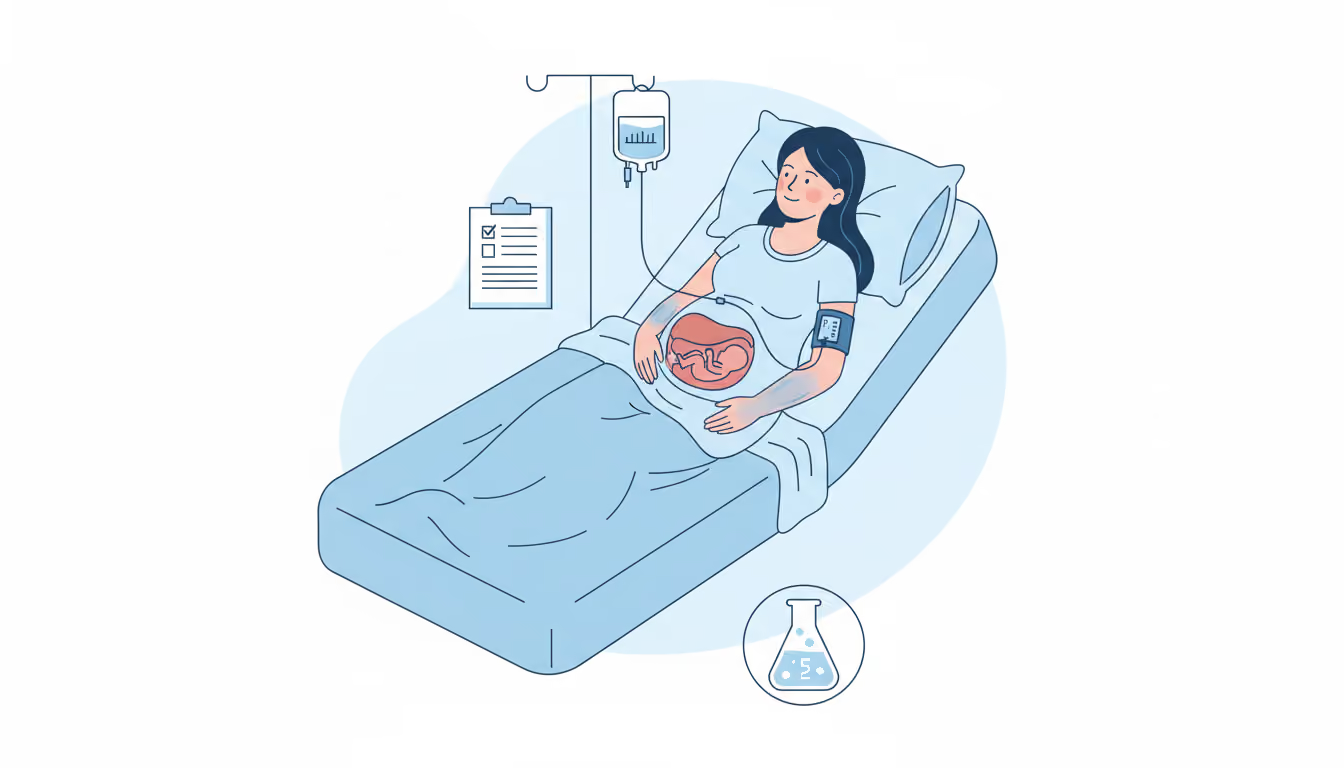
Preeclampsia is a pregnancy condition marked by high blood pressure and signs of liver or kidney damage that occur after the 20th week of pregnancy. Symptoms can include swelling of the hands and face; some swelling of the feet and ankles is considered normal during pregnancy. Tests may show protein in the urine. Preeclampsia occurs in 3% to 7% of all pregnancies, usually in the final trimester. It is most commonly seen in first-time pregnancies and is more prevalent among women expecting twins or those with a genetic predisposition. Some individuals may experience preeclampsia with each pregnancy, and it often runs in families, especially among daughters whose mothers had the condition.
Preeclampsia can signal severe issues, such as the placenta detaching from the uterus. If left untreated, it can escalate to eclampsia, a critical condition for both mother and baby, characterized by seizures and coma. To manage preeclampsia, doctors may recommend medication; complete bed rest is no longer recommended. If treatment does not control the condition, labor might need to be induced, or a cesarean section may be necessary. Preeclampsia usually resolves within 6 weeks after the baby is born and the placenta is delivered, but it may persist longer or even begin after delivery. Historically, preeclampsia was sometimes called toxemia or toxic pregnancy.
Our technology delivers immediate, actionable feedback that refines your skills in real time.
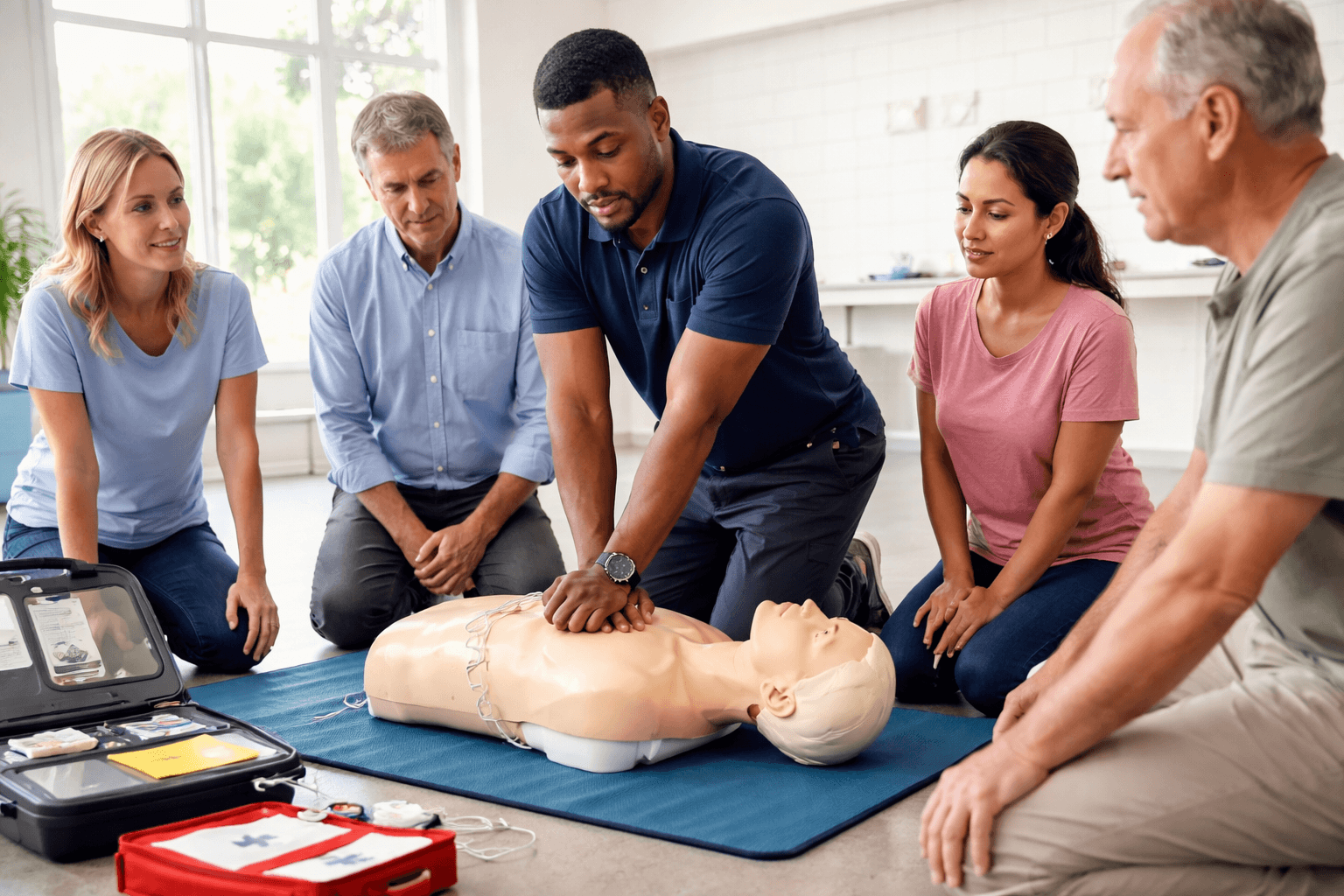
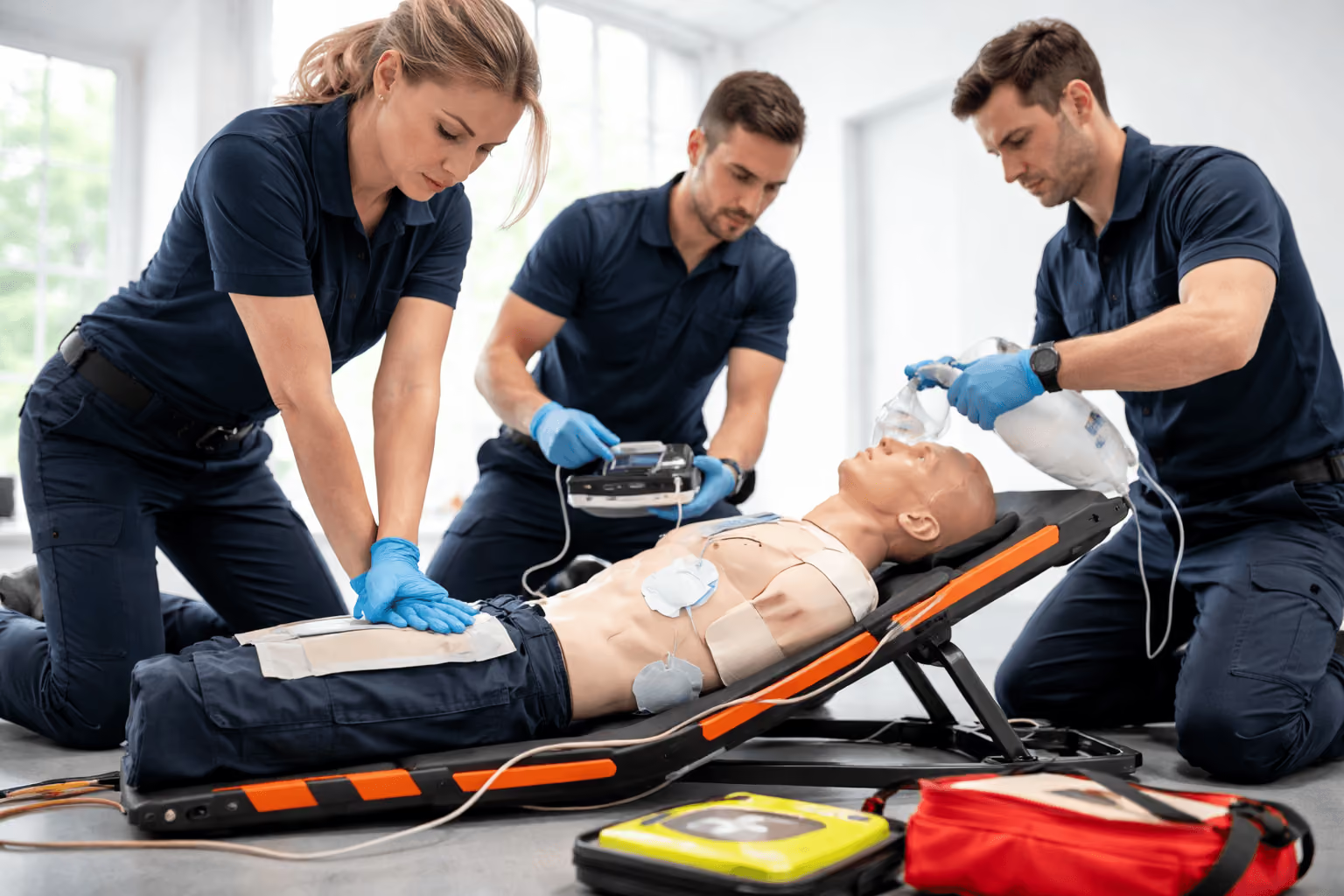
Understand how to safely and effectively operate an Automated External Defibrillator (AED) for adults, children, and infants.
Learn how to perform the Heimlich maneuver and clear airway obstructions caused by choking in both adults and infants.
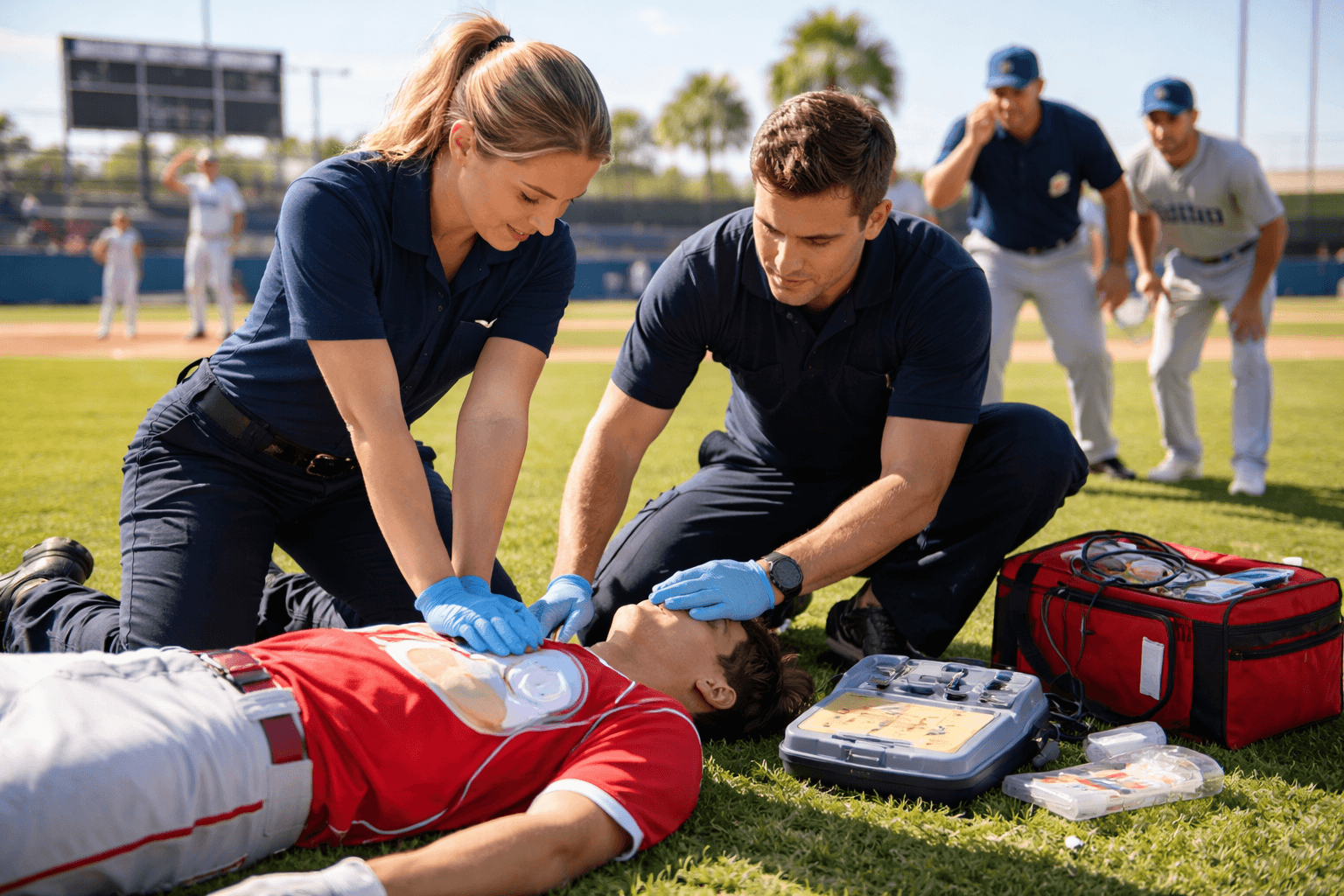
Gain experience working as part of a team when more than one rescuer is available during an emergency.
Receive your AHA CPR Certification E-Card on the same day you complete the class and pass the exam.

CPR Certification Labs provides professional CPR and emergency training courses based on recognized industry standards.