Offer ends October 18.
This is some text inside of a div block.
Restart a Heart BLS Sale
RESTART99
Copy code

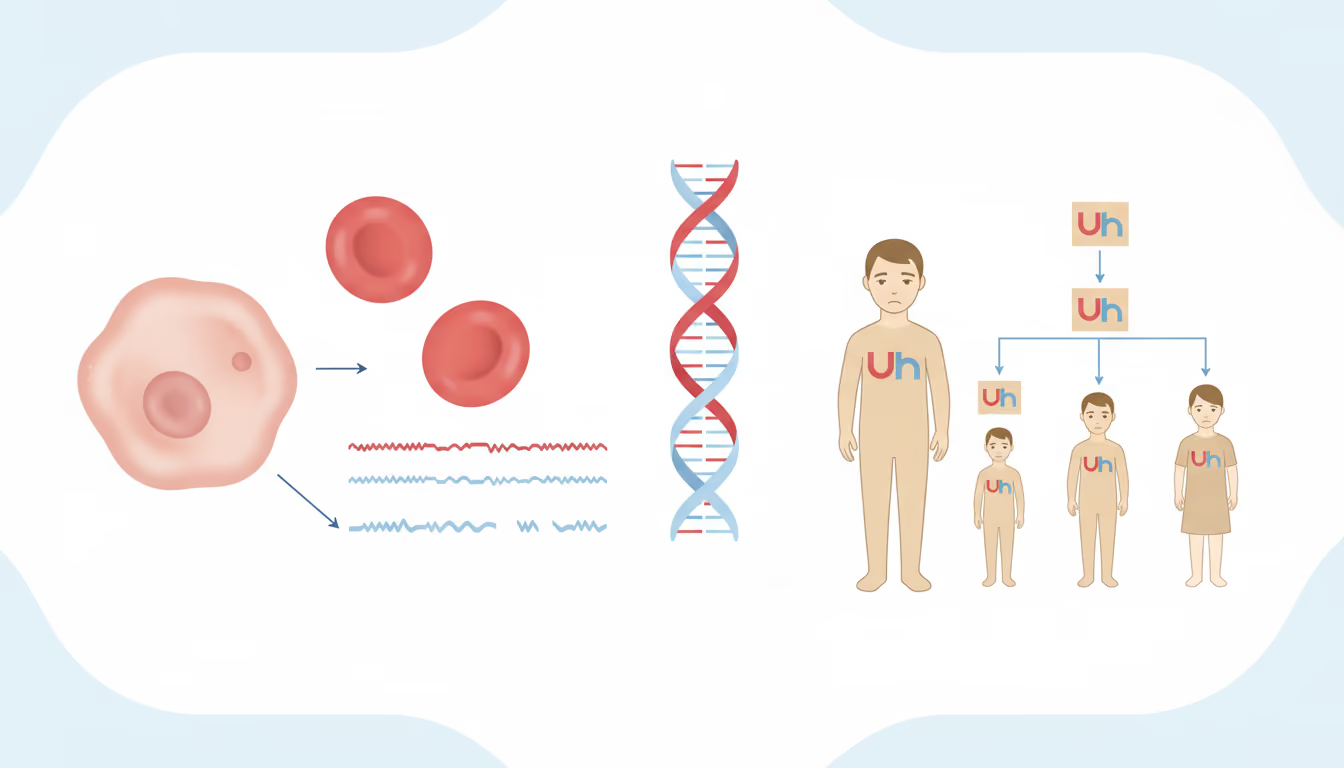
Thalassemia, commonly referred to as Mediterranean anemia, is a significant genetic disorder first identified in 1925 by pediatrician Thomas Benton Cooley. The term "thalassemia" was introduced by Nobel Laureate George Whipple and Professor Wm Bradford from the University of Rochester. It derives from the Greek word "thalassa" meaning sea, as in the Mediterranean Sea, combined with "-emia," meaning in the blood. Thalassemia encompasses a variety of inherited conditions that result in the reduced production of hemoglobin, the essential molecule responsible for oxygen transport in the blood. Adult hemoglobin normally consists of two alpha and two beta polypeptide chains. In beta thalassemia, mutations in both beta globin chains cause their underproduction or absence, leading to diminished hemoglobin levels and severe anemia. This genetic condition is particularly prevalent among individuals of Mediterranean descent, such as those from Italy and Greece. Children with beta thalassemia inherit one gene from each parent, who are carriers with only one thalassemia gene and have a mild form known as thalassemia minor, which typically presents no symptoms. At birth, affected children appear normal as fetal hemoglobin, which lacks beta chains, is predominant. However, the anemia becomes evident in the first few months of life, progressively worsening and causing symptoms such as paleness, fatigue, stunted growth, recurrent infections with fever, and diarrhea. While blood transfusions offer temporary relief, they do not cure the disease. It is hoped that gene therapy will eventually provide a solution for this condition.
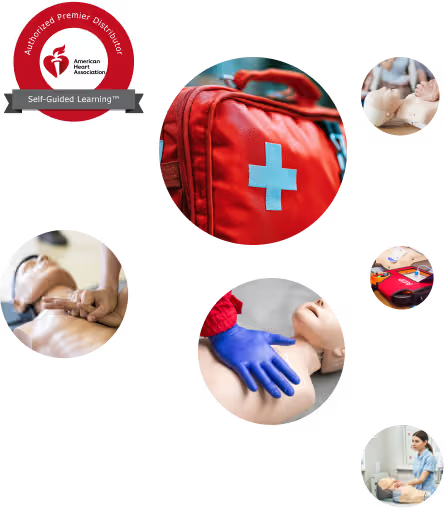
CPR Certification Labs provides hands-on, American Heart Association–aligned CPR, BLS, ACLS, and PALS certification training to help providers master these life-saving skills.
Our technology delivers immediate, actionable feedback that refines your skills in real time.
Understand how to safely and effectively operate an Automated External Defibrillator (AED) for adults, children, and infants.
Learn how to perform the Heimlich maneuver and clear airway obstructions caused by choking in both adults and infants.
Gain experience working as part of a team when more than one rescuer is available during an emergency.
Receive your AHA CPR Certification E-Card on the same day you complete the class and pass the exam.

CPR Certification Labs provides professional CPR and emergency training courses based on recognized industry standards.