Offer ends Nov 29.
This is some text inside of a div block.
Thankful for Those Who Care
THANKS99
Copy code

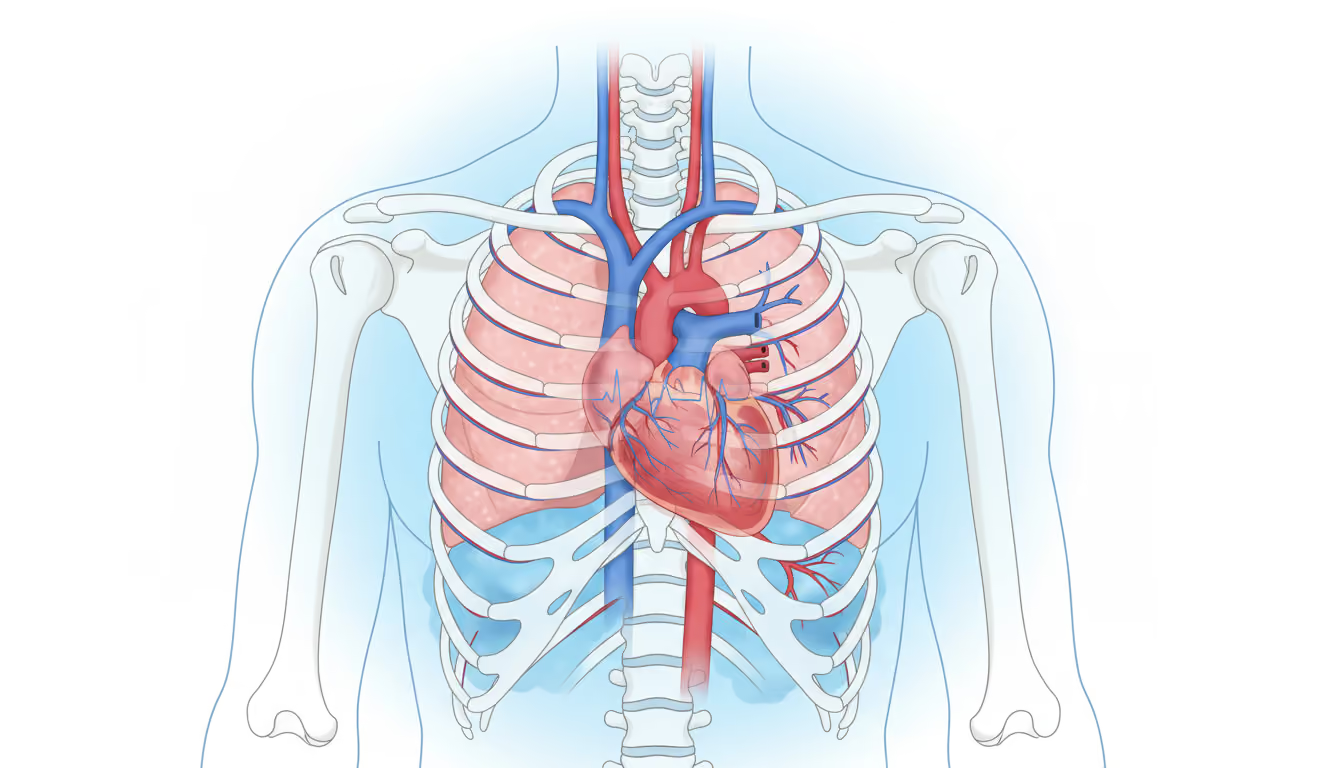
Heart failure occurs when the heart cannot meet the body's demands, specifically failing to pump blood effectively. This condition results in insufficient blood supply to organs like the brain, liver, and kidneys. It can involve the failure of the right, left, or both ventricles, with symptoms varying depending on the affected side. Common signs include shortness of breath (cardiac asthma), blood pooling in the body's general or portal circulation, swelling (edema), a bluish or dusky skin tone, and heart enlargement. In the 2025 American Heart Association (AHA) adult bradycardia and tachyarrhythmia algorithms, acute heart failure is one of the signs that a patient with a slow or fast heart rhythm is unstable.
Several factors can lead to heart failure, such as: (1) coronary artery disease, resulting in heart attacks and muscle weakness; (2) primary heart muscle weakness from viral infections or toxins, like prolonged alcohol use; (3) heart valve disease, which weakens the heart muscle due to blood leakage or stiffness from a blocked valve; and (4) conditions like high blood pressure. Less common causes include hyperthyroidism, vitamin deficiencies, and excessive stimulant use.
The goal of treatment is to enhance the heart's pumping ability. General treatments include reducing salt intake and medicines such as diuretics to eliminate excess fluid, beta blockers, ACE inhibitors, angiotensin receptor blockers (ARBs), angiotensin receptor-neprilysin inhibitors and SGLT-2 inhibitors. Digoxin is used less commonly. Spironolactone can reduce the risk of death in people with heart failure when used with other medicines. Additionally, a pacemaker-like device is available to treat heart failure by delivering synchronized electrical stimulation to three heart chambers, improving blood circulation throughout the body.
Our technology delivers immediate, actionable feedback that refines your skills in real time.
Understand how to safely and effectively operate an Automated External Defibrillator (AED) for adults, children, and infants.
Learn how to perform the Heimlich maneuver and clear airway obstructions caused by choking in both adults and infants.
Gain experience working as part of a team when more than one rescuer is available during an emergency.
Receive your AHA CPR Certification E-Card on the same day you complete the class and pass the exam.

CPR Certification Labs provides professional CPR and emergency training courses based on recognized industry standards.