Offer ends October 18.
This is some text inside of a div block.
Restart a Heart BLS Sale
RESTART99
Copy code

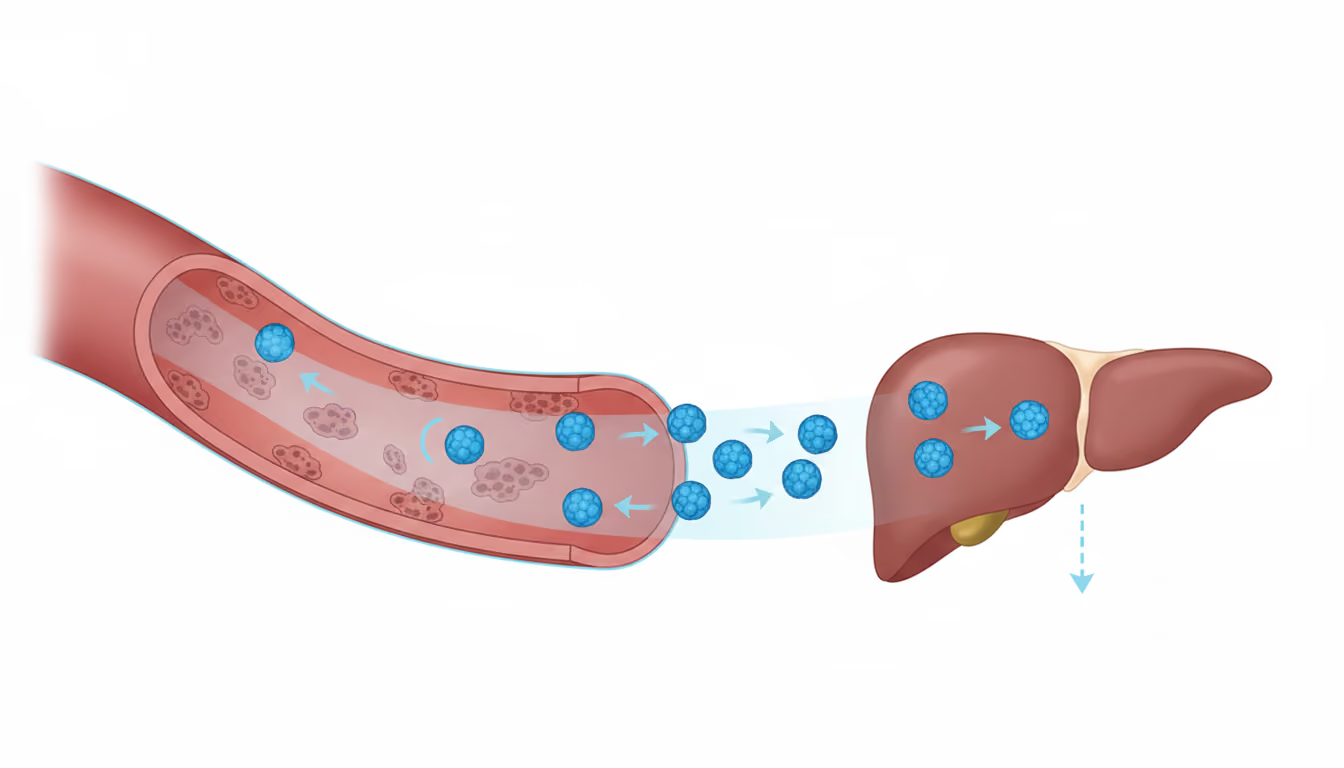
HDL Cholesterol: High-density lipoproteins are a combination of fats and proteins that transport lipids through the bloodstream. These lipoproteins carry cholesterol from the body's tissues to the liver, where it can be removed. HDL is often referred to as "good" cholesterol because higher levels are associated with a reduced risk of cardiovascular disease. Typically, men have HDL levels between 40 and 50 mg/dL, while women usually have levels ranging from 50 to 60 mg/dL. An HDL cholesterol level of 60 mg/dL or above can offer some protection against heart disease. Engaging in regular exercise, losing excess body fat, and quitting smoking can all help increase HDL cholesterol levels. If lifestyle changes alone are not enough, medications may be prescribed.
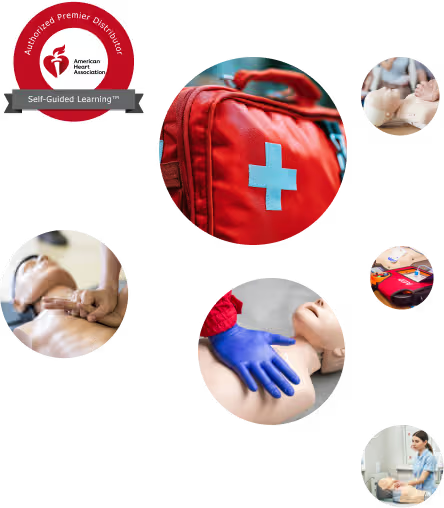
CPR Certification Labs provides hands-on, American Heart Association–aligned CPR, BLS, ACLS, and PALS certification training to help providers master these life-saving skills.
Our technology delivers immediate, actionable feedback that refines your skills in real time.
Understand how to safely and effectively operate an Automated External Defibrillator (AED) for adults, children, and infants.
Learn how to perform the Heimlich maneuver and clear airway obstructions caused by choking in both adults and infants.
Gain experience working as part of a team when more than one rescuer is available during an emergency.
Receive your AHA CPR Certification E-Card on the same day you complete the class and pass the exam.

CPR Certification Labs provides professional CPR and emergency training courses based on recognized industry standards.