Houston AED readiness matters in school emergencies
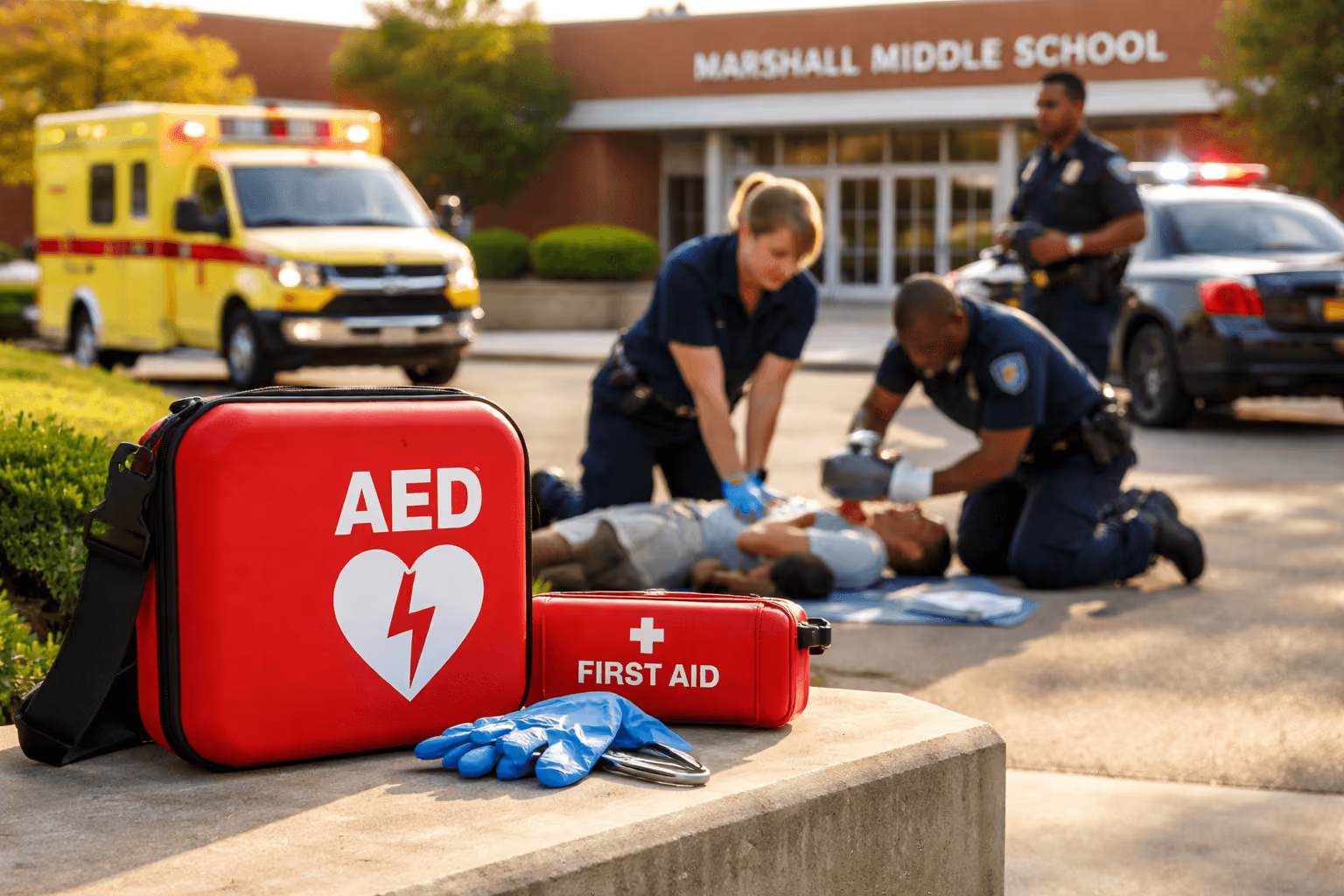
Houston AED readiness is a practical concern for every campus that wants to respond well when a student, staff member, or visitor needs help fast. A recent case involving a Marshall Middle School student has renewed attention on how schools prepare for sudden medical emergencies, how quickly staff can act, and whether emergency equipment is maintained and ready to use.
This is not only about one school. It is about clear procedures, trained adults, and equipment that can be accessed without delay. In a large district, those basics can make a major difference in how an emergency response unfolds.
Local context for Houston schools
Houston schools serve a large and diverse community, and that means campus readiness has to be consistent. Teachers, coaches, office staff, and campus nurses may all be the first adults to respond when someone collapses or is unable to continue normal activity. When that happens, time matters, and so does organization.
Families naturally want answers after a serious incident. School leaders also need to know that CPR response plans are clear, that AED units are easy to locate, and that staff know their roles. Local confidence grows when people can see a straightforward emergency plan instead of uncertainty.
What school CPR and AED readiness includes
School emergency preparedness is built on a few simple pieces. Staff should know how to recognize a crisis, activate the response plan, and use available AED equipment while help is on the way. CPR training helps reinforce those steps so a team can respond with more confidence under pressure.
AED readiness also depends on routine checks, working batteries and pads, and visible placement on campus. A device that exists but is not ready when needed does not support the emergency response plan. For schools, maintenance and training go together.
Who this information is for
This topic is relevant for school employees, parents, athletic staff, after-school program leaders, and administrators. It is also important for healthcare professionals who work with school systems or advise on campus safety plans. Anyone who wants stronger emergency response in a school setting should understand the role of CPR and AED training.
In practical terms, the goal is simple: make sure the right people know what to do, can find equipment quickly, and understand the basics of campus response. That kind of readiness supports safer daily operations.
Why Houston AED readiness supports better outcomes
Houston AED readiness is not about creating fear. It is about being prepared. A campus that trains staff, checks equipment, and reviews emergency steps regularly is better positioned to respond when every second matters. This is especially important in places where many people gather, such as classrooms, gyms, cafeterias, and athletic spaces.
CPR and AED education also helps staff communicate clearly while waiting for emergency responders. Simple preparation can improve teamwork and reduce confusion during a stressful event. For school systems, preparedness should be treated as part of everyday safety, not as an afterthought.
How CPR Certification Labs helps
CPR Certification Labs offers a straightforward process for busy professionals who need CPR, BLS, or AED-related training. The 3-step flow is designed to be simple: schedule online, complete the online course portion, and attend the in-person skills session at the office. That structure is helpful for healthcare workers and other professionals who need an efficient path to completion.
For those in North Houston, the office at 2930 Cypress Grove Meadows Dr in Houston provides a local option with hours that run Monday through Sunday from 7am to 8pm. If you want to plan your training around work or family responsibilities, you can review the office details at North Houston.
Nearby access and local planning
When people are choosing CPR or BLS training, convenience matters. North Houston professionals often need a location that is reachable, flexible, and easy to fit into a demanding schedule. Having a nearby office can help school staff, coaches, and healthcare workers stay current without unnecessary travel or delays.
That matters because readiness is maintained through repetition and review. Whether you are responsible for a school office, an athletic program, or a clinic, keeping CPR and AED knowledge fresh is part of a dependable emergency response culture.
Practical next step for Houston professionals
If your role involves campus safety, student supervision, or clinical support, now is a good time to review your training status and emergency response plan. Make sure you know where AED equipment is stored, who is responsible for checks, and when your next CPR renewal is due.
For local scheduling and office information, visit the North Houston page and choose a time that works for you. Houston AED readiness begins with training, planning, and follow-through.
This article is for general educational purposes only and is not a substitute for professional medical advice, diagnosis, treatment, or certified CPR training. In an emergency, call 911 immediately.
FAQ
Why does Houston AED readiness matter in schools?
It helps staff respond more effectively when a sudden emergency happens on campus.
What is the best first step for school staff?
Stay calm, activate the emergency response plan, and use your trained CPR and AED procedures while help is on the way.
How can local professionals get started?
Review CPR Certification Labs scheduling options and select the North Houston office for a nearby training location.