CPR training in Cincinnati gets a timely spotlight
CPR training in Cincinnati is getting renewed attention as Damar Hamlin brings his CPR and AED awareness tour to the city. For healthcare workers, coaches, parents, workplace teams, and everyday bystanders, the message is simple: emergency response skills can make a critical difference before professional help arrives.
Hamlin’s public advocacy has grown out of his own on-field cardiac arrest and the fast action that helped save his life. His Cincinnati appearance adds a local moment to a broader effort to encourage more people to learn CPR, understand how AEDs work, and feel prepared to act in an emergency.
What is happening in Cincinnati
The Cincinnati stop is part of a community-focused tour that highlights hands-on CPR education and access to AEDs. According to event details, Hamlin’s foundation is planning to distribute 50 AEDs during the visit, continuing efforts already shared at other major venues and in other cities. The goal is not just awareness, but practical readiness.
That matters because sudden cardiac arrest can happen without warning. In those moments, the steps taken by the first few people on scene often matter most: recognize the emergency, activate emergency services, start CPR, and use an AED as soon as one is available. Community events like this help make those steps more familiar.
Why CPR and AED knowledge matters
CPR is one of the most important skills a person can learn for emergency response. It helps circulate blood when the heart has stopped beating effectively, buying time until advanced care takes over. AEDs are designed to analyze heart rhythm and deliver a shock when appropriate, and they are built for use by trained lay rescuers as well as professionals.
Even in a city with strong medical resources, the first response often happens far from a hospital. At workplaces, sports venues, schools, gyms, and community centers, the people nearby are usually the ones who can act fastest. That is why CPR and AED education is so valuable for Cincinnati and the surrounding Dayton area.
Who should consider training
CPR training is useful for a wide range of people, including healthcare professionals, teachers, coaches, childcare providers, office teams, volunteers, and family caregivers. Anyone who may be called on to help in an emergency can benefit from learning how to respond calmly and correctly.
Training is also helpful for those who want to strengthen workplace safety planning. First aid awareness, CPR practice, and AED familiarity can support a faster response while waiting for EMS. For many learners, a class is the first time they see how simple, direct actions can support a better emergency response.
What learners typically review in class
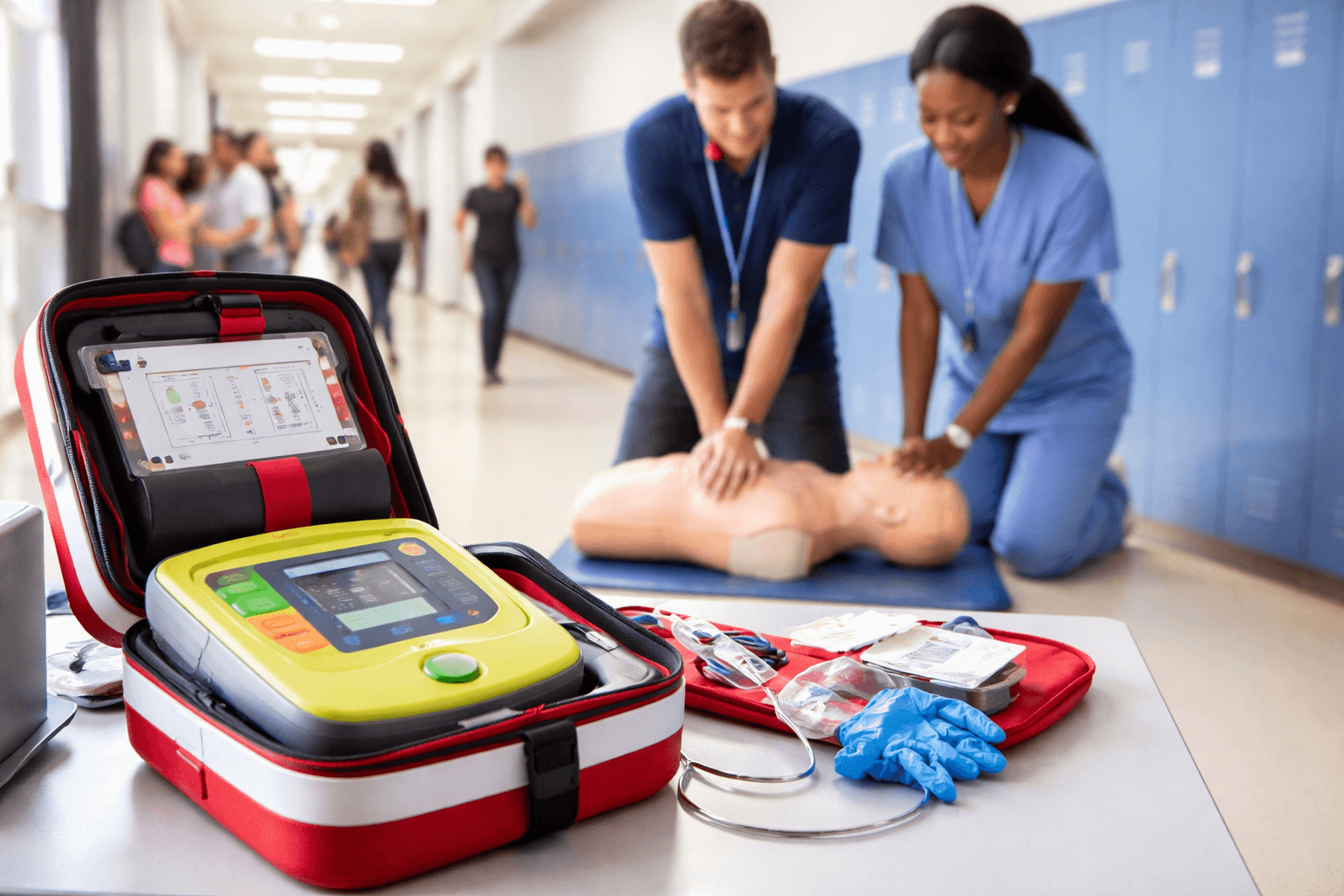
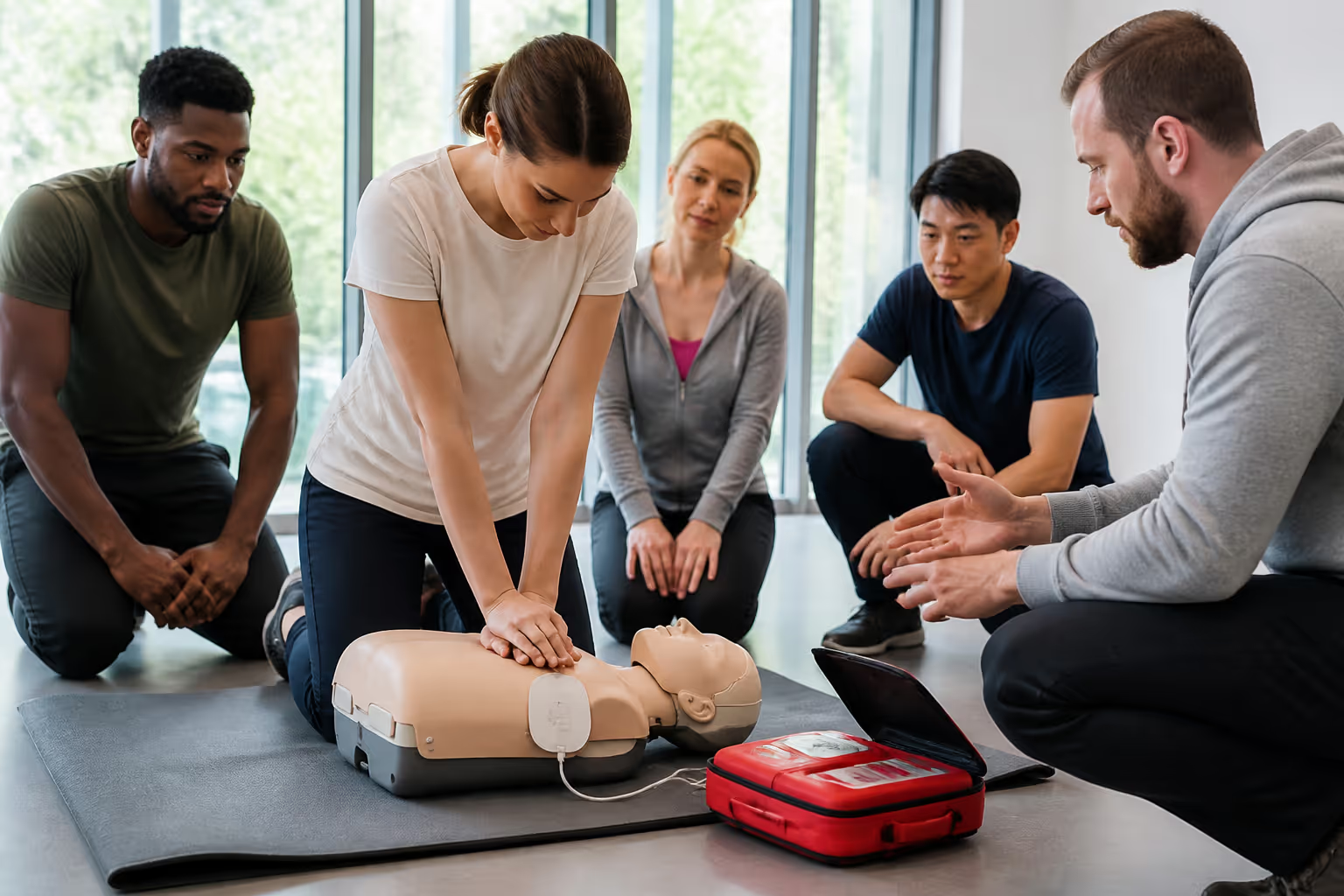
A quality CPR course usually covers scene safety, recognizing cardiac arrest, chest compressions, rescue breathing basics when appropriate, AED use, and common first aid priorities. The aim is to help participants build confidence, not complexity. Clear instruction and practice are especially important because emergencies are stressful and time matters.
People often find that a structured class helps turn general concern into practical readiness. Instead of wondering what to do, they learn a repeatable process for assessing the situation, calling for help, and taking the next step without delay.
Benefits of choosing CPR Certification Labs
At CPR Certification Labs, the focus is on straightforward instruction that supports real-world emergency response. Classes are designed for healthcare professionals and other learners who want clear guidance on CPR, AED use, and first aid basics in a professional setting.
For those in the Dayton and greater Cincinnati region, training is available through the Dayton - Centerville office. The location serves students from nearby communities who want a practical option for completing CPR education without unnecessary complication. If you are ready to schedule training, visit the Dayton - Centerville office page.
Local relevance for Cincinnati and nearby communities
Cincinnati’s health and safety conversations often extend across the river and through the Miami Valley, where families, employers, and clinical teams all depend on prompt emergency action. Events that highlight CPR and AED use can help more people in the region feel prepared to respond at home, in public places, or at work.
Nearby references such as the University of Cincinnati and Paycor Stadium are reminders that large gatherings and daily routines alike benefit from trained responders and accessible AEDs. Whether the setting is a sports venue, campus, office, or neighborhood center, preparedness is strongest when more people know what to do.
When to call 911
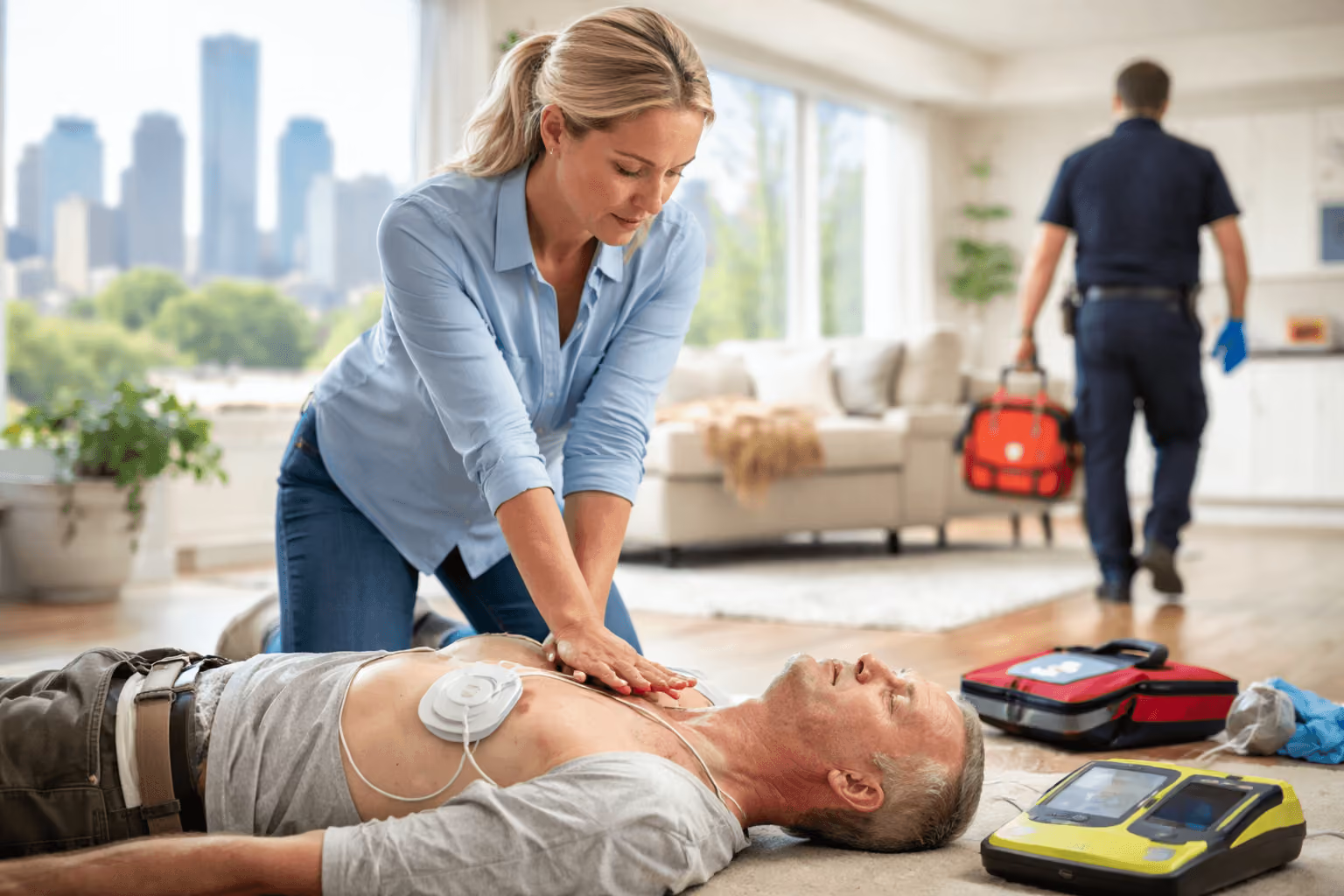
If someone is unresponsive, not breathing normally, or showing signs that suggest cardiac arrest, call 911 right away and begin CPR if you are trained to do so. If an AED is available, bring it to the scene and follow the device prompts. Quick action supports emergency response while professional rescuers are on the way.
This article is for general educational purposes only and is not a substitute for professional medical advice, diagnosis, treatment, or certified CPR training. In an emergency, call 911 immediately.
Hamlin’s Cincinnati visit is a reminder that CPR training in Cincinnati is more than a class topic. It is a practical community skill that helps people respond with confidence when seconds matter.
To learn more about local CPR, AED, and first aid training options, connect with CPR Certification Labs through the Dayton - Centerville office and take the next step toward being prepared.
About our Dayton - Centerville office
- Address: 2723 Miamisburg Rd, Suite 130
- Phone: (937) 550-8765
- Email: dayton@cprcertificationlabs.com
- Hours:
6am - 12am - 7 Days a Week!