Offer ends October 18.
This is some text inside of a div block.
Restart a Heart BLS Sale
RESTART99
Copy code

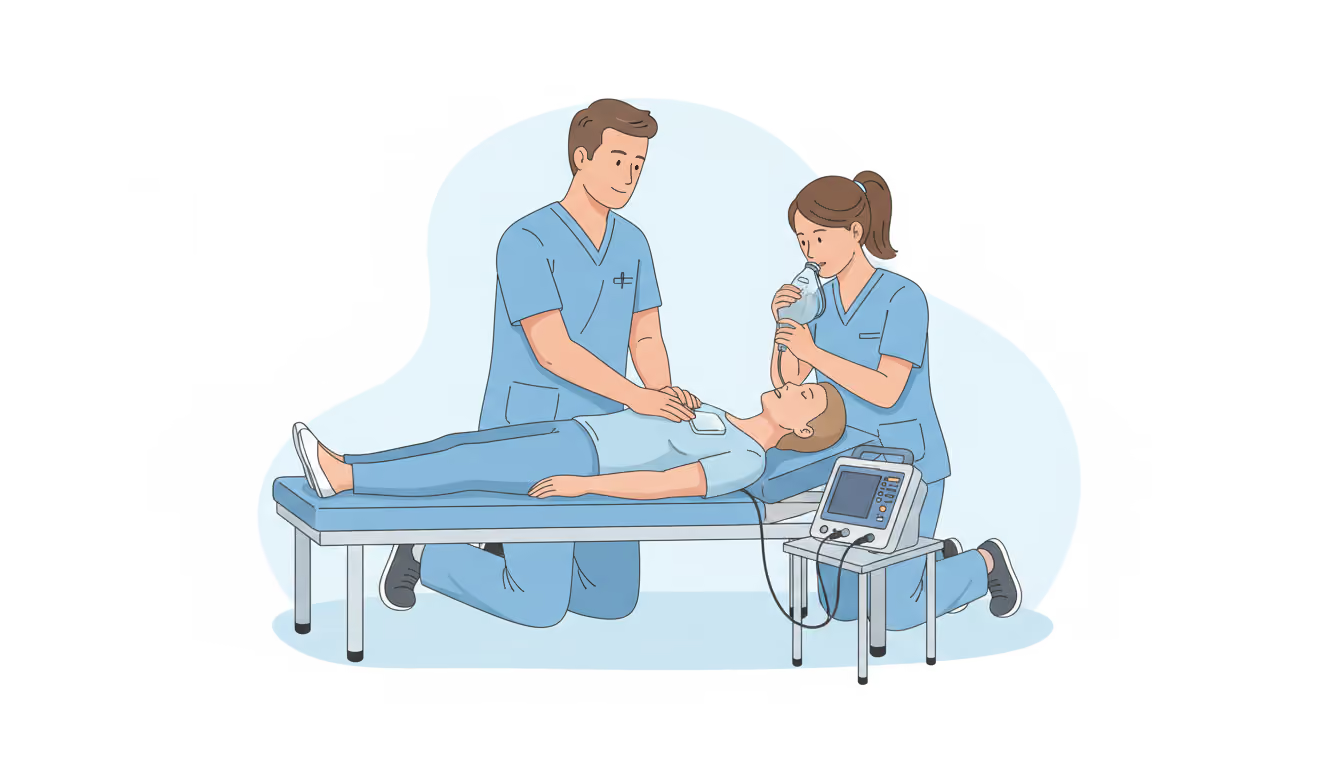
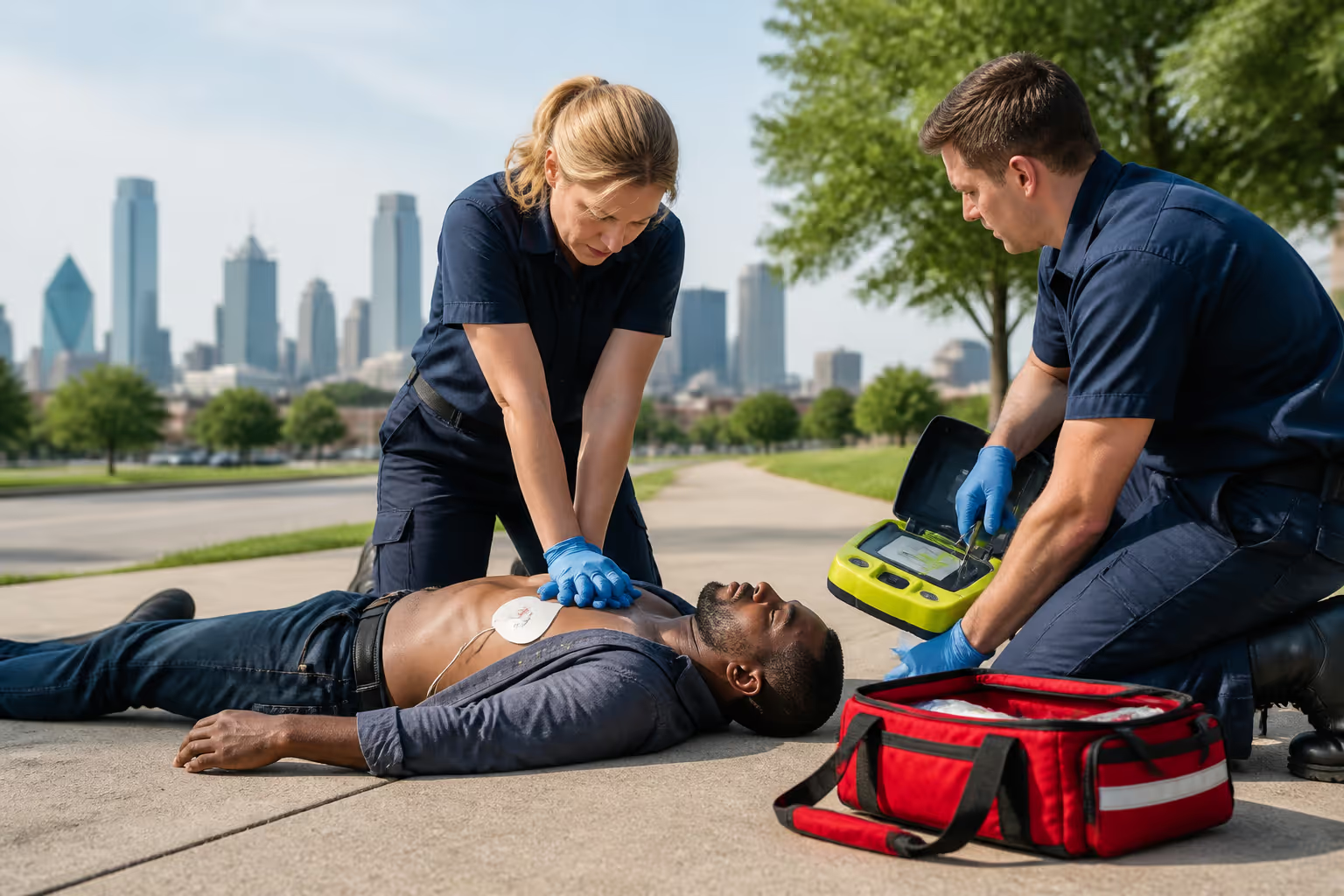
Emergency Code: Although there is no official definition for a "Code," medical professionals often use it informally to describe a patient experiencing cardiac or respiratory arrest. In such cases, a team of healthcare providers, known as a "code team," is quickly dispatched to the scene to begin urgent resuscitation efforts. The term "Code" originates from the practice in many facilities of using "Code" labels, often followed by colors, numbers (like "Code 10"), or other descriptors, to notify staff about emergencies and clarify their nature. For instance, "Code pink" frequently signals that a baby has gone missing from the hospital nursery.There are no universal standards or guidelines for implementing "Code" designations, allowing each institution to establish its own system. For example, while "Code blue" typically indicates a cardiopulmonary arrest in many hospitals, it may signify something different elsewhere. Other emergencies, such as bomb threats, terrorist activities, child abductions, or mass casualty events, might also be assigned specific "Code" labels.
CPR Certification Labs provides hands-on, American Heart Association–aligned CPR, BLS, ACLS, and PALS certification training to help providers master these life-saving skills.
Our technology delivers immediate, actionable feedback that refines your skills in real time.
Understand how to safely and effectively operate an Automated External Defibrillator (AED) for adults, children, and infants.
Learn how to perform the Heimlich maneuver and clear airway obstructions caused by choking in both adults and infants.
Gain experience working as part of a team when more than one rescuer is available during an emergency.
Receive your AHA CPR Certification E-Card on the same day you complete the class and pass the exam.

CPR Certification Labs provides professional CPR and emergency training courses based on recognized industry standards.