Offer ends October 18.
This is some text inside of a div block.
Restart a Heart BLS Sale
RESTART99
Copy code


Knee replacement surgery is a procedure where damaged sections of the knee joint are substituted with artificial components. During the operation, the muscles and ligaments around the knee are moved aside to allow access to the joint's interior. Surgeons remove the ends of the femur and tibia bones, and often the underside of the kneecap. The artificial components are then securely fixed in place. Typically, the new knee includes a metal cap on the femur, a combination of metal and plastic on the tibia, and occasionally a plastic piece in the kneecap. This surgery is generally performed on individuals, usually over 55, whose knees have been impaired by arthritis, injury, or other joint-damaging conditions, leading to severe pain, significant stiffness, instability, and deformity, such as knock-knees or bowlegs.
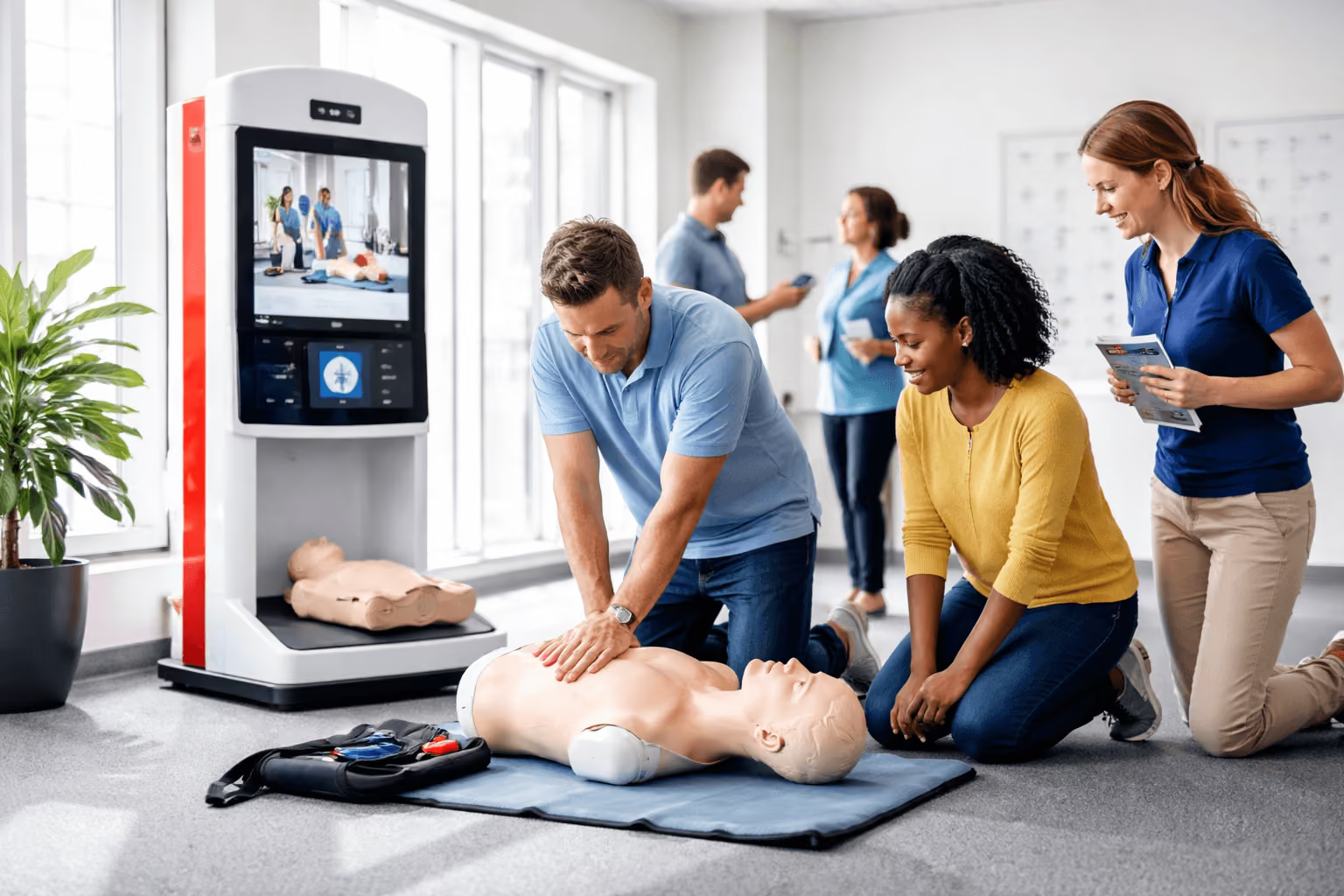
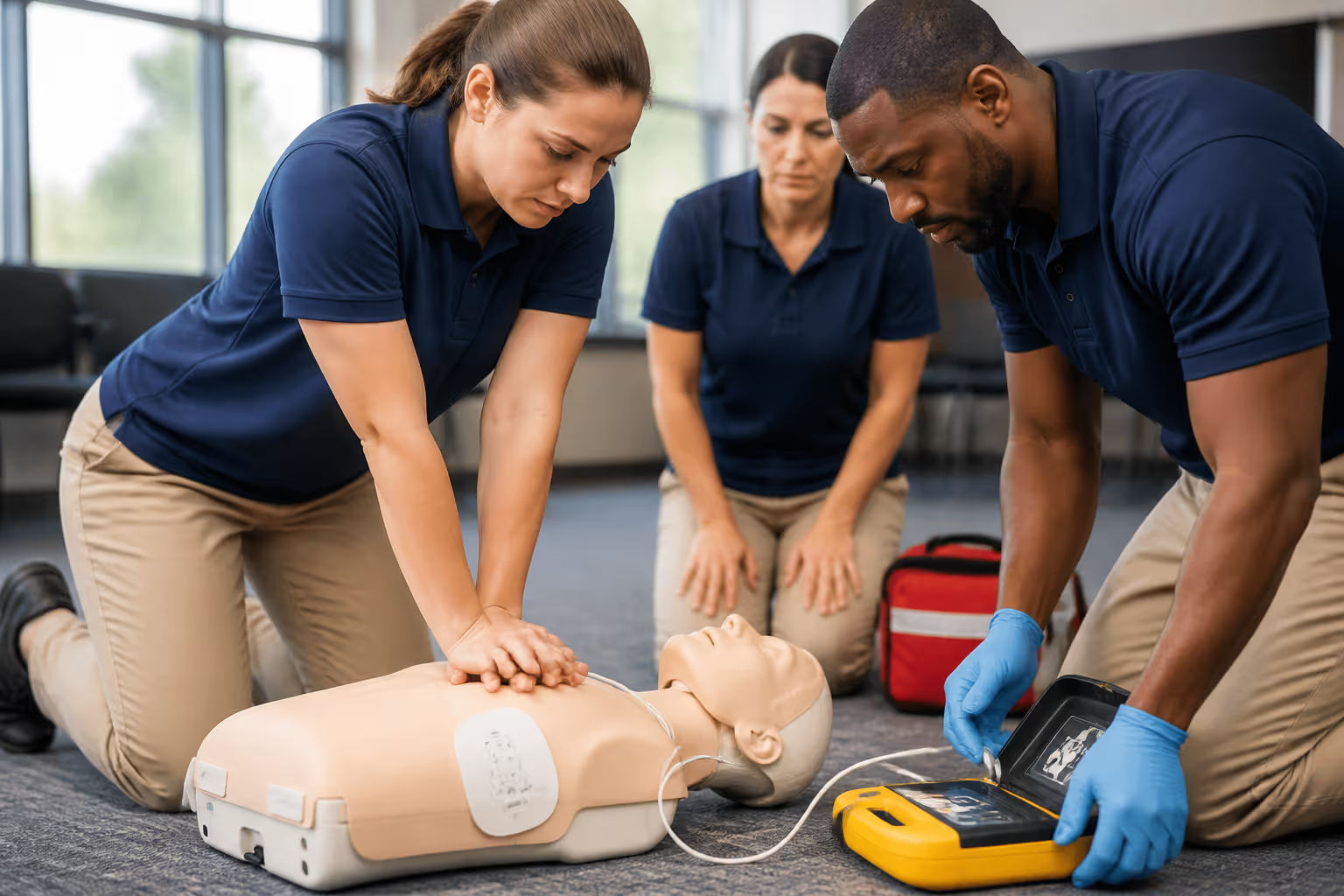
Our technology delivers immediate, actionable feedback that refines your skills in real time.
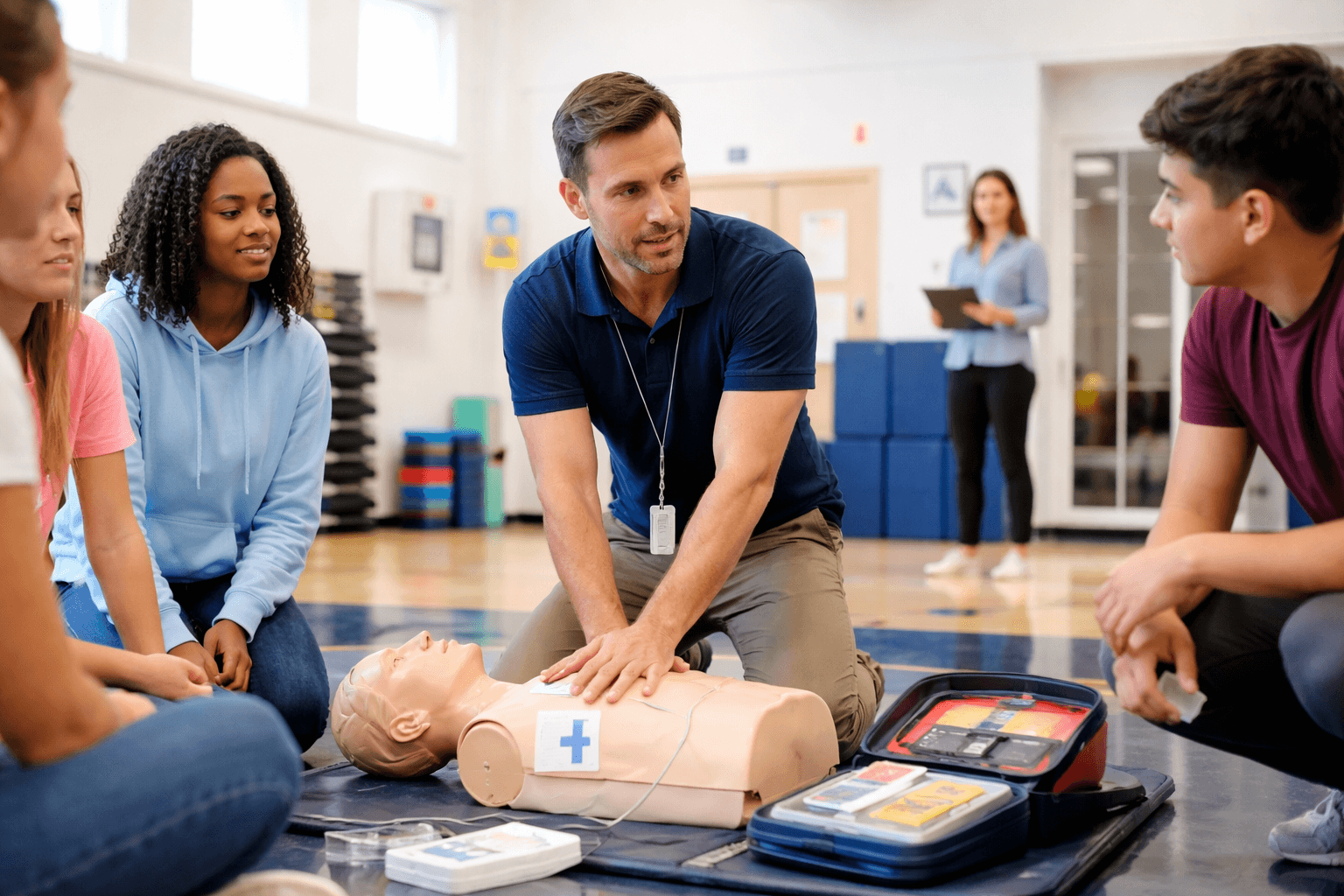
Understand how to safely and effectively operate an Automated External Defibrillator (AED) for adults, children, and infants.
Learn how to perform the Heimlich maneuver and clear airway obstructions caused by choking in both adults and infants.
Gain experience working as part of a team when more than one rescuer is available during an emergency.
Receive your AHA CPR Certification E-Card on the same day you complete the class and pass the exam.

CPR Certification Labs provides professional CPR and emergency training courses based on recognized industry standards.