Offer ends October 18.
This is some text inside of a div block.
Restart a Heart BLS Sale
RESTART99
Copy code

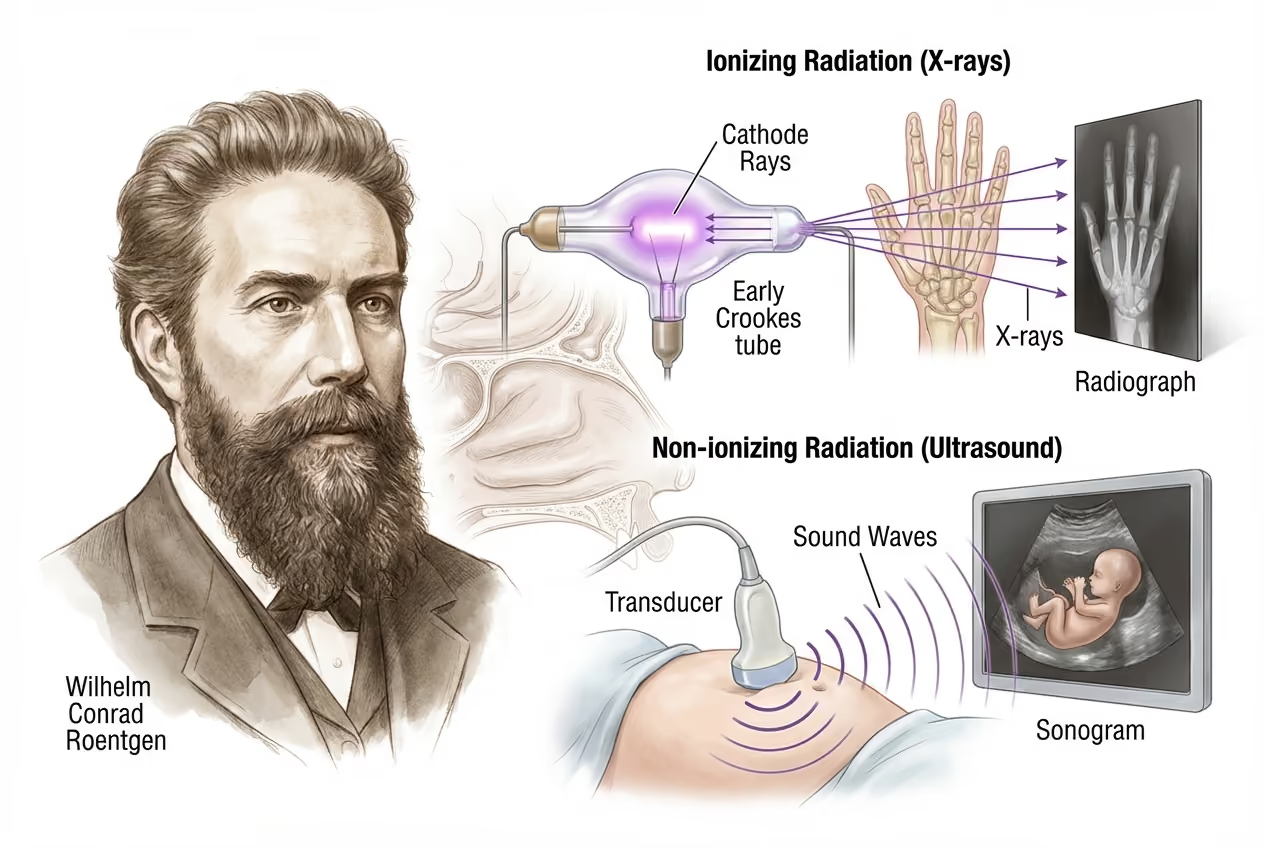
Radiology is the branch of science concerned with the application of both ionizing methods, such as X-rays, and nonionizing techniques, like ultrasound, for diagnosing and treating medical conditions. This field is named after Wilhelm Conrad Roentgen, the physicist who discovered X-rays. Roentgen, a German physics professor, aimed to demonstrate his theory that cathode rays could traverse materials other than air. The tale goes that upon realizing he could project the image of his thumb and forefinger bones onto a screen, he replaced the screen with a photographic plate and captured an X-ray image of his wife's hand. His findings, titled "On a New Kind of Rays," were published by the Physical-Medical Society of Wurzburg in December 1895.
Our technology delivers immediate, actionable feedback that refines your skills in real time.
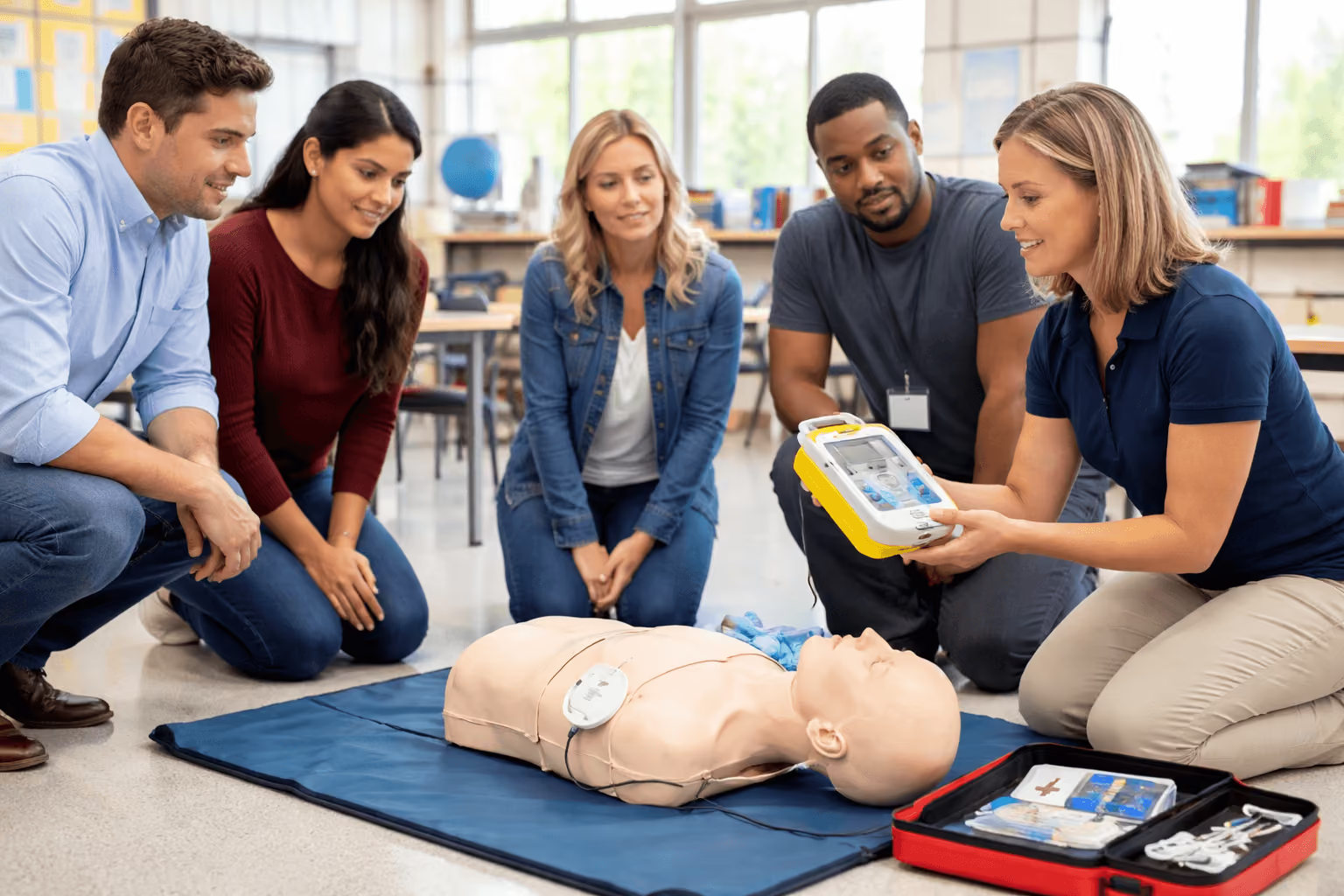
Understand how to safely and effectively operate an Automated External Defibrillator (AED) for adults, children, and infants.
Learn how to perform the Heimlich maneuver and clear airway obstructions caused by choking in both adults and infants.
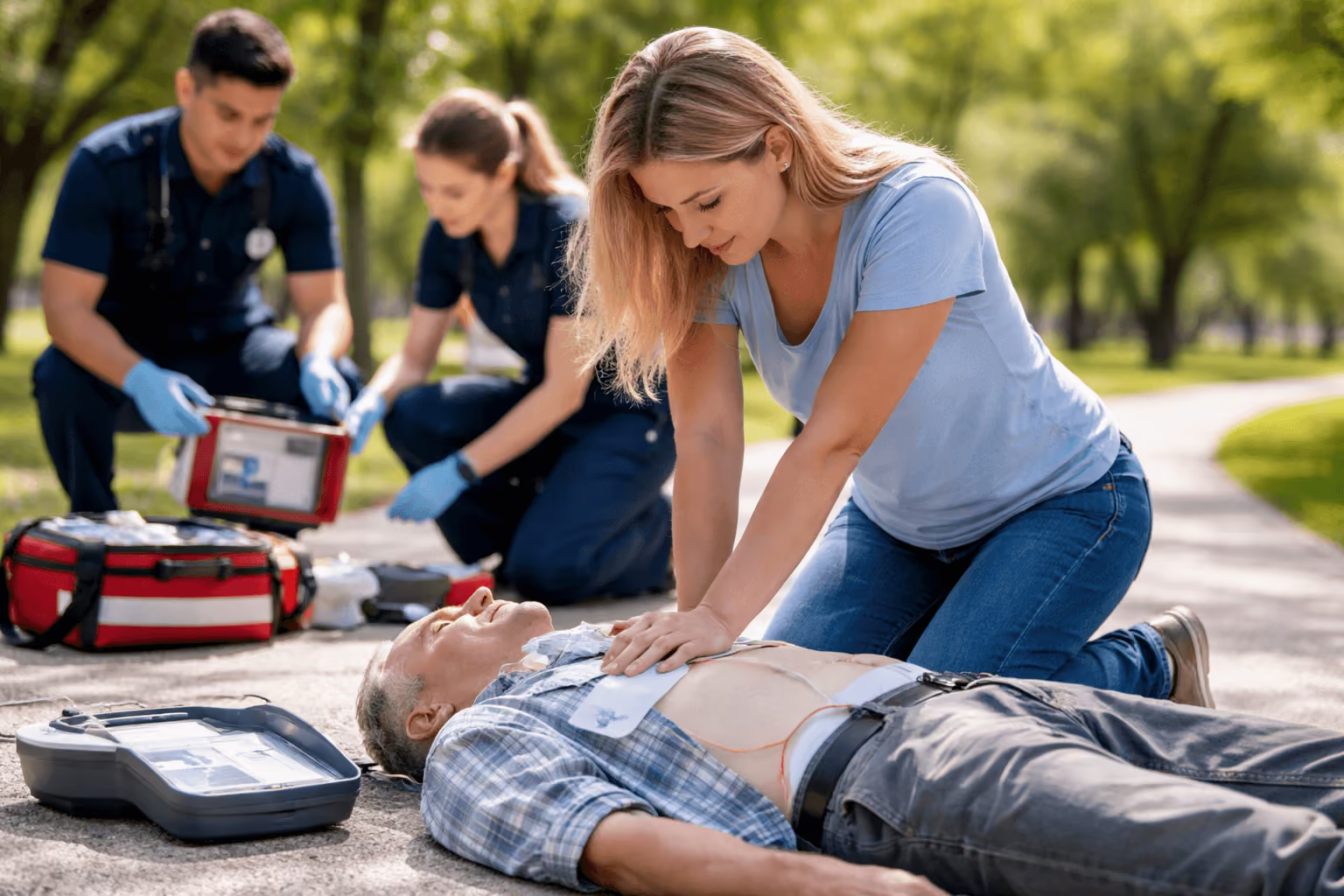
Gain experience working as part of a team when more than one rescuer is available during an emergency.
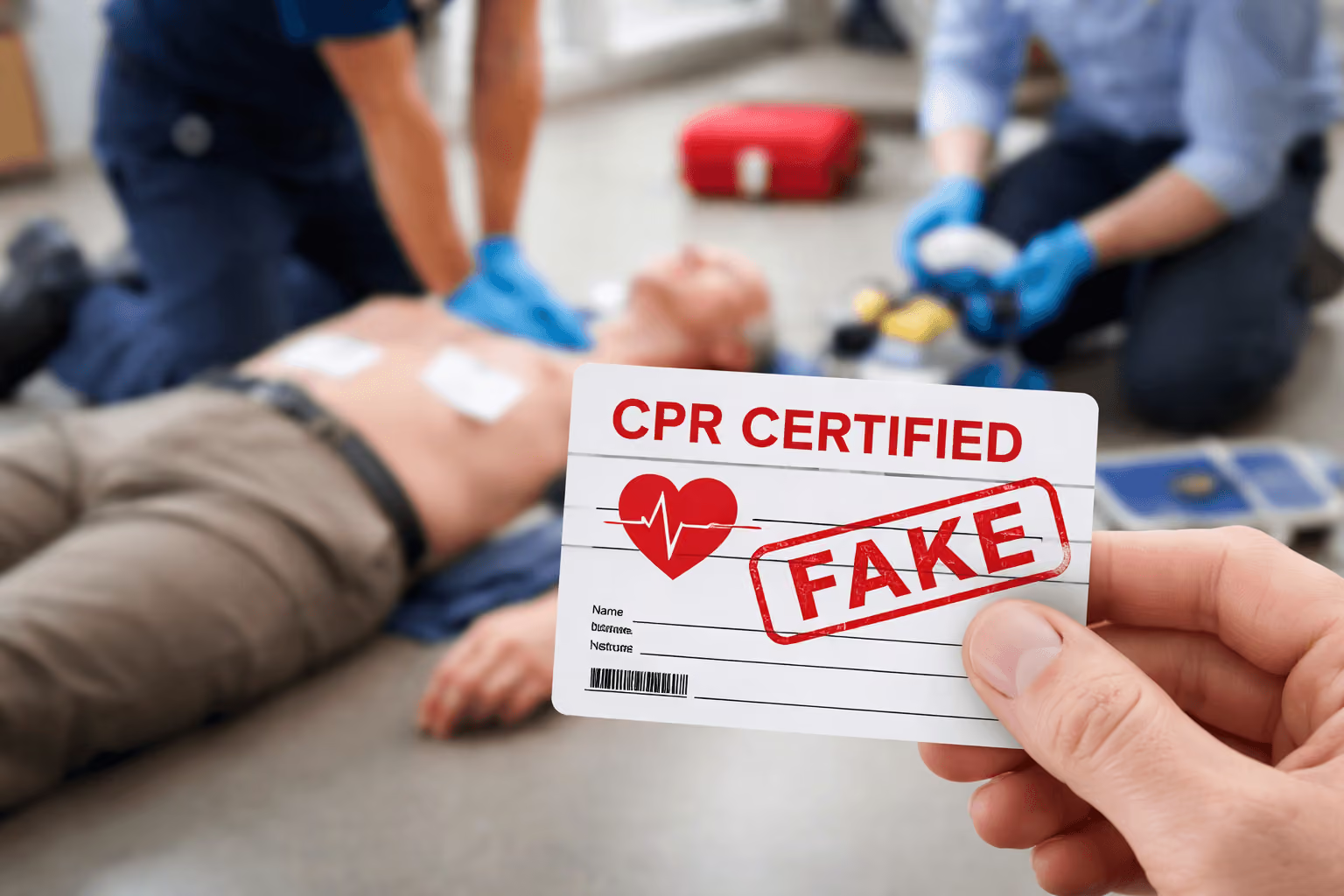
Receive your AHA CPR Certification E-Card on the same day you complete the class and pass the exam.

CPR Certification Labs provides professional CPR and emergency training courses based on recognized industry standards.