Offer ends October 18.
This is some text inside of a div block.
Restart a Heart BLS Sale
RESTART99
Copy code

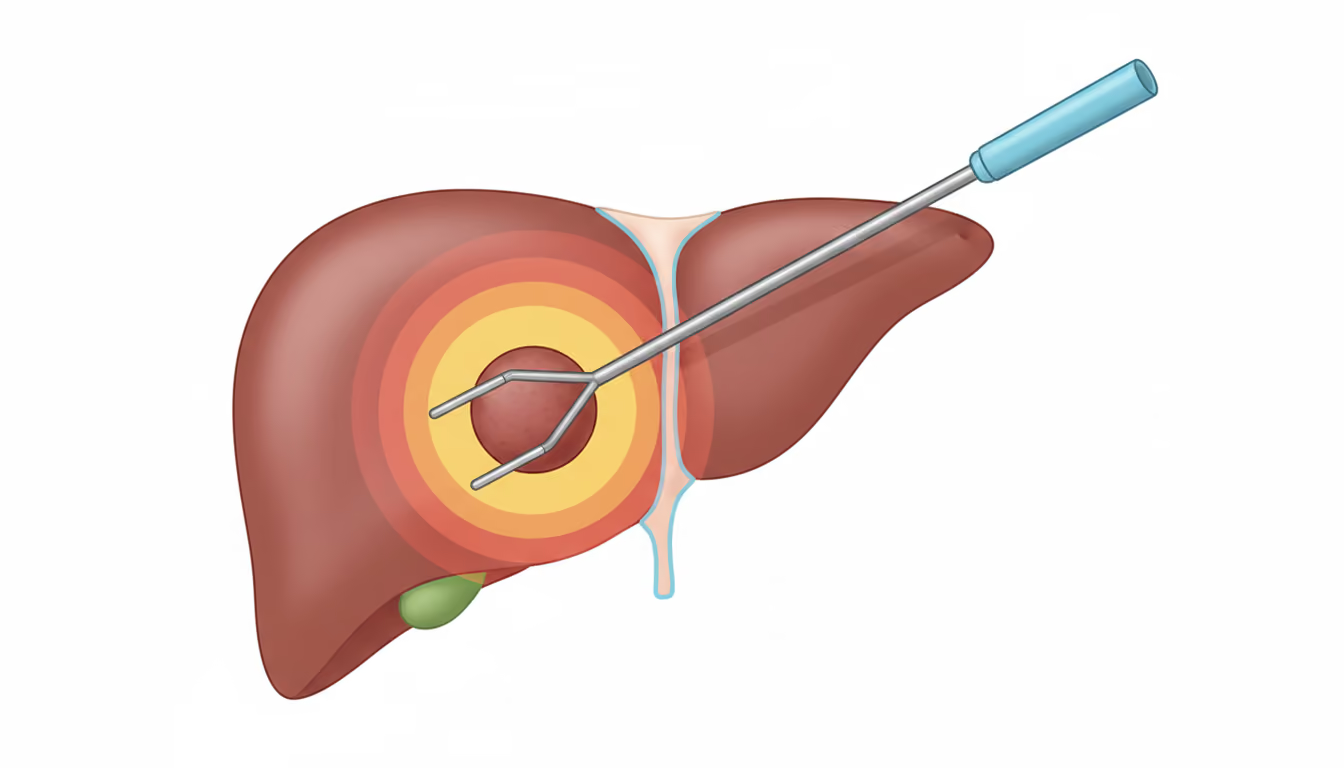
Radiofrequency ablation involves utilizing electrodes to produce heat and eliminate abnormal tissue. In this procedure, a high-frequency, alternating current is used to generate heat locally, which flows from the electrodes. A probe is inserted into the tumor's center, and the non-insulated prongs of the electrodes extend into the tumor. The heat produced causes the tissue around the probe to coagulate and melt, creating a sphere of necrotic tissue between 3 cm and 5.5 cm in diameter with each treatment session. The probe remains in position for approximately 10 to 15 minutes.Radiofrequency ablation is applied for thermal ablation in various areas, including the bone, liver, kidney, heart, breast, brain, lymph nodes, nerve ganglia, and soft tissue. Its clinical applications include treating abnormal heart rhythms (arrhythmias), tumors, osteoid osteoma, and nerve ganglion ablation. The cells destroyed by this method are not physically removed but are gradually replaced by fibrosis and scar tissue over time. The treated tissue contracts in the following months, and if the abnormal tissue reappears, it usually occurs at the periphery, allowing for potential retreatment.Heat has been employed in medicine throughout history. Ancient Hindu practitioners used heated metal rods to control bleeding, and the saying "what is not cured by the knife may be cured by fire" reflects this practice. Electrocautery has been used in surgery for decades to stop bleeding, coagulate blood vessels, and cut tissue. The radiofrequency ablation generator modifies this traditional technology slightly to disperse energy over a larger tissue area. As it heats the tissue, radiofrequency ablation also cauterizes it, minimizing blood loss. Treating the needle pathway further decreases the risk of bleeding.
CPR Certification Labs provides hands-on, American Heart Association–aligned CPR, BLS, ACLS, and PALS certification training to help providers master these life-saving skills.
Our technology delivers immediate, actionable feedback that refines your skills in real time.
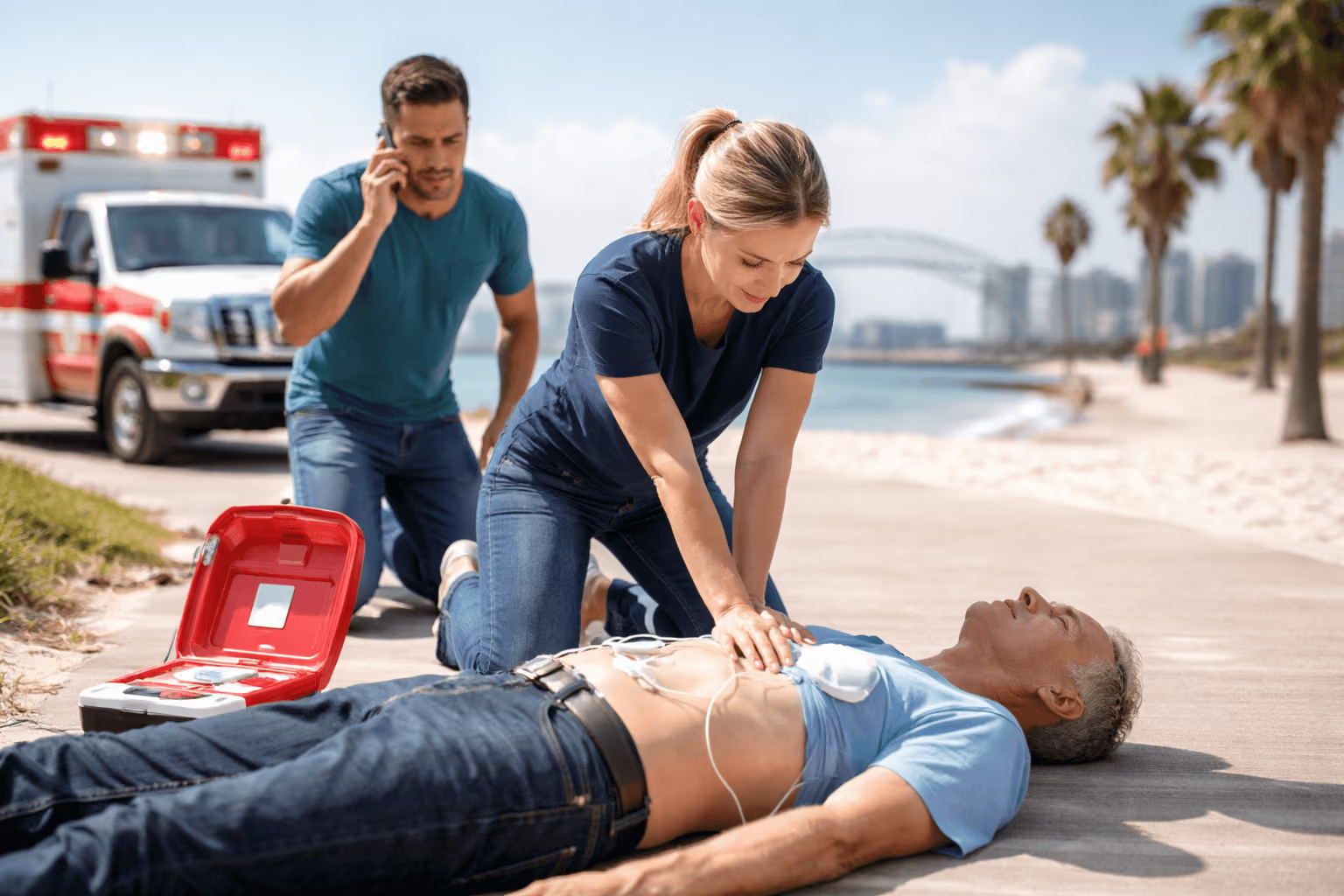
Understand how to safely and effectively operate an Automated External Defibrillator (AED) for adults, children, and infants.
Learn how to perform the Heimlich maneuver and clear airway obstructions caused by choking in both adults and infants.
Gain experience working as part of a team when more than one rescuer is available during an emergency.
Receive your AHA CPR Certification E-Card on the same day you complete the class and pass the exam.

CPR Certification Labs provides professional CPR and emergency training courses based on recognized industry standards.