Offer ends October 18.
This is some text inside of a div block.
Restart a Heart BLS Sale
RESTART99
Copy code

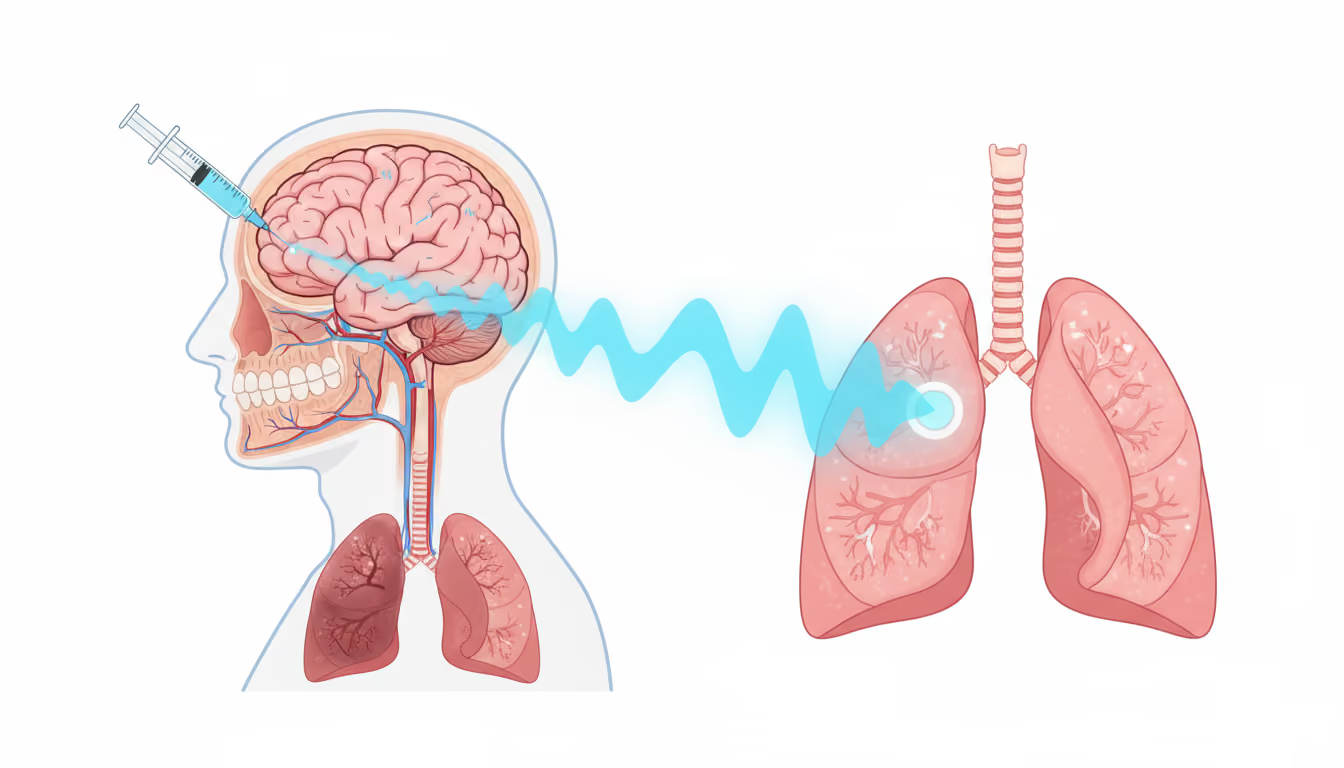
A non-shockable rhythm is a cardiac arrest rhythm that will not respond to defibrillation because there is no organized electrical activity for a shock to reset. The two non-shockable rhythms are asystole (a flatline, with no electrical activity) and pulseless electrical activity (PEA), in which electrical signals are present but produce no effective pulse.
Because a shock offers no benefit, treatment centers on uninterrupted high-quality CPR, administration of epinephrine, and a focused search for and correction of reversible causes (the Hs and Ts). Distinguishing non-shockable from shockable rhythms quickly and accurately is a fundamental skill, since it determines the entire treatment pathway during resuscitation.
CPR Certification Labs provides hands-on, American Heart Association–aligned CPR, BLS, ACLS, and PALS certification training to help providers master these life-saving skills.
Our technology delivers immediate, actionable feedback that refines your skills in real time.
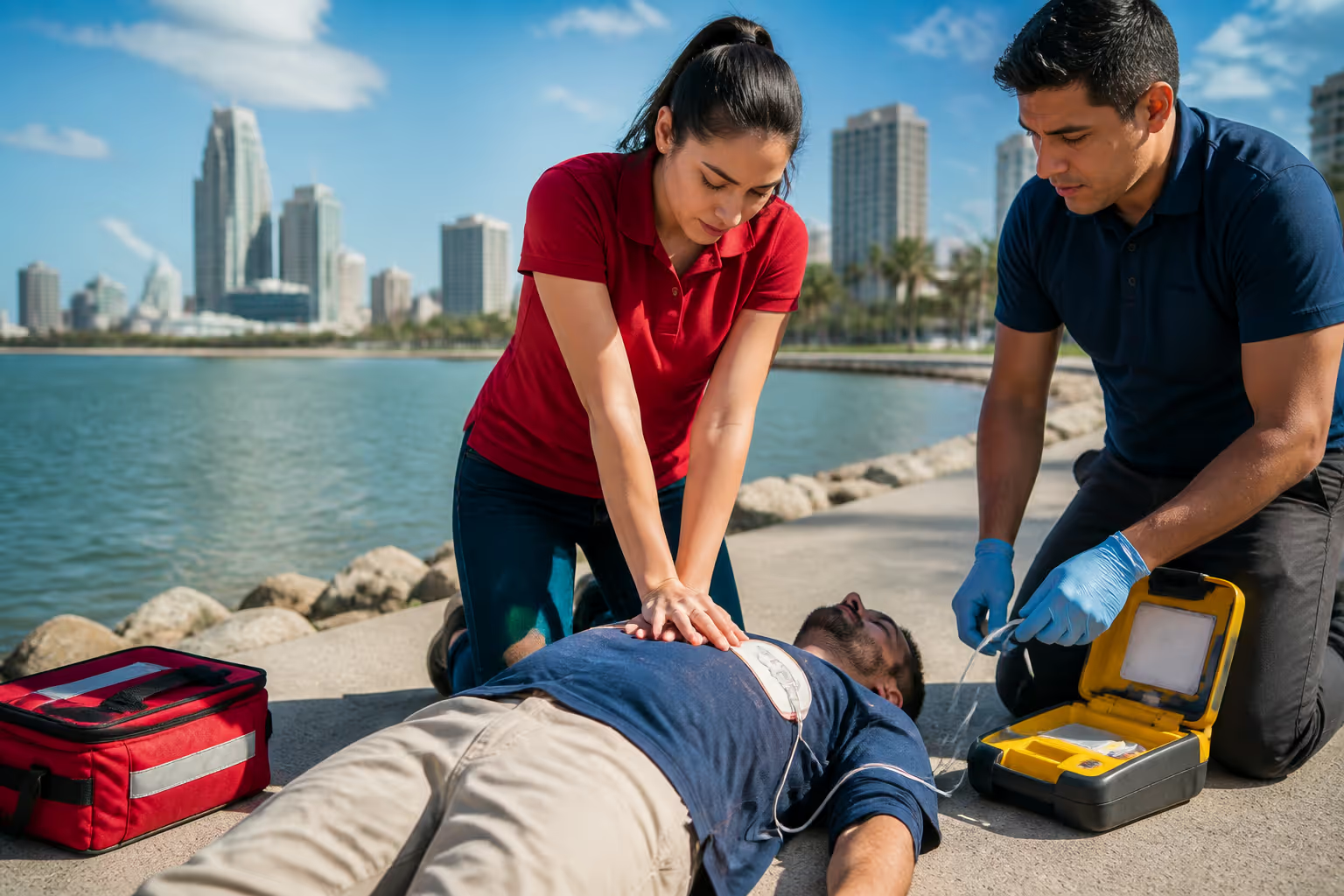
Understand how to safely and effectively operate an Automated External Defibrillator (AED) for adults, children, and infants.
Learn how to perform the Heimlich maneuver and clear airway obstructions caused by choking in both adults and infants.
Gain experience working as part of a team when more than one rescuer is available during an emergency.
Receive your AHA CPR Certification E-Card on the same day you complete the class and pass the exam.

CPR Certification Labs provides professional CPR and emergency training courses based on recognized industry standards.