Offer ends October 18.
This is some text inside of a div block.
Restart a Heart BLS Sale
RESTART99
Copy code


Enuresis refers to involuntary urination and can stem from various causes, such as kidney disorders or inadequate muscle control that governs urination. It is sometimes linked to neurological conditions like Tourette's syndrome, especially in children. Nocturnal enuresis, or nighttime bedwetting, might be connected to these factors or could indicate a sleep disorder. Treatment strategies encompass scheduled bathroom visits, enhanced awareness of the urge to urinate, and exercises to fortify the muscles responsible for controlling urination, like Kegel exercises. Other options include absorbent pads or specialized devices that alert individuals at the onset of wetness. Behavioral therapies and modification techniques can prove beneficial. In some cases, particularly for children older than five, prescription medications such as desmopressin tablets may also be effective. See also Bedwetting.
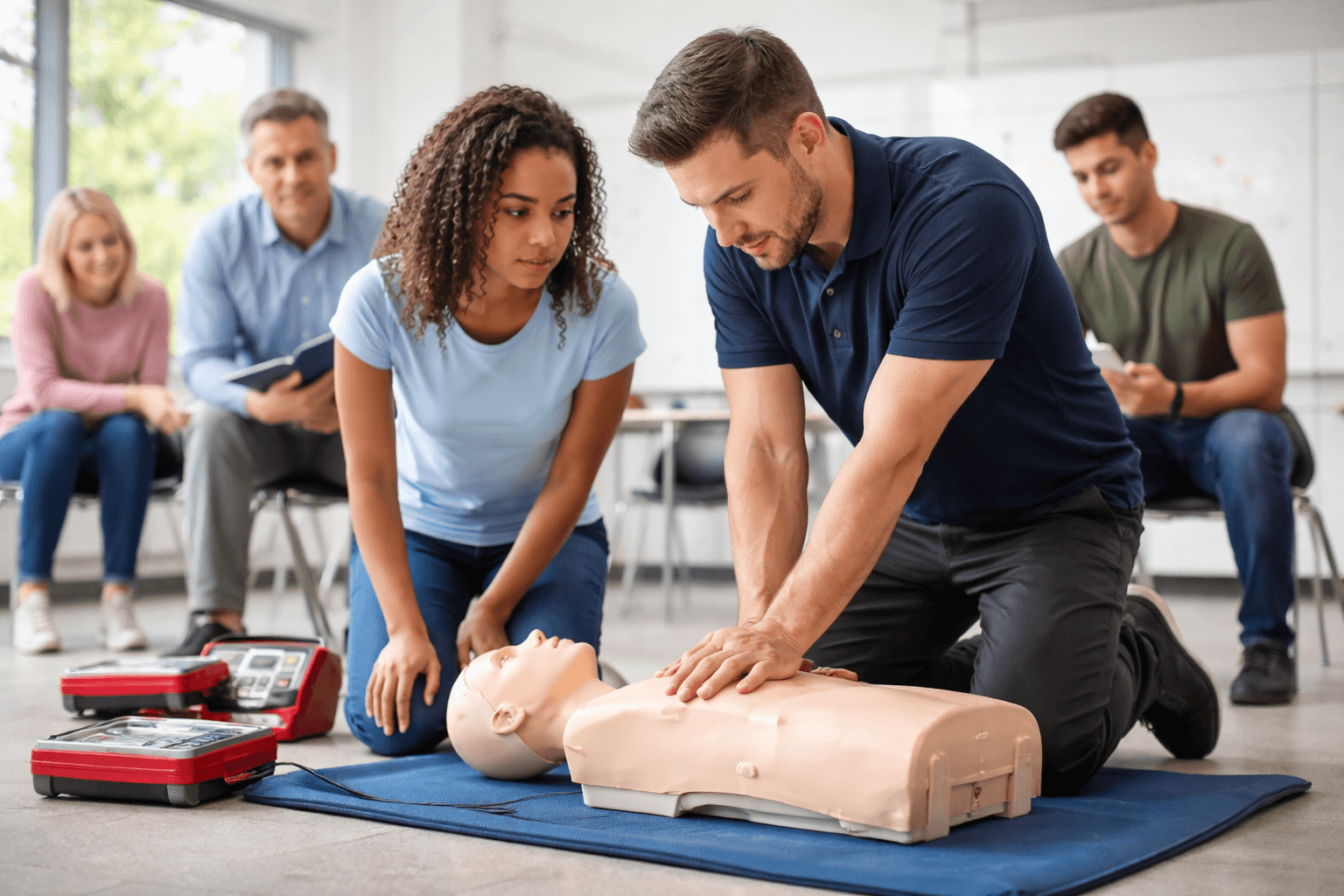
Our technology delivers immediate, actionable feedback that refines your skills in real time.
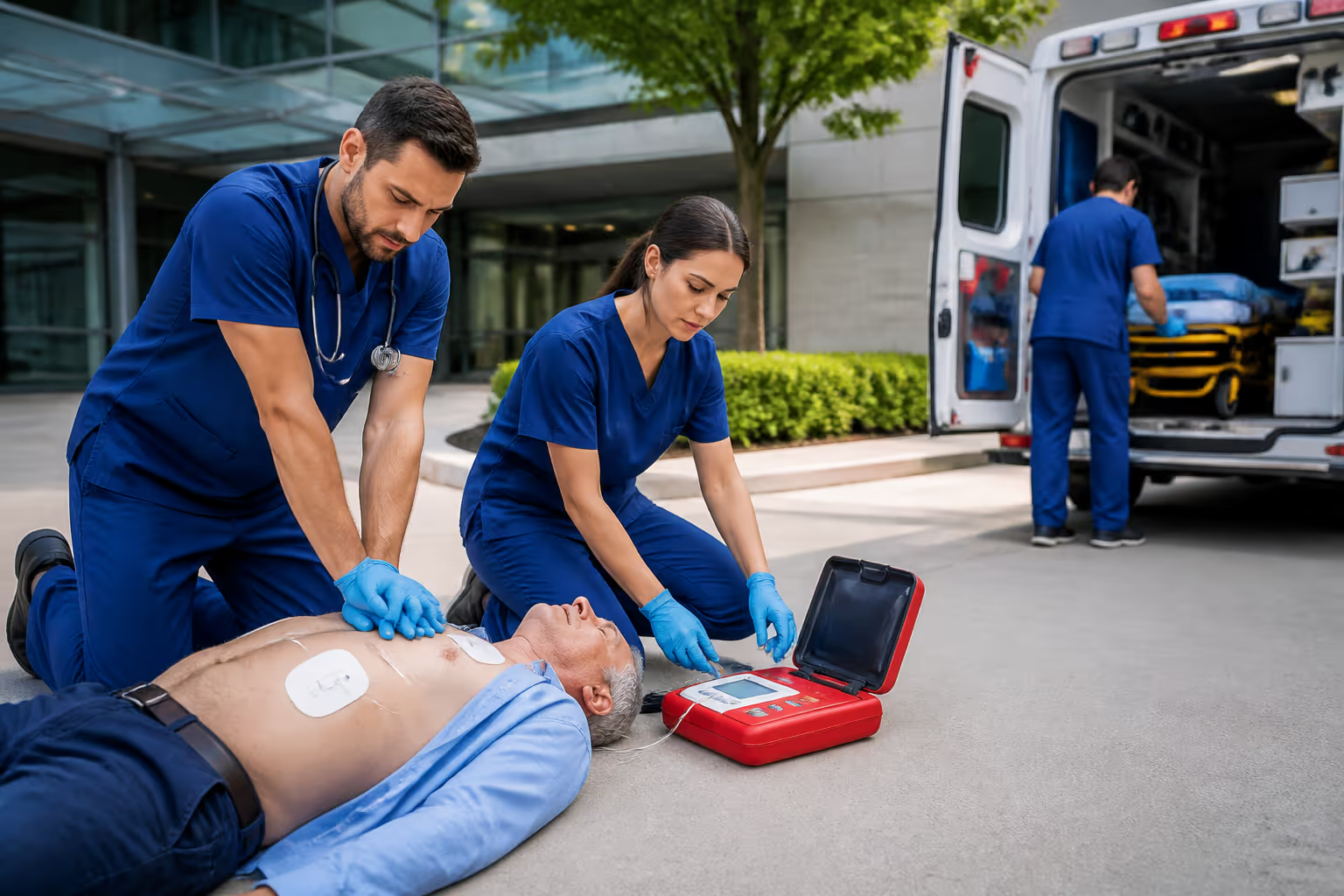
Understand how to safely and effectively operate an Automated External Defibrillator (AED) for adults, children, and infants.
Learn how to perform the Heimlich maneuver and clear airway obstructions caused by choking in both adults and infants.
Gain experience working as part of a team when more than one rescuer is available during an emergency.
Receive your AHA CPR Certification E-Card on the same day you complete the class and pass the exam.

CPR Certification Labs provides professional CPR and emergency training courses based on recognized industry standards.