Southlake heart attack response and why it matters locally
Southlake heart attack response is getting renewed attention as hospitals in Southlake and Grapevine expand cardiology services to address a long-standing countywide health concern. For families, employers, and healthcare teams in the area, the message is simple: heart emergencies require fast recognition, quick CPR, and reliable AED access.
Tarrant County has continued to rank heart disease among its leading causes of death, which makes local preparedness especially important. In a corridor where major hospitals sit only a few miles apart along SH 114, the focus is not just on advanced treatment inside the hospital. It is also on what happens in the first few minutes after someone collapses or shows signs of a cardiac emergency.
Local context: hospitals, EMS, and rapid response
Two nearby hospitals are investing more heavily in cardiology and heart attack care. Baylor Scott & White Medical Center-Grapevine is expanding its heart program into a new building, while Methodist Southlake Medical Center has built out a heart attack program that supports around-the-clock emergency response, catheterization lab care, and inpatient treatment.
That local investment matters because the chain of survival begins before a patient reaches the hospital. Southlake EMS has reported response times that remain well below the national average for heart attack calls, and the city has also updated a large number of AED units across public spaces. Together, those steps improve the odds that bystanders, first responders, and hospital teams can work quickly and in sequence.
For residents and workers in Southlake, Grapevine, and nearby communities, this is a reminder that cardiac emergencies are time-sensitive. Emergency response is not only a hospital issue. It is a community readiness issue.
What heart attack care looks like in Southlake and Grapevine
Modern heart attack care depends on coordination. Ambulance crews identify symptoms, relay information ahead of arrival, and help move patients to the right team as fast as possible. Hospitals then use specialized staff, imaging, and catheter-based procedures to restore blood flow when appropriate.
In practical terms, that means local hospitals are preparing for both advanced treatment and emergency stabilization. The expansion of heart services in Grapevine and the heart attack program in Southlake show a regional commitment to faster access, more specialized equipment, and better continuity of care.
That matters for more than just major events. Heart disease can affect patients with known risk factors, but it can also appear suddenly in people who are active, employed, and otherwise busy with daily life. A strong local response helps reduce delays when seconds count.
Who should pay attention to Southlake heart attack response
This issue is relevant to a wide range of people in the Southlake and Grapevine area:
- Healthcare workers who may be first to recognize a cardiac emergency
- Fitness instructors, coaches, and trainers who work around active adults
- Office managers and business owners responsible for workplace safety
- School staff and volunteers who may need to respond during an incident
- Drivers, commuters, and airport-area employees who spend time in public settings
- Families who want to be ready while waiting for EMS to arrive
In each of these settings, CPR and AED access can bridge the gap between collapse and definitive hospital care. That is especially important when the nearest help may be a few minutes away, even in a well-served city.
Why CPR and AED training still matter
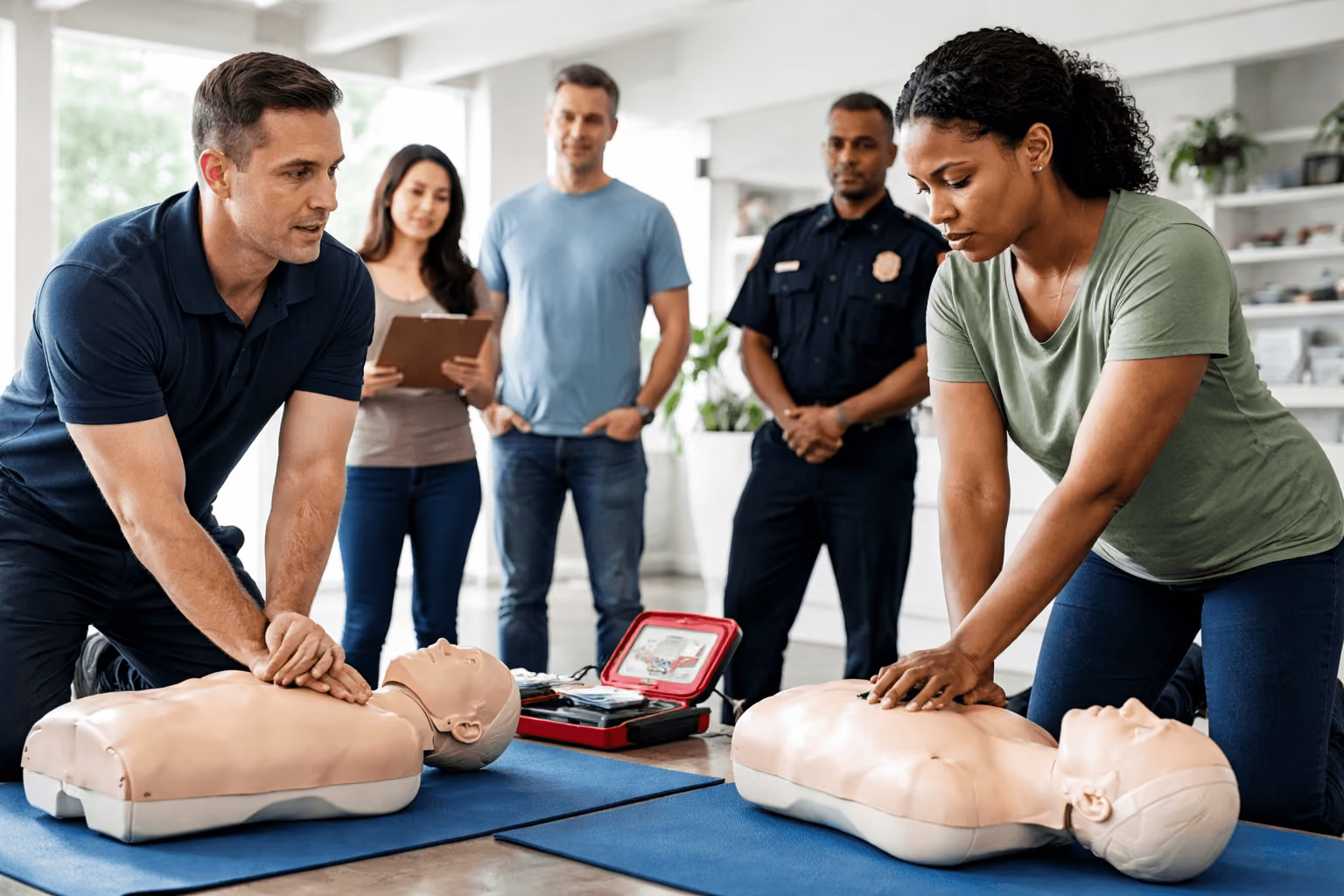
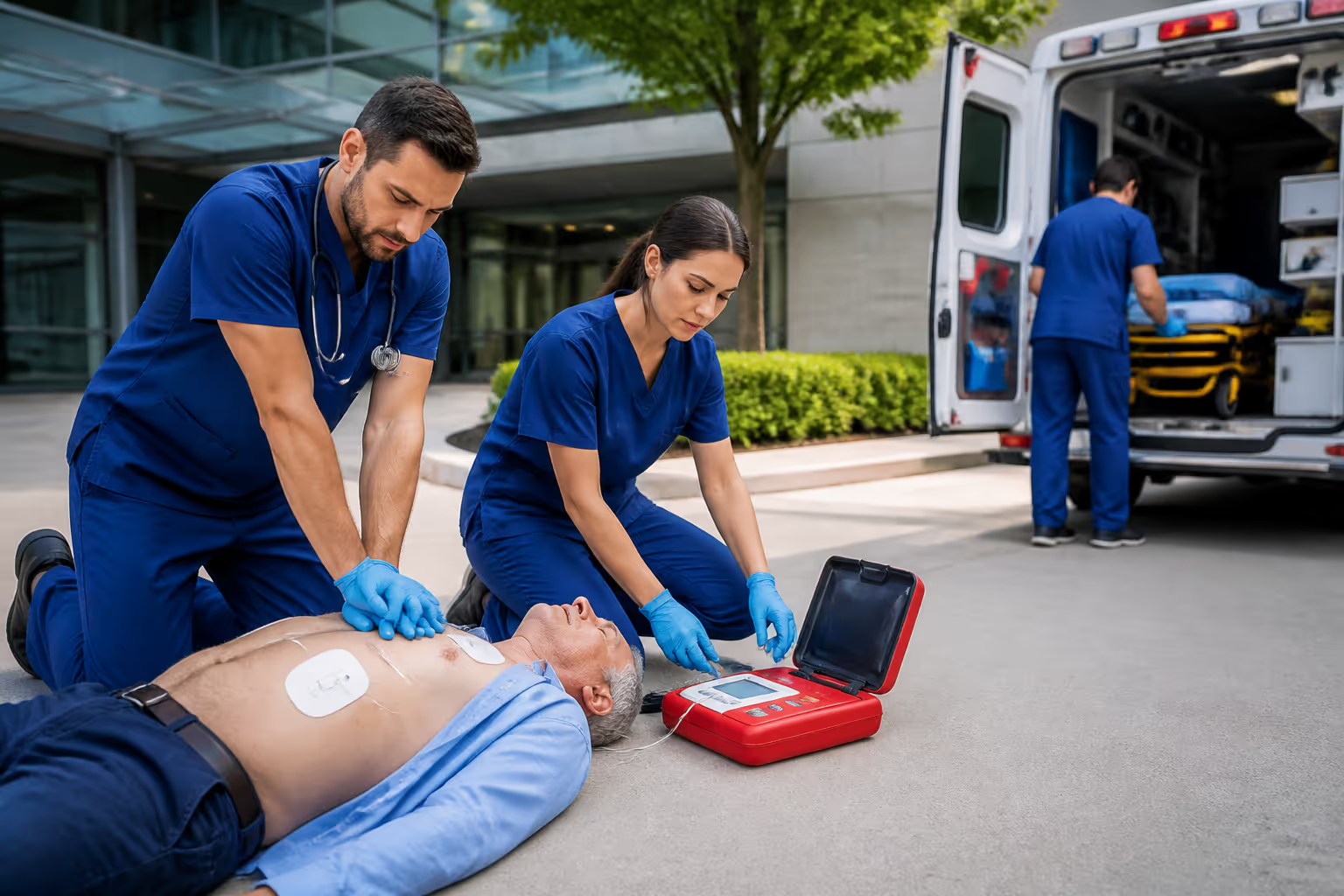
Hospitals can provide advanced cardiac care, but bystanders often make the first life-saving move. CPR helps maintain blood flow until EMS arrives, and an AED can analyze a dangerous rhythm and guide the rescuer through the next steps.
For adults with sudden collapse and no normal breathing, a trained response can buy time. That is why CPR education is valuable in workplaces, gyms, faith communities, and schools throughout Southlake and Grapevine. The goal is not to replace professional care. The goal is to keep a person alive long enough to reach it.
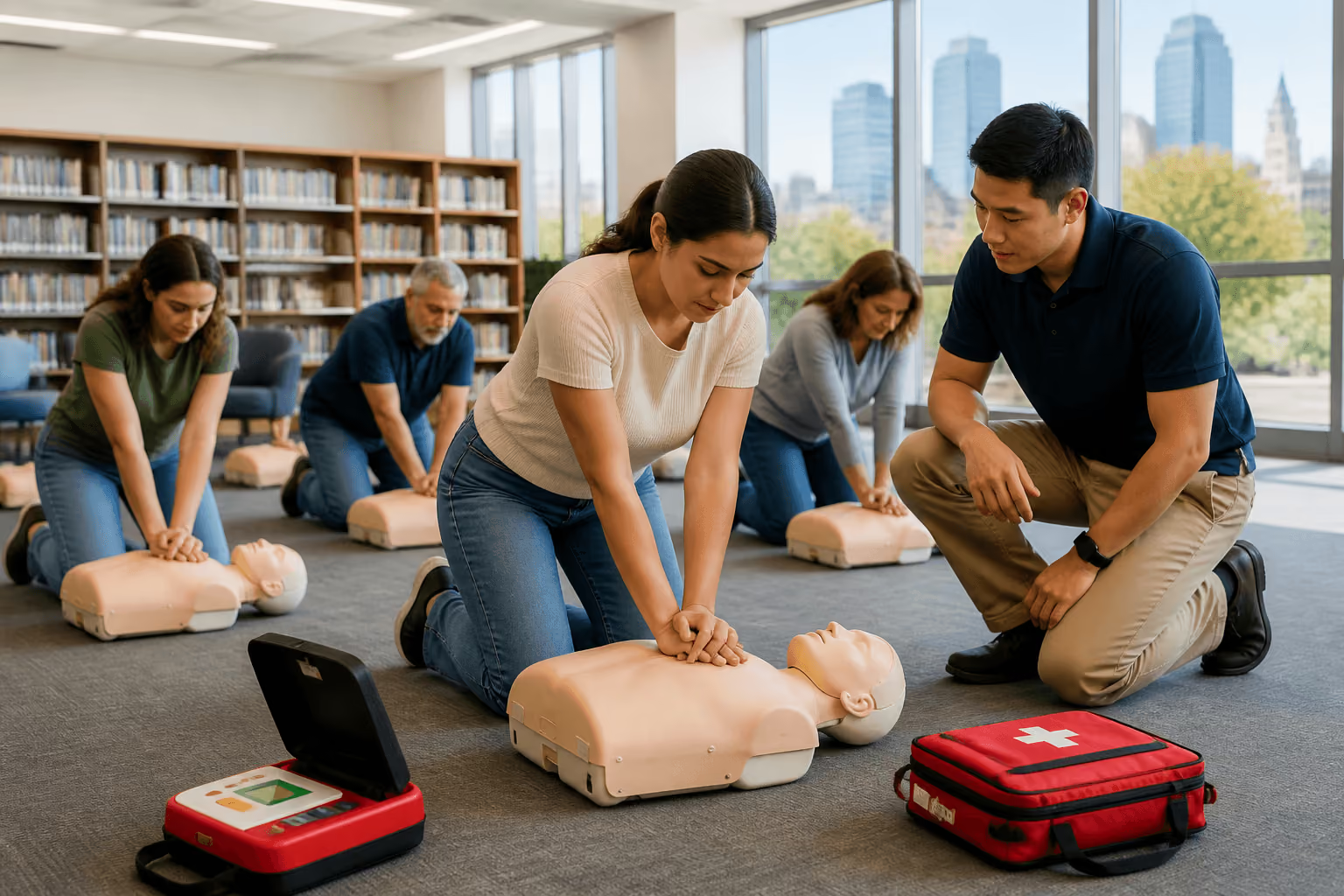
Good training also reduces hesitation. People who have practiced CPR and AED use are more likely to act quickly, follow instructions, and stay focused until paramedics arrive.
Practical emergency response steps
- Check for responsiveness and normal breathing
- Call 911 right away
- Start CPR if the person is unresponsive and not breathing normally
- Use an AED as soon as one is available
- Continue until EMS takes over or the person begins to recover
This article is for general educational purposes only and is not a substitute for professional medical advice, diagnosis, treatment, or certified CPR training. In an emergency, call 911 immediately.
Benefits of choosing CPR Certification Labs in Southlake
CPR Certification Labs helps local professionals build confidence with practical CPR, AED, first aid, and emergency response training. The Southlake office is located at 175 Miron Dr in Southlake, making it convenient for learners from Southlake, Grapevine, and surrounding communities who want focused instruction close to home.
Training is useful for healthcare staff, workplace safety teams, and anyone who may need to respond before an ambulance arrives. The office also offers broad scheduling availability, which can make it easier for busy teams to plan a course without disrupting work.
If you are looking to strengthen your team’s readiness after reading about Southlake heart attack response, you can learn more through the Southlake office page.
Nearby facilities and local awareness
Local awareness is reinforced by the medical footprint along SH 114. Baylor Scott & White Medical Center-Grapevine and Methodist Southlake Medical Center are both part of the area’s cardiac care network, and their continued investment sends a clear signal: heart emergencies are taken seriously here.
That same mindset should extend beyond the hospital walls. Knowing where the nearest AED is located, understanding how to recognize a possible cardiac event, and being ready to call 911 are everyday steps that support better outcomes.
For Southlake and Grapevine residents, the takeaway is straightforward. Better cardiology care is important, but so is the readiness of coworkers, neighbors, and family members. CPR and AED training help turn concern into action when every minute matters.
About our Southlake office
- Address: 175 Miron Dr
- Phone: (682) 339 7793
- Email: southlake@cprcertificationlabs.com
- Hours:
6am - 12am - 7 Days a Week!