Offer ends October 18.
This is some text inside of a div block.
Restart a Heart BLS Sale
RESTART99
Copy code


Xanthine: This compound is present in substances like theobromine and theophylline and is found in tea and colas. Chemically, xanthine is classified as a purine. A rare disorder called xanthinuria arises from a deficiency in the enzyme xanthine dehydrogenase, which is essential for metabolizing xanthine in the body. If not properly managed, xanthinuria can result in the formation of xanthine stones, leading to kidney disease, and can also cause muscle disease due to xanthine deposits in the muscles. Management involves avoiding foods and beverages that contain xanthine derivatives, such as coffee, tea, and colas. The term "xanthine" is derived from the Greek word "xanqos," meaning yellow, because it forms yellow salts and its solution exhibits a blue fluorescence similar to that of quinine.
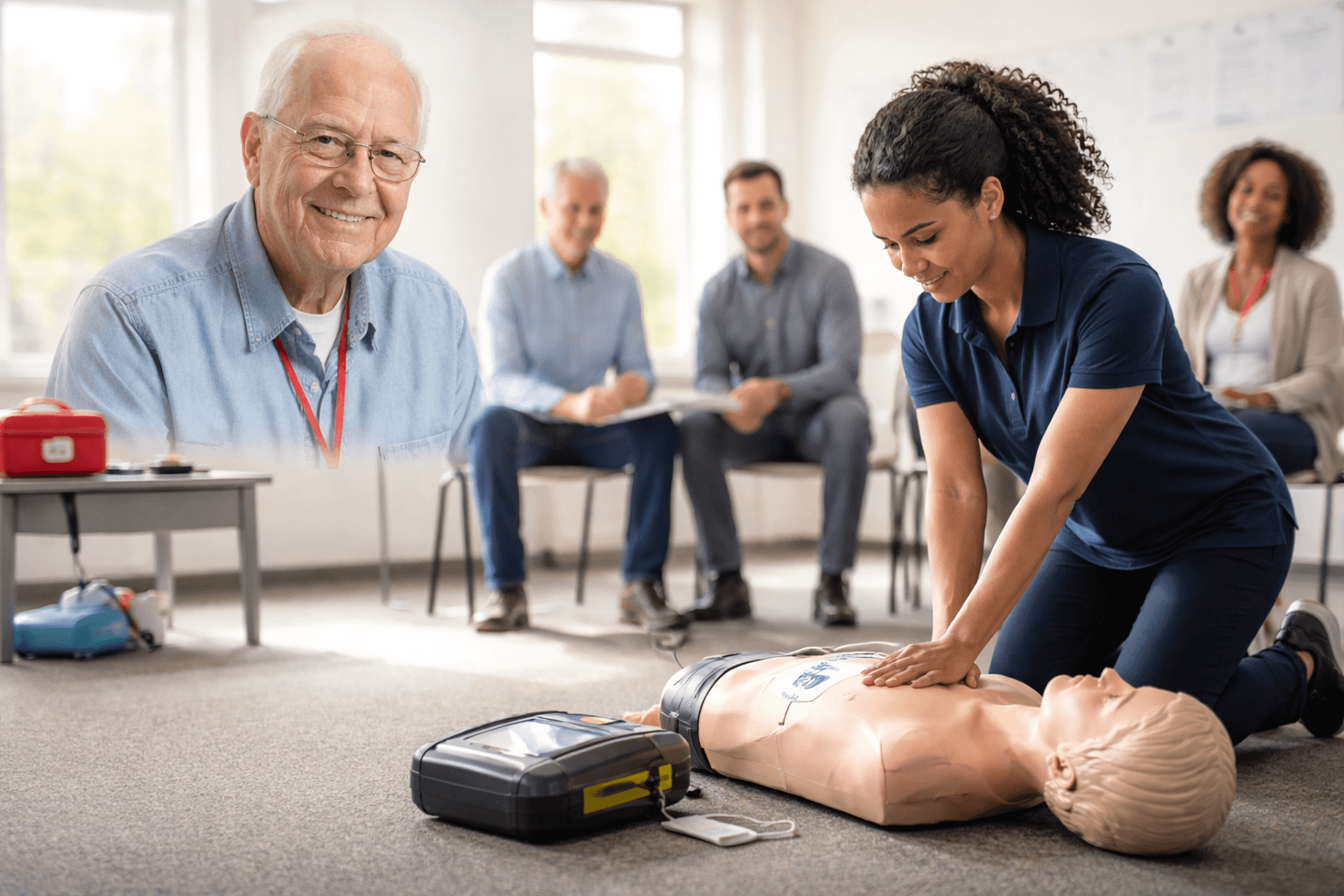
Our technology delivers immediate, actionable feedback that refines your skills in real time.
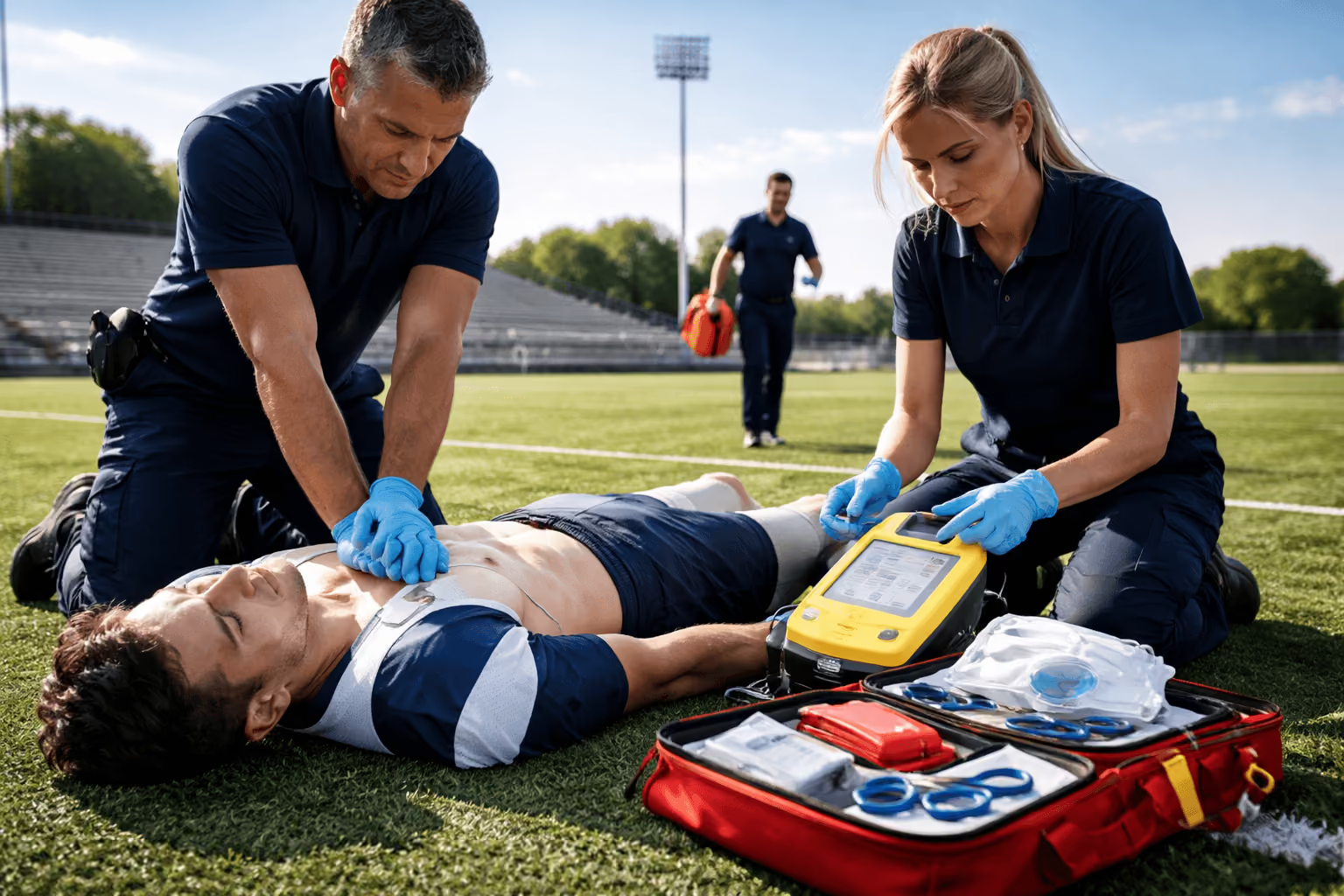
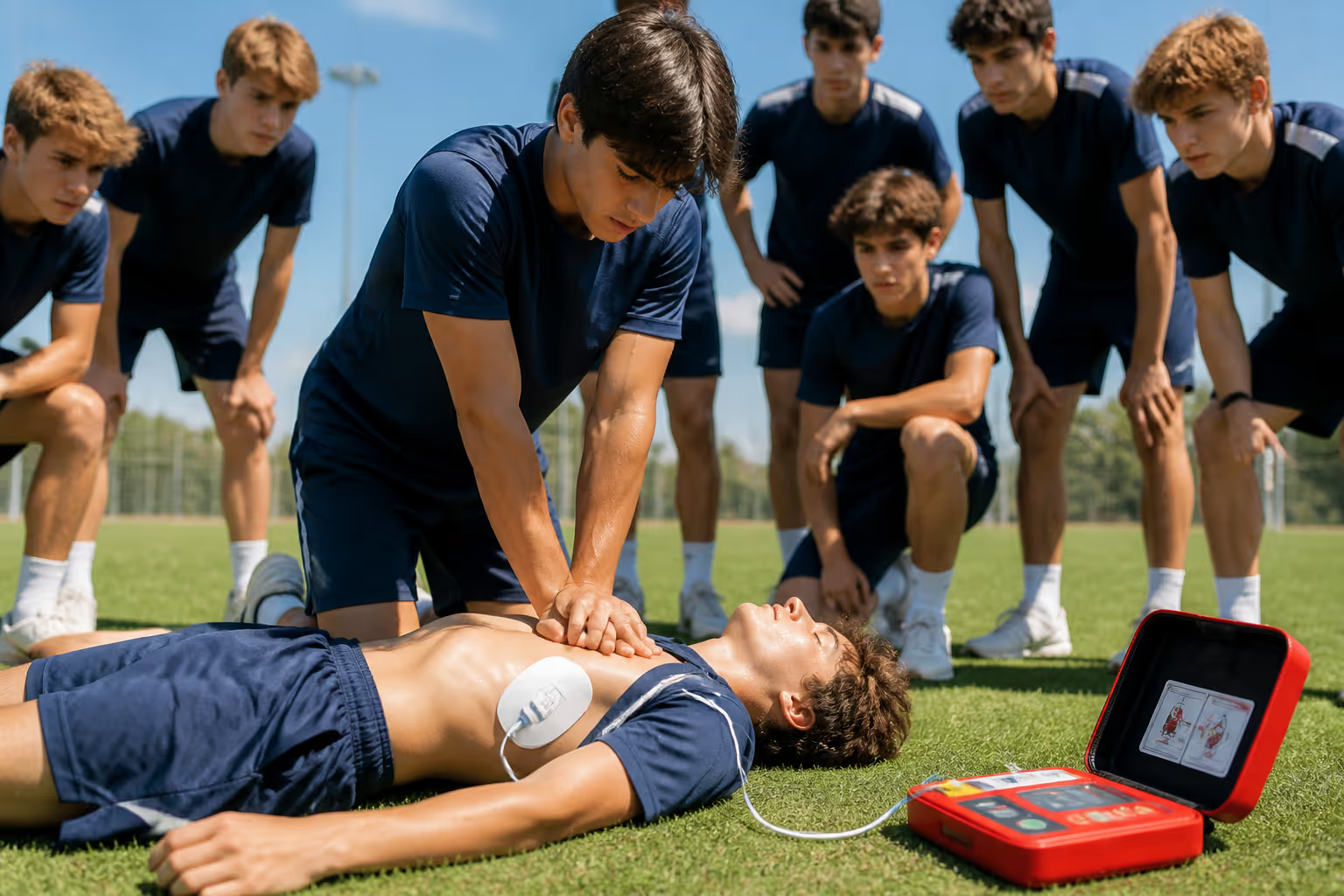
Understand how to safely and effectively operate an Automated External Defibrillator (AED) for adults, children, and infants.
Learn how to perform the Heimlich maneuver and clear airway obstructions caused by choking in both adults and infants.
Gain experience working as part of a team when more than one rescuer is available during an emergency.
Receive your AHA CPR Certification E-Card on the same day you complete the class and pass the exam.

CPR Certification Labs provides professional CPR and emergency training courses based on recognized industry standards.