Offer ends October 18.
This is some text inside of a div block.
Restart a Heart BLS Sale
RESTART99
Copy code

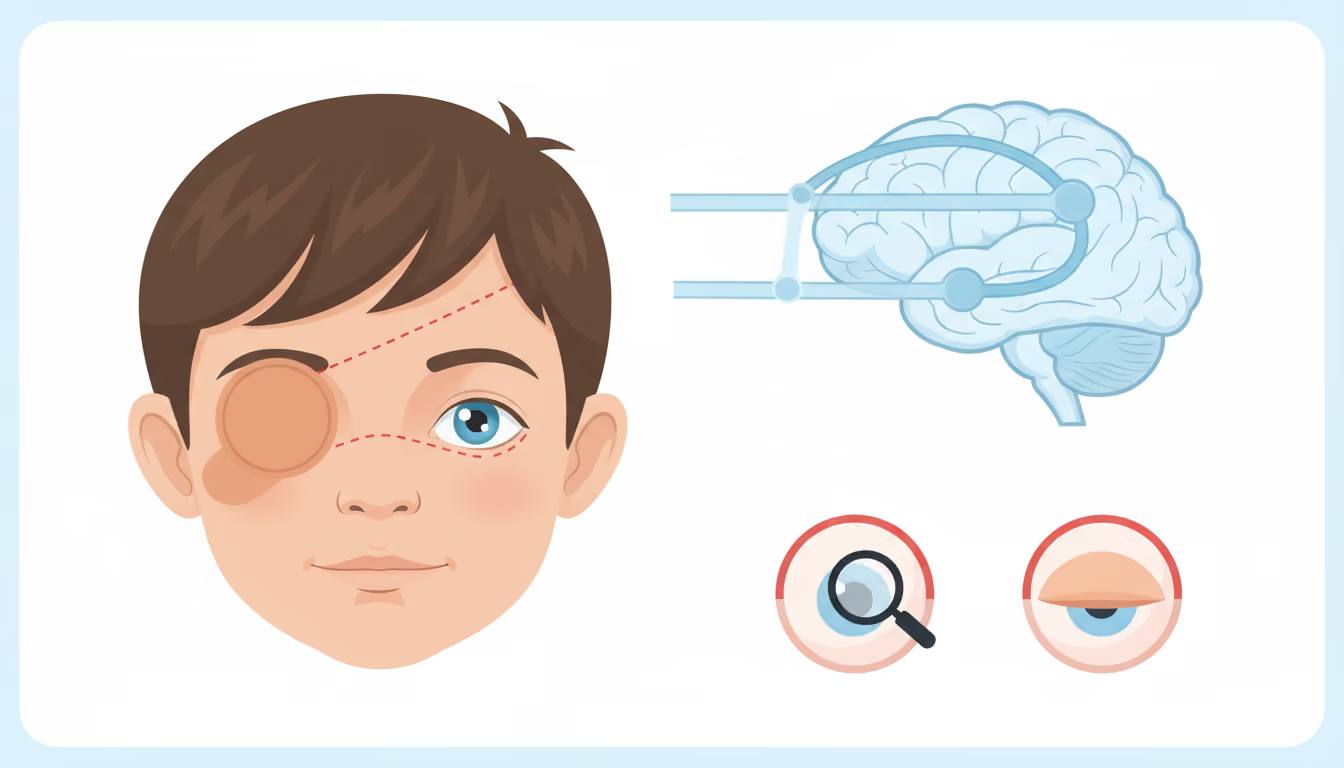
Amblyopia refers to the partial or total loss of vision in one eye, arising from conditions that disrupt normal visual development. Such conditions include strabismus, where the eyes are misaligned either crossing inward (esotropia) or turning outward (exotropia). Another cause is a significant difference in refractive error between the eyes, such as from farsightedness or astigmatism. Less frequently, amblyopia can result from ptosis (drooping of an eyelid), diseases that block light from entering the eye, or eye injuries in young children.In cases of amblyopia, the brain prioritizes one eye, neglecting the other. This lack of stimulation hinders the normal maturation of visual brain cells. Amblyopia is the leading cause of monocular blindness, which is partial or complete blindness in one eye, affecting 2 to 3% of children in the United States.To treat strabismus, surgery might be needed to correct the imbalance in eye muscles. Severe refractive errors should be addressed with glasses, contact lenses, or possibly LASIK surgery. A traditional treatment for amblyopia involves wearing an eye patch over the dominant eye. Another method is using eye drops to temporarily blur the vision in the stronger eye. Weekend atropine has been shown to improve vision to a similar degree as daily atropine in treating moderate amblyopia.The term "amblyopia" is sometimes mistakenly used interchangeably with other conditions. "Amblyopia" derives from the Greek "amblys," meaning blunt, dull, faint, or dim, and "-opia," meaning eye, thus literally translating to "dim vision."See also: Anisometropia; Nocturnal amblyopia; Strabismus.
Our technology delivers immediate, actionable feedback that refines your skills in real time.
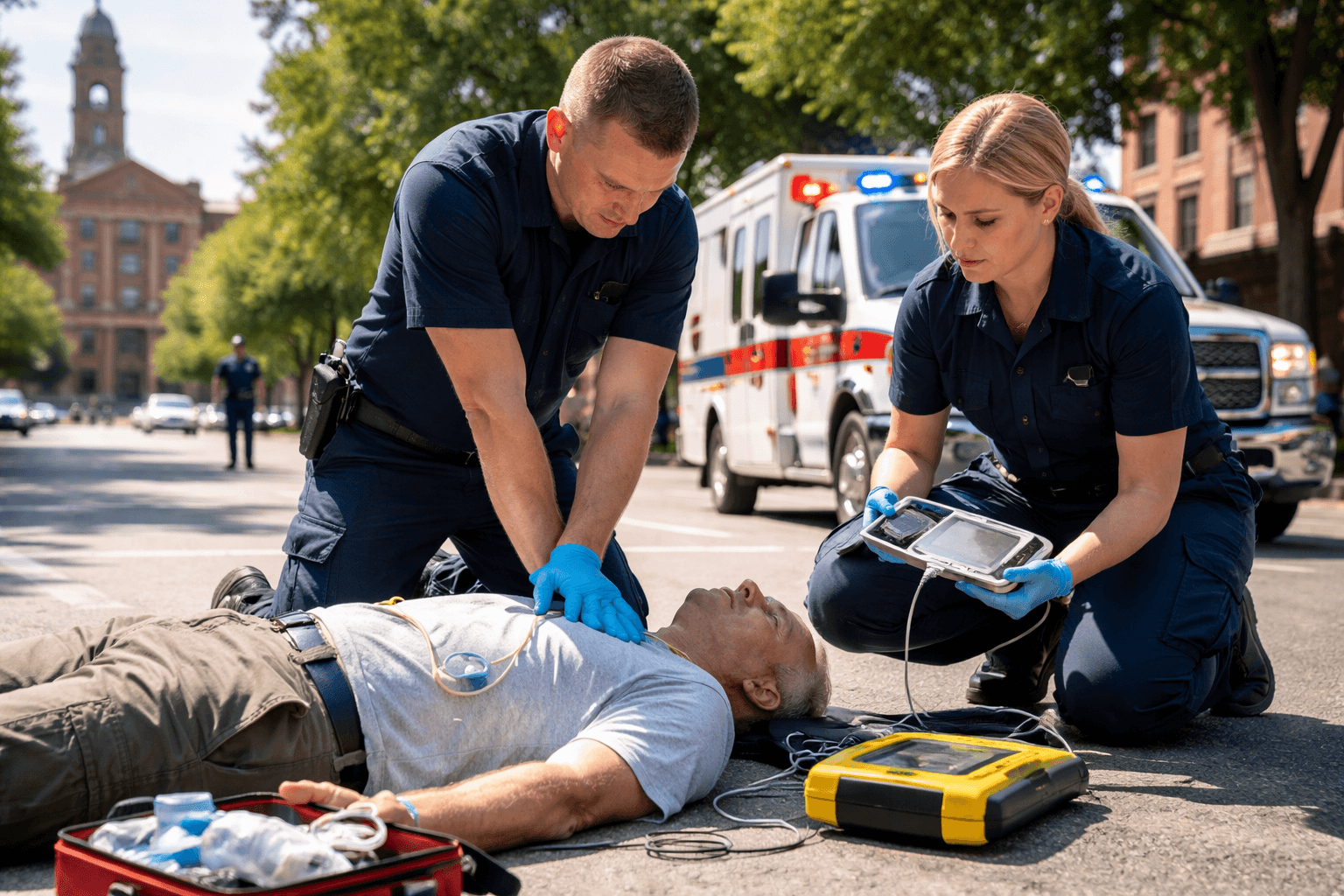
Understand how to safely and effectively operate an Automated External Defibrillator (AED) for adults, children, and infants.
Learn how to perform the Heimlich maneuver and clear airway obstructions caused by choking in both adults and infants.
Gain experience working as part of a team when more than one rescuer is available during an emergency.
Receive your AHA CPR Certification E-Card on the same day you complete the class and pass the exam.

CPR Certification Labs provides professional CPR and emergency training courses based on recognized industry standards.