CPR Certification Fraud Houston and Why It Matters
CPR certification fraud Houston is more than a paperwork problem. When people in healthcare or child care rely on false credentials, the risk reaches patients, families, and coworkers who expect real CPR, AED, and first aid knowledge in an emergency.
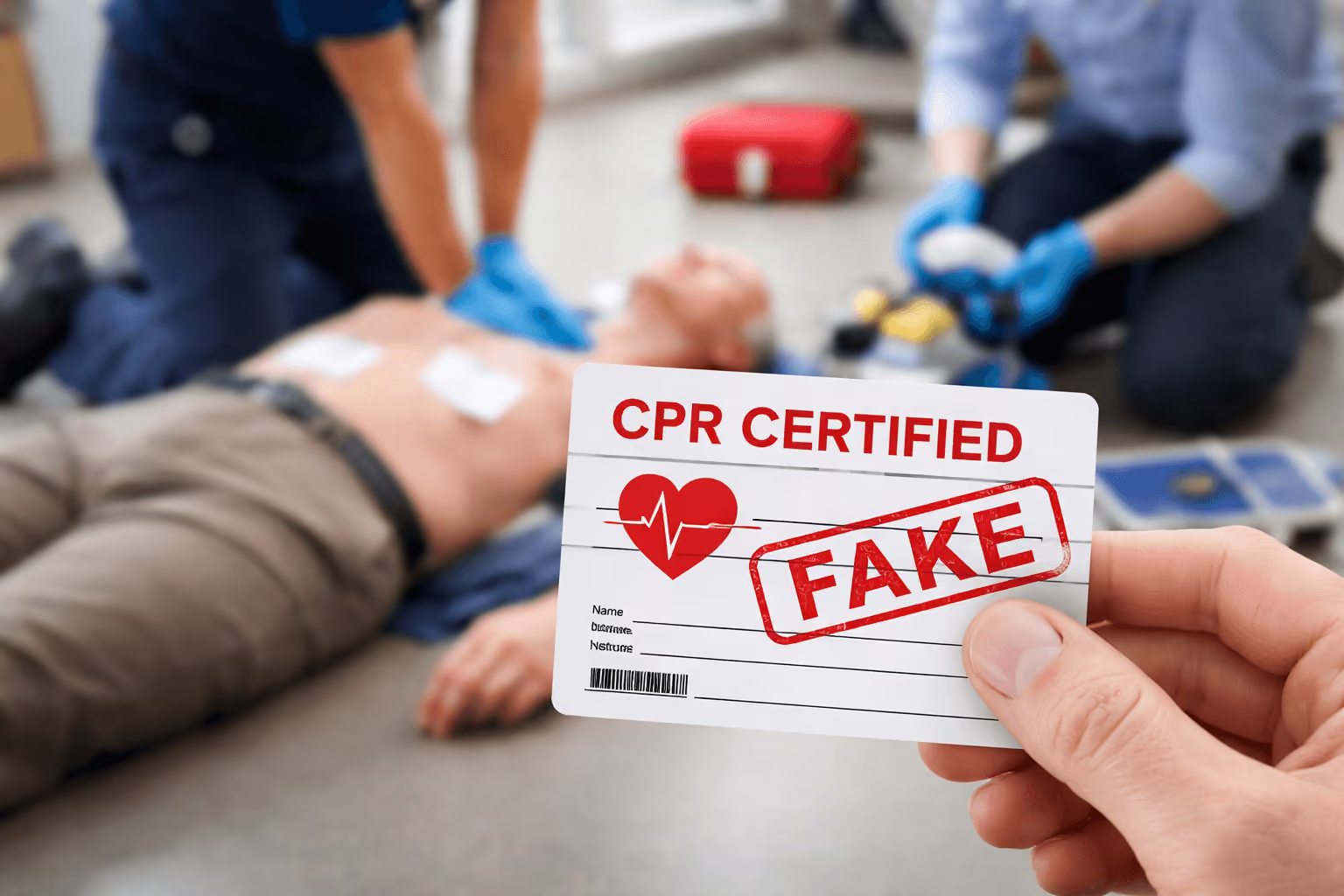
Authorities in Fort Bend County say a man operating from his home sold fake CPR certification cards for years, including to workers who needed proof of training for their jobs. The case raised concerns because the cards were presented as legitimate even though no real instruction was provided.
What the Fort Bend County Case Shows
Investigators said the operation was uncovered after a resident reported possible misuse of training information. An undercover purchase reportedly confirmed that a card could be obtained quickly, for cash, without the classroom work, skills practice, or testing that real certification requires. Officials also said the home had business-like materials used to create and laminate cards.
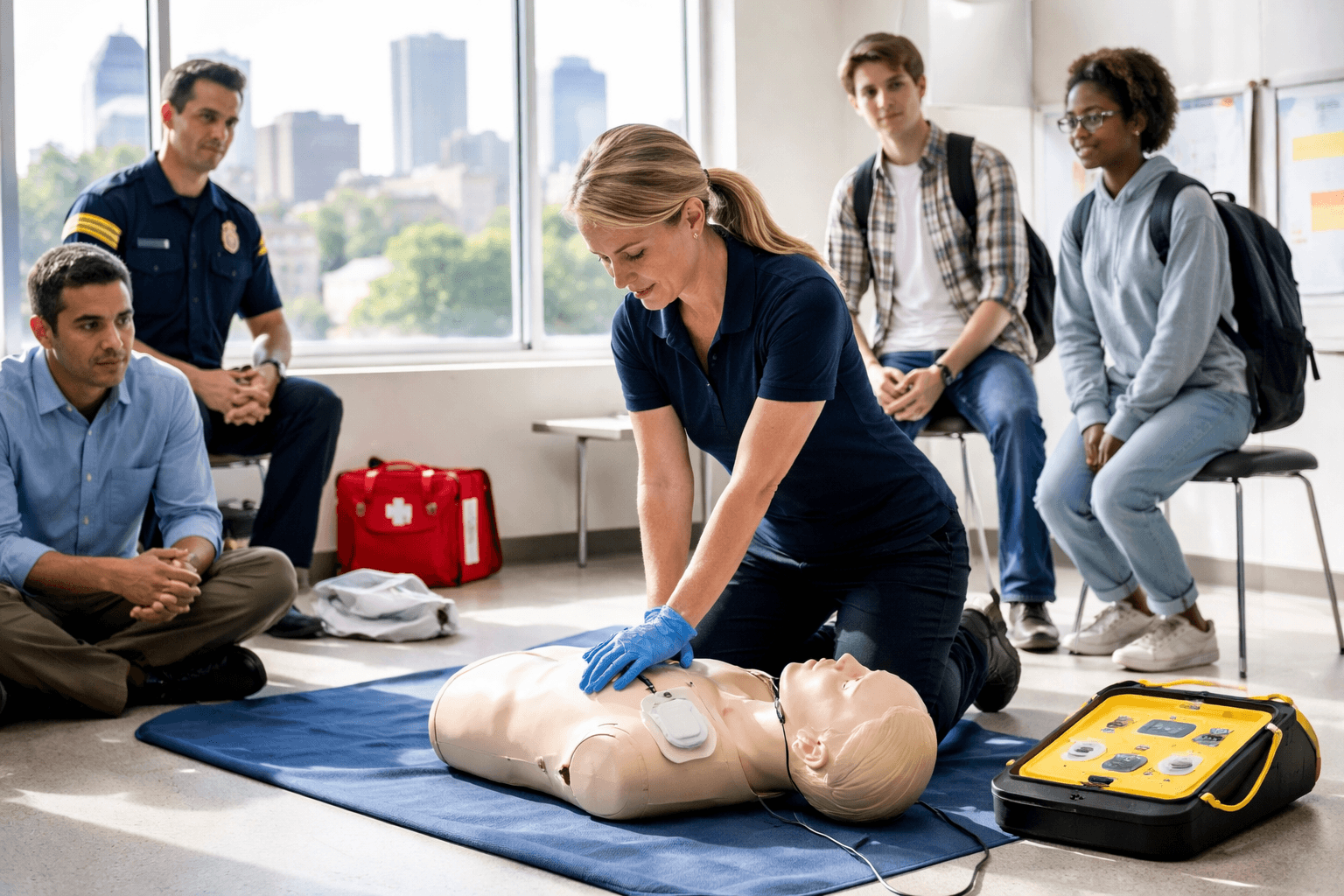
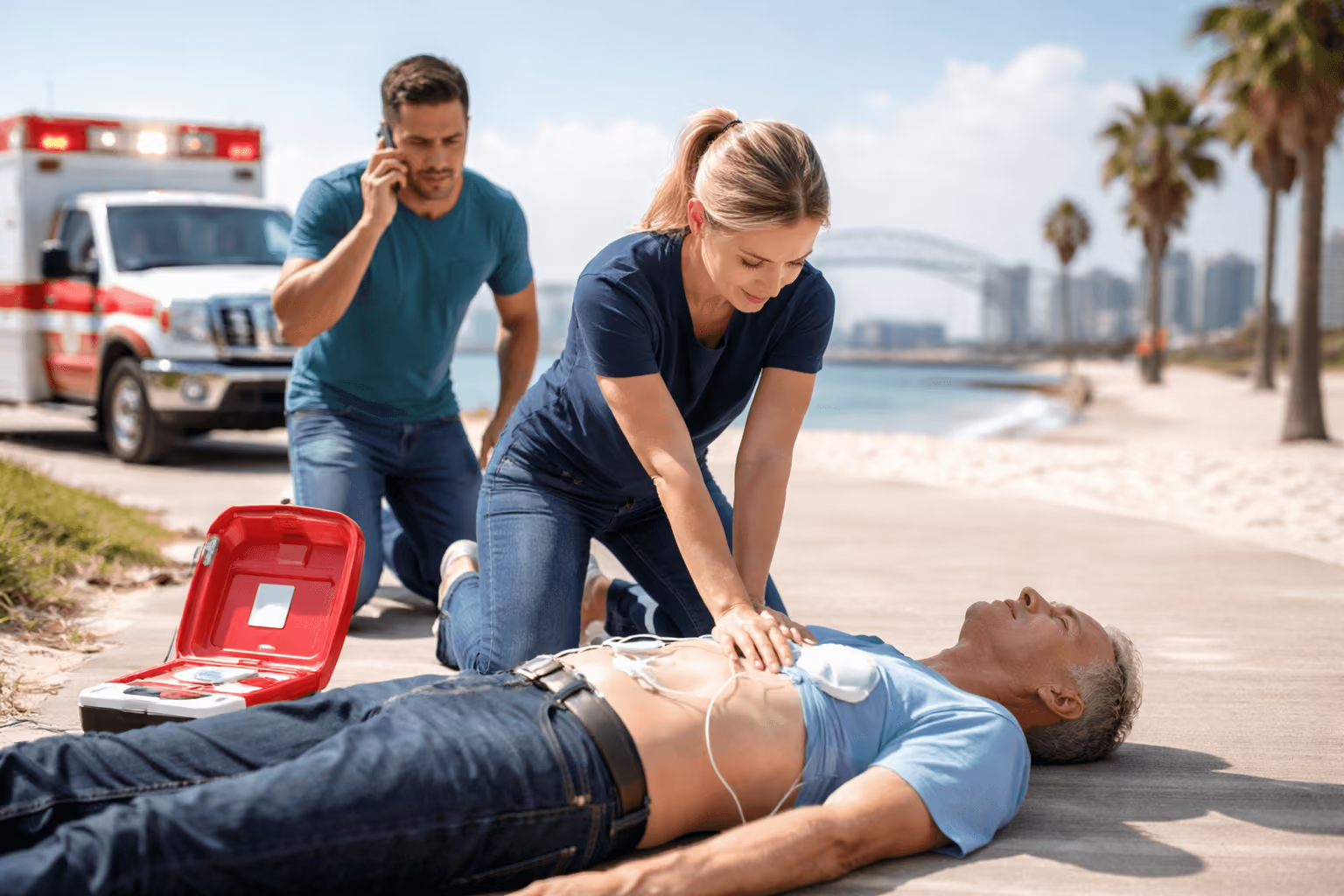
That matters because CPR training is not just a document. A valid course teaches people how to respond to cardiac arrest, use an AED when appropriate, and act fast while waiting for emergency medical help. In a real crisis, those steps can make the difference between confusion and coordinated action.
How to Recognize Possible Fake CPR Credentials
Employers and supervisors can reduce risk by looking for red flags. Cards handed out after an unusually short visit, paper cards when electronic records are standard, or certificates from an unfamiliar provider should all prompt a closer review. If something looks rushed or incomplete, it may not reflect real training.
- Check whether the provider offers clear course details, not just a card.
- Confirm the employee completed hands-on CPR instruction and skill evaluation.
- Verify the certificate format and contact information with the issuing organization.
- Be cautious if many cards appear to come from the same informal source.
For Houston-area employers, especially those in healthcare, education, fitness, and child care, verification is part of workplace safety. A credential should show that the person completed real emergency response training, not just a transaction.
Who Needs Legitimate CPR, AED, and First Aid Training
Healthcare professionals are not the only people who benefit from proper instruction. Teachers, day care staff, coaches, security teams, office managers, and church volunteers may all need CPR, AED, or first aid skills. In any setting where people gather, emergencies can happen without warning.
Legitimate training helps people stay calm, follow the chain of response, and recognize when to call 911. It also reinforces teamwork, so the first person on scene knows how to begin care while others bring help, retrieve an AED, or direct responders to the right location.
Why Legitimate Training Is Worth More Than a Card
A real CPR class gives learners a chance to practice skills, ask questions, and understand how emergency response works in practical settings. That is hard to replace with a printed card. The goal is not just passing a requirement; it is preparing to act when seconds matter.
For local professionals, that distinction is important. A card from an unverified source can create a false sense of readiness, while proper training supports safer workplaces and better outcomes during cardiac arrest, choking, or other urgent events.
Local CPR Training Options Near Missouri City and Sienna
Residents and employers in Fort Bend County, Missouri City, and nearby Sienna can look for a trusted training location that offers convenient access and clear scheduling. CPR Certification Labs serves local professionals who need straightforward instruction in a setting focused on practical emergency response skills.
If you need a nearby class location, review the Missouri City - Sienna office page for details on hours, location, and contact information.
Choosing a Reliable Training Provider
When selecting a CPR provider, make sure the course explains what is covered, how skills are evaluated, and how records are issued. Reliable training should be easy to understand, locally accessible, and built for real-world use by healthcare and workplace teams.
That is especially important after stories like the Fort Bend County fraud case. Clear documentation, honest instruction, and practical CPR education protect both workers and the people they serve.
This article is for general educational purposes only and is not a substitute for professional medical advice, diagnosis, treatment, or certified CPR training. In an emergency, call 911 immediately.
About our Missouri City - Sienna office
- Address: 6110 Sienna Ranch Rd, Suite 705D
- Phone: (346) 279 1266
- Email: missouricity@cprcertificationlabs.com
- Hours:
6am - 12am - 7 Days a Week!