Offer ends October 18.
This is some text inside of a div block.
Restart a Heart BLS Sale
RESTART99
Copy code


Gesell Developmental Schedules are tools designed to evaluate child development, created by Arnold Gesell, an American child psychologist and pediatrician (1880-1961). Gesell established the Clinic of Child Development at Yale in 1911, which he led for many years. At the clinic, he introduced the use of motion-picture cameras to observe the growth of normal infants and young children, meticulously examining their actions frame-by-frame to identify typical stages in early human behavior. The schedules assess a child's motor and language skills, as well as personal-social and adaptive behaviors.Following Gesell's groundbreaking work, several other child behavioral assessments have been developed, including:- The Neonatal Behavioral Assessment Scale (NBAS), often called "the Brazelton," created by Harvard pediatrician T. Berry Brazelton;- The Denver Developmental Screening Test (DDST) for children aged 0-6 years;- The Early Language Milestone (ELM) scale for children aged 0-3 years;- The Clinical Adaptive Test (CAT) and Clinical Linguistic and Auditory Milestone Scale (CLAMS) for children aged 0-3 years;- The Infant Monitoring System for children aged 4-36 months;- The Early Screening Inventory for children aged 3-6 years;- The Peabody Picture Vocabulary Test, known as "the Peabody," for children aged 2 1/2 to 4 years.The goals of developmental assessments vary with a child's age. For newborns, such evaluations can identify neurological issues. For infants, testing often aims to reassure parents or diagnose problems early enough for effective intervention. In later childhood, assessments can pinpoint academic and social challenges, allowing for timely intervention.
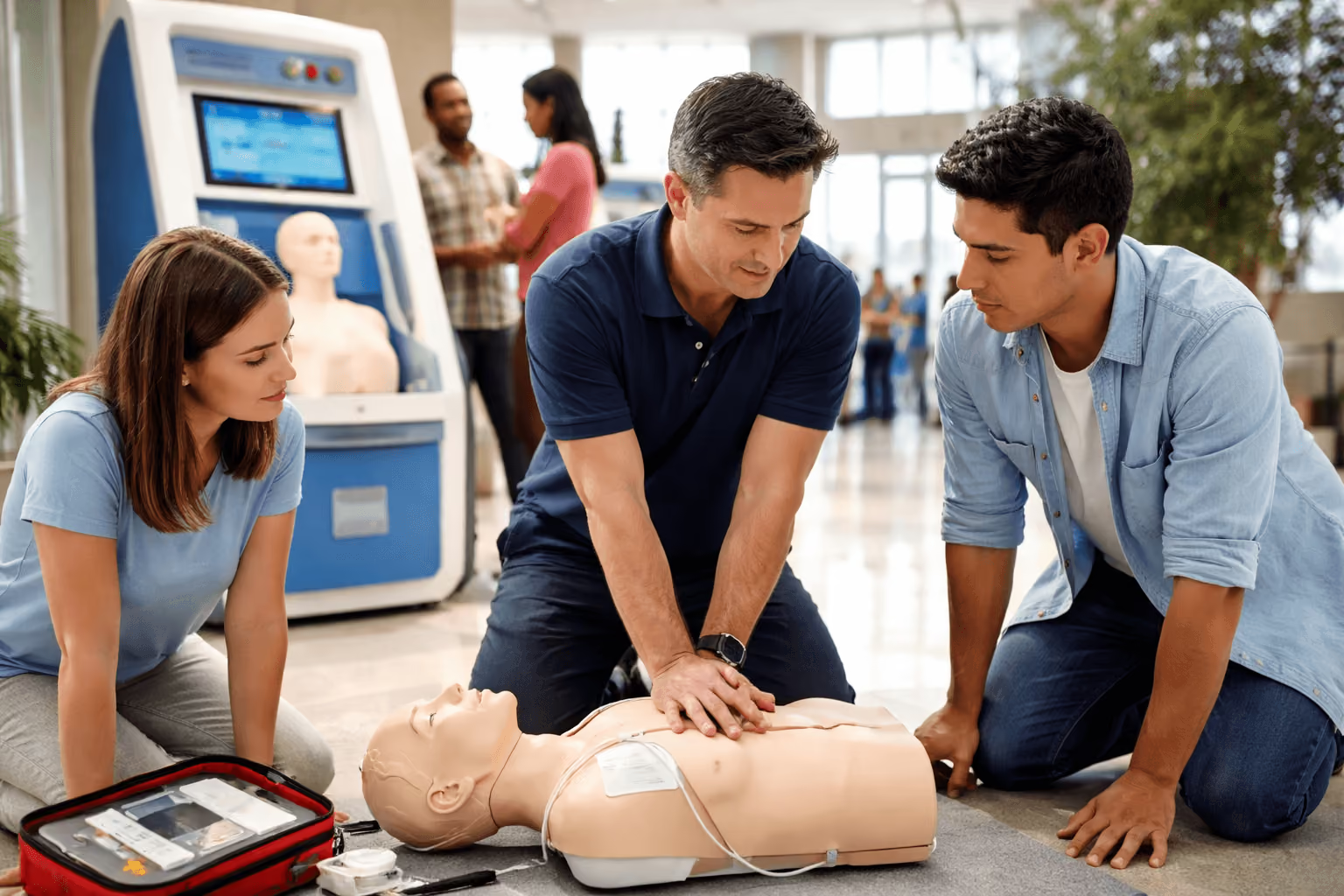
Our technology delivers immediate, actionable feedback that refines your skills in real time.
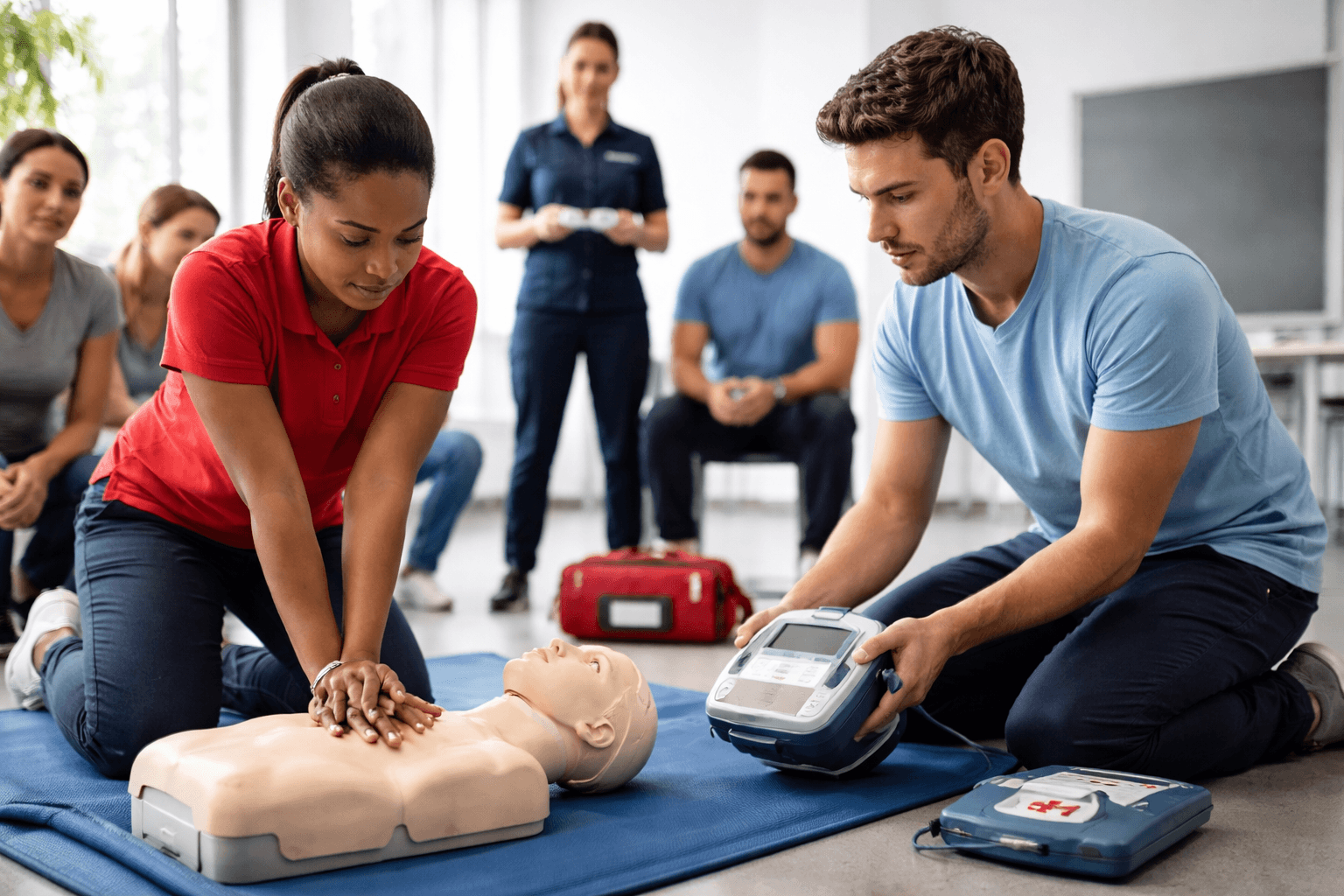
Understand how to safely and effectively operate an Automated External Defibrillator (AED) for adults, children, and infants.
Learn how to perform the Heimlich maneuver and clear airway obstructions caused by choking in both adults and infants.
Gain experience working as part of a team when more than one rescuer is available during an emergency.
Receive your AHA CPR Certification E-Card on the same day you complete the class and pass the exam.

CPR Certification Labs provides professional CPR and emergency training courses based on recognized industry standards.