Houston AED safety in Houston schools and workplaces
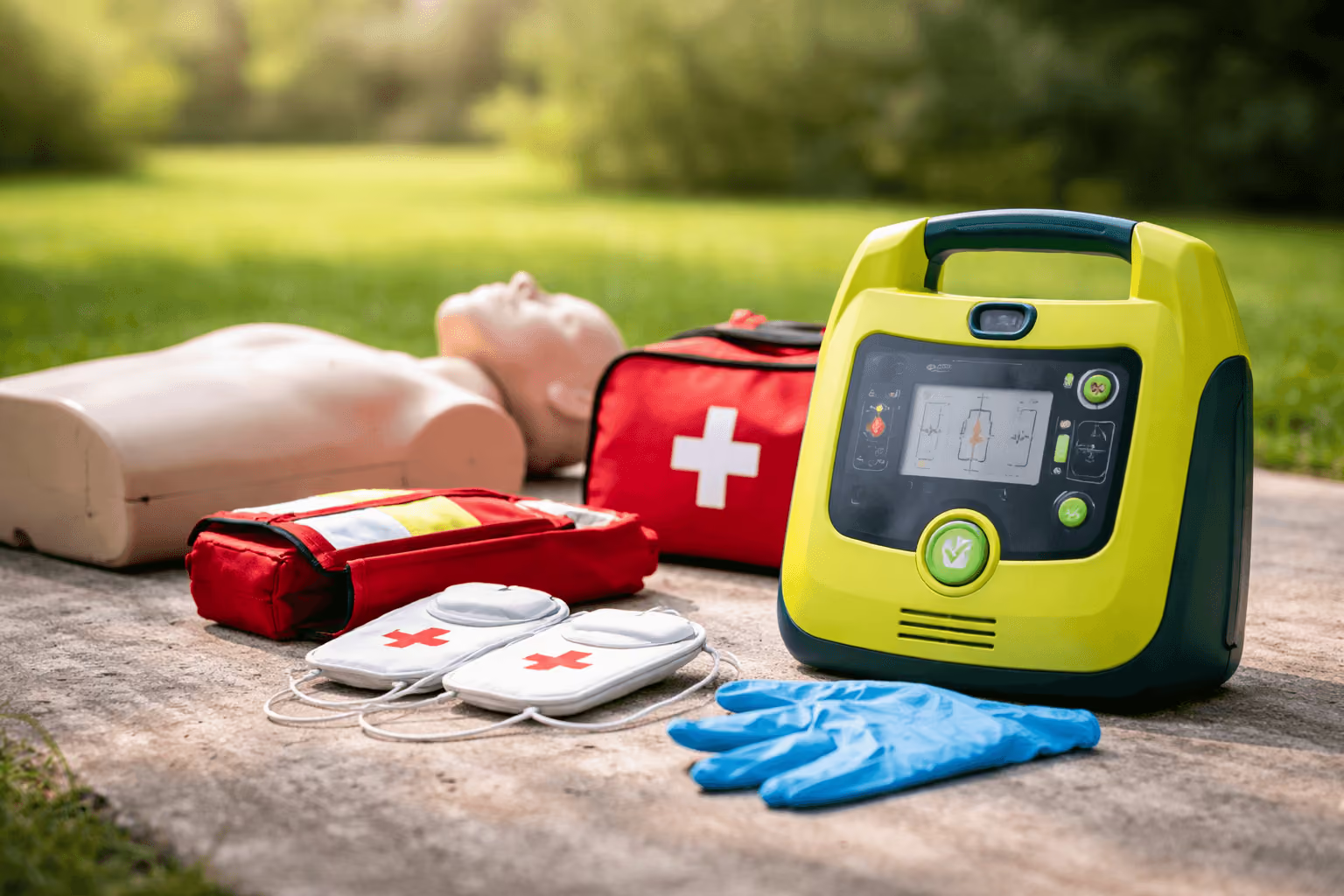
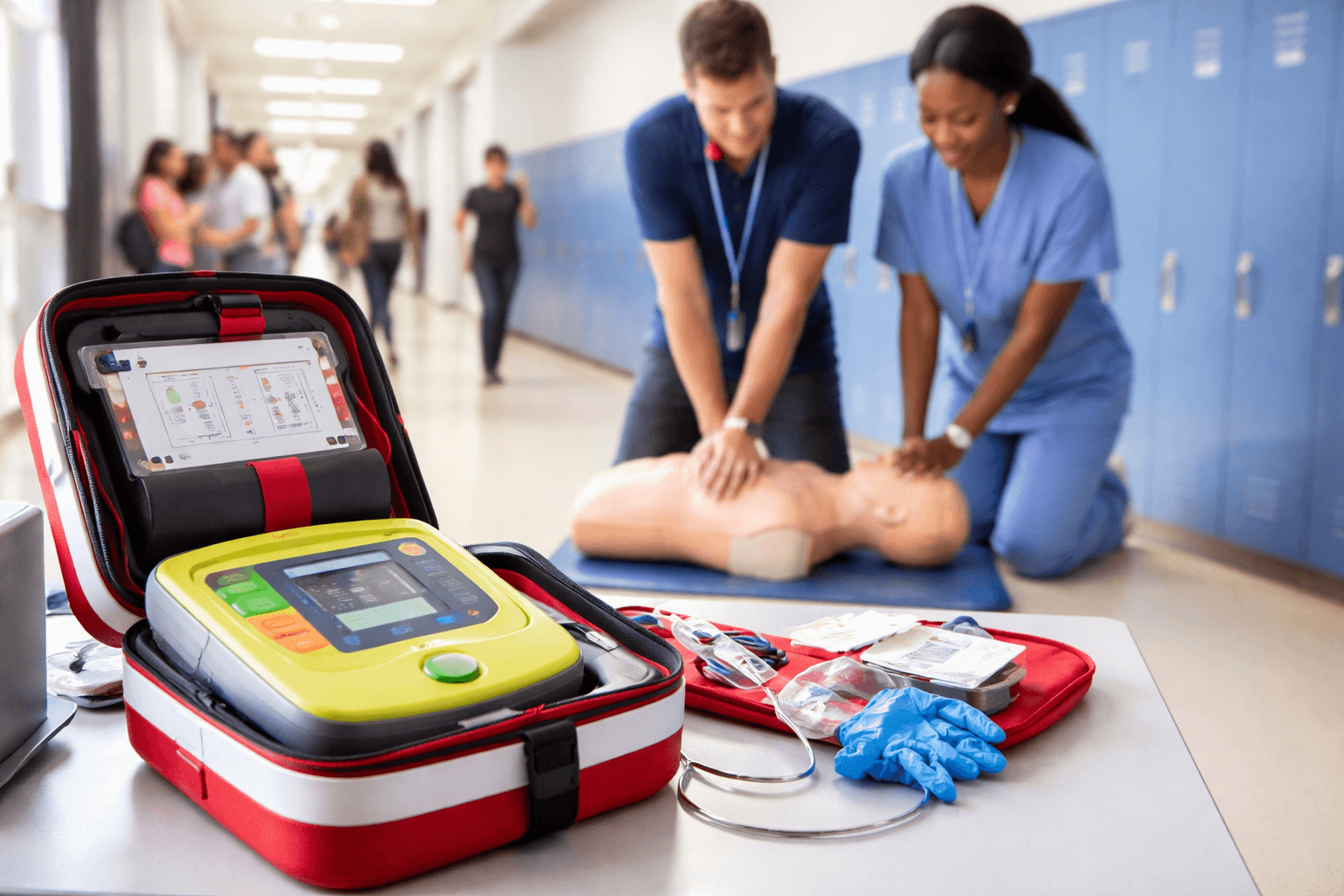
Houston AED safety is a practical priority for schools, clinics, offices, and public buildings across the city. When an AED is not ready for use, the people nearby lose a critical layer of support during a cardiac emergency. That is why regular checks, staff training, and clear response plans matter just as much as having the device on site.
This recent Houston-area situation has renewed attention on emergency readiness in schools. For parents, educators, and healthcare workers, it is a reminder that safety plans only work when equipment is maintained and people know how to respond calmly.
What the report highlights
The report raised concerns about a large number of malfunctioning AED units in a Houston school district before a student death at Marshall Middle School. While each emergency is different, the broader lesson is straightforward: devices must be inspected, documented, and ready for immediate use. A wall-mounted AED does not help if staff cannot trust that it will power on, deliver prompts, and support a response when every second counts.
Why readiness matters for CPR and emergency response
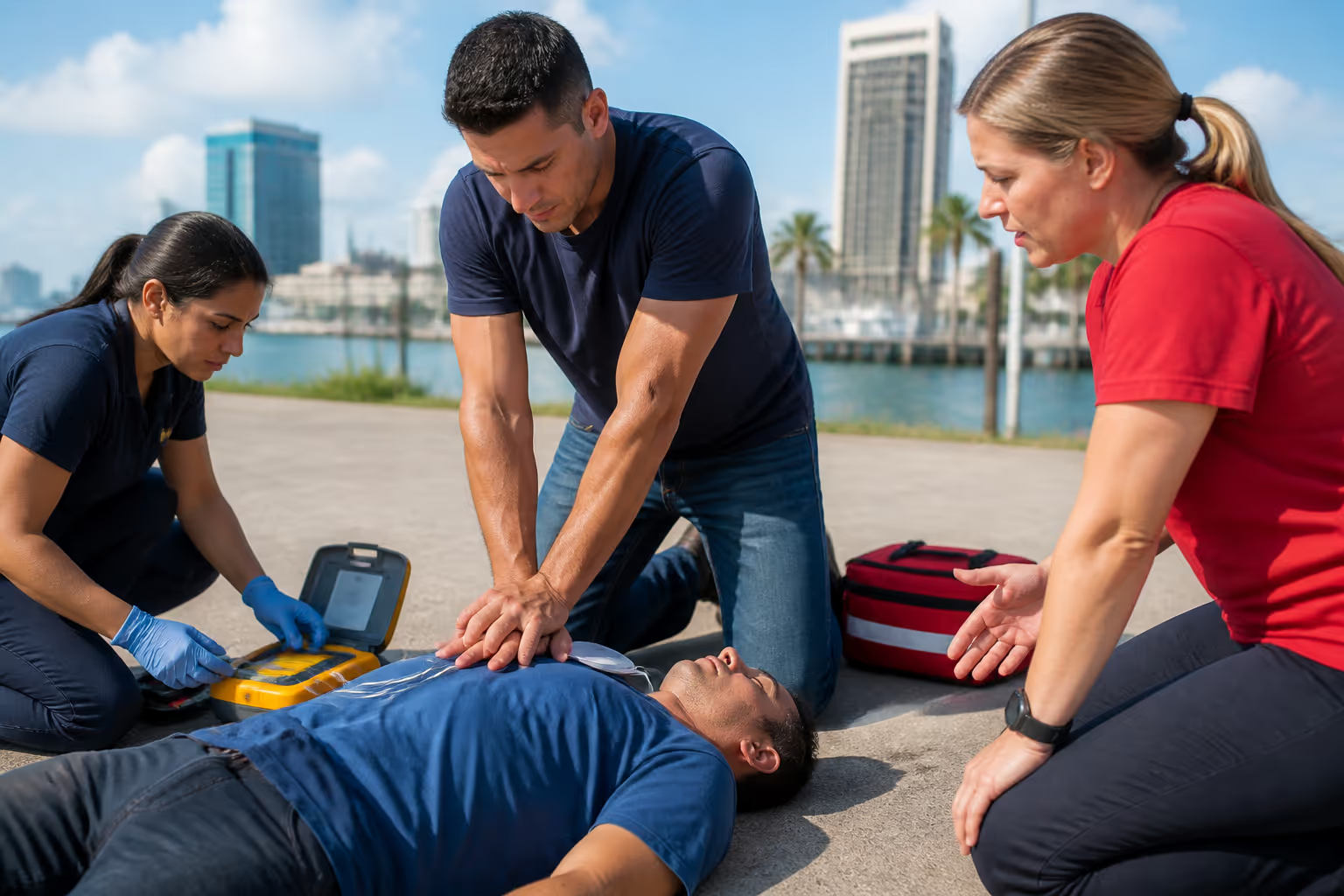
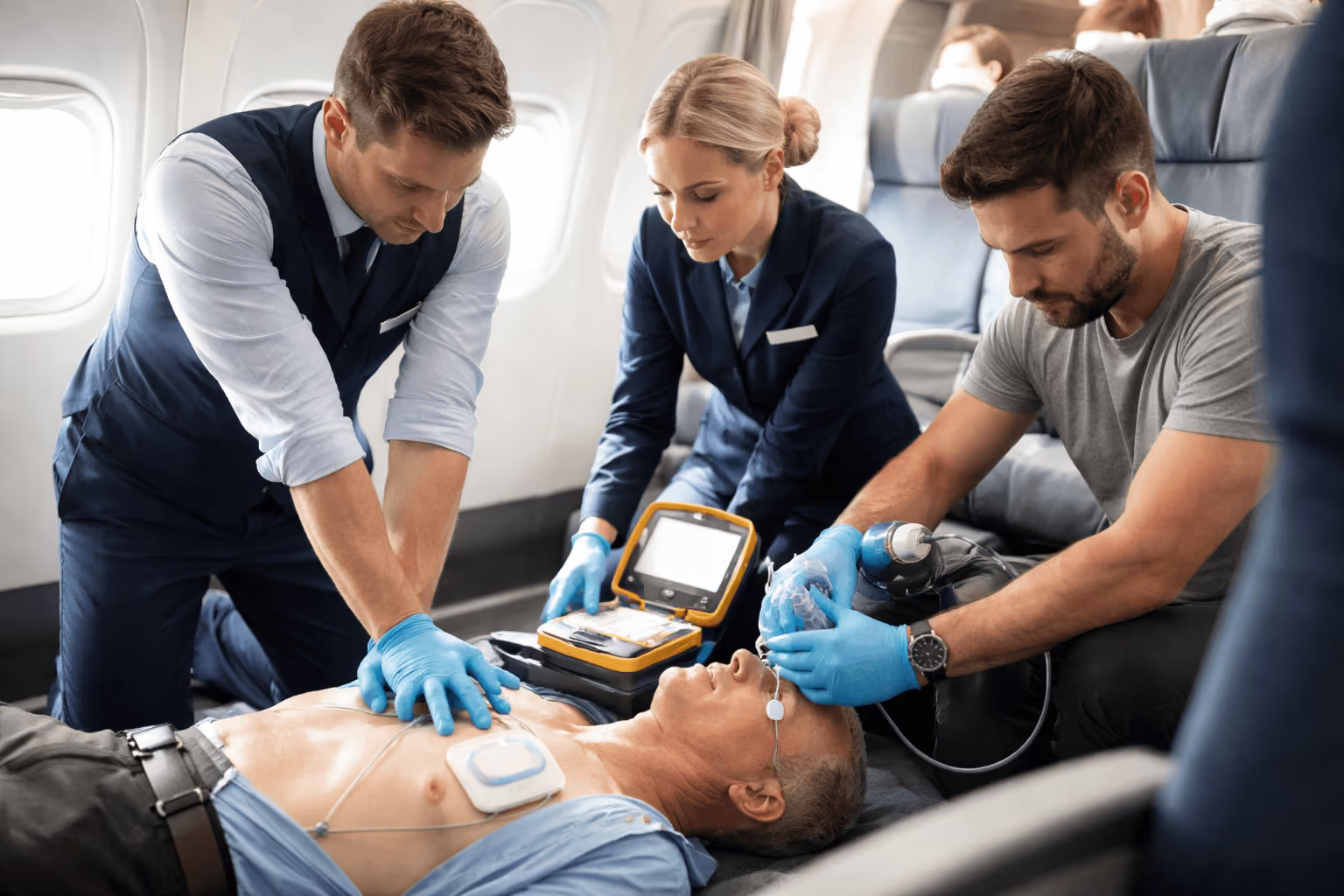
In a cardiac emergency, coordinated emergency response can make a major difference in the minutes before professional responders arrive. That response often includes:
- Recognizing that the situation is urgent
- Getting the AED quickly
- Following the device prompts
- Starting CPR when needed
- Keeping the scene organized until help arrives
Houston AED safety is not only about equipment maintenance. It is also about training the people who may be first on scene so they can act with confidence instead of hesitation. CPR and AED instruction help teams build habits that support fast, organized action.
Who should pay attention to Houston AED safety
This topic matters for a wide range of people in Houston. School staff, athletic coaches, campus administrators, nurses, teachers, office managers, warehouse supervisors, and community volunteers all benefit from knowing where the AED is stored and how the emergency response process works. In healthcare settings, trained staff may already know the basics, but regular refreshers still help teams stay coordinated.
It also matters for families and visitors. When people know that a campus or workplace takes AED readiness seriously, they are more likely to trust the safety culture of that location.
How CPR Certification Labs helps local teams prepare
CPR Certification Labs offers a simple, practical path for Houston-area professionals who need CPR, AED, or first aid training. The process is designed to be straightforward: schedule online, complete the online course portion, and attend the in-person skills session at the office. This format helps busy workers fit training into their schedule while still completing the hands-on portion required for real-world confidence.
For those in North Houston, our office at 2930 Cypress Grove Meadows Dr serves local professionals who want convenient access to training and renewal options. The office hours are Monday through Sunday, 7am - 8pm, making it easier to find a time that works around shift schedules and school responsibilities.
Local context for Houston professionals
Houston is a large city with many schools, clinics, offices, and public spaces that rely on clear emergency plans. In a city this active, AED placement alone is not enough. Teams need regular review of equipment locations, awareness of access points, and training that supports quick action under pressure. Parking and access also matter for in-person training visits, especially for staff balancing work and family commitments.
Nearby facilities and community locations across North Houston often serve people who move between classrooms, clinics, and office environments throughout the week. That makes practical CPR and first aid education useful across many job settings, not just in hospitals or emergency departments.
This article is for general educational purposes only and is not a substitute for professional medical advice, diagnosis, treatment, or certified CPR training. In an emergency, call 911 immediately.
Build a stronger response plan
If your school or workplace is reviewing AED readiness, now is a good time to make sure your team also has current CPR and first aid training. Clear protocols, working equipment, and confident responders all support safer outcomes in urgent situations. To learn more about local training options, visit our North Houston office page.
FAQ
Why is AED maintenance important?
AED maintenance helps ensure the device is available and functional when an emergency happens.
Who should receive CPR and AED training?
School staff, office teams, healthcare workers, coaches, and community volunteers can all benefit from training.
How does CPR Certification Labs structure training?
Students schedule online, complete the online course portion, and attend an in-person skills session at the office.