CPR and AED save story: how one Texas rescue came full circle
The CPR and AED save story involving Matt Nader is a reminder that emergency response can change a life in seconds. Seventeen years after an AED helped save Nader during a football game, he found himself stepping in to help another man after a Westlake playoff game in the Austin area.
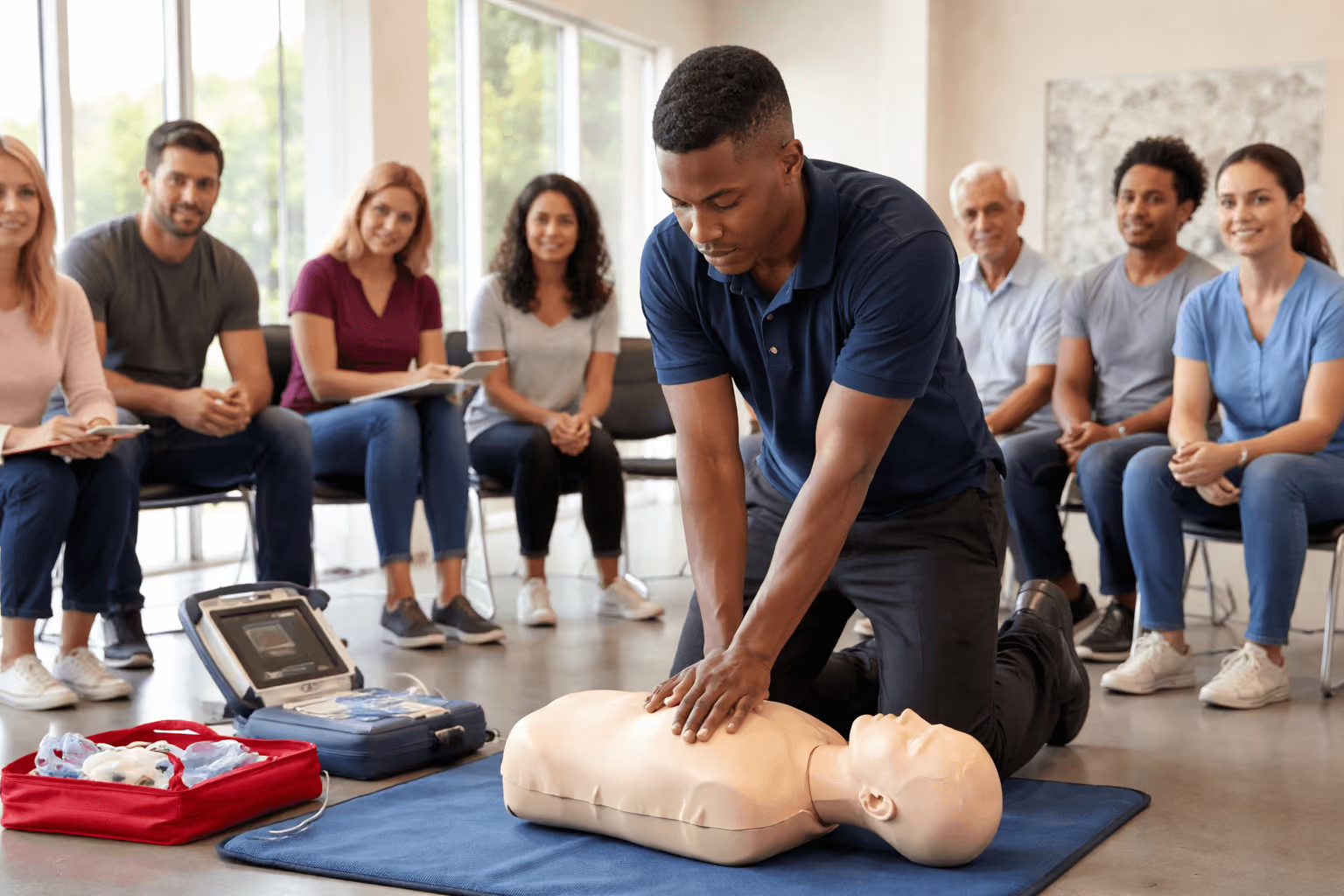
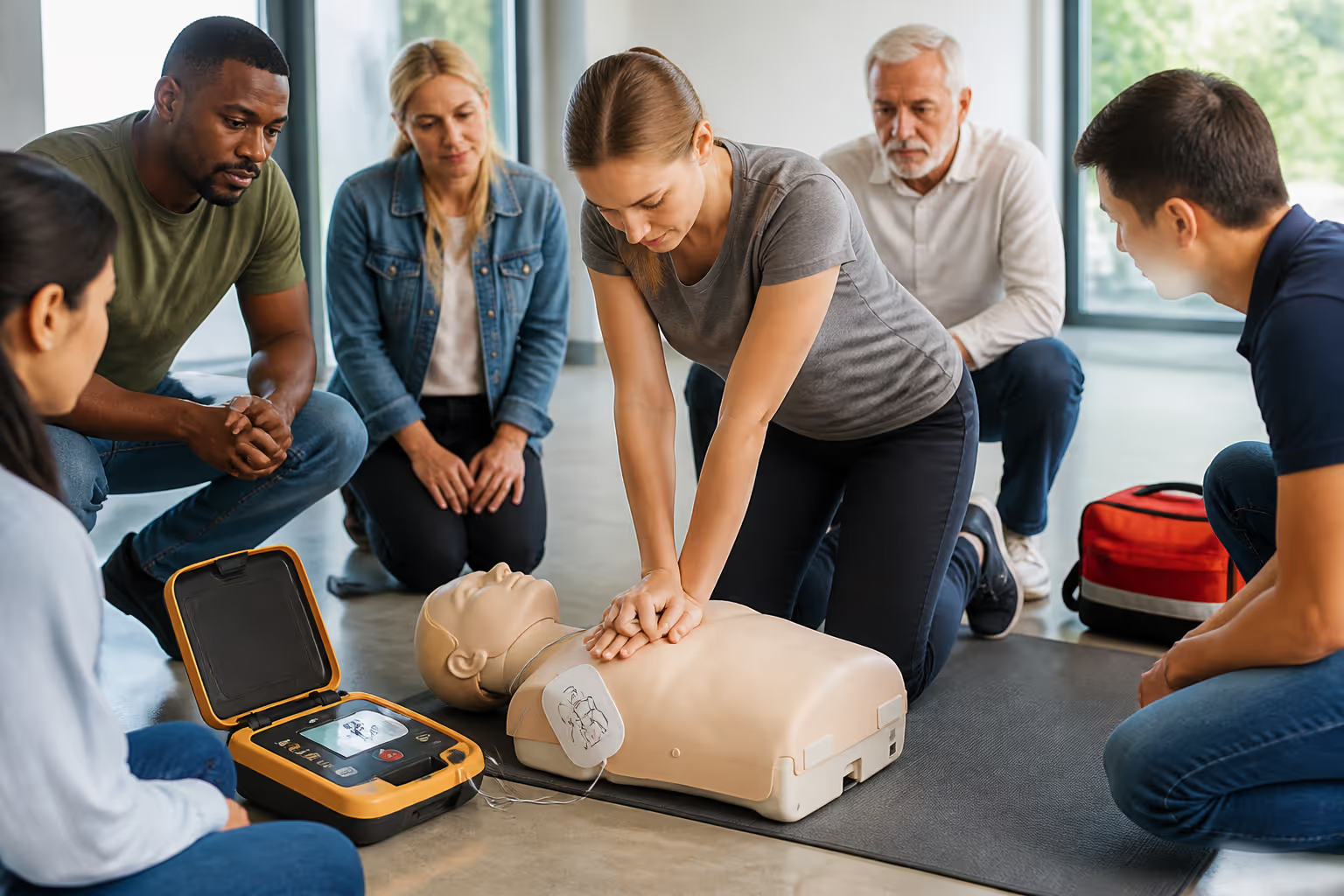
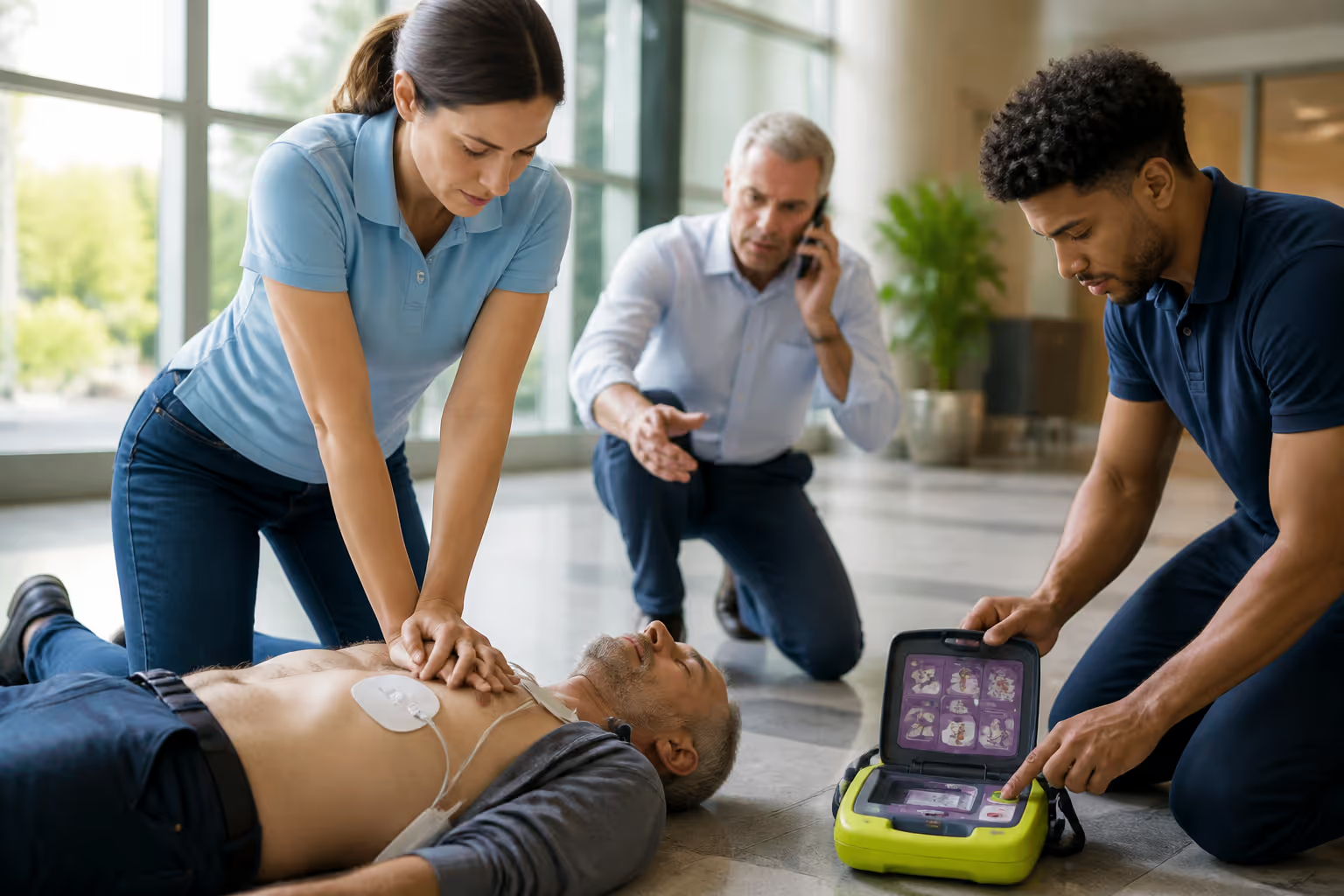
What happened in that parking lot was brief, sudden, and serious. An older man collapsed after the game, and Nader recognized the urgency right away. He started CPR, called for an AED, and helped keep the man supported until first responders arrived. It is the kind of moment that shows why CPR, AED access, and calm action matter so much in public places.
What this CPR and AED save story teaches about emergency response
Nader’s experience is especially meaningful because he has lived through cardiac arrest himself. When his heart stopped years earlier during a Westlake game, CPR and an AED helped give him another chance at life. That experience did more than save him once. It also shaped how he reacted when someone else needed help.
In a cardiac emergency, the first person on scene is often not a doctor or paramedic. It may be a parent, coach, student, neighbor, or fellow spectator. That is why learning CPR and knowing where an AED is located are so important in schools, stadiums, gyms, workplaces, and community centers.
Why quick action matters in Texas sports settings
High school football is a major part of Texas life, and crowded game nights can create challenging emergency conditions. Parking lots, bleachers, and sideline areas can fill quickly, making it harder to reach someone in distress. A fast emergency response can help bridge the gap until trained EMS personnel take over.
This story also highlights something many people overlook: cardiac arrest can happen outside the hospital, and it can happen without warning. If someone collapses and is unresponsive, do not wait for the situation to clarify. call 911, ask for an AED, and begin CPR if you are trained and able to do so.
This article is for general educational purposes only and is not a substitute for professional medical advice, diagnosis, treatment, or certified CPR training. In an emergency, call 911 immediately.
Who should think about CPR training now
This kind of CPR and AED save story matters to a wide range of people in San Antonio and across Texas. It is relevant for healthcare workers, teachers, coaches, school staff, parents, security teams, fitness employees, and anyone who spends time around youth sports or public gatherings.
It also matters to families who want to be ready at home. A person does not need to work in healthcare to make a difference during a crisis. Often, the most important step is simply recognizing that a collapse may be cardiac arrest and responding without delay.
Benefits of choosing CPR Certification Labs
CPR Certification Labs offers practical training focused on real-world emergency response. Courses are designed to help learners build confidence using CPR skills, understanding AED use, and responding to first-aid situations in a clear, structured setting.
For professionals who need flexible scheduling, the San Antonio Medical Center office provides a convenient local option. The office is located at 8554 Huebner Road, Building 2, in San Antonio, TX, with hours from 6am to 12am, 7 days a week. If you are ready to prepare for the moments that matter, you can learn more at our San Antonio Medical Center office page.
Training can help you know what to do while waiting for EMS, how to use an AED, and how to stay focused when others may freeze. That confidence can make a difference in a school parking lot, on a sideline, at work, or anywhere people gather.
Nearby references and local relevance
For readers in the San Antonio area, the connection is easy to see. Local schools, athletic fields, and community venues all benefit from people who are prepared to respond. A strong emergency response culture starts with awareness and practice, not panic.
Bill Wolters’ rescue and Matt Nader’s response are a powerful example of how CPR and AED training can come back around in unexpected ways. The same skills that helped save one life years ago helped save another life later. That is why readiness matters.
Frequently asked questions
What is an AED?
An AED is an automated external defibrillator. It is used in certain cardiac emergencies to help restore a normal heart rhythm while waiting for professional responders.
When should I use CPR?
CPR is used when a person is unresponsive and not breathing normally. If you suspect cardiac arrest, activate emergency response right away and follow dispatcher instructions.
Why is CPR training important for school sports?
School sports events draw large crowds and can place people far from immediate medical support. CPR and AED training help bystanders act quickly before EMS arrives.
How can I prepare now?
Take a certified CPR course, learn where AEDs are placed in your building or venue, and review your emergency response plan regularly.
CTA: If you want hands-on CPR, AED, and first aid training in San Antonio, register with CPR Certification Labs at our San Antonio Medical Center office today.
About our San Antonio Medical Center office
- Address: 8554 Huebner Road, Building 2
- Phone: (726) 224-7200
- Email: sanantonio@cprcertificationlabs.com
- Hours:
6am - 12am - 7 Days a Week!