head-up CPR and why the study matters
head-up CPR is gaining attention because recent research suggests it may improve the odds of a patient surviving with better brain function after cardiac arrest. For CPR and emergency response teams, that is an important development because the goal is not only to restart circulation, but also to support the best possible recovery after resuscitation.
This discussion is relevant to healthcare professionals, first responders, and community members in Bend who want to stay current with CPR practices. As resuscitation science evolves, training remains the foundation for responding quickly and confidently in an emergency.
Local context for Bend responders
In Bend, emergency response can involve a wide range of settings, from workplaces and fitness facilities to clinics and public spaces. That makes CPR, AED readiness, and coordinated first aid training especially valuable for people who may be first on scene before EMS arrives.
Local teams often benefit from clear, repeatable steps and up-to-date skills. Whether you work in patient care or support a busy organization, being ready to respond can make a practical difference during the minutes before advanced help takes over.
What head-up CPR involves
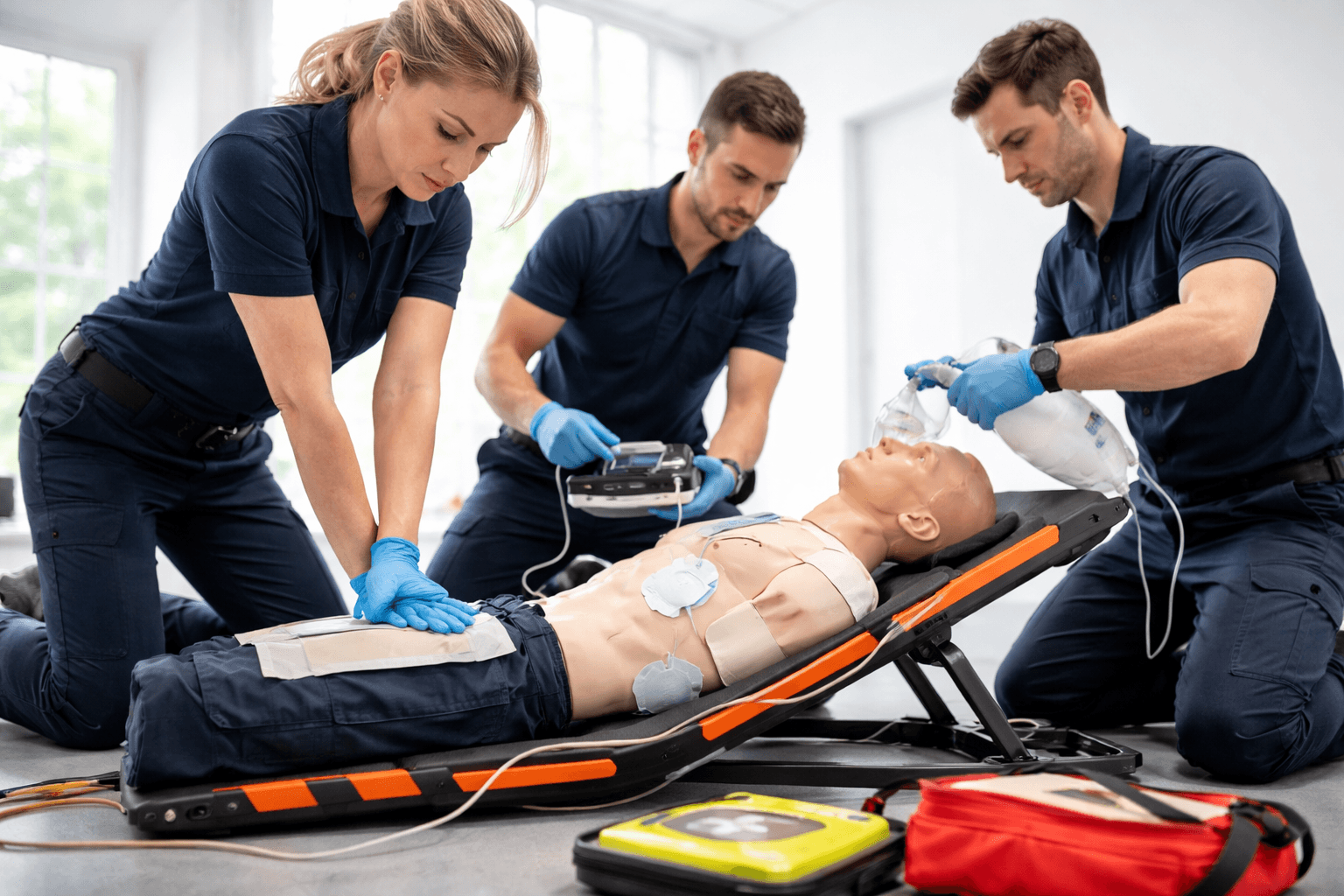
head-up CPR refers to a resuscitation approach that uses controlled elevation of the head and upper body during CPR. The technique is being studied as part of broader efforts to improve emergency response outcomes and support brain perfusion during cardiac arrest care.
For most learners, the main takeaway is not to self-apply a new technique in an emergency. Instead, the lesson is that CPR training continues to evolve, and healthcare professionals should stay aligned with current education, hands-on practice, and team-based response protocols.
Who should pay attention
- Healthcare professionals who renew CPR or BLS regularly
- EMS personnel and clinical teams involved in emergency response
- Workplace safety leaders building AED and first aid readiness
- Anyone who wants to respond more effectively before EMS arrives
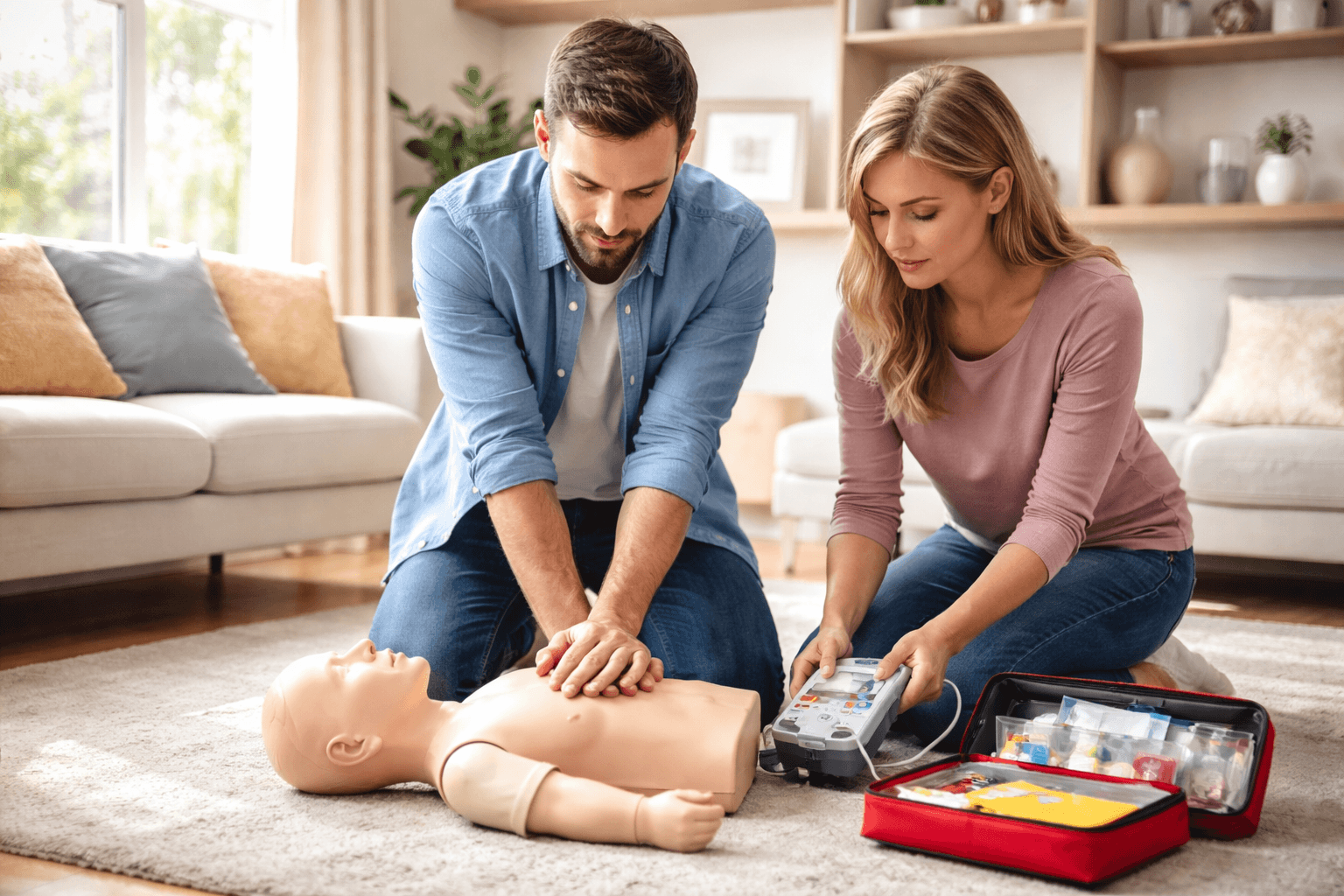
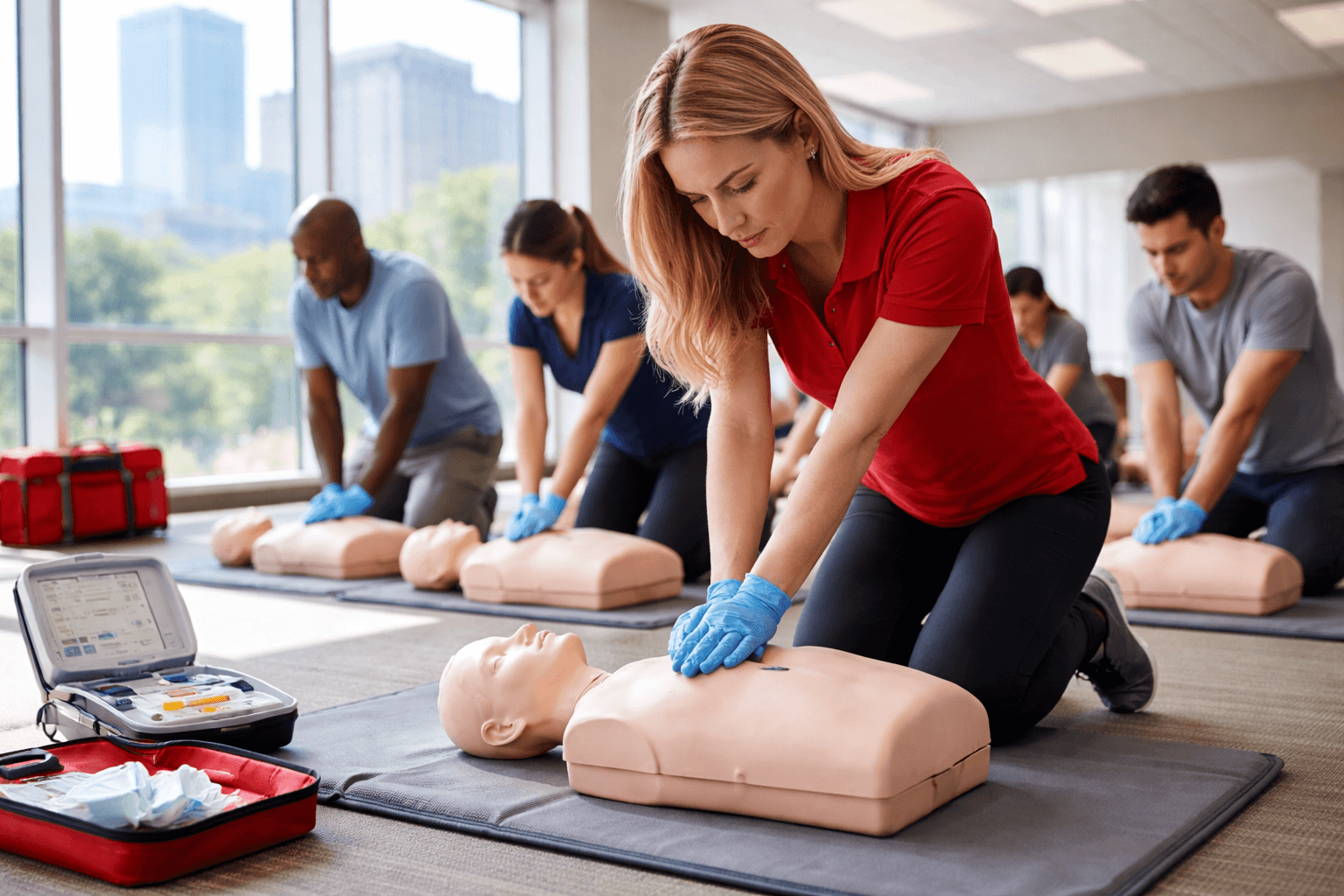
These groups rely on consistent practice, clear roles, and confidence under pressure. Training helps reinforce compressions, AED use, scene coordination, and communication during a real emergency.
Benefits of training with CPR Certification Labs
CPR Certification Labs offers a simple 3-step process: schedule online, complete the online course portion, and attend the in-person skills session at the office. That structure helps busy professionals manage renewal and initial training more efficiently while still getting hands-on practice.
For learners in Central Oregon, the Bend office provides a practical local option with accessible hours and a straightforward format. The office is located at 2900 NW Clearwater Dr, Office 25, Bend, OR, and the team can help you plan around work schedules and renewal timelines.
Training is useful for anyone who needs CPR, BLS, AED, or first aid instruction in a professional setting. The focus is on building reliable skills, not on memorizing one headline or one technique alone. Staying prepared matters most when seconds count.
Nearby access and local reference points
If you are coming from across Bend or nearby communities, the office is positioned for practical access during the day and into the evening. The local office page has the current details for scheduling and contact information, and it is the best place to start if you need a session in the area: Bend office page.
For many professionals, the convenience of a nearby training location helps make renewal easier to complete on time. That matters for nurses, medical assistants, caregivers, office teams, and other staff members who are expected to maintain current CPR credentials.
Keep CPR skills current
New research may influence how EMS teams think about resuscitation strategy, but the core message for the community is steady: strong CPR skills, fast AED access, and organized emergency response remain essential. Continued training helps people stay prepared as science and practice develop.
This article is for general educational purposes only and is not a substitute for professional medical advice, diagnosis, treatment, or certified CPR training. In an emergency, call 911 immediately.
If you are ready to complete CPR training in Bend, use the office page to review availability and schedule your session.