CPR in Dayton after an assault: why the report matters
CPR in Dayton is a timely topic whenever someone suddenly becomes unresponsive, including during a violent incident. A recent report from the Dayton region described a man who was airlifted after being punched, with a witness already performing CPR before rescuers arrived. That detail matters because it shows how fast bystander action can bridge the gap between an emergency and advanced medical care.
In reports like this, the exact cause of collapse may vary, but the response priorities are the same: notice the emergency, make the scene safe, and get help moving immediately. When a person is down and not breathing normally, every minute counts. A witness who recognizes the problem early can help start the chain of survival before EMS takes over.
What the report shows about emergency response
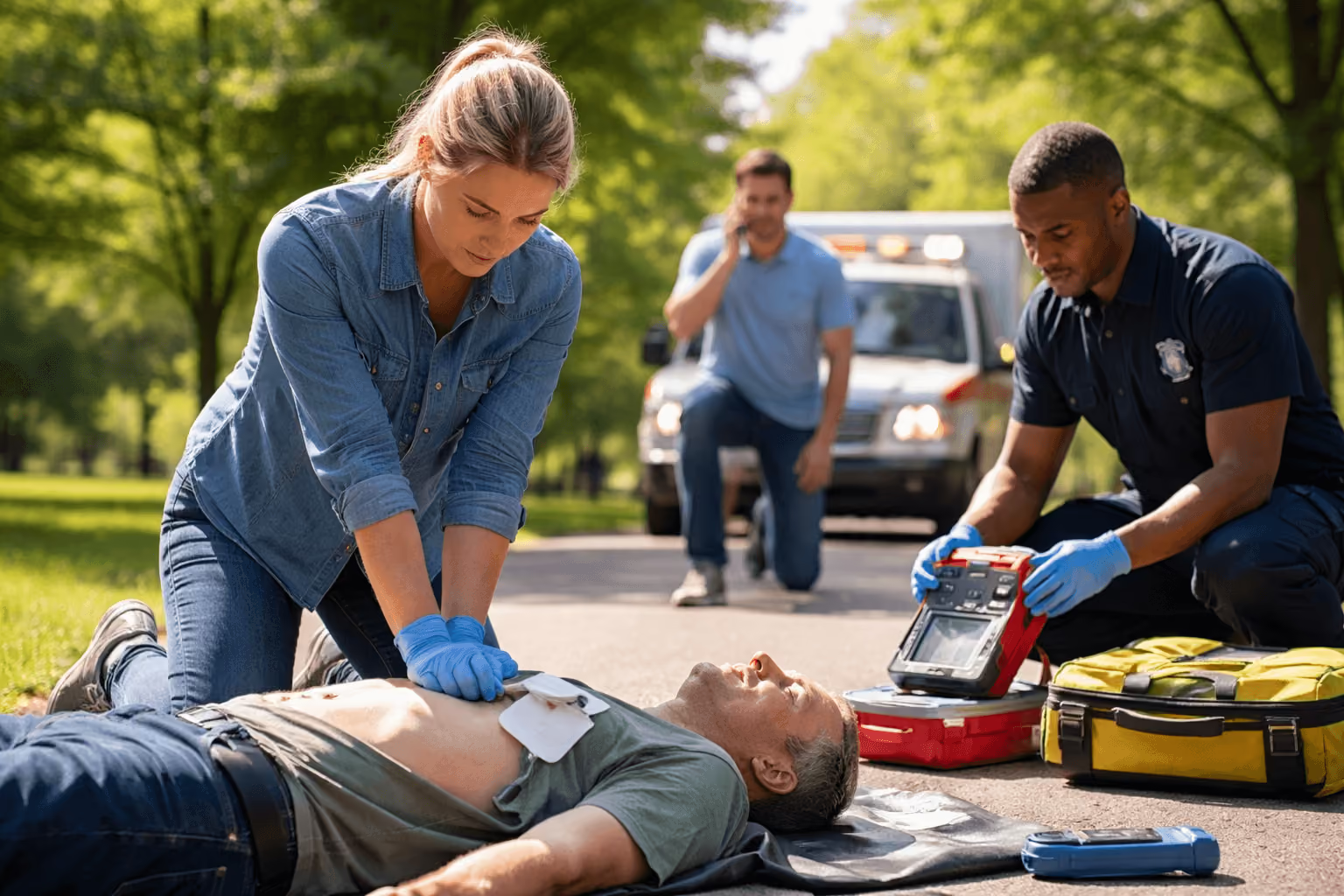
According to the reported incident, responders were called after an unresponsive man was found outside a residence following an assault. A witness was performing CPR when rescuers arrived, and the patient was then transported by helicopter to a hospital for further treatment. That sequence is a useful reminder that emergency response often starts with a bystander, not the ambulance.
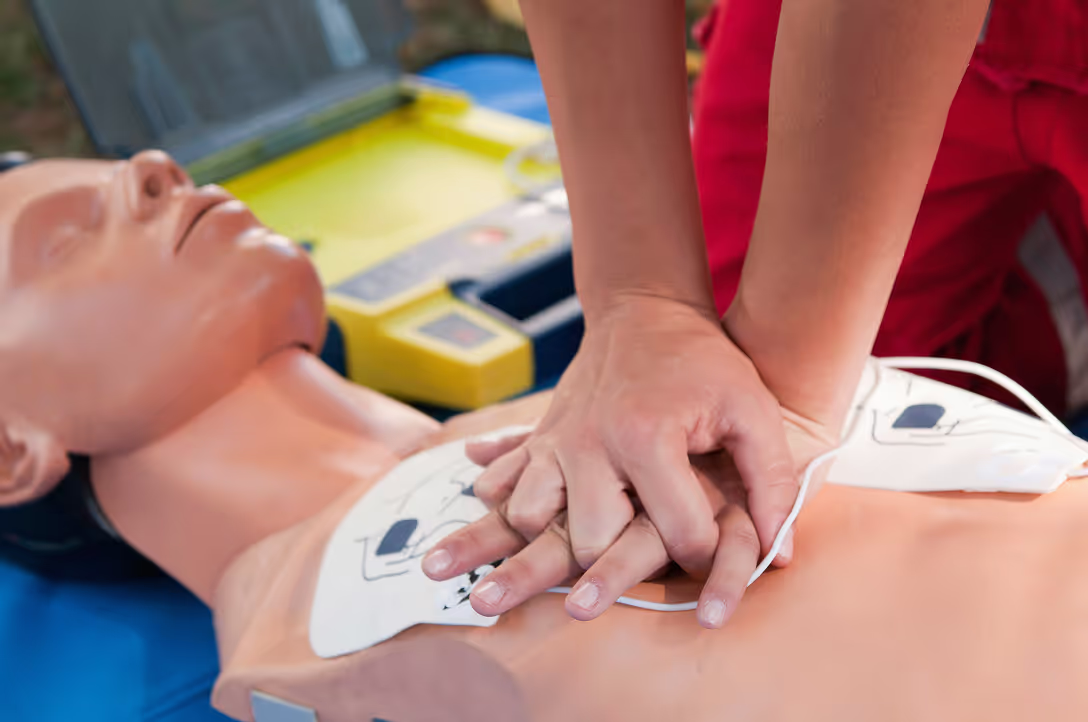
News coverage of this kind is not a guide for every situation, but it does reinforce a few reliable principles. First, do not ignore a person who is unresponsive or breathing abnormally. Second, get professional help on the way immediately. Third, if CPR is appropriate and you know how to do it, begin without delay while someone else looks for an AED or meets responders at the scene.
For readers who want to verify the incident details, a local report was also carried by WKRC and referenced prior coverage from WDTN, both of which described the airlift and the bystander CPR response.
This article is for general educational purposes only and is not a substitute for professional medical advice, diagnosis, treatment, or certified CPR training. In an emergency, call 911 immediately.
CPR in Dayton: a bystander checklist for sudden collapse
When a person collapses after an assault, fall, or other sudden event, a clear checklist can help you act with less hesitation:
- Check the scene for danger before approaching.
- Tap the person and ask if they are okay.
- If there is no response, shout for help and have someone call 911.
- Look for normal breathing. If breathing is absent or abnormal, start CPR if you are trained and able.
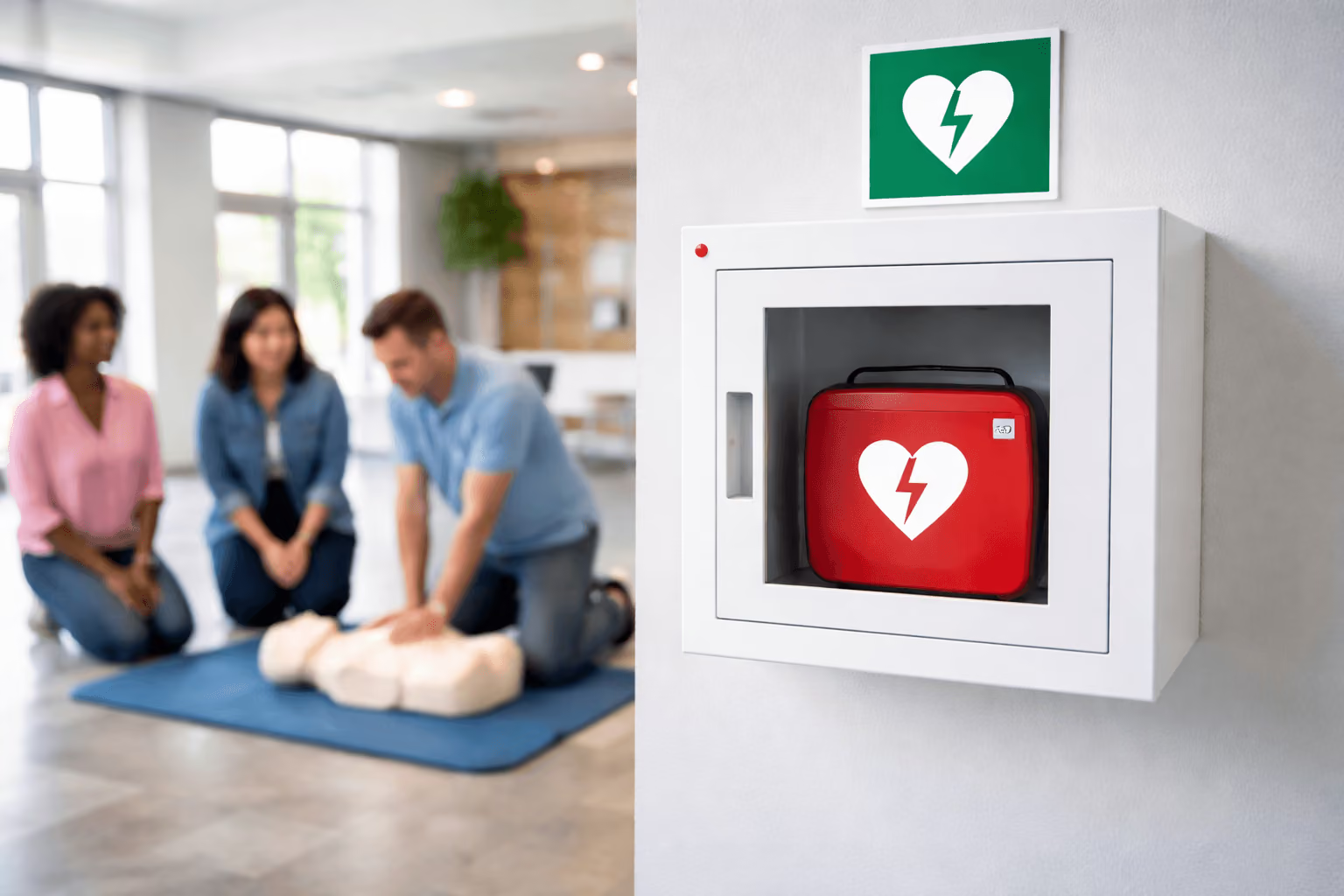
- Send someone to get an AED if one is nearby.
- Follow the AED prompts as soon as it arrives.
- Keep following dispatcher instructions until EMS arrives.
If you are alone, call 911 first if possible, then begin CPR if the person is unresponsive and not breathing normally. If an AED is available, turn it on and follow the device’s step-by-step voice prompts. In many public or workplace settings, quick communication and simple task-sharing can save precious time.
Who needs CPR, AED, and first aid skills
CPR training is useful for healthcare professionals, office teams, teachers, security staff, coaches, childcare workers, and family caregivers. It is also valuable for anyone who may be first on scene in a public place, parking lot, workplace, or neighborhood. Assault-related emergencies are one example, but the same skills also apply to cardiac arrest, choking, severe bleeding, and other first aid situations.
For healthcare workers, CPR and BLS skills support readiness in clinics, dental offices, home care, and other patient-facing settings. For community members, learning how to recognize an emergency and respond calmly can make the difference between waiting and acting. The goal is not to replace EMS. It is to provide immediate support until professional responders arrive.
Why CPR training matters in a Dayton community
Dayton, Centerville, and nearby communities rely on ordinary people to respond well in extraordinary moments. A sudden collapse can happen at home, on a sidewalk, in a workplace, or after a confrontation. That is why CPR, AED use, and first aid education remain important for local residents and professionals alike.
Training helps you recognize when a person needs immediate help, how to activate emergency response, and how to keep going until handoff to paramedics, firefighters, or hospital staff. Even a brief delay can matter when oxygen is not reaching the brain and heart. Knowing what to do reduces panic and helps people focus on the next right step.
Local CPR training options in Dayton
CPR Certification Labs serves learners who want practical instruction in a professional setting. The Dayton - Centerville office at 2723 Miamisburg Rd, Suite 130, Dayton, OH offers local access for healthcare professionals and other adults who need CPR, BLS, or related emergency-response training.
For related training information, you can also review the office page for Dayton - Centerville and learn more about available courses. If you are looking for CPR in Dayton, that page is a good starting point for local scheduling and contact details. You may also want to explore CPR and BLS options on the site if you need training for work or annual renewal.
Dayton - Centerville office page
Nearby references for local readers
People training in the Dayton area often live or work in Centerville, Kettering, Beavercreek, Moraine, and nearby communities. Whether you are preparing for a healthcare role or simply want to be ready for an emergency at work or home, local CPR and AED knowledge can support a faster response when seconds matter.
If you want a straightforward next step, use the office page above to review location details, hours, and contact information. That can help you plan around work schedules and choose a time that fits your routine.
FAQ
When should I call 911 in a collapse or assault situation?
Call 911 immediately if a person is unresponsive, not breathing normally, has severe bleeding, or appears seriously injured after an assault or fall. Stay calm, give the dispatcher clear details, and follow instructions until help arrives.
Should I start CPR right away?
If the person is unresponsive and not breathing normally, begin CPR if you are trained and it is safe to do so. If you are not sure what to do, the 911 dispatcher can help guide you while help is on the way.
Does an AED help in these emergencies?
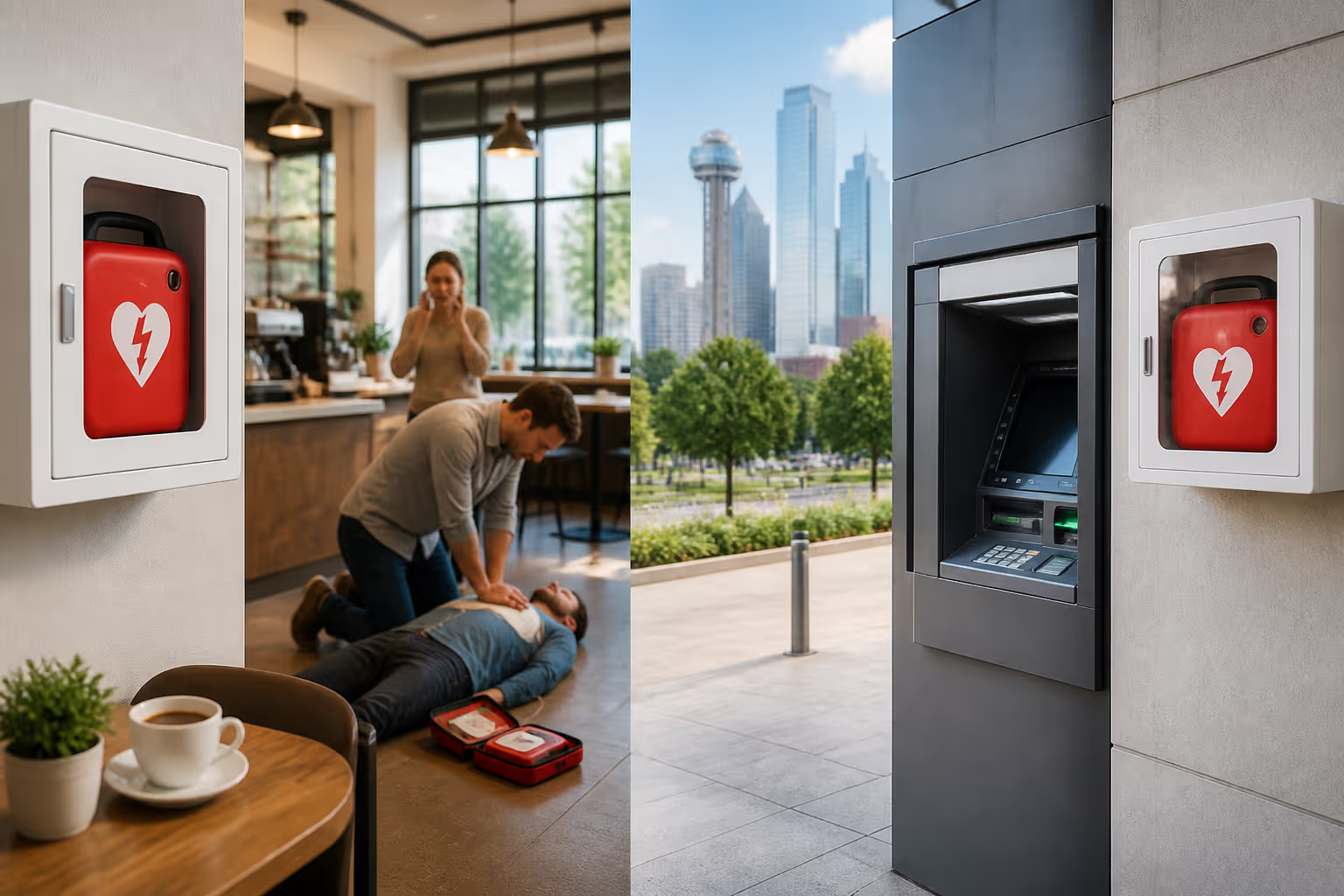
Yes. An AED can be an important part of emergency response when the heart needs a shockable rhythm assessment. Turn it on as soon as it is available and follow the prompts.
About our Dayton - Centerville office
- Address: 2723 Miamisburg Rd, Suite 130
- Phone: (937) 550-8765
- Email: dayton@cprcertificationlabs.com
- Hours:
6am - 12am - 7 Days a Week!