Fort Worth cardiac arrest survivor story centered on CPR, EMS response, and ECMO lifesaving care at Medical City Fort Worth
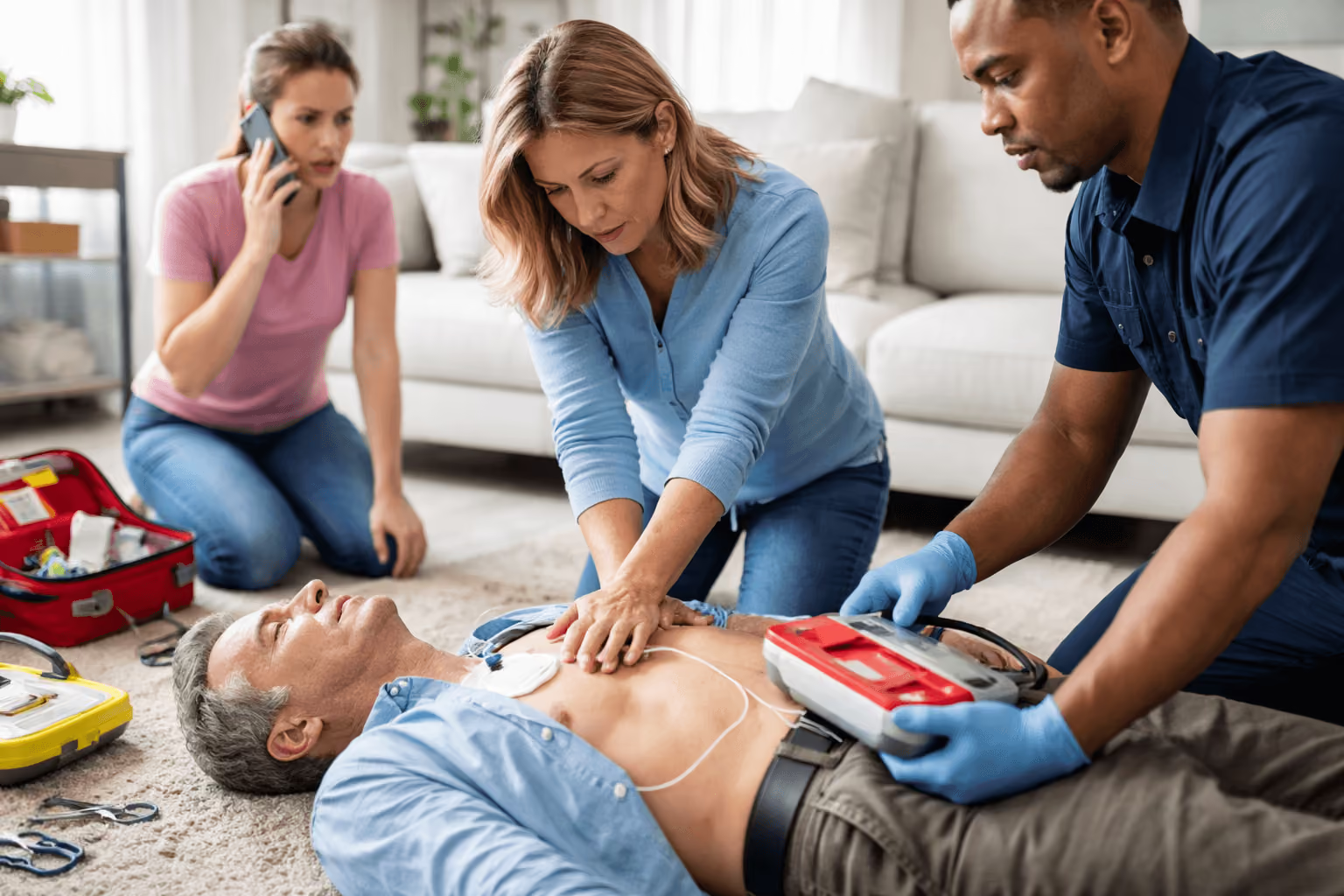
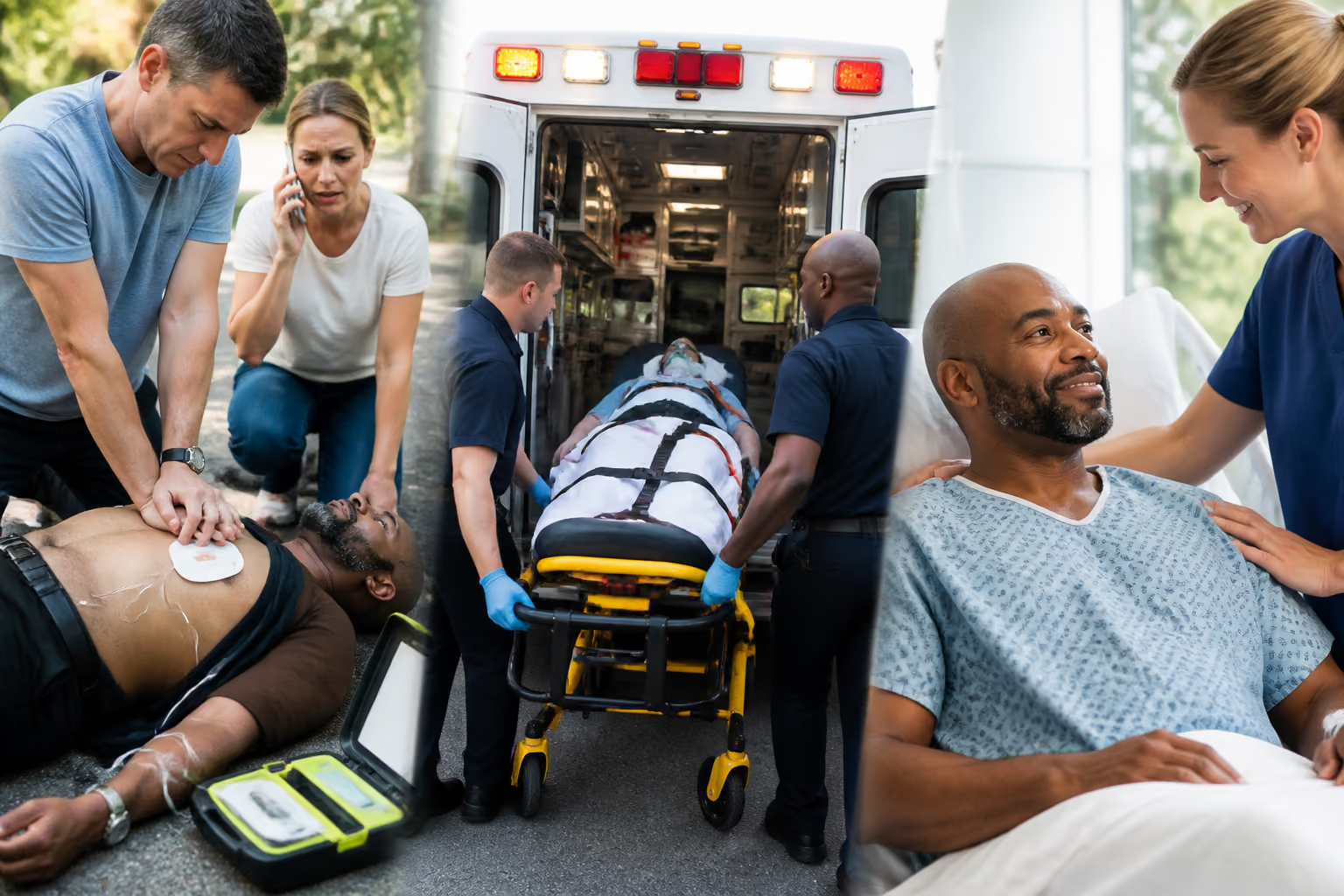
Fort Worth cardiac arrest survivor story centered on CPR, EMS response, and ECMO lifesaving care at Medical City Fort Worth is a reminder that emergency preparedness matters long before anyone expects to need it. In a sudden collapse, CPR, AED use, and fast emergency response can help bridge the critical minutes before advanced care is available.
That lesson resonated in a recent reunion at Medical City Fort Worth, where survivors and caregivers gathered to reflect on recovery, teamwork, and gratitude. One patient’s recovery involved a chain of response that began at work, continued with EMS transport, and extended to specialized hospital care.
Local context for Fort Worth and Tarrant County
For people who live or work in Fort Worth, the story connects directly to everyday readiness. Offices, schools, warehouses, clinics, gyms, and community spaces all depend on staff who can recognize cardiac arrest quickly and act without hesitation. In a city that continues to grow, CPR and AED training remain practical skills for healthcare workers and nonclinical teams alike.
Medical City Fort Worth is one of the local references that shows how coordinated care can support recovery after a life-threatening event. But the most important first step still happens before a patient reaches the hospital: someone nearby has to start CPR and activate emergency response.
Why CPR, EMS response, and ECMO matter
CPR helps maintain some blood flow until advanced responders arrive. EMS crews then bring training, equipment, and rapid transport to the next stage of care. In specialized settings, ECMO can provide temporary heart-and-lung support for patients whose condition is severe enough to require an extra layer of lifesaving technology.
This is not a replacement for early action. It is a reminder that every link in the response chain matters. A bystander who acts, a dispatcher who guides the call, EMS professionals who arrive quickly, and hospital teams who are ready to receive the patient all contribute to the outcome.
What this means for trained responders
- CPR can buy time before advanced care is available.
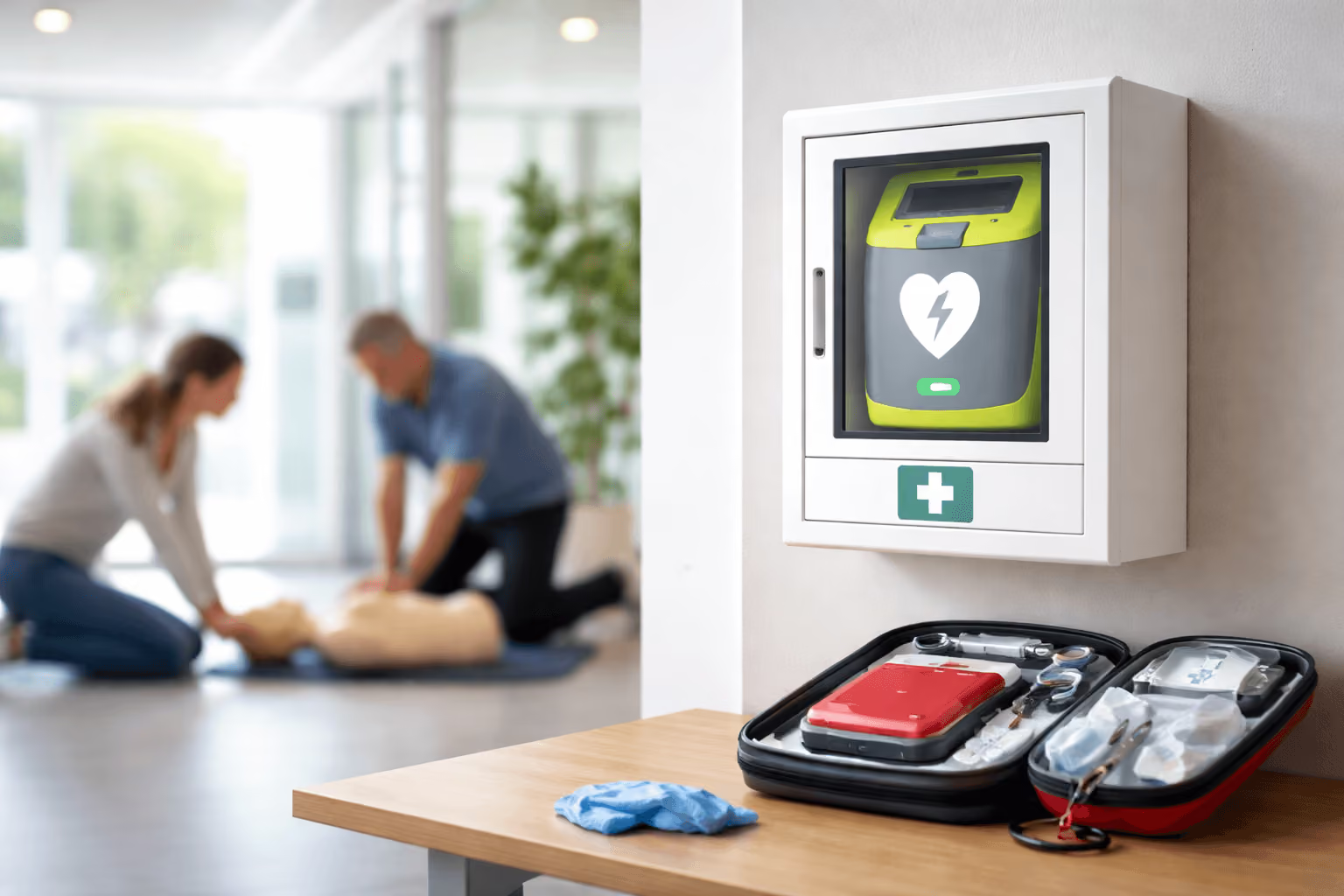
- AED access in public places improves readiness for sudden collapse.
- Emergency response works best when coworkers know their roles.
- First aid awareness helps teams stay calm while waiting for EMS.
Who this article is for
This article is for nurses, medical assistants, EMTs, office managers, fitness staff, educators, and other Fort Worth professionals who want a clearer understanding of why CPR certification remains a standard part of workplace readiness. It is also useful for anyone renewing credentials or preparing for a skills session.
CPR Certification Labs keeps the process straightforward for local learners: schedule online, complete the online course portion, and attend the in-person skills session at the Fort Worth office. That simple flow makes it easier to fit training into a busy workweek.
Benefits of choosing CPR Certification Labs in Fort Worth
Local training should be practical, convenient, and easy to complete. At CPR Certification Labs, participants can prepare for CPR, BLS, or related workplace training with a clear path from enrollment to skills practice. The Fort Worth office serves professionals who want local access and a direct schedule.
The office is located at 6940 River Park Circle in Fort Worth, TX. That location can be helpful for nearby healthcare professionals and other workers who need a reliable place for in-person training. Hours are Monday through Sunday, 7am - 8pm, which supports weekday and weekend availability.
For more information or to book your visit, use the Fort Worth office page: Fort Worth office page.
Nearby facilities and local references
Fort Worth learners often come from surrounding medical offices, commercial districts, and community workplaces across Tarrant County. River Park Circle is a convenient area for reaching training appointments, and the office is positioned for local access without requiring a long trip across town.
When a cardiac arrest happens, nearby facilities matter, but nearby people matter even more. A coworker who knows CPR, a receptionist who calls for help, or a manager who keeps an AED accessible can make a meaningful difference while EMS is on the way.
This article is for general educational purposes only and is not a substitute for professional medical advice, diagnosis, treatment, or certified CPR training. In an emergency, call 911 immediately.
Book CPR training in Fort Worth
If you work in healthcare or a public-facing job in Fort Worth, now is a good time to review your CPR status and plan your next skills session. The Fort Worth office at CPR Certification Labs offers a local option for learners who want a straightforward process and a convenient schedule.
Next step: schedule online, complete the online course portion, and attend the in-person skills session in Fort Worth.
FAQ
Why is CPR still important if advanced hospital care is available?
Because the first few minutes after cardiac arrest are critical. CPR helps support blood flow until EMS and hospital teams can take over.
What does ECMO do in a hospital setting?
ECMO is specialized support that can help the heart and lungs rest while a care team manages a serious condition.
How do I get started with Fort Worth training?
Begin by scheduling online, then complete the course portion and attend the in-person skills session at the Fort Worth office.