CPR training in Dallas and the school-based push to teach lifesaving skills
CPR training in Dallas is getting more attention as North Texas schools work to make sure students learn what to do in a cardiac emergency. The conversation matters because CPR, AED awareness, and basic emergency response skills can help prepare young people to act when seconds count.
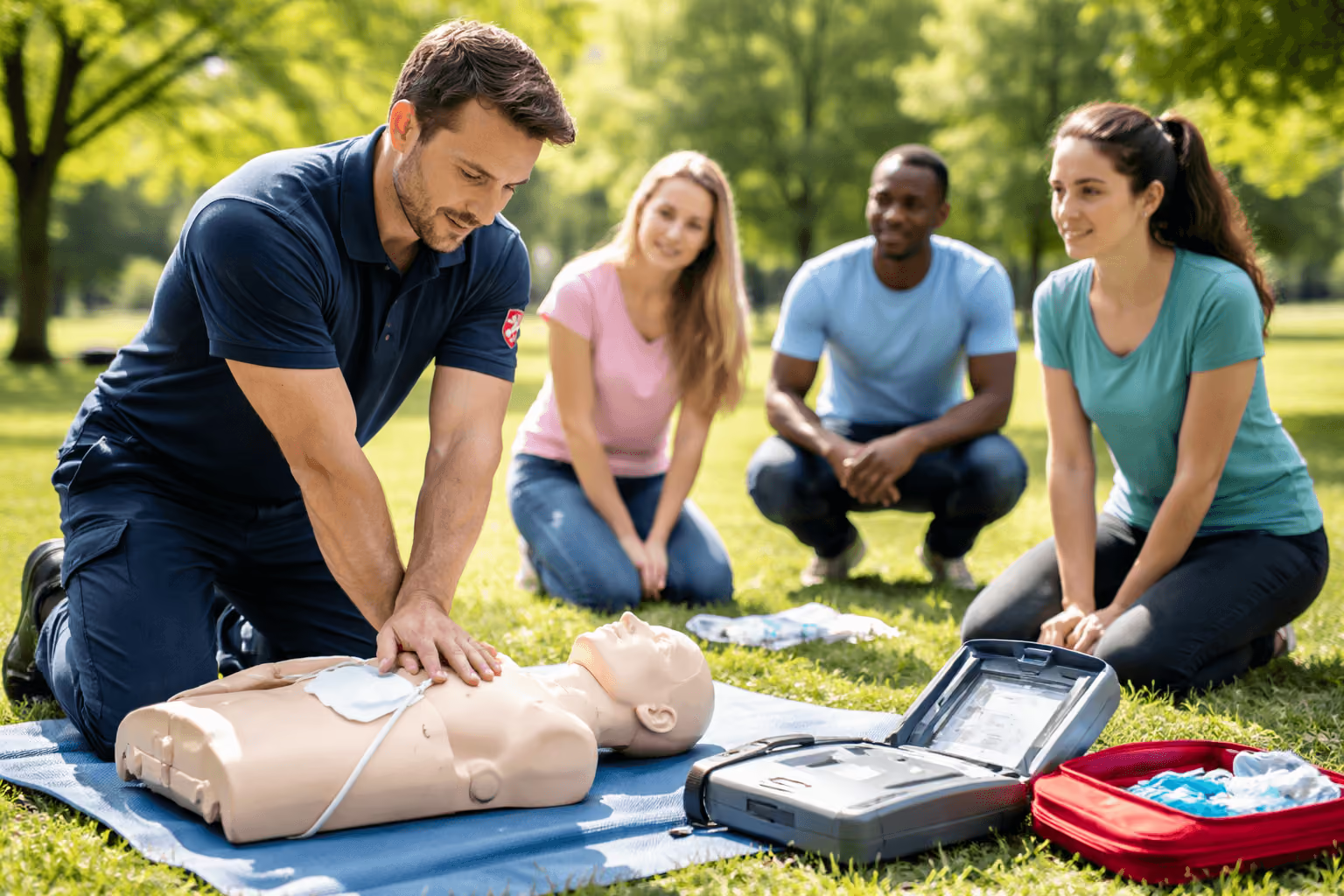
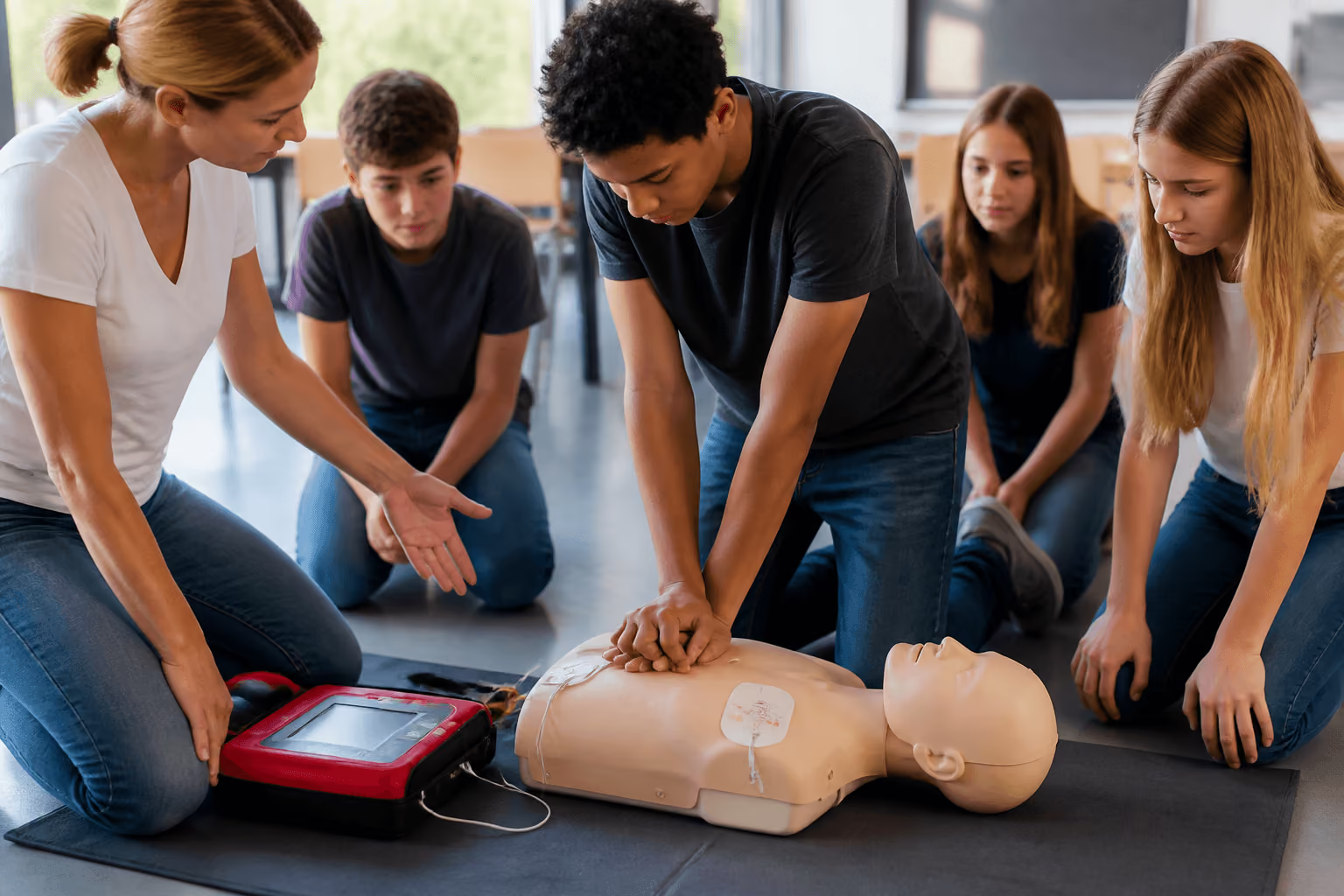
Across Texas, schools are expected to teach CPR before students graduate. The goal is not just to show a video or review a worksheet. Students are supposed to get hands-on practice so they can learn chest compressions, understand the rhythm of Hands-Only CPR, and build confidence in a real emergency.
What the school CPR requirement means in Texas
Texas law requires school districts to teach CPR to students before high school graduation. In practice, that means instruction should include active participation rather than passive viewing. The training is designed to help students understand the steps involved in emergency response and to give them a chance to practice the motion and timing of compressions.
The lesson is important because sudden cardiac arrest can happen without warning. When people know how to respond, they are more likely to step in quickly, call 911, and begin CPR while waiting for professional help and an AED to arrive.
During the pandemic, many schools had to pause or delay in-person training. As districts recovered, some worked hard to catch students back up so the requirement would not be missed. That effort shows how public health education and classroom instruction can work together to strengthen a community.
Why hands-on CPR and AED practice matters
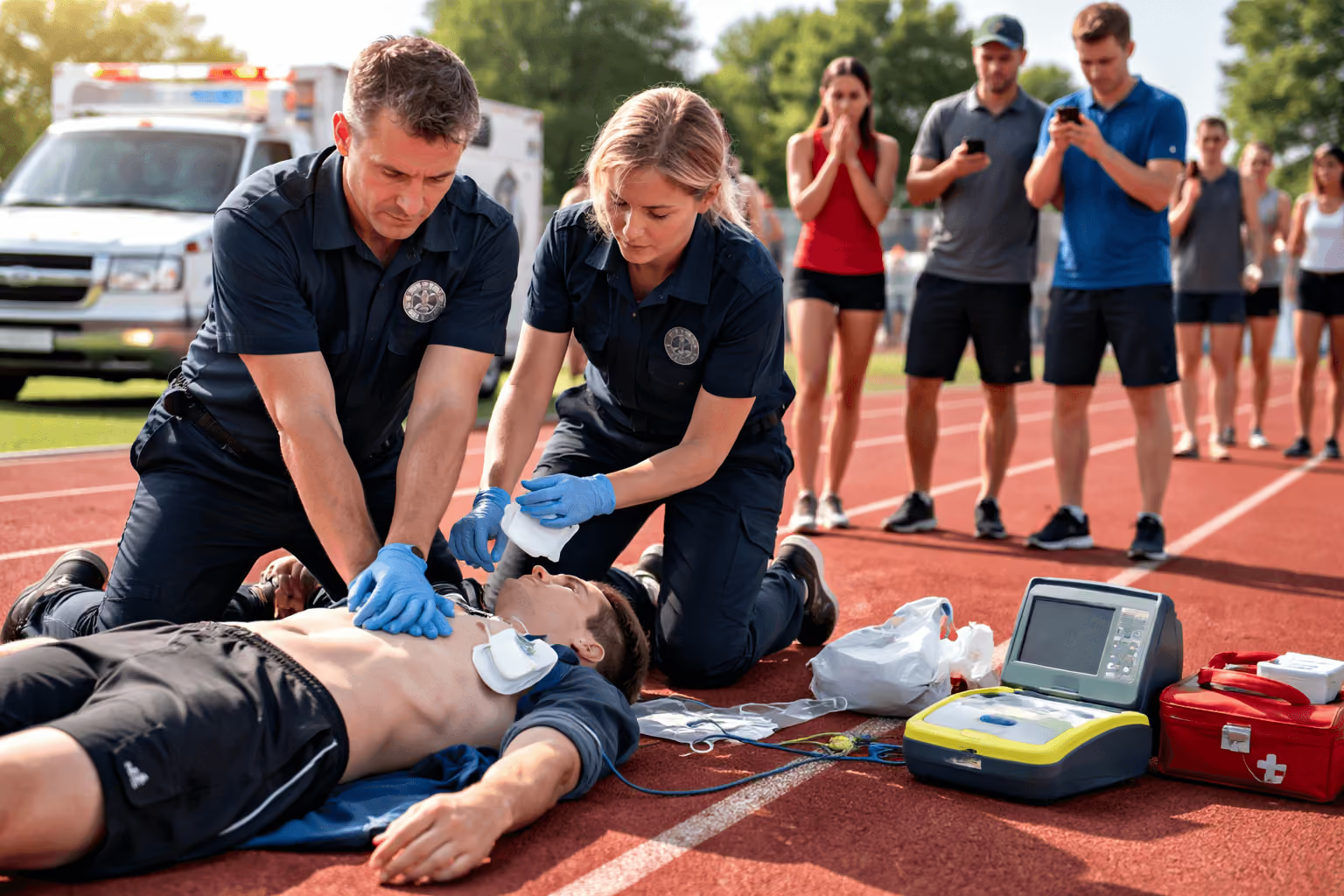
In-person practice helps students move beyond recognition and into action. Learning CPR in a classroom or gym setting gives them a chance to practice body position, compression technique, and teamwork. It can also reduce hesitation later if they ever see someone collapse in public, at school, or at home.
Some North Texas districts have gone beyond the minimum requirement by adding AED instruction, bringing in local firefighters, and using training equipment that allows more students to participate. This kind of instruction is valuable because AED use is a critical part of emergency response and can be easier to understand when students see the device and practice the steps.
That extra training also helps normalize the idea that CPR and AED use are community skills, not just skills for healthcare workers. For students, that can mean greater confidence. For families, it can mean one more person in the home who knows what to do during a medical emergency.
Who this matters for
This topic matters to students, parents, teachers, school nurses, athletic staff, coaches, and anyone involved in youth programs. It also matters to new healthcare workers, office staff, childcare providers, and community members who want to be ready in an emergency.
For Dallas-area families, CPR training in Dallas is especially relevant because cardiac arrest often happens at home, where family members are usually the first people on scene. A student who learns CPR in school may one day be the person who helps a parent, grandparent, coach, or neighbor before emergency responders arrive.
How CPR Certification Labs supports local training goals
CPR Certification Labs helps adults build practical skills through CPR, BLS, ACLS, AED, and first aid training designed for real-world emergency response. The focus is clear, professional instruction that helps learners understand what to do, how to respond, and when to seek advanced medical help.
For people in Dallas who want convenient local training, the Dallas - Oak Cliff office is a practical option. It serves healthcare professionals and other learners who need straightforward instruction in a setting that is easy to access and built around busy schedules. The office is located at 5787 S Hampton Rd, Suite 430, Dallas, TX, and offers classes seven days a week from 7am to 8pm.
That kind of access matters because skills fade when they are not practiced. Regular CPR and first aid refreshers help students, workers, and families stay ready for emergencies and reinforce the importance of fast action.
Nearby local references and community relevance
North Texas school districts, local fire departments, and community health organizations all play a role in CPR education. The success of school programs depends on practical instruction, available equipment, and continued support after disruptions such as staffing shortages or schedule changes.
In Dallas, this community approach fits the needs of neighborhoods where people live, work, learn, and care for one another every day. Training that includes CPR, AED use, and first aid helps prepare more bystanders to respond before EMS arrives. That is especially important in schools, gyms, workplaces, and family settings where immediate action can make a difference.
What to do in a sudden emergency
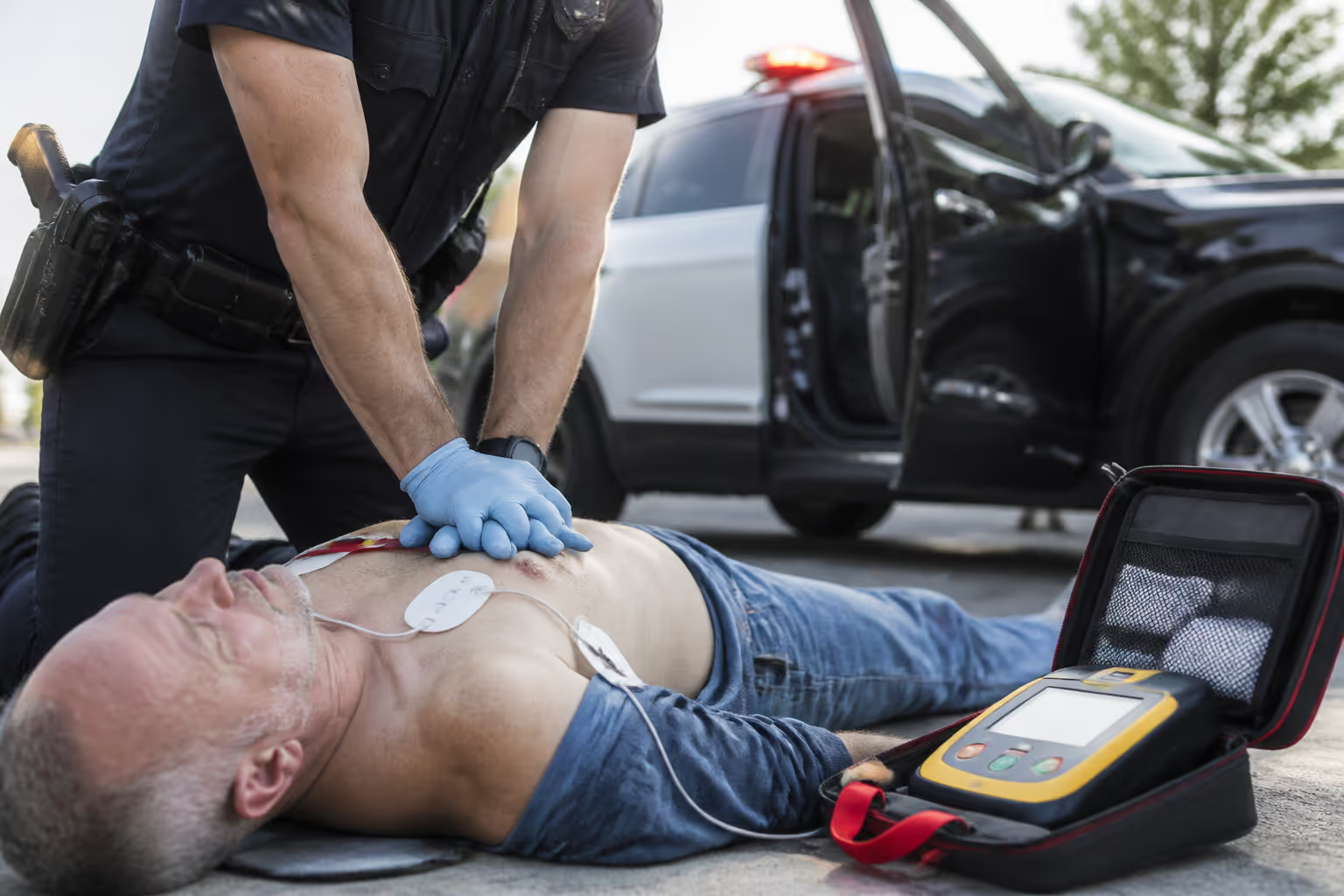
If someone is unresponsive and not breathing normally, call 911 right away and begin CPR if you are trained. If an AED is available, send someone to get it and follow the device prompts. Keep responding until emergency personnel take over.
This article is for general educational purposes only and is not a substitute for professional medical advice, diagnosis, treatment, or certified CPR training. In an emergency, call 911 immediately.
For Dallas-area learners who want dependable instruction in a local setting, visit CPR Certification Labs Dallas - Oak Cliff to explore class options and schedule training that fits your needs.
FAQ
Do students need to be certified by Texas law?
No. The law requires CPR instruction before graduation, but districts are not required to make every student certified.
Does school CPR training include AED use?
Some districts go beyond the minimum and include AED instruction along with CPR practice.
Why is CPR training important for families?
Because many cardiac emergencies happen at home, and the first responder is often a family member or friend.
About our Dallas - Oak Cliff office
- Address: 5787 S Hampton Rd, Suite 430
- Phone: (972) 362-5542
- Email: dallas@cprcertificationlabs.com
- Hours:
7am - 8pm / 7 Days a Week!