CPR training in Dallas and a new wave of fan-driven learning
CPR training in Dallas is getting renewed attention after Hands-Only CPR practice became part of the FIFA Fan Experience in the city. The idea is simple and powerful: bring CPR, AED awareness, and emergency response skills to people where they already gather, and make lifesaving action feel approachable.
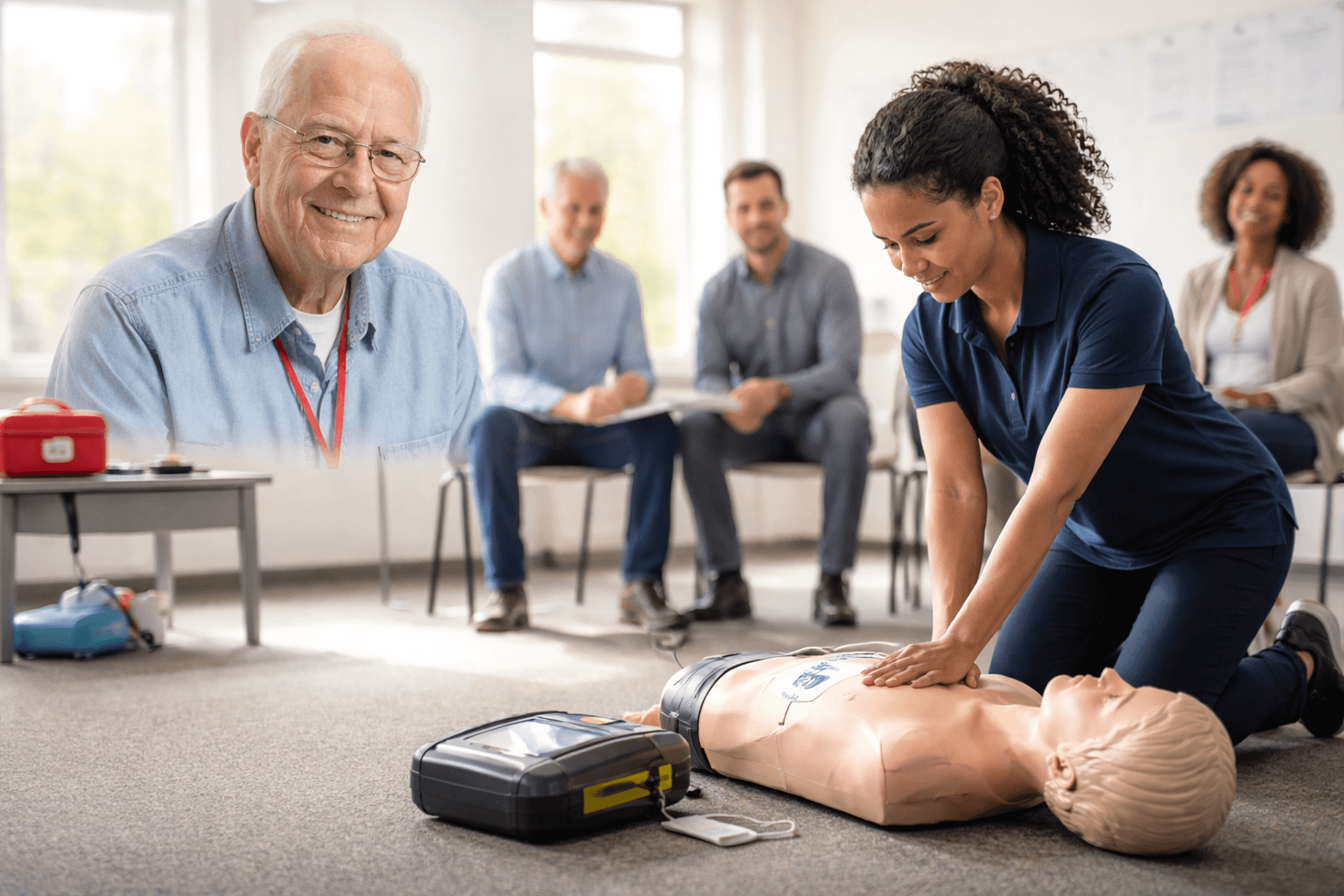
At the Dallas fan event, attendees practiced chest compressions as part of a large public CPR education effort that has already reached more than 800,000 training compressions across FIFA Fan Experiences in the United States. For many people, this kind of hands-on practice is the first step toward feeling ready if a cardiac emergency happens nearby.
What happened at the FIFA Fan Experience
Across several host cities, fans took part in short, practical sessions focused on recognizing cardiac arrest and responding quickly. The training centered on Hands-Only CPR, which teaches bystanders to call 911 and begin strong, steady compressions in the center of the chest.
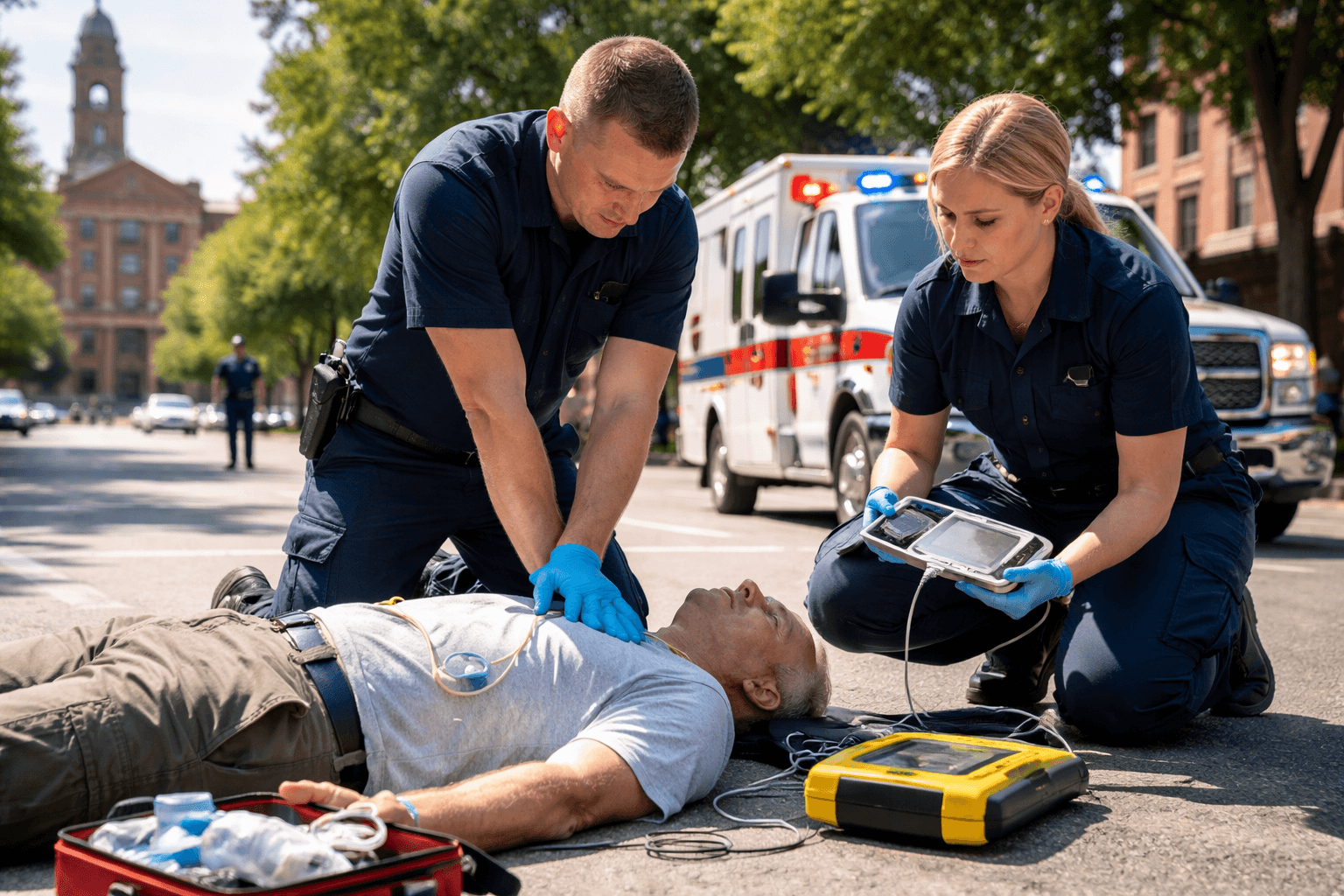
That message matters because cardiac arrest is different from a heart attack, and it can happen without warning. In a true emergency, fast action from a bystander can help keep blood moving until professional responders arrive. The goal of these public events is not to turn fans into paramedics; it is to help ordinary people take the first critical step.
Why CPR training in Dallas matters
Dallas is a busy city with stadiums, workplaces, schools, restaurants, and neighborhoods where people spend time together every day. When someone collapses and stops responding, the people closest to them are often the first to notice. That is why CPR training in Dallas is important for families, students, coaches, fitness staff, office teams, and anyone who wants to be prepared.
Hands-Only CPR is especially useful for teens and adults in the first minutes of a cardiac arrest. It is designed to be simple, memorable, and practical under pressure. Even if you have never used CPR before, learning the sequence can help you act faster instead of freezing.
Disclaimers and basic emergency response guidance
This article is for general educational purposes only and is not a substitute for professional medical advice, diagnosis, treatment, or certified CPR training. In an emergency, call 911 immediately.
If a person is unresponsive and not breathing normally, the best next step is to call 911, send someone to get an AED if one is nearby, and begin CPR if you are trained or instructed to do so by dispatch. An AED can provide important guidance for certain sudden cardiac arrest situations, and many public locations now keep one on site.
For most bystanders, the key lesson is not perfection. It is speed, awareness, and willingness to help. Emergency response works best when someone recognizes the problem early and acts without delay.
Who this article is for
This update is useful for healthcare professionals, teachers, coaches, parents, employers, event staff, and community members who want to strengthen their CPR and first aid readiness. It is also relevant for anyone in Dallas who attends large events and wants to feel more confident if an emergency happens nearby.
- People who want practical CPR and AED awareness
- Workplaces building an emergency response plan
- Schools and youth sports programs
- Families preparing for home emergencies
- Anyone looking for CPR training in Dallas
Why hands-on practice helps
Training compressions are more than a statistic. Repeating the motion helps people understand the pace, pressure, and body position needed for effective chest compressions. It also helps reduce hesitation, which is one of the most common barriers to action during a crisis.
Public demonstrations at events like the FIFA Fan Experience show that CPR education does not have to happen only in a classroom. It can also be short, engaging, and community-based. That matters in a city like Dallas, where people move quickly and need training options that fit real schedules.
Benefits of choosing CPR Certification Labs
CPR Certification Labs offers local training that is designed to be clear, practical, and accessible. For people seeking CPR training in Dallas, a local class can help connect the skills learned at a public demonstration with a more structured training experience. That includes CPR, AED awareness, first aid basics, and emergency response habits that support confidence at work and at home.
The Dallas - Oak Cliff office is located at 5787 S Hampton Rd, Suite 430, Dallas, TX, with hours from 7am to 8pm, 7 days a week. If you are ready to build on what you learned from the news or want a class that fits your schedule, visit our Dallas office page for details.
Nearby local relevance
For Dallas residents, this conversation connects easily to everyday life around schools, fitness centers, places of worship, offices, and community events. Whether you are near Oak Cliff, downtown, or another part of the city, the need for CPR readiness is the same: know what to do, act quickly, and use the resources around you, including an AED when available.
Large public events can be a reminder that emergency response skills belong to everyone, not just clinicians. A few minutes of practice can make a difference when the unexpected happens.
FAQ
What is Hands-Only CPR?
Hands-Only CPR is a form of CPR that focuses on chest compressions without rescue breaths for certain teen and adult emergencies. It is meant to help bystanders respond quickly while waiting for emergency medical help.
When should I call 911?
Call 911 right away if someone is unresponsive and not breathing normally, or if you are unsure whether the situation is a cardiac emergency. Do not wait to see if the person improves.
Is AED use part of CPR training?
Yes. Many CPR courses also explain how to recognize and use an AED, since early defibrillation can be an important part of emergency response in some cardiac arrest cases.