Cardiac arrest survival Fort Worth and why response time matters
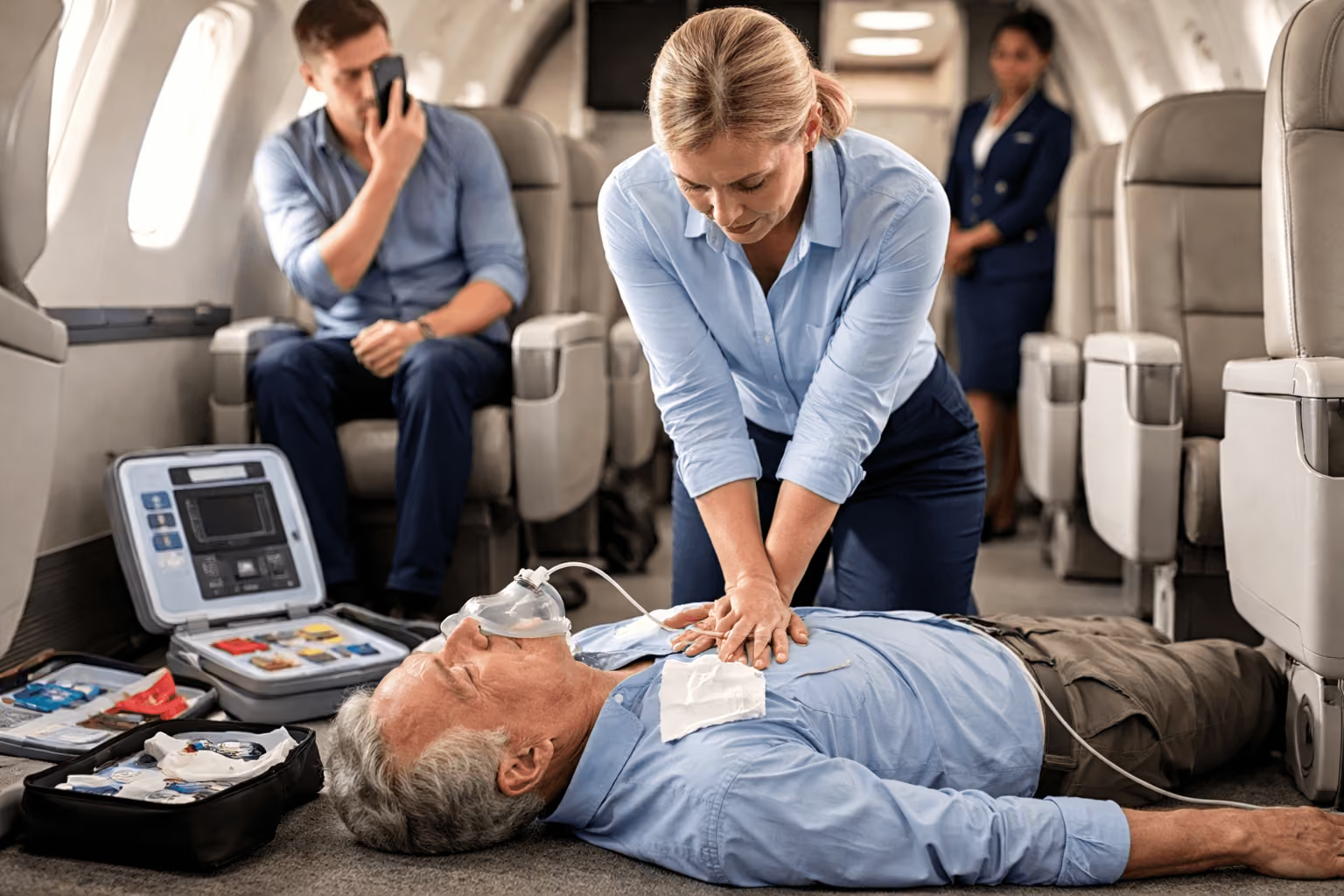
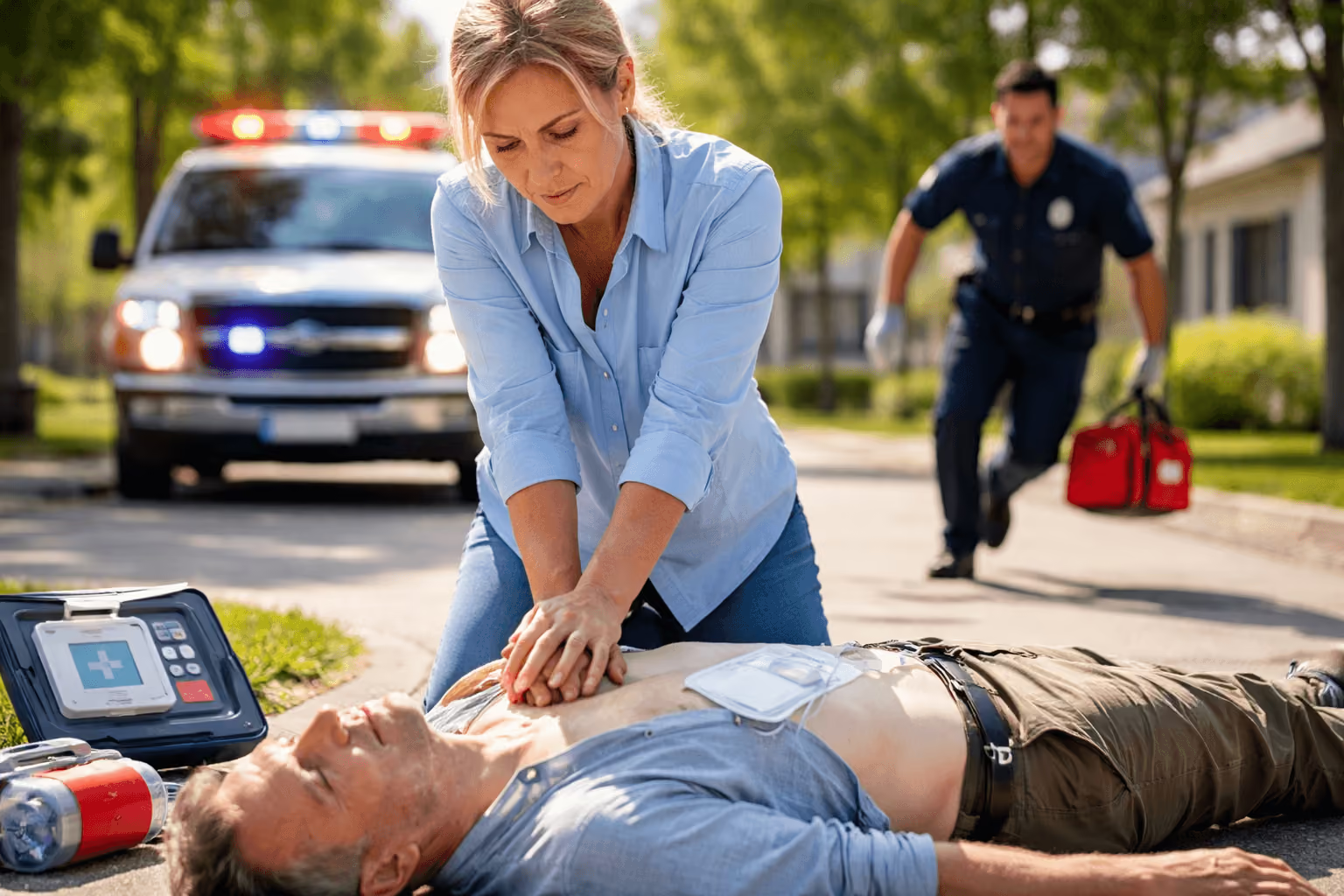
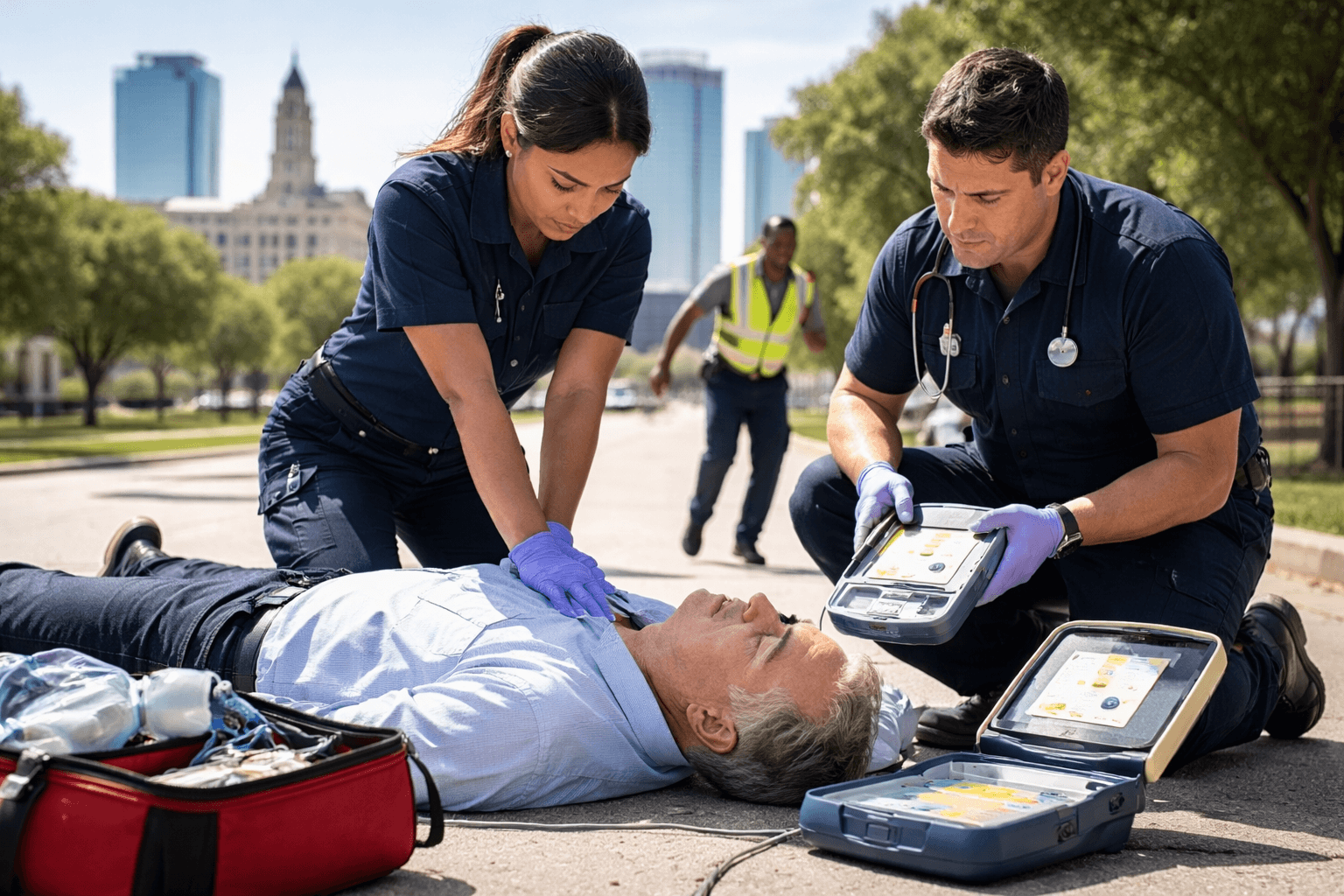
Cardiac arrest survival Fort Worth is a reminder that outcomes can improve when bystanders, workplaces, and healthcare teams respond quickly. When someone collapses and the heart stops pumping effectively, every minute matters. Fast CPR, early AED use, and a clear emergency response plan can help support better outcomes before first responders arrive.
This local trend also shows why CPR education is valuable for people who work in clinics, gyms, schools, long-term care settings, and other public spaces across Fort Worth.
What Fort Worth residents can learn from local survival trends
Higher survival rates are not an accident. They usually reflect a community that knows how to recognize an emergency and act without hesitation. In Fort Worth, that means more people understanding when to start CPR, where to find an AED, and how to keep a scene organized until help arrives.
For healthcare professionals and workplace teams, the lesson is practical: short delays can change outcomes, while preparation helps teams respond with confidence. That is why CPR and AED training remains important in a city with busy hospitals, outpatient offices, and high-traffic workplaces.
CPR, AED, and emergency response basics
CPR Certification Labs helps learners build a straightforward response plan through a simple three-step process:
- Schedule online
- Complete the online course portion
- Attend the in-person skills session at the office
This format is designed for working adults who need training that fits into a busy schedule. It is also useful for those renewing an existing credential or adding CPR, AED, and first aid knowledge to their professional skill set.
Training is especially helpful for people who may be the first to respond in a clinic, office, school, fitness center, or community setting. A clear plan can reduce hesitation and improve coordination while emergency services are on the way.
This article is for general educational purposes only and is not a substitute for professional medical advice, diagnosis, treatment, or certified CPR training. In an emergency, call 911 immediately.
Who should consider CPR training in Fort Worth
CPR training is a smart fit for nurses, medical assistants, dental teams, caregivers, teachers, coaches, security staff, and anyone responsible for group safety. It is also useful for students entering healthcare programs who want hands-on practice before starting clinical rotations.
Because Fort Worth includes a wide mix of medical, educational, and business settings, practical training can support both professional requirements and everyday preparedness. The goal is simple: know what to do, stay calm, and help bridge the gap until emergency responders arrive.
Why choose CPR Certification Labs in Fort Worth
CPR Certification Labs offers a local office experience at 6940 River Park Circle in Fort Worth, TX, with hours that make scheduling easier for busy learners. The office is accessible Monday through Sunday from 7am - 8pm, and the location is convenient for professionals who want in-person skills practice without a long commute.
Our Fort Worth office focuses on a clear path to completion and a supportive learning experience. If you are renewing CPR or adding AED and first aid training, the process is built to be direct and practical.
Learn more and book your visit at our Fort Worth office page.
Nearby Fort Worth references
Fort Worth learners often come from nearby healthcare offices, education centers, fitness facilities, and commercial districts along major city routes. For many people, the most important factor is finding a nearby training location that fits their schedule and supports hands-on practice.
That local convenience can make it easier to stay current with CPR, AED, and first aid requirements while keeping preparedness top of mind in everyday work settings.
Conclusion
Local cardiac arrest survival Fort Worth trends reinforce a simple point: early action matters. CPR, AED access, and organized emergency response can all support a faster response when seconds count. For healthcare professionals and other community members, training is one of the most practical ways to be ready.