CPR training Fort Worth: why school preparedness matters
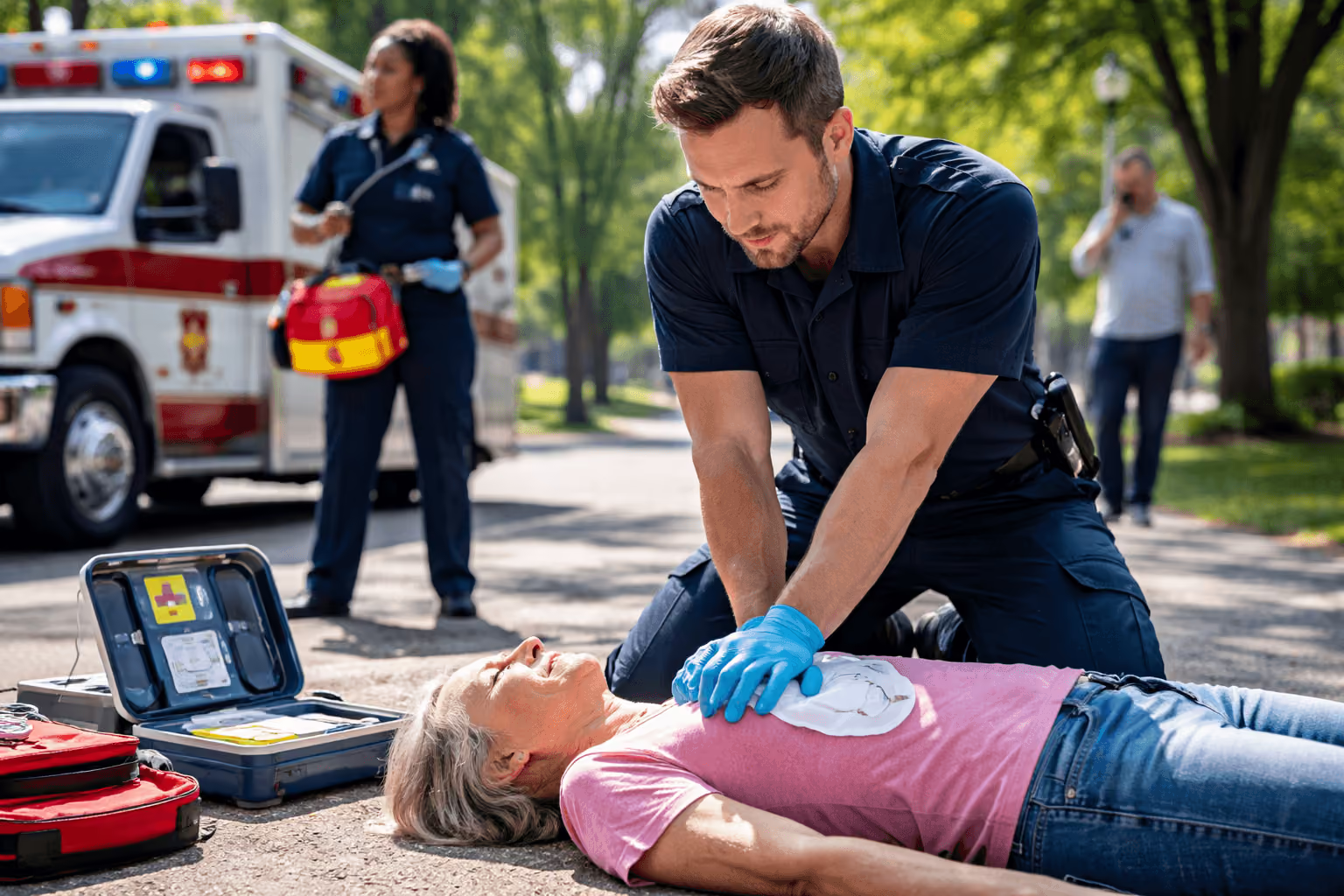
CPR training Fort Worth schools can rely on is an important part of being ready for a cardiac emergency. When a student, coach, or staff member collapses suddenly, the first few minutes matter. A quick response with CPR, an AED, and a clear emergency plan can help bridge the gap until emergency responders arrive.
Recent attention on cardiac arrest in sports has reminded families and school teams that these events can happen without warning. In North Texas, that has renewed focus on programs like Project ADAM, which help schools build stronger CPR and AED readiness.
Local context: North Texas schools and cardiac emergency planning
In North Texas, many schools have worked to improve cardiac emergency readiness through staff training, AED placement, and written response plans. The goal is simple: make sure people know what to do, where the AED is located, and how to act fast when every second counts.
Texas requires schools to have an AED, but equipment alone is not enough. Staff members must know how to use it, and teams need a plan for sports fields, gymnasiums, classrooms, and events held after hours. That is why CPR, AED practice, and emergency response drills are so valuable for school communities in Fort Worth and the surrounding area.
How Project ADAM supports CPR and AED readiness
Project ADAM is a school-focused cardiac preparedness program that helps staff learn CPR, use an AED, and prepare a practical response plan. The broader idea is to create a Heart Safe environment where trained adults can act quickly during a sudden cardiac emergency.
The program also emphasizes ongoing readiness. Schools are encouraged to review training, check AED access, and refresh response procedures regularly. That ongoing practice matters because a plan only helps if staff can use it under stress.
For schools, the most important pieces are straightforward:
- Recognize a possible cardiac emergency quickly
- Start CPR as soon as the person is unresponsive and without a pulse
- Use an AED as soon as it is available
- Follow a written emergency action plan
- Make sure multiple staff members are trained, not just one person
Who this article is for
This topic matters to school administrators, teachers, coaches, athletic trainers, parents, and anyone who helps supervise children or young athletes. It also matters to healthcare professionals and workplace teams who want a better understanding of emergency response in public settings.
Parents may assume a school nurse or athletic trainer will handle every emergency, but cardiac arrest often requires immediate action from the adults already nearby. Coaches and staff should know where the AED is stored, how to bring it to the scene, and how to begin CPR while another person calls 911.
Why AED access and CPR training work together
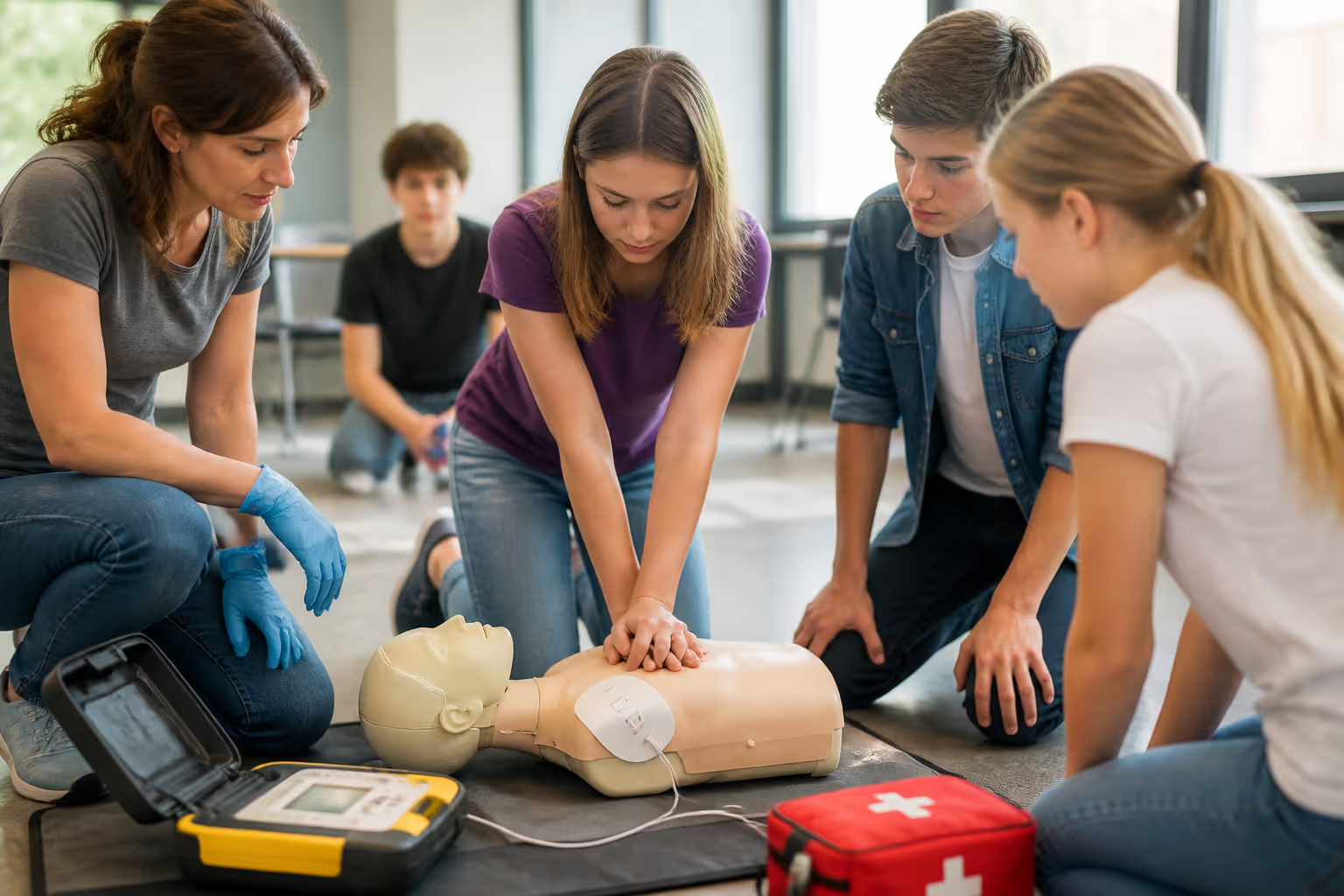
CPR keeps blood moving until the heart can be treated. An AED can analyze the heart rhythm and, in some cases, advise a shock that may help restore a normal rhythm. These two actions work together and are both central to emergency response training.
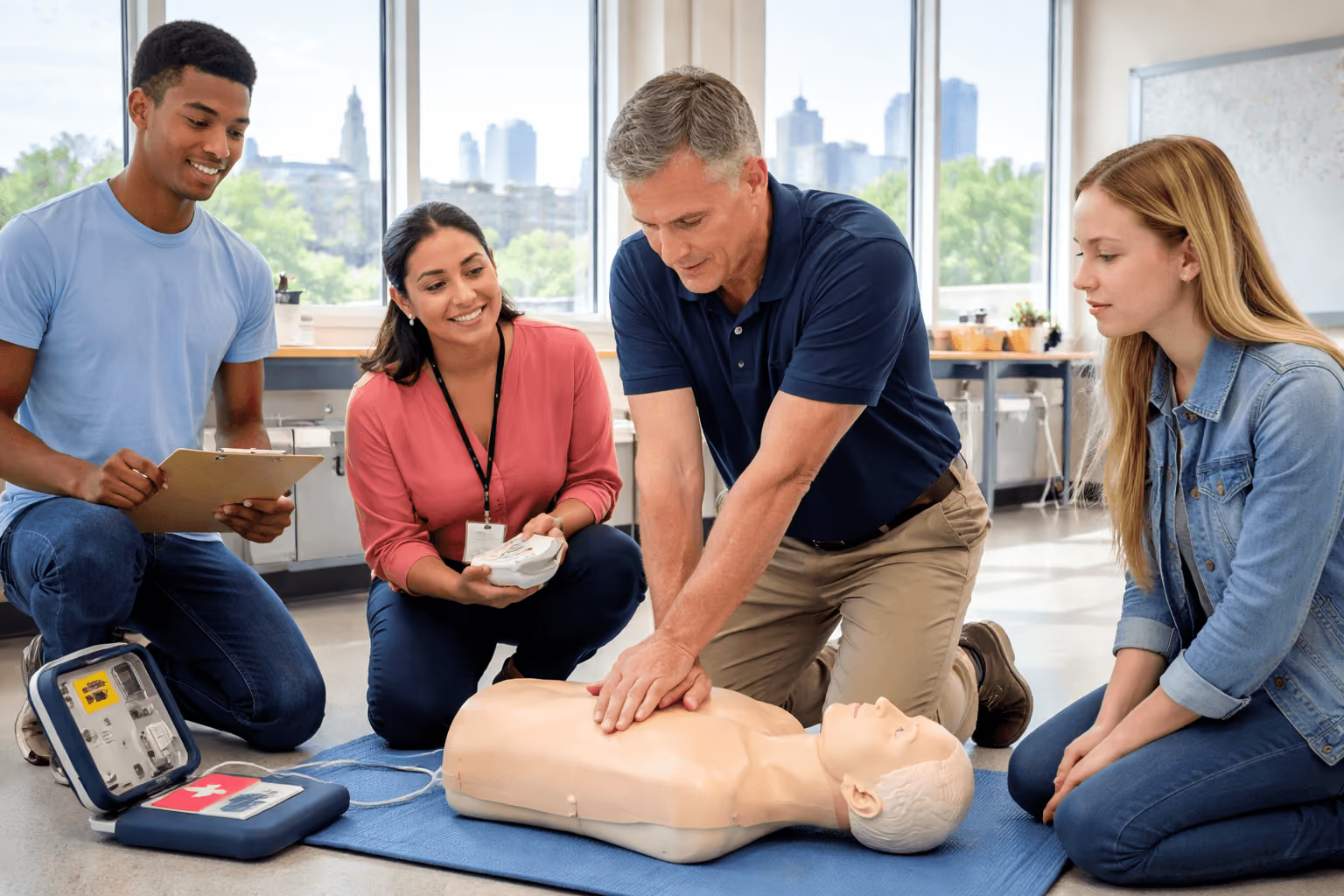
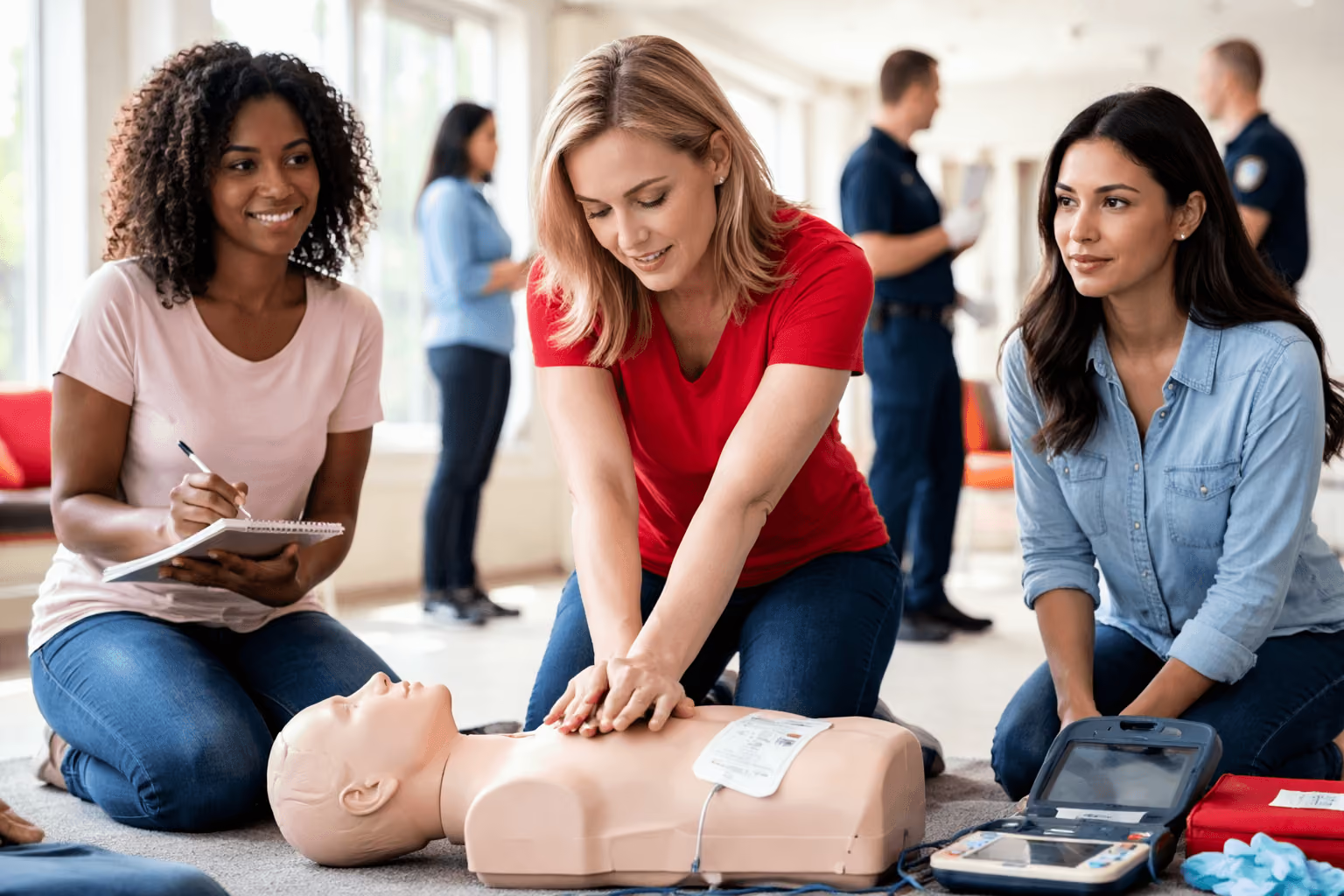
That is why AED drills matter. A device may be present in the building, but response slows down if no one can find it quickly or use it with confidence. Practice helps staff move from uncertainty to action.
In a true emergency, the order is simple: begin CPR, get the AED, and call 911 right away. If more than one trained person is present, they can split those tasks and save valuable time.
Practical advice for schools, sports programs, and families
Schools and youth programs can strengthen their emergency response by making a few habits part of routine safety planning:
- Post AED locations clearly and review them with staff
- Train coaches, aides, and front office staff in CPR and AED use
- Keep a written emergency action plan for athletic areas and events
- Practice response drills before the school year and before major sports seasons
- Talk with parents about emergency procedures at practices and games
Families can also ask questions. Where is the AED? Who is trained? What is the fastest route for EMS access? These questions are not alarmist. They are part of responsible preparation.
Benefits of choosing CPR Certification Labs
CPR Certification Labs offers training that is clear, practical, and designed for people who need real-world confidence. Our courses are built for healthcare professionals, school staff, and community members who want straightforward instruction in CPR, AED use, and first aid.
We focus on helping learners understand what to do in an emergency, not just memorize steps. That means learners can better support schools, clinics, athletic programs, and workplaces where emergency response skills matter.
For local learners, our Dallas - Oak Cliff office makes training more accessible for the Fort Worth and Dallas area. If you are looking for CPR training Fort Worth teams can use in schools or sports settings, our nearby office is a practical place to start: Dallas - Oak Cliff office.
Nearby local reference and community relevance
Fort Worth schools, youth leagues, and community programs all benefit when CPR and AED readiness becomes part of everyday safety culture. Local training sites, school gyms, and athletic fields are all places where a rapid emergency response may be needed. The more familiar staff are with the plan, the faster they can act.
That local readiness is especially important for activities involving children and young athletes, where sudden collapse can be unexpected and frightening. Training gives teams a way to respond with purpose instead of hesitation.
This article is for general educational purposes only and is not a substitute for professional medical advice, diagnosis, treatment, or certified CPR training. In an emergency, call 911 immediately.
FAQ
Why is CPR training important in schools?
CPR training helps school staff respond immediately when a student, athlete, or visitor has a cardiac emergency. Early action can support blood flow until an AED is used and emergency responders arrive.
Does every school need an AED?
Texas schools are required to have an AED, but staff also need to know where it is and how to use it. Equipment, training, and a response plan should all be in place.
What should happen first in a cardiac emergency?
If a person is unresponsive and without a pulse, start CPR right away and send someone to get the AED. Another person should call 911 as soon as possible.
Who should be trained?
Anyone who supervises children or athletic activities should be trained, including coaches, teachers, office staff, aides, and volunteers. Multiple trained responders improve the chance of a fast, organized response.
About our Dallas - Oak Cliff office
- Address: 5787 S Hampton Rd, Suite 430
- Phone: (972) 362-5542
- Email: dallas@cprcertificationlabs.com
- Hours:
7am - 8pm / 7 Days a Week!