McKinney AED program and local emergency response
The McKinney AED program is drawing attention because it shows how a city can improve readiness through public access, citizen training, and faster response. For healthcare professionals, first responders, and community members in McKinney, the message is simple: preparation matters before an emergency starts.
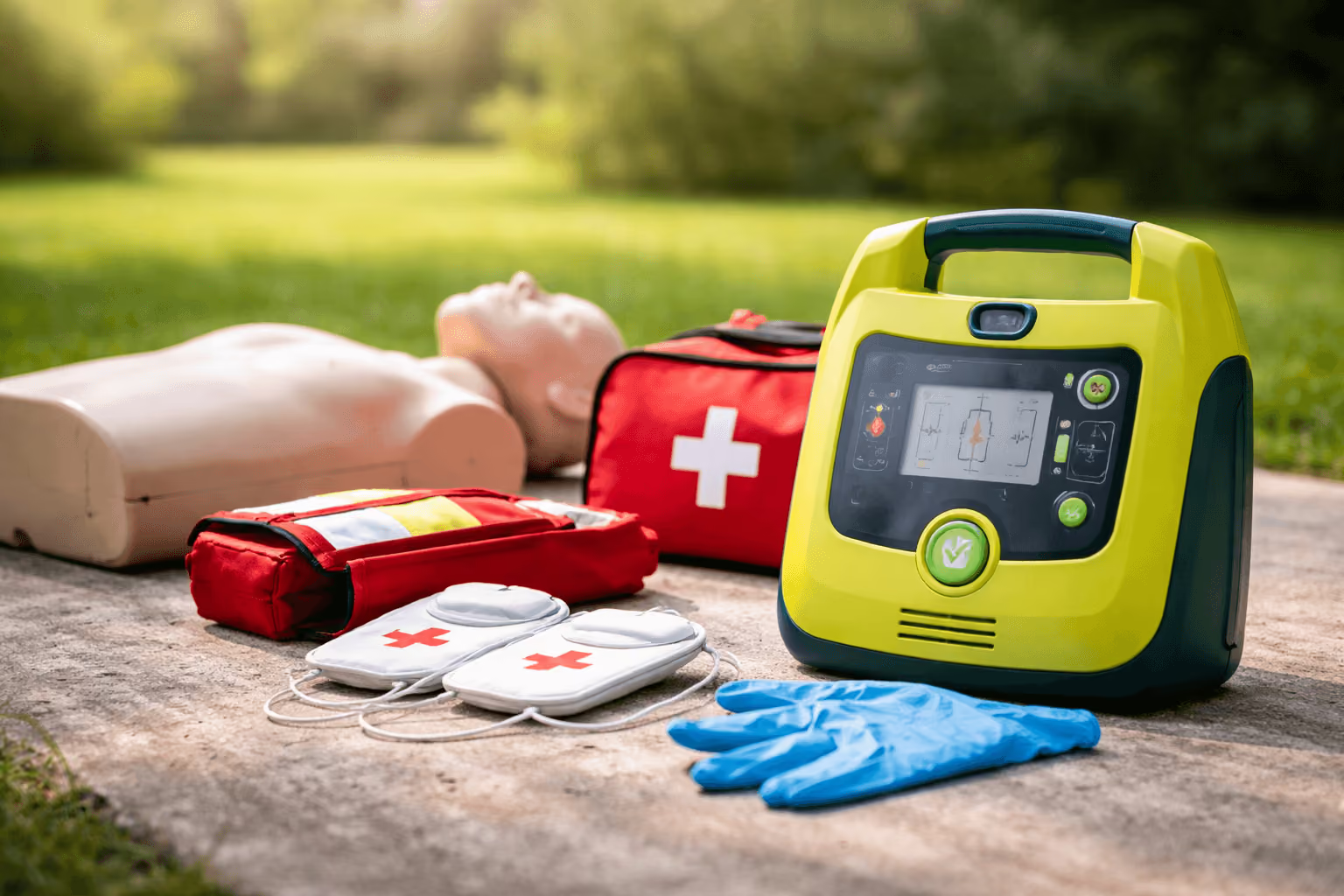
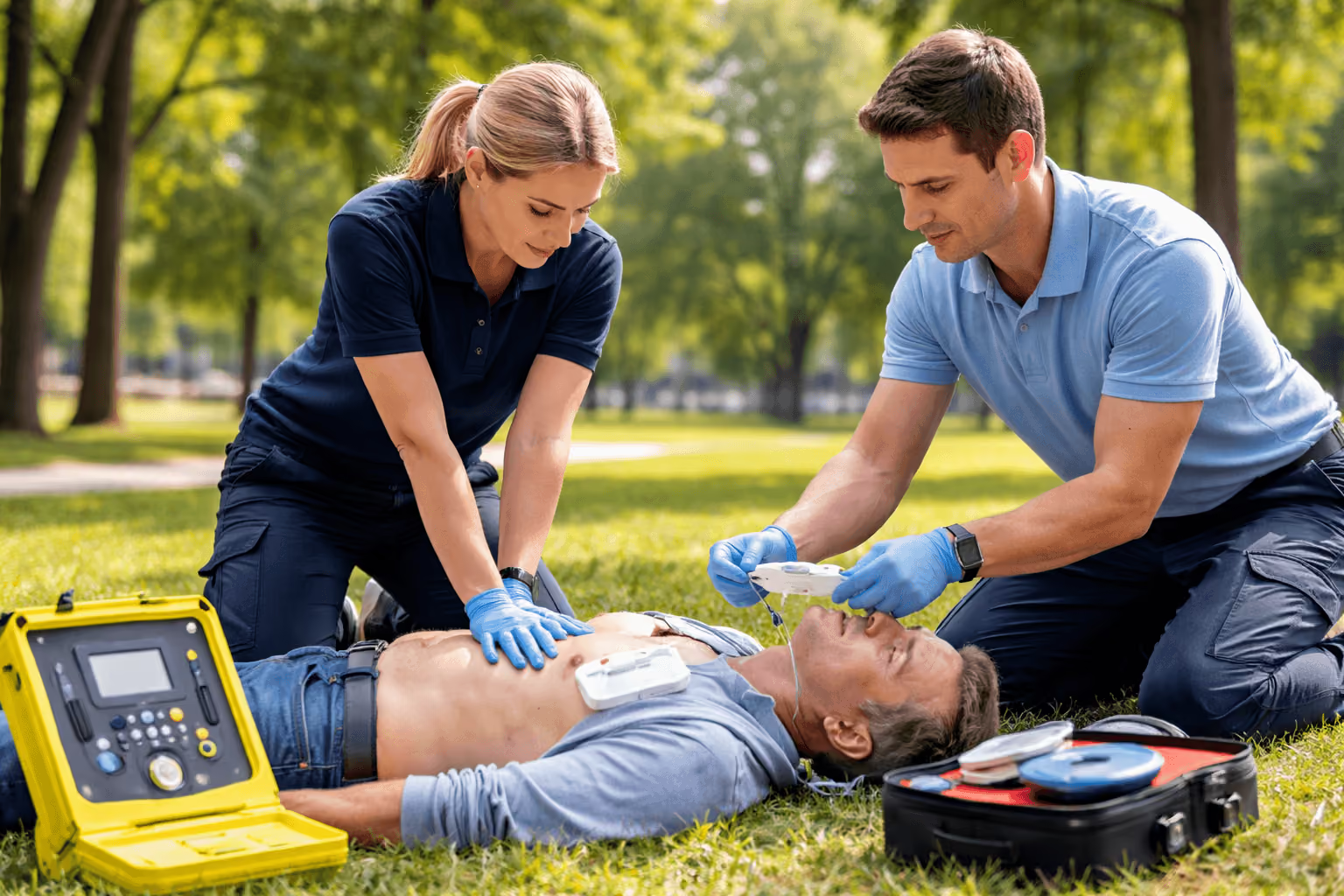
In practical terms, the city’s approach focuses on getting more automated external defibrillators into the community and training people to use them. That kind of planning supports stronger emergency response and reinforces the value of CPR and AED awareness in everyday settings.
This article is for general educational purposes only and is not a substitute for professional medical advice, diagnosis, treatment, or certified CPR training. In an emergency, call 911 immediately.
What the McKinney AED program is trying to improve
McKinney’s public safety efforts are centered on shortening the time between collapse and help. City leaders are working toward broader AED availability so trained citizens can respond sooner when someone needs assistance.
That matters because emergency response is often about coordination. A nearby AED, a bystander who knows CPR, and a fast 911 call can all support a better outcome. The McKinney AED program reflects that layered approach rather than relying on one person or one device alone.
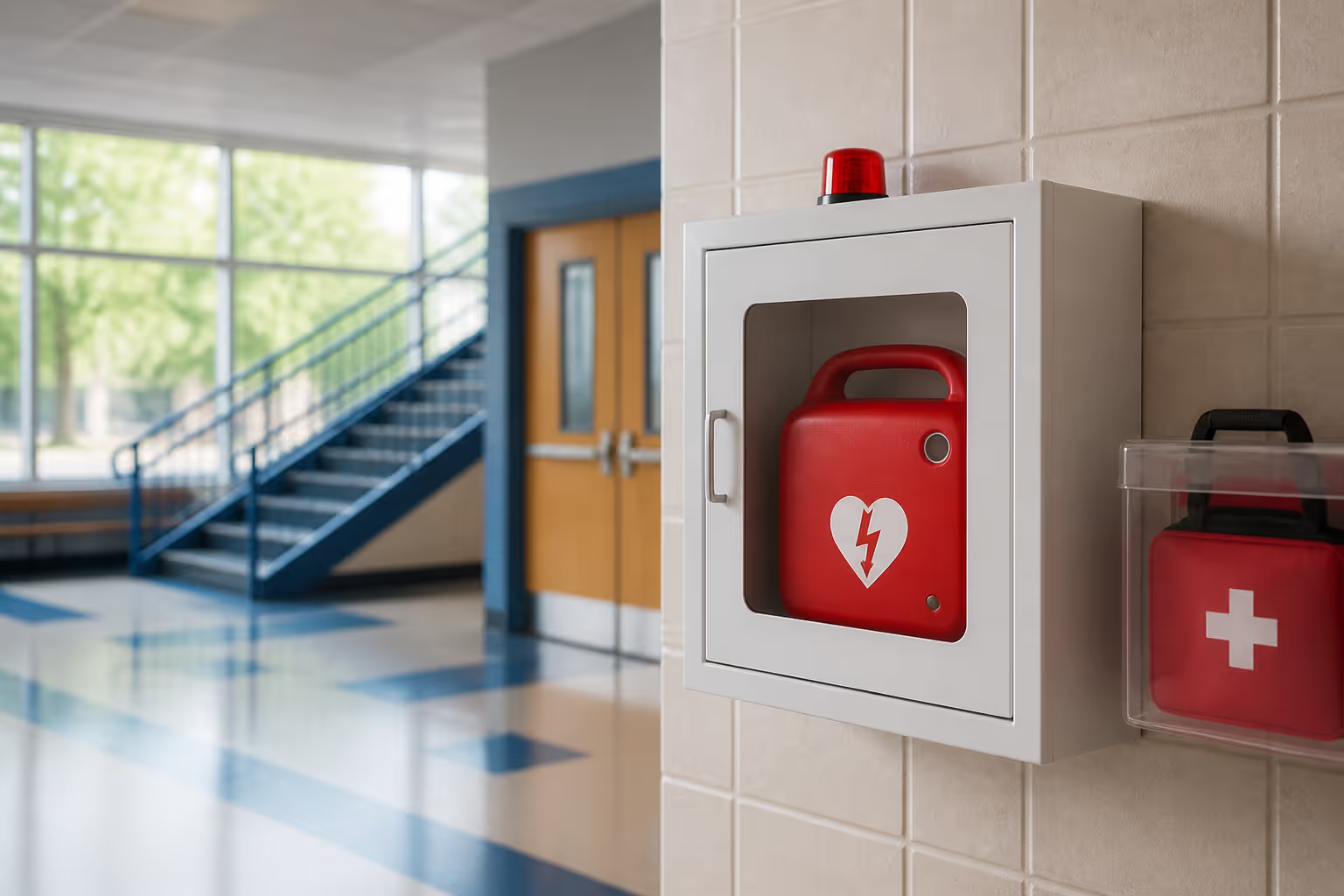
For local workplaces, clinics, fitness centers, schools, churches, and offices, the takeaway is clear: an AED is only one part of preparedness. Staff also need to know where it is stored, how to activate the response plan, and how to begin CPR while waiting for professional help.
Why CPR and AED training matter in McKinney
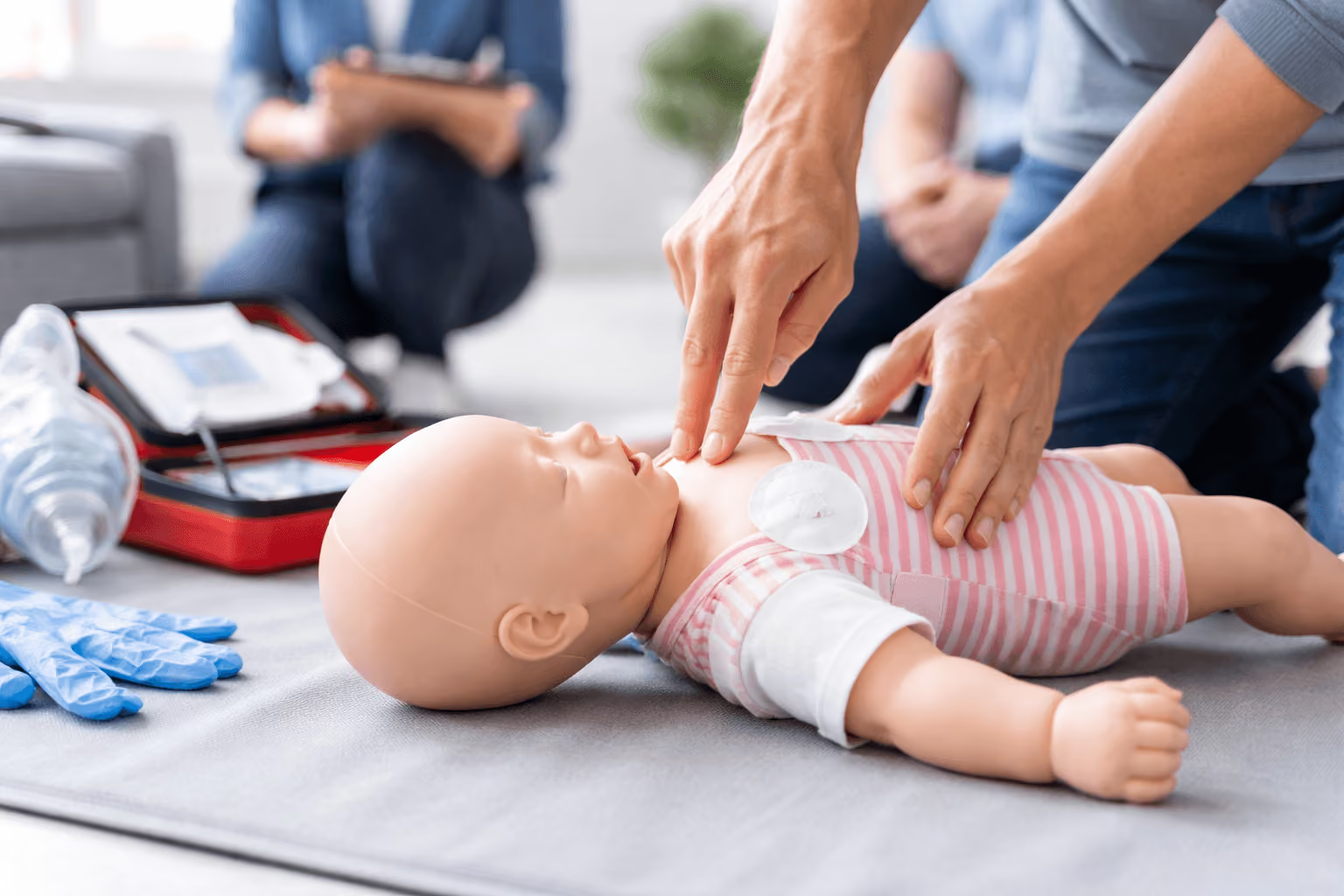
CPR training gives people a structured way to act during stressful moments. AED training adds another layer by helping users feel comfortable with the device, its prompts, and the role it plays in emergency response.
The McKinney AED program also highlights the value of recurring training. Skills fade when they are not used. A short refresher can help workplace teams, school staff, and community volunteers stay confident in CPR and first aid roles.
For busy professionals, the goal is not to become a medical specialist. The goal is to know how to respond quickly, work within a team, and support the chain of survival until emergency crews arrive.
McKinney AED program and the local training need
McKinney’s growth means more people are working, traveling, and gathering across the city every day. That creates a practical need for CPR and AED readiness in more locations, from offices to public facilities.
Training is especially useful for people who serve others directly: nurses, medical assistants, dental teams, fitness staff, educators, childcare teams, and office managers. These groups often help shape workplace response plans and can benefit from clear CPR and first aid instruction.
Local access also matters. When training is available nearby, it is easier for people to renew on time, learn the basics, and fit certification into a demanding schedule without unnecessary travel.
What CPR Certification Labs offers in McKinney
CPR Certification Labs supports learners with a simple three-step process:
- Schedule online.
- Complete the online course portion.
- Attend the in-person skills session at the office.
This format is designed for healthcare professionals and other busy adults who need a direct path to CPR, BLS, or ACLS training. It also helps local teams prepare for workplace response expectations without adding unnecessary complexity.
At the McKinney - Tucker Hill office, learners can complete the hands-on portion at 7200 W University Dr, Suite 218, McKinney, TX. The office hours are Monday to Friday from 6am to 8pm and Saturday to Sunday from 7am to 5pm, which helps make scheduling more flexible for shift workers and weekend learners.
Nearby McKinney references and practical access
For people in the McKinney area, convenient training locations can make the difference between postponing certification and completing it on time. The office is positioned for local access and is suitable for professionals coming from surrounding neighborhoods and nearby work sites.
If you are reviewing your team’s emergency response plan, this is a good time to confirm who is responsible for CPR, where the AED is located, and how quickly someone can begin first aid support while another person makes the 911 call.
That kind of readiness is useful in clinics, office buildings, faith communities, and other public-facing spaces. It also supports a safer environment for coworkers, visitors, and patients.
Book CPR training near the McKinney AED program
If you want to align your skills with the needs highlighted by the McKinney AED program, CPR Certification Labs can help you prepare with a focused, local training path. To learn more or reserve a session, visit the McKinney office page: McKinney - Tucker Hill CPR Certification Labs.
FAQ
Who should take CPR and AED training?
Healthcare professionals, office staff, educators, childcare workers, fitness teams, and community volunteers can all benefit from CPR and AED training.
How does the McKinney AED program relate to training?
The program shows why it helps when more people know how to respond quickly, use an AED, and begin CPR before emergency crews arrive.
Can I renew my certification locally?
Yes. Local training can make it easier to schedule renewal and stay current without a long commute.