Infant CPR Technique and Resuscitation Quality
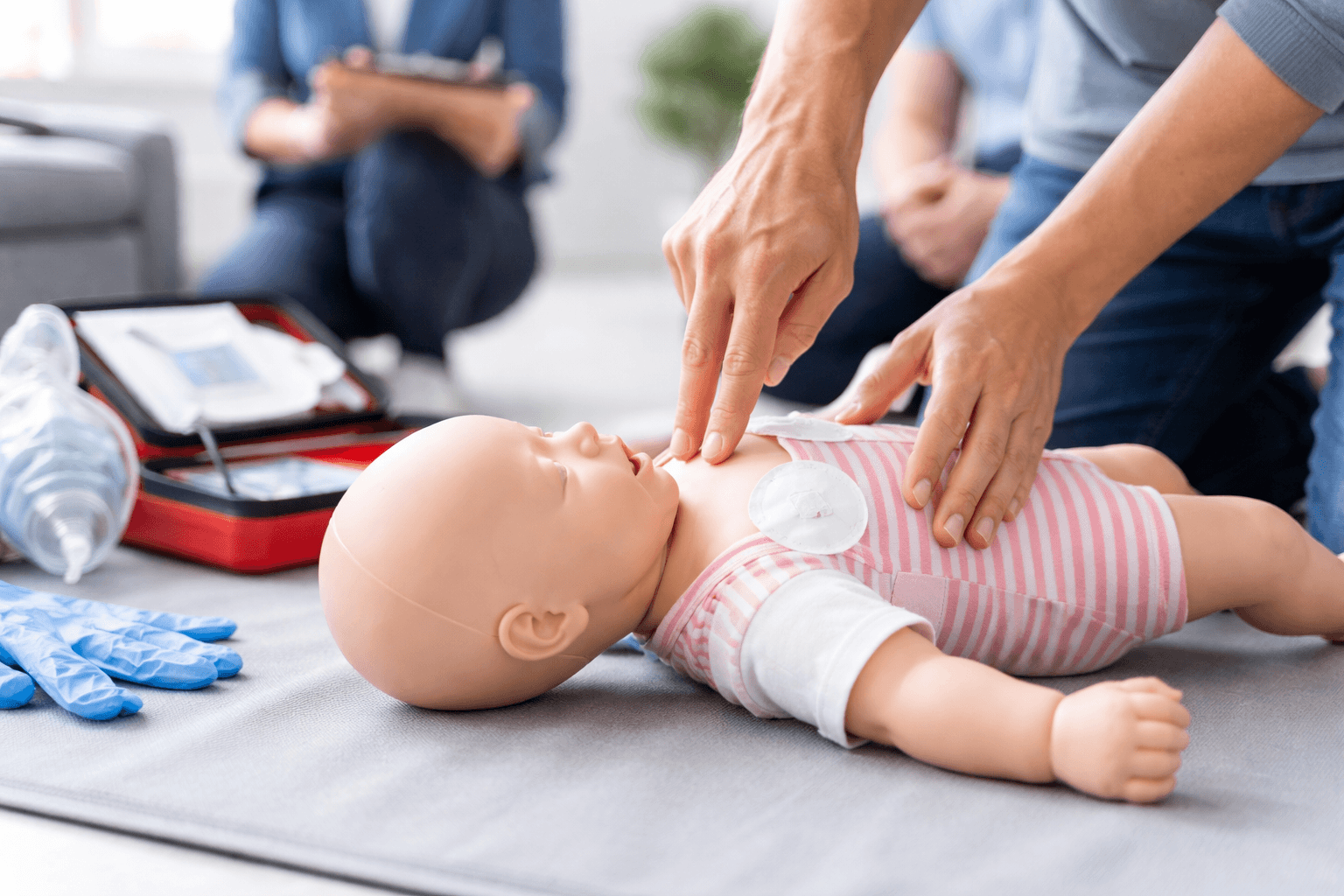
The latest discussion around infant CPR technique focuses on a practical question: how can rescuers deliver high-quality compressions while staying efficient and controlled? A meta-analysis on infant and neonatal cardiopulmonary resuscitation compared the over-the-head and lateral positions, adding useful perspective for clinicians, nurses, and other professionals who may need to respond in a busy care setting.
For teams in Delray Beach, this is a reminder that CPR performance is not only about knowing the steps. It is also about body position, coordination, and the ability to maintain steady technique during an emergency response.
Why the Position of the Rescuer Matters
In infant and neonatal CPR, the rescuer’s position can affect how smoothly compressions are delivered. The over-the-head approach may offer a different hand and body alignment than the lateral position, which can influence consistency during a resuscitation event. Studies like this help reinforce that technique is shaped by more than knowledge alone.
When CPR quality is the goal, small details can matter. A stable setup, clear team roles, and repeated practice can help responders stay focused on compression depth, rhythm, and transitions between tasks. That is especially important when caring for infants and neonates, where precision matters and team communication must stay clear.
Infant CPR Technique in CPR and BLS Training
At CPR Certification Labs, training is designed to help healthcare workers and other professionals build confidence with CPR, AED use, first aid basics, and emergency response skills. The infant CPR technique is part of a larger skill set that includes recognizing when action is needed, working efficiently under pressure, and using a repeatable process.
The CPR Certification Labs process is straightforward:
- Schedule online.
- Complete the online course portion.
- Attend the in-person skills session at the office.
This blended format is practical for professionals who need a flexible way to stay current while still completing hands-on practice. It also supports renewal planning for staff who want a simple path to maintain readiness.
Who This Matters For
This topic is relevant for nurses, medical assistants, EMTs, pediatric staff, and other healthcare professionals who may need CPR skills at work. It also matters for anyone responsible for emergency preparedness in a clinical or community setting. When infant CPR technique is practiced regularly, responders are better prepared to work with confidence and structure.
In a real-world event, there is rarely time to think through every movement from scratch. Repetition helps make the response more automatic, which is why hands-on CPR training remains so important.
CPR Training Benefits in Delray Beach
Delray Beach professionals looking for practical training can benefit from a location that is easy to access and built around busy schedules. The office at 1690 S Congress Ave, Suite 212, Office 33, serves local learners who want a straightforward way to complete training without extra complexity.
CPR Certification Labs also offers convenient hours, with availability from 7am to 8pm, seven days a week. That flexibility can help healthcare workers, clinic staff, and others fit training into demanding schedules while still completing the required skills work.
Nearby local access can make a difference when people are balancing patient care, shift work, and certification deadlines. For those comparing options, a local office and a clear training process can make CPR renewal and initial training easier to plan.
Nearby Access and Local Convenience
For Delray Beach learners, it helps to have a training office that is simple to reach and easy to contact. CPR Certification Labs can be reached at (561) 915-1481 or delraybeach@cprcertificationlabs.com for questions about scheduling and course flow.
If you are ready to plan your visit, you can use the office page here: Delray Beach CPR Certification Labs.
Emergency response reminder
This article is for general educational purposes only and is not a substitute for professional medical advice, diagnosis, treatment, or certified CPR training. In an emergency, call 911 immediately.
When a cardiac emergency happens, the priorities are clear: activate the response system, begin CPR if trained, and use an AED when available. Training helps people act faster and with better technique, which is why practice matters.
Whether you work in a hospital, clinic, dental office, or other care setting, staying current with CPR skills supports better preparation. A focused infant CPR technique course can help reinforce the mechanics of compressions while keeping the response organized and professional.
FAQ
What does this meta-analysis add to CPR training?
It highlights that rescuer position can influence CPR quality, which is useful when learning infant and neonatal resuscitation skills.
Is this only for pediatric specialists?
No. Any healthcare professional who may respond to an emergency involving an infant can benefit from CPR practice and refresher training.
How do I get started in Delray Beach?
Schedule online, complete the online portion, then attend the hands-on skills session at the Delray Beach office.