Corpus Christi CPR and the importance of fast action
Corpus Christi CPR training can make a critical difference when a sudden collapse happens during a game, practice, or community event. A recent baseball emergency near Corpus Christi showed how quickly CPR, AED support, and trained responders can work together when every second matters.
The incident involved Gregory-Portland senior Quinn Supnet during a tournament game in Calallen. After a collision on the field, he became unresponsive, and the people around him moved immediately to help. That rapid response helped turn a frightening scene into a survival story.
What happened at the game
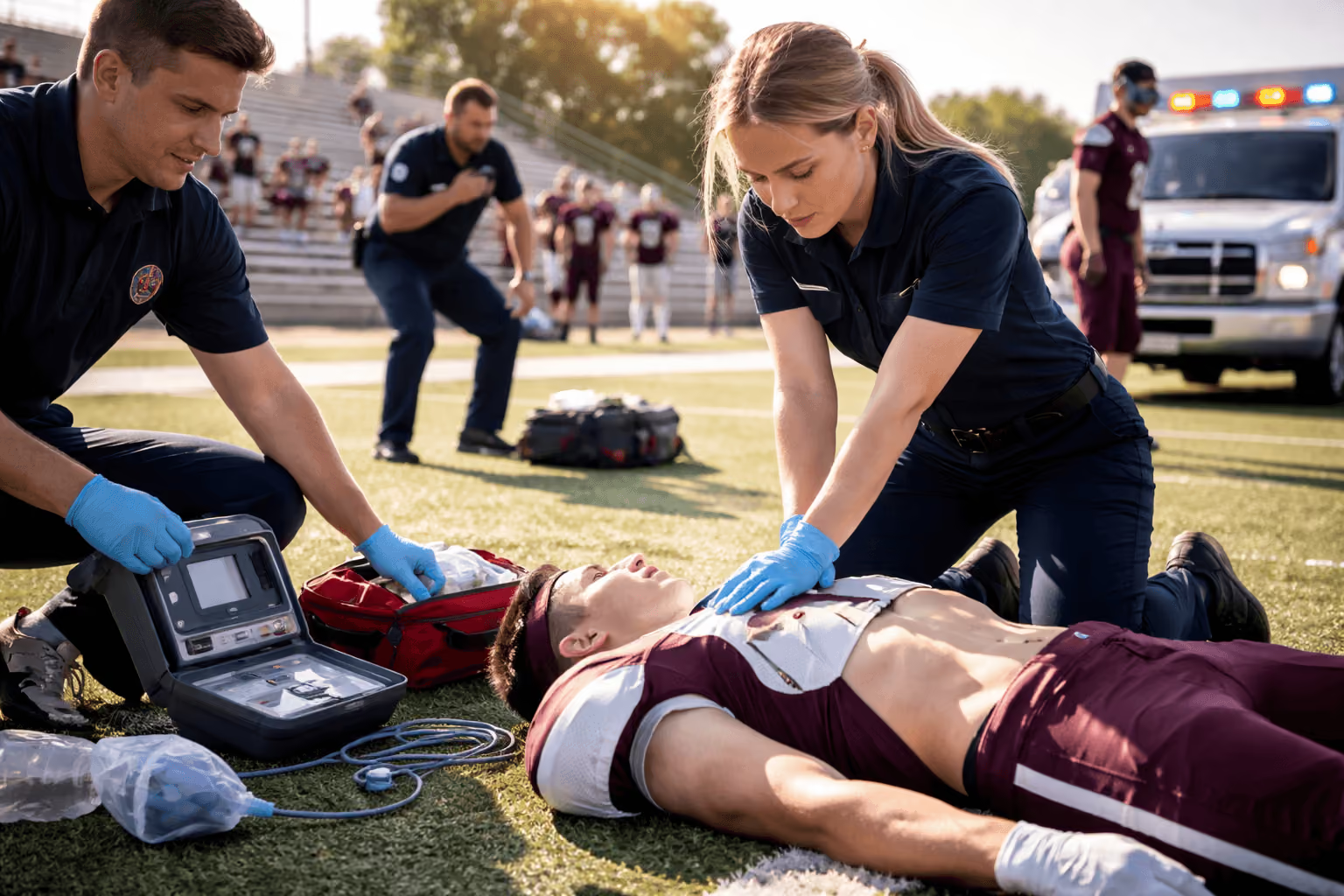
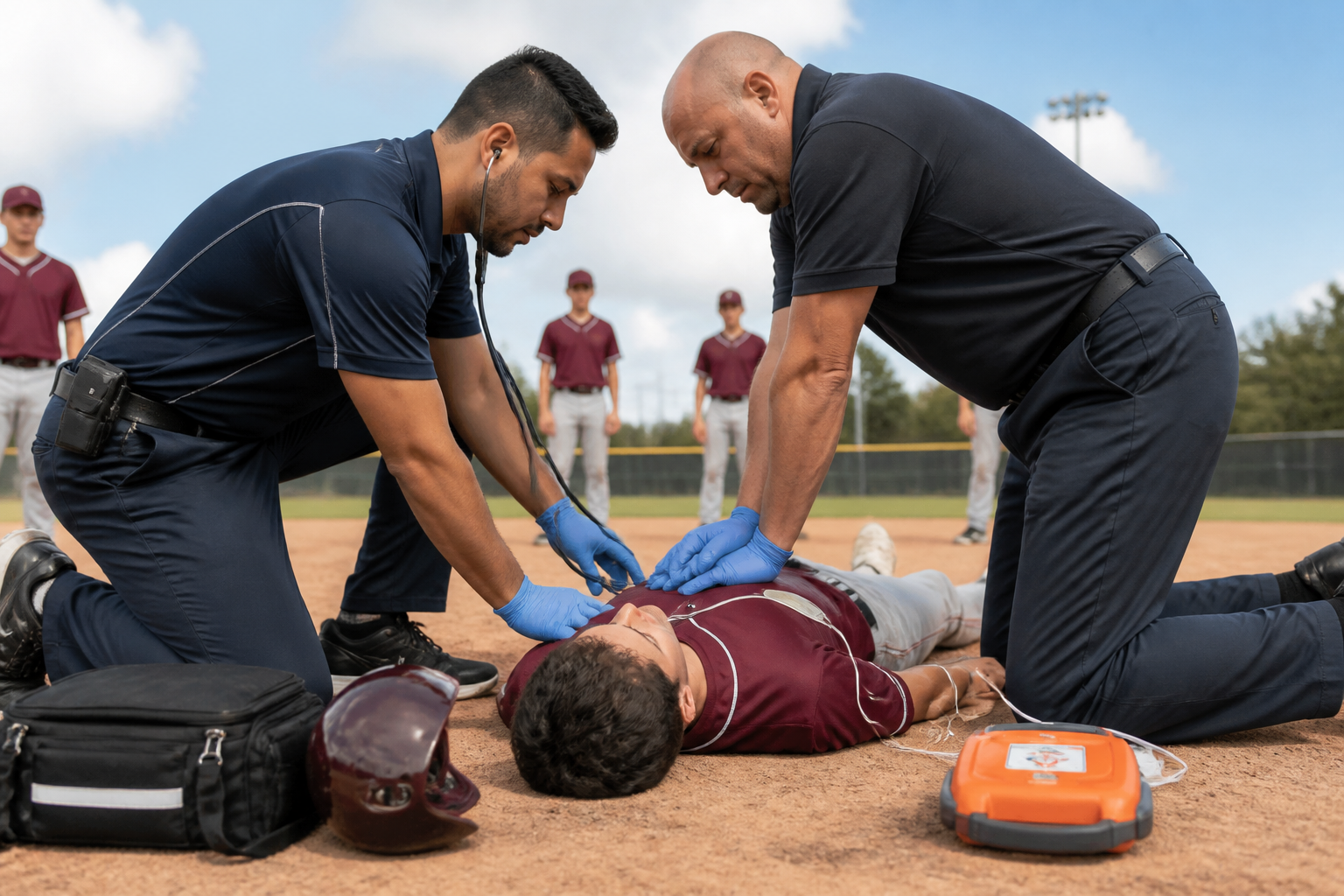
In a baseball setting, most families expect routine competition, not a medical emergency. But after the on-field collision, bystanders recognized that Supnet needed urgent help. CPR chest compressions were started right away, and emergency personnel joined the response once they arrived.
Doctors later described the event as commotio cordis, a rare cardiac emergency that can happen when a blow to the chest disrupts the heart at a vulnerable moment. It is uncommon, but it is serious enough that immediate emergency response is essential.
This article is for general educational purposes only and is not a substitute for professional medical advice, diagnosis, treatment, or certified CPR training. In an emergency, call 911 immediately.
Why CPR matters in a cardiac emergency
When the heart stops pumping effectively, blood flow to the brain and other organs drops fast. That is why CPR is such an important part of emergency response. High-quality chest compressions help maintain circulation until advanced care takes over.
In sports settings, commotio cordis can develop without warning. It is one reason schools, athletic programs, and event organizers should not assume that young athletes are automatically protected from cardiac arrest. Preparedness matters as much as quick thinking.
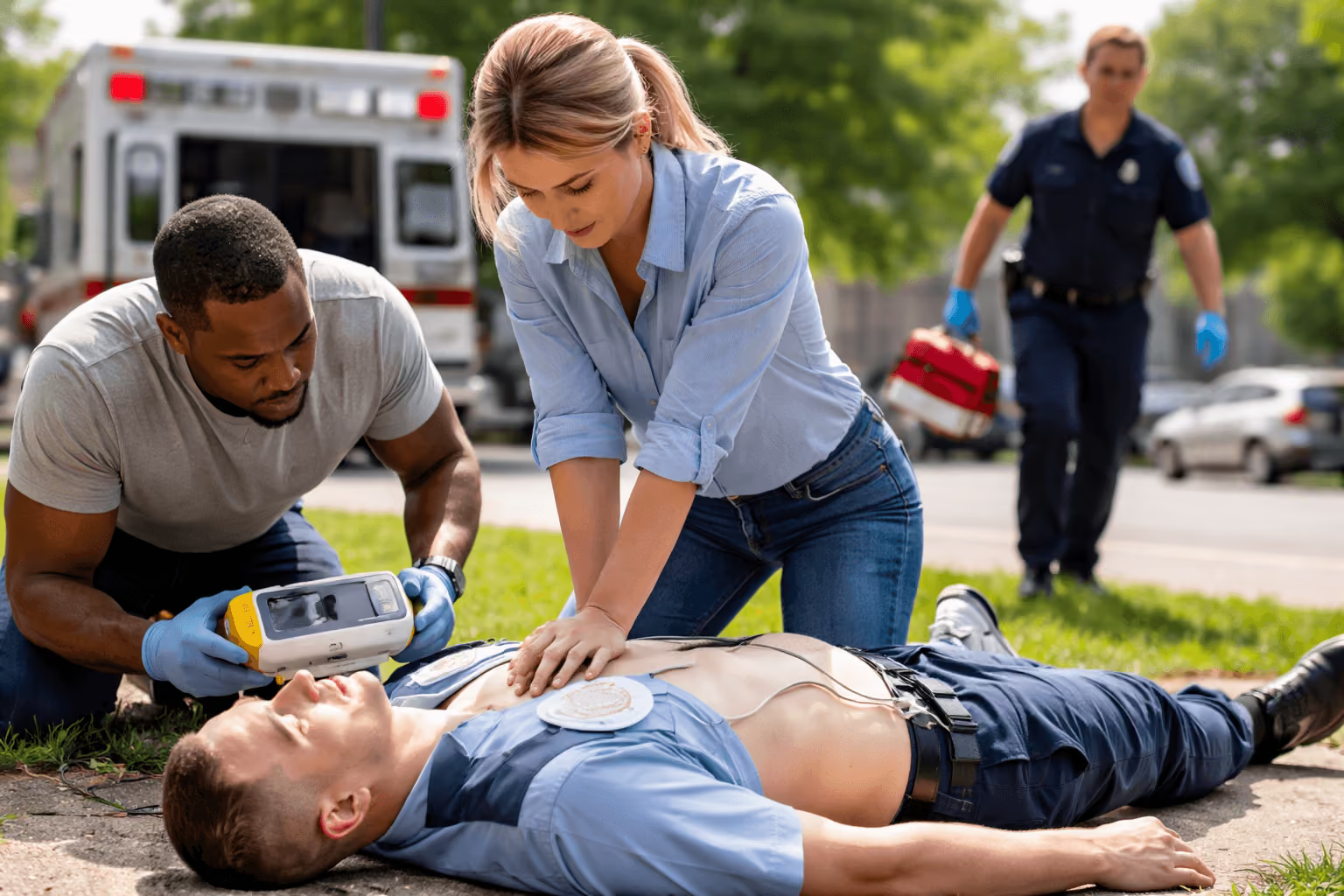
Access to an AED is another major part of readiness. An AED can help responders deliver a shock if the person’s heart rhythm requires it, and it should be easy to find, not locked away or delayed by confusion.
Who this story is for
This Corpus Christi CPR story is relevant for coaches, athletic trainers, teachers, parents, volunteers, lifeguards, first responders, and healthcare professionals. It is also important for anyone who works in a school, gym, recreation center, or event venue where large groups gather.
- Coaches and athletic staff who may need to respond to collapse or injury
- Parents and volunteers who supervise youth sports
- Teachers and school administrators responsible for safety planning
- Healthcare workers who want a refresher on CPR and AED readiness
- Community members who want to be prepared before an emergency occurs
Lessons for Corpus Christi-area schools and sports programs
Calallen, Gregory-Portland, and other South Texas communities share the same challenge: emergencies can happen anywhere, including baseball fields. That is why emergency response plans should include clear steps for recognizing trouble, starting CPR, retrieving an AED, and contacting EMS without delay.
Supnet’s case also shows the value of coordinated teamwork. Athletic trainers, family members, firefighters, and hospital staff all played a role in the outcome. In a real emergency, coordination can help reduce delays and improve the chance of survival.
For local facilities, that means training should be practical and repeated. People on-site should know where the AED is stored, who is assigned to respond, and how to communicate clearly while help is on the way.
Why CPR Certification Labs is a helpful local option
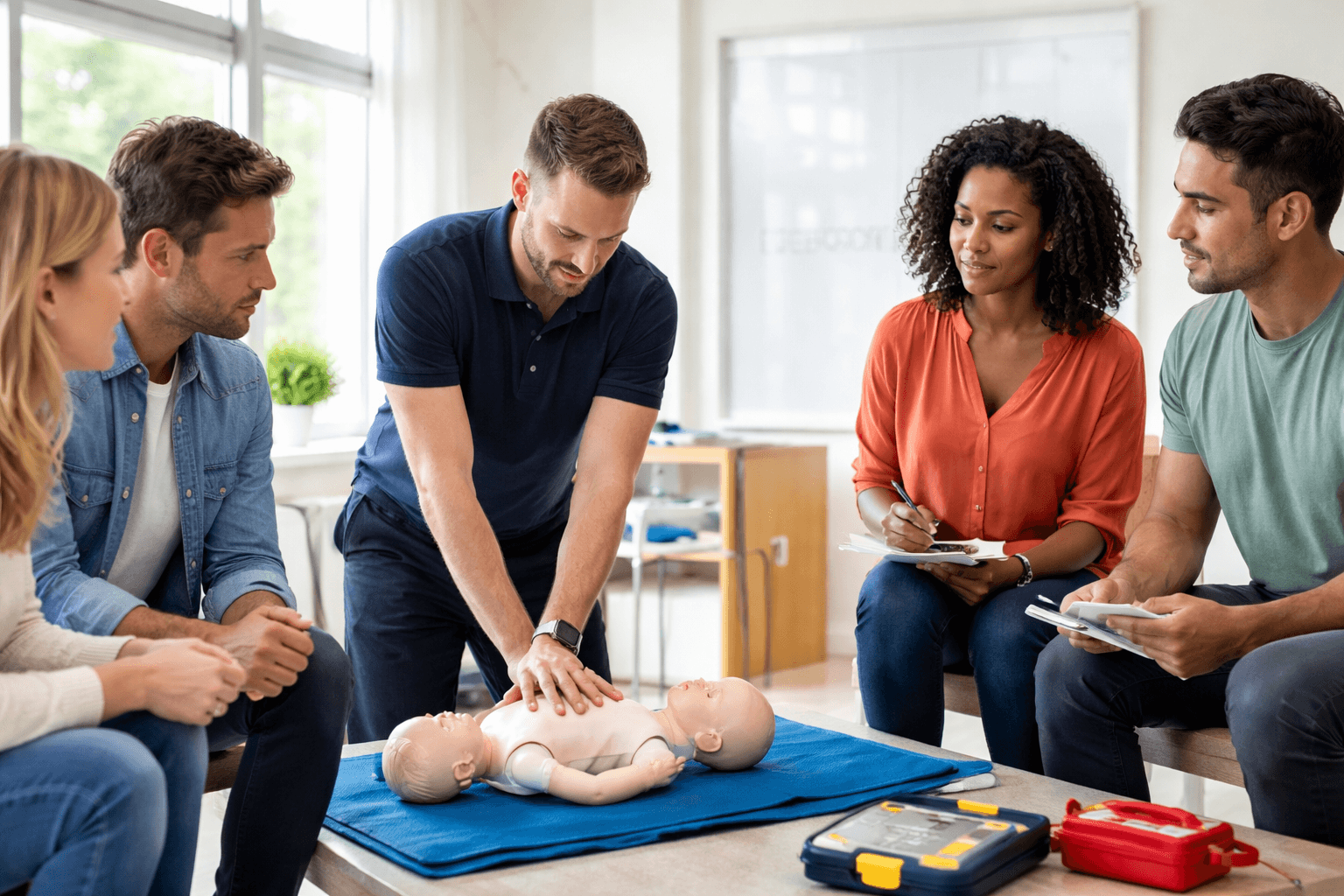
CPR Certification Labs supports learners who want clear, straightforward CPR, AED, and first aid instruction for workplace and community readiness. Our courses are designed for healthcare professionals and other adults who need dependable training without extra confusion.
We focus on skills people can use in real emergencies, including how to recognize cardiac arrest, begin chest compressions, and work with an AED while waiting for advanced responders. That kind of preparation matters in schools, clinics, athletic facilities, and public events.
For readers in South Texas who want to strengthen their emergency response knowledge, our San Antonio location is available at San Antonio Medical Center.
Nearby facilities and local relevance
This story connects with the broader Corpus Christi area, where sports, schools, fire departments, and hospitals often work together during emergencies. Local teams and venues can benefit from regular CPR refreshers and simple emergency planning.
Even when a rare event like commotio cordis happens, the basics still matter: recognize the collapse, begin CPR, use an AED if available, and call 911 right away. Those steps are the backbone of emergency response in any setting.
Returning to the field after a life-threatening event
Supnet’s return to baseball about a month later is a powerful reminder that recovery stories often begin with ordinary people acting quickly. His comeback does not change how serious the event was, but it does show what can happen when a team is prepared and a community responds.
For Corpus Christi families and schools, the lesson is simple. CPR training is not just for hospitals or ambulances. It belongs in sports programs, classrooms, recreation spaces, and anywhere people gather.
Frequently asked questions
What is commotio cordis?
Commotio cordis is a rare cardiac emergency that can happen when a sudden blow to the chest disrupts the heart’s rhythm at a very specific time.
Why is AED access important at sports events?
An AED may help restore a normal heart rhythm in certain cardiac emergencies. Quick access can save time when every minute counts.
When should someone call 911?
Call 911 immediately if someone collapses, is unresponsive, is not breathing normally, or shows signs of a cardiac emergency.
About our San Antonio Medical Center office
- Address: 8554 Huebner Road, Building 2
- Phone: (726) 224-7200
- Email: sanantonio@cprcertificationlabs.com
- Hours:
6am - 12am - 7 Days a Week!