Houston CPR and brain death in a Houston case
Houston CPR and brain death is more than a headline phrase for healthcare workers and families in the area. In a recent Houston drowning case, a child’s care raised questions about when brain death testing begins, what hospitals can do next, and how families and clinicians navigate difficult decisions after a severe emergency.
For CPR instructors and healthcare professionals, this story is a reminder that emergency response does not end when pulses return. Care may continue in an intensive setting, where teams must coordinate communication, documentation, and next steps with care and clarity.
This article is for general educational purposes only and is not a substitute for professional medical advice, diagnosis, treatment, or certified CPR training. In an emergency, call 911 immediately.
What happened in Houston
The case centers on a young child who was pulled from water after a drowning incident and received CPR before arriving at the hospital. Afterward, the family and the hospital disagreed about brain death testing and transfer options. The dispute moved into the courts, where the family sought to delay testing while the hospital said it needed to determine the next steps in care.
The situation has drawn public attention because it sits at the intersection of CPR response, hospital policy, family wishes, and Texas law. It also shows how quickly emergency care can turn into a legal and ethical discussion once a patient is in critical condition.
Houston CPR and brain death in Texas law
Texas law defines brain death as the irreversible end of brain function. In practice, hospitals use formal evaluation steps to determine whether a patient meets that standard. Once a patient is declared brain dead, life-supporting measures may be withdrawn under state law and hospital policy.
The Houston CPR and brain death debate matters because this case focuses on an earlier stage: whether a family can refuse brain death testing itself. That question is not commonly tested in court, which is part of why the case has attracted statewide attention.
For local healthcare teams, the lesson is simple: CPR may restore circulation, but it does not resolve every question about prognosis. After resuscitation, careful handoff, clear communication, and consistent documentation become especially important.
Why this matters for emergency response teams
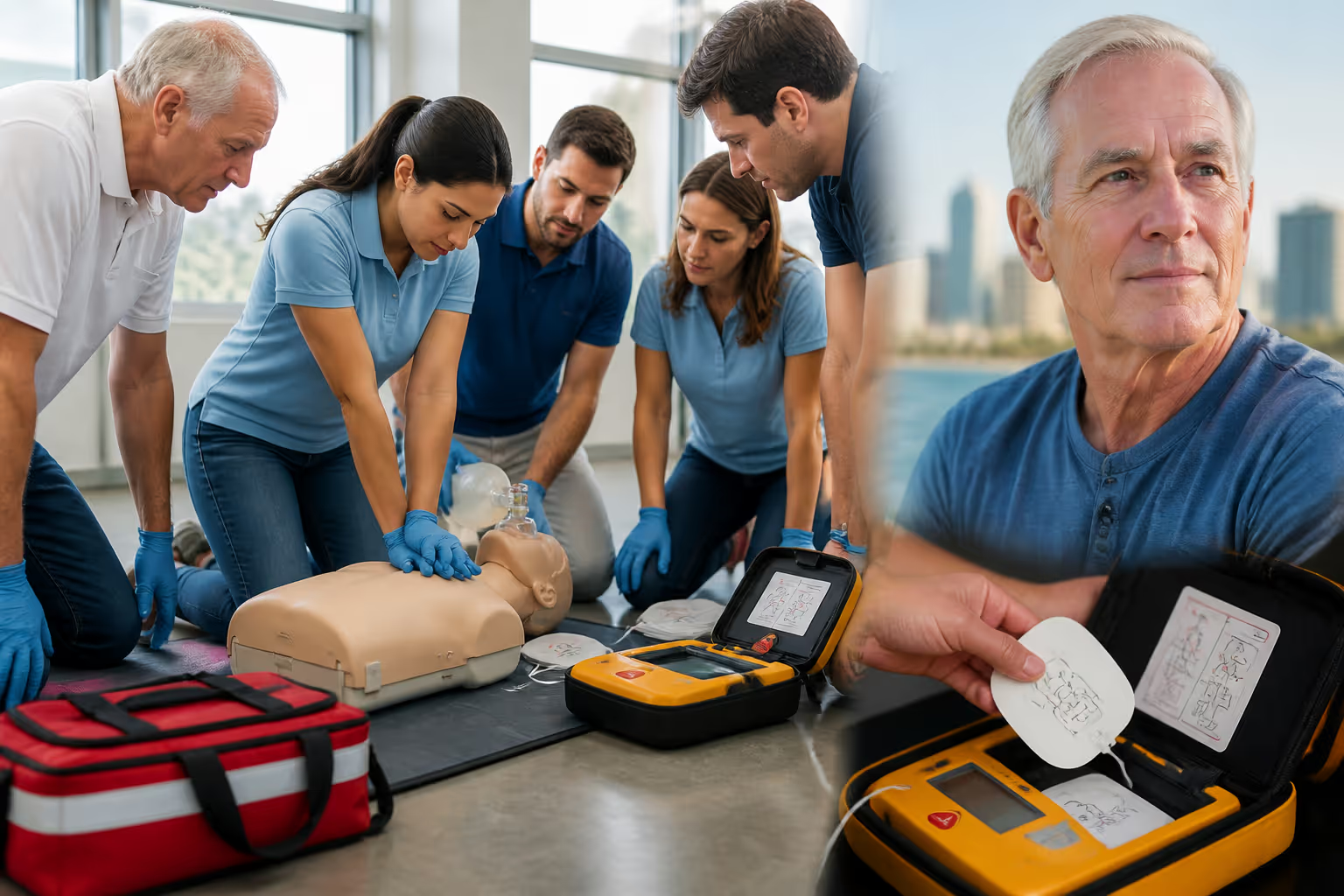
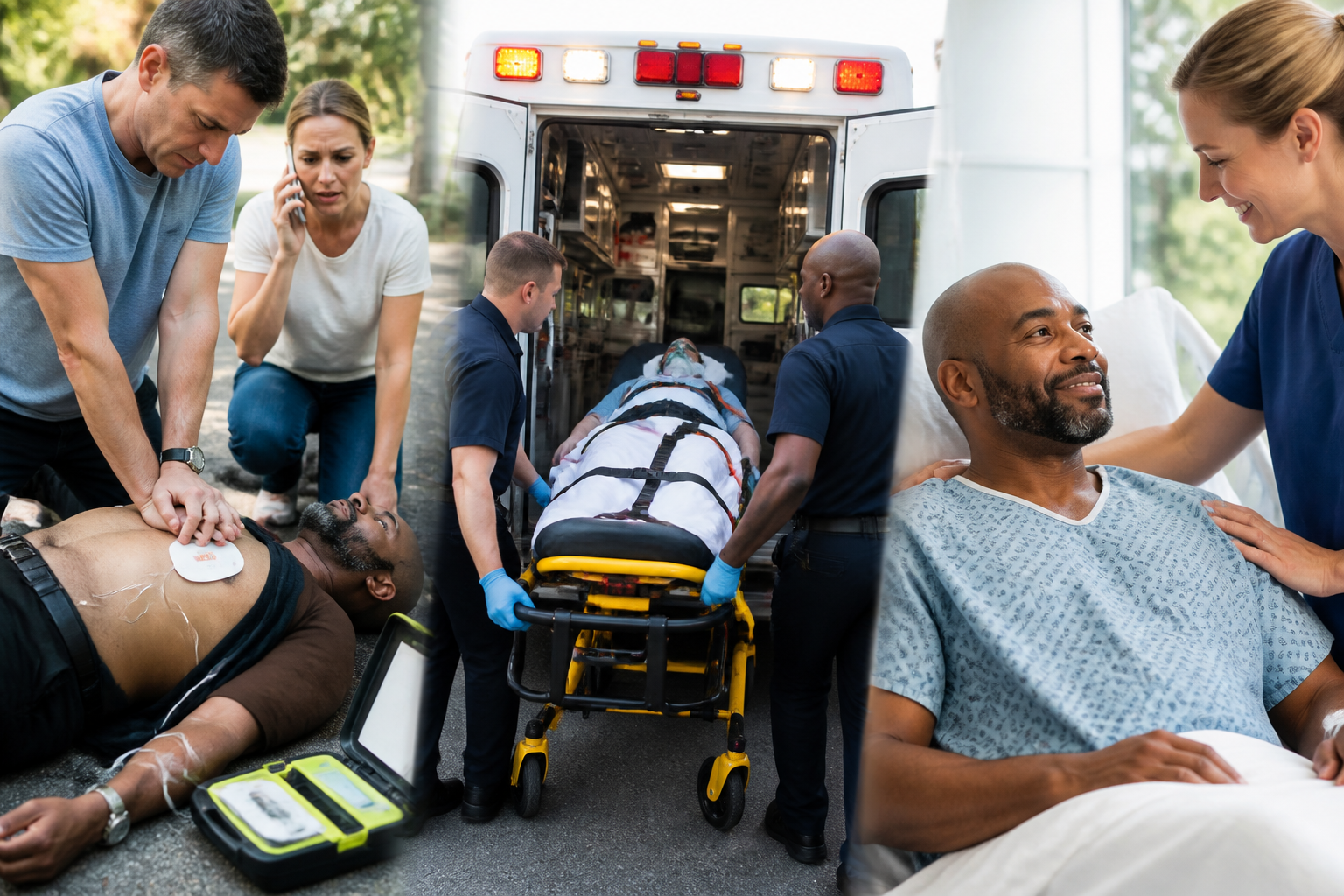
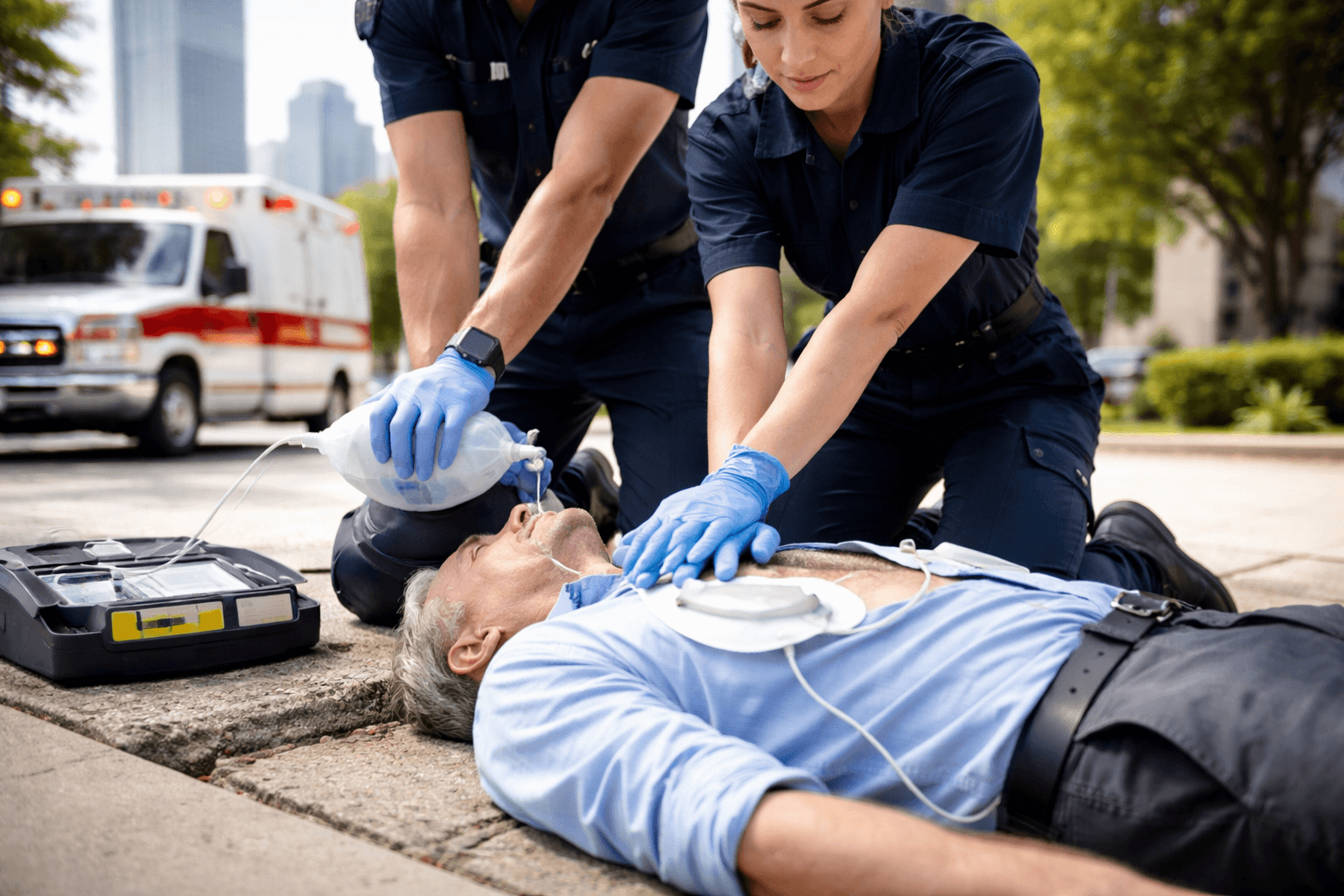
Emergency response training prepares people to act fast, but it also helps them understand the limits of the first response. In drowning cases, bystanders, lifeguards, and first responders may start CPR before EMS arrives. That early action can help bridge the gap until advanced care takes over.
Once a patient reaches the hospital, the focus shifts to coordinated care among emergency clinicians, intensive care staff, and the family. In cases like this one, the hospital may need to discuss testing, possible transfer, and the legal framework that guides next steps.
- CPR training supports faster action during a water emergency.
- AED awareness remains important in any setting where collapse is sudden.
- First aid knowledge helps people respond before professional crews arrive.
- Clear emergency response communication can reduce confusion during handoff.
Who should pay attention to this case
Healthcare professionals, EMTs, nurses, physicians, childcare staff, aquatic facility employees, and community members in Houston can all learn from this story. It is especially relevant for people who work around children, water recreation, or high-acuity hospital care.
Families may also want to understand how CPR fits into a larger emergency plan. Knowing when to call 911, how to begin compressions, and how to follow dispatcher instructions can make a difference before responders arrive.
Local context for Houston professionals
Houston is a large medical center with busy hospitals, urgent care settings, and a broad network of emergency services. That makes CPR readiness important across neighborhoods, schools, workplaces, and clinical settings.
If you are looking to renew CPR skills or complete a class near North Houston, CPR Certification Labs offers a practical training flow: schedule online, complete the online course portion, and attend the in-person skills session at the office. The North Houston office is located at 2930 Cypress Grove Meadows Dr in Houston, TX, with hours Monday through Sunday, 7am to 8pm. For details, visit the North Houston office page.
Why CPR training still matters
Cases like this remind the public that CPR is one part of emergency care, not the entire story. Families, caregivers, and professionals benefit from training because it builds confidence during the first minutes of a crisis and supports better teamwork when EMS arrives.
At CPR Certification Labs, the goal is to make CPR, AED, and first aid training straightforward for busy healthcare professionals and community members. A clear class structure, local access, and an in-person skills session can help learners stay current without unnecessary complexity.
FAQ
Does CPR end a medical emergency?
No. CPR is an early response that can help preserve circulation until advanced care takes over. Hospital teams may still need to perform additional evaluation after resuscitation.
Why is brain death testing discussed after a drowning?
After a severe drowning event, doctors may need to determine whether brain function has permanently stopped. That process can become part of end-of-life decision-making and legal review.
How can I prepare for emergencies in Houston?
Take CPR, AED, and first aid training, keep dispatcher instructions in mind, and know how to call 911 right away. Local training can help you act faster when seconds matter.