CPR training in Houston and school safety
CPR training in Houston is part of a larger conversation about how schools prepare for sudden emergencies. When a child has a medical crisis at school, the first adult on scene may be a teacher, coach, aide, or nurse. That is why parents, school staff, and community members continue to ask whether every campus has enough training, clear response plans, and reliable access to CPR, AED, and first aid support.
This recent Alvin ISD tragedy has prompted many Houston-area families to think about what happens in the first few minutes of an emergency. Those minutes matter. Families want to know that staff can respond quickly, communicate clearly, and follow a practiced emergency response plan while help is on the way.
This article is for general educational purposes only and is not a substitute for professional medical advice, diagnosis, treatment, or certified CPR training. In an emergency, call 911 immediately.
What the Alvin ISD incident has added to the discussion
According to local reporting, a third-grade student experienced a choking incident during snack time at a Pomona Elementary School in Alvin ISD. Staff responded right away, campus support was notified, and emergency responders arrived shortly after. The student was later taken to a hospital and died. The loss has deeply affected the school community and led parents to ask broader questions about preparedness.
The larger issue is not just one campus. It is whether every school in the region has the kind of training and response structure that helps adults act confidently when seconds count. For many parents, that means more than a written policy. It means regular practice, clear roles, and enough CPR and choking-response education for the people responsible for children each day.
Why CPR training in Houston matters for schools
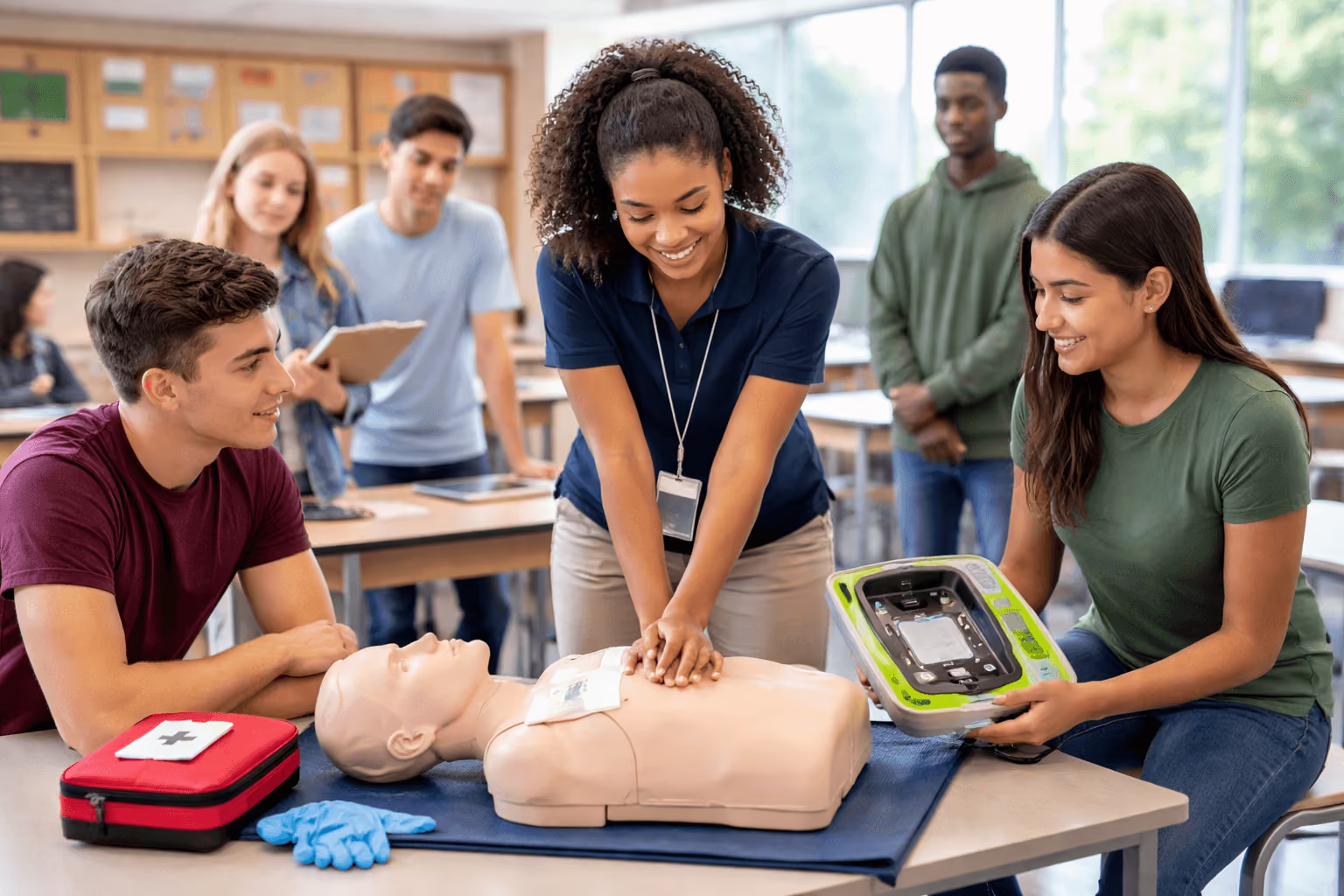
Houston-area schools serve large and busy communities, and emergencies do not wait for the right person to be standing nearby. CPR training in Houston helps school employees understand how to support emergency response efforts, use an AED when needed, and coordinate with campus leadership and 911 dispatchers until professional responders arrive.
Texas law requires districts to make CPR and AED training available to employees, and some staff positions must keep certifications current. But many parents still want broader training coverage so more adults on campus can respond with confidence. That includes classroom teachers, office staff, aides, and activity sponsors who may be the first to notice a problem.
In school settings, training also supports calm decision-making. Staff who have practiced emergency response are often better prepared to stay focused, call for help, and follow campus procedures without delay.
Who this is for
This topic matters to several groups across Houston:
- Teachers and school staff who want current CPR, AED, and first aid skills
- Parents who want to better understand school emergency response readiness
- School nurses and campus teams who support daily student safety
- Coaches, activity sponsors, and childcare professionals working with children
- Community members who want practical CPR training in Houston for work or renewal
For anyone responsible for children, knowing how to respond in a class, cafeteria, gym, or hallway can make a real difference while emergency services are en route.
How CPR Certification Labs supports local training
CPR Certification Labs offers a simple three-step process designed for busy professionals in Houston. First, you schedule online. Second, you complete the online course portion at your own pace. Third, you attend the in-person skills session at the office to complete the hands-on requirement.
The North Houston office is located at 2930 Cypress Grove Meadows Dr in Houston, TX. The office serves local healthcare professionals, educators, and other workers who need a flexible way to complete training or renewal requirements. Hours are available Monday through Sunday from 7am to 8pm, which helps make scheduling easier for people with demanding shifts.
For those comparing options, a nearby office can reduce travel time and make it easier to fit training into a work week. If you are looking for CPR training in Houston, you can review the local office details here: North Houston office.
Nearby local relevance for Houston-area professionals
Houston has a wide network of schools, clinics, and community organizations that rely on quick emergency response. That includes staff who may need CPR renewal, first aid practice, or AED instruction to stay ready for work requirements and personal preparedness. A local training option can be especially useful for people commuting from nearby neighborhoods or balancing school, childcare, and shift work.
Parents often pay close attention to school safety after a tragic event, but the same lesson applies to workplaces, churches, sports programs, and community centers. The more people who know how to respond, the more prepared a community becomes.
Why local training is a practical step
Choosing a local provider helps make training easier to complete and easier to renew on time. It also supports a realistic approach to emergency readiness: learn the basics, practice the hands-on skills, and stay current. For school staff and other professionals, that kind of preparation can build confidence before a crisis occurs.
CPR training in Houston is not only about meeting a workplace need. It is also about being ready to help when children, coworkers, or visitors need fast action and calm leadership.
Book training in North Houston
If you are ready to complete CPR training in Houston, use the North Houston office page to review the address, hours, and next steps. The office serves local professionals who need a straightforward way to schedule training and complete the skills session.
Visit the North Houston office page to get started: https://www.cprcertificationlabs.com/offices/north-houston
FAQ
Do teachers need CPR training?
Texas requires CPR and AED training to be available to school employees, and certain staff positions must maintain certification. Many districts still encourage broader training so more adults can respond in an emergency.
Why is AED training included with CPR?
AED instruction helps staff understand how to support emergency response when a sudden cardiac event is suspected. It is a key part of many workplace and school readiness plans.
How does the CPR Certification Labs process work?
The process has three parts: schedule online, finish the online course portion, and attend the in-person skills session at the office.