CPR kiosks in Dayton and why they matter
CPR kiosks in Dayton are a practical reminder that emergency response skills can be learned quickly and used when seconds matter. In a recent example from Ohio, two college students showed how a short CPR lesson can help someone act with confidence during a sudden collapse.
This kind of story resonates in Dayton because CPR, AED awareness, and first aid readiness are useful in schools, workplaces, airports, and public spaces. When more people know what to do, they are better prepared to help before professional responders arrive.
What the story shows about emergency response
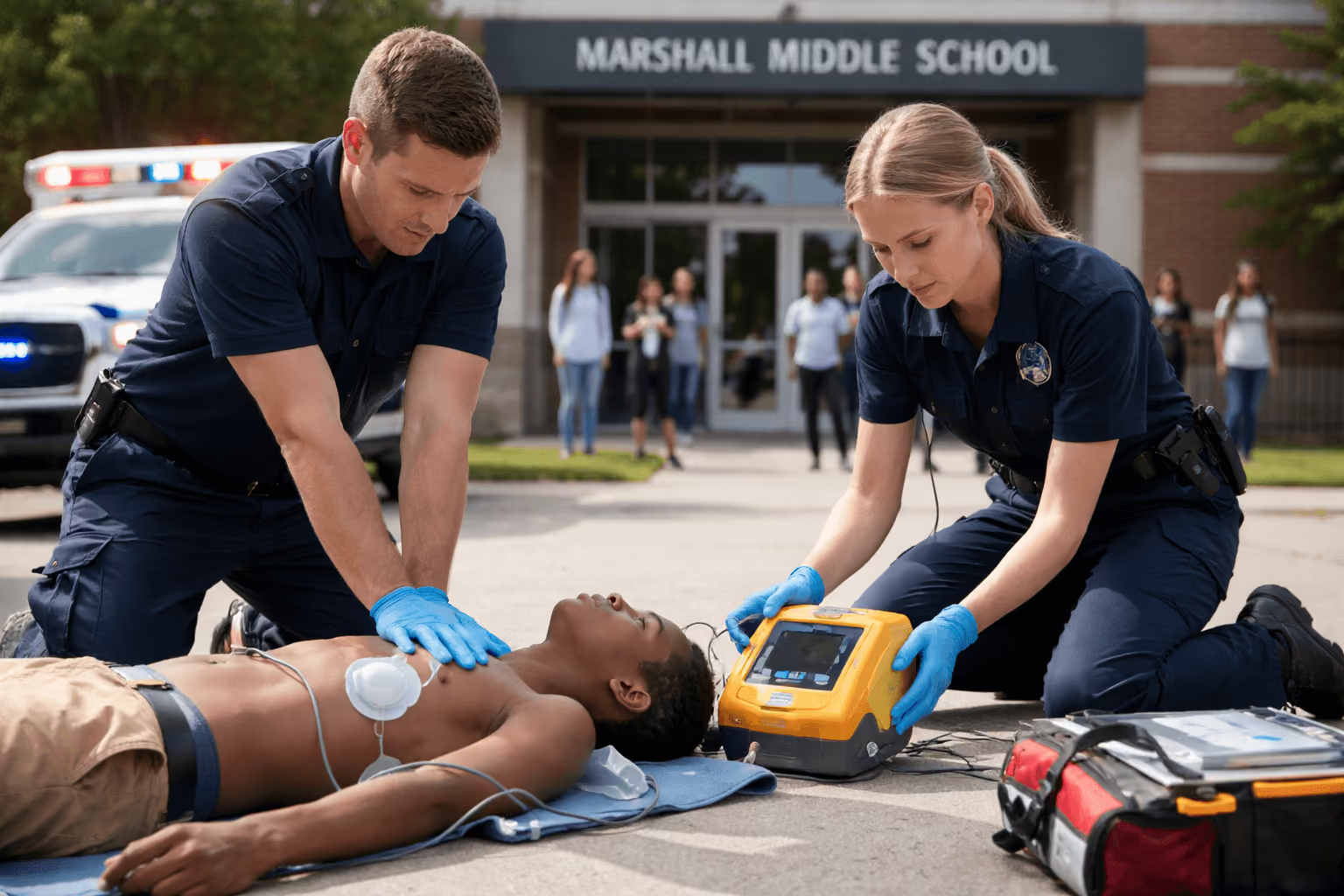
One student learned hands-only CPR at a kiosk and used that training soon after when another student needed help following a lightning strike. Bystanders called 911, and immediate action helped bridge the gap until emergency crews took over.
The important lesson is simple: public access training tools can lower the barrier to learning CPR. A few minutes of guided practice can make the technique feel more familiar, especially for people who have never taken a formal class before.
How CPR kiosks support hands-only CPR
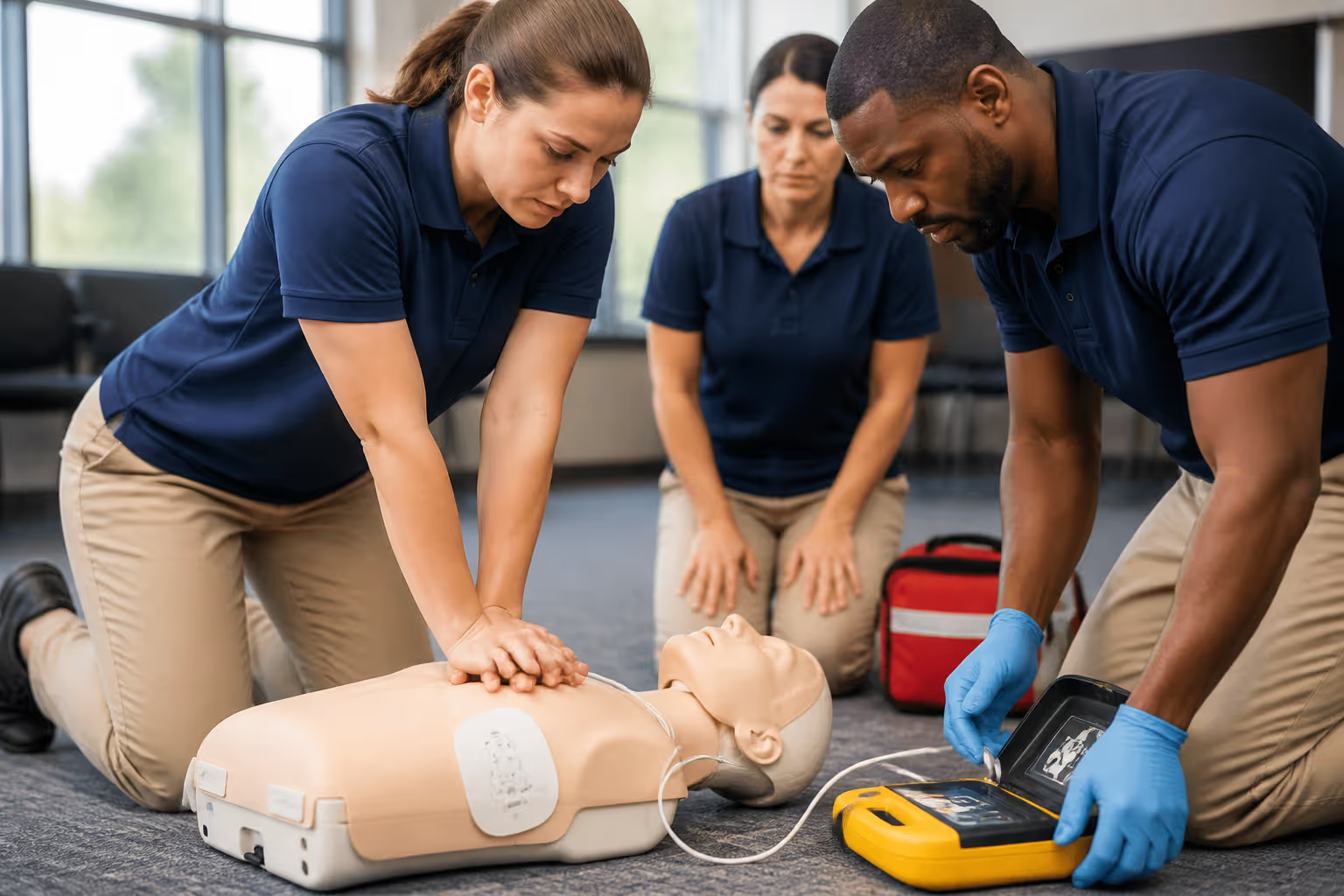
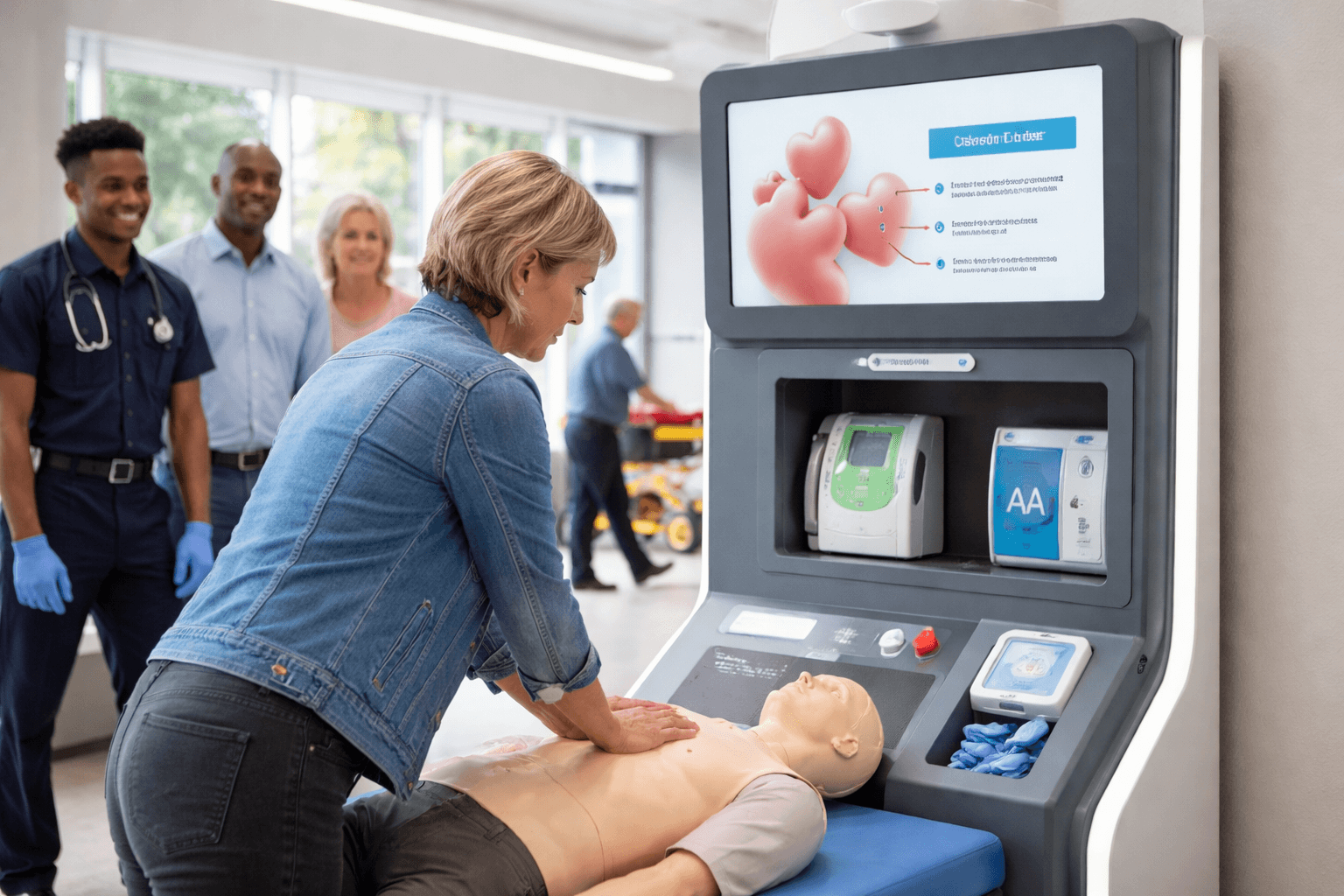
CPR kiosks are designed to teach the basics in a short, repeatable format. They typically use a screen, a practice torso, and simple prompts so users can learn hand placement and compression rhythm.
For many people, that first guided practice is enough to turn uncertainty into readiness. While kiosks are helpful, they are not a replacement for a complete certification course. A structured class gives learners more context, more repetition, and more confidence across different emergency situations.
What a CPR course adds
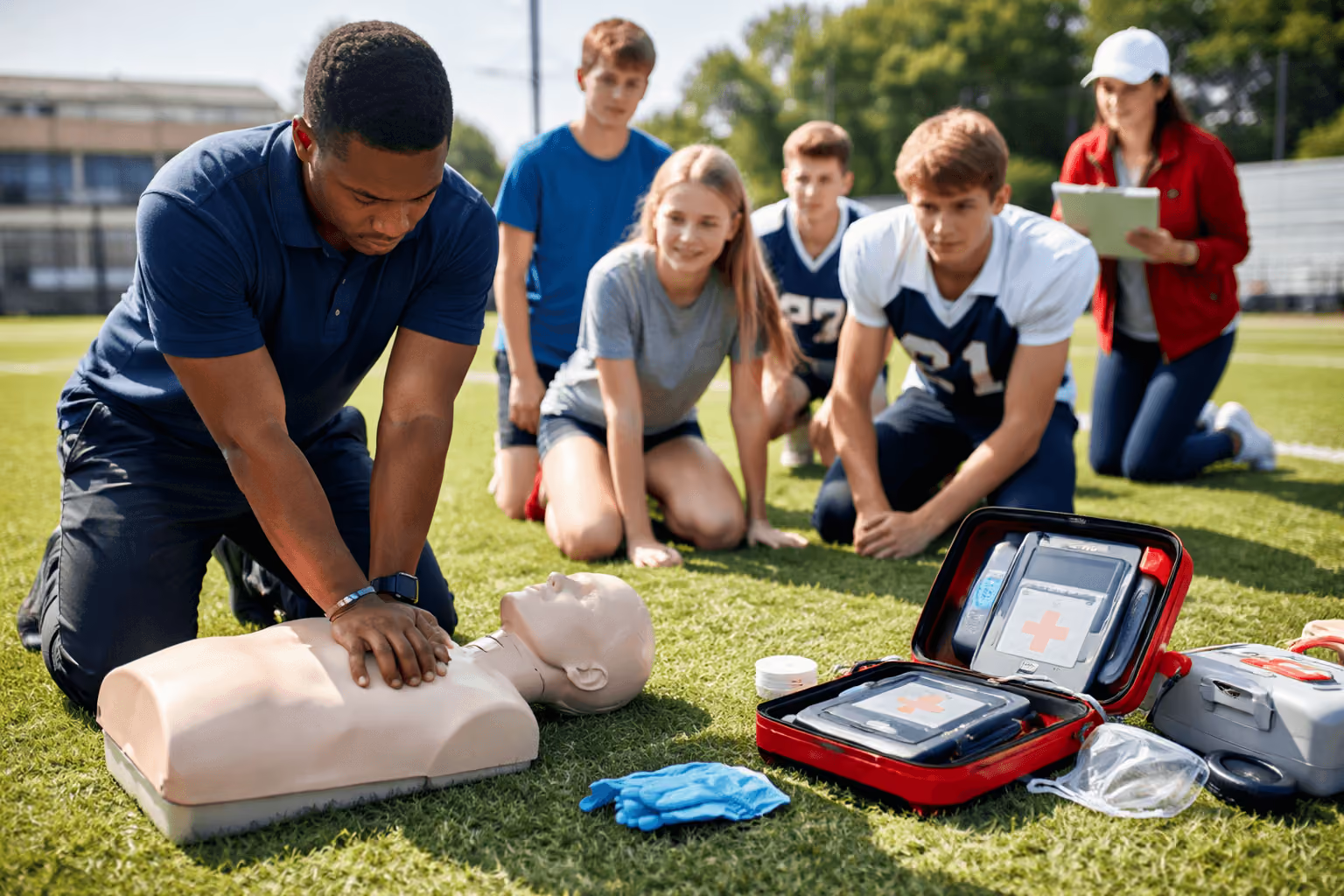
- Practice with CPR technique in a supervised setting
- Exposure to AED use and emergency response basics
- Clear guidance for workplace and healthcare requirements
- A simple path to renew skills when certifications expire
Who should consider CPR training in Dayton
This topic is especially relevant for healthcare professionals, students entering clinical programs, teachers, coaches, office staff, and anyone who may be first on scene in a public setting. CPR and AED knowledge are valuable across many Dayton workplaces, not just in hospitals or clinics.
It also helps people who travel through busy places and want a quick refresh before the next shift, semester, or clinical rotation. If you are looking for CPR kiosks in Dayton or a more complete class option, a local training schedule can help you stay current without disrupting your week.
CPR Certification Labs in Dayton-Centerville
CPR Certification Labs makes the process straightforward for busy adults. The usual flow is simple: schedule online, complete the online course portion, and attend the in-person skills session at the office. That format is designed to fit around work, class, and family schedules.
Our Dayton-Centerville office is located at 2723 Miamisburg Rd, Suite 130, Dayton, OH, with hours from 6am to 12am, 7 days a week. That flexible schedule makes it easier for healthcare workers and other professionals to find a time that works.
For office details and booking, visit CPR Certification Labs Dayton-Centerville.
Nearby access and local convenience
Our Dayton location is set up for practical access from the Centerville area and surrounding communities. Learners who need CPR renewal or a first-time class can plan around a consistent schedule and complete the skills session close to home or work.
For many people, convenience matters as much as content. A local office, direct scheduling, and a clear class process make it easier to keep CPR, AED, and first aid knowledge up to date.
This article is for general educational purposes only and is not a substitute for professional medical advice, diagnosis, treatment, or certified CPR training. In an emergency, call 911 immediately.
FAQ
Are CPR kiosks a replacement for a full CPR class?
No. They are a helpful introduction, but a full course gives more practice and better preparation for real situations.
Do I need CPR training if I work in healthcare?
Many healthcare roles require current CPR or BLS credentials, and regular renewal helps keep skills sharp.
Can I learn CPR quickly?
Yes. Many people learn the basics quickly, then build confidence through repetition and guided practice.