Cardiac arrest in Cypress and a community remembrance
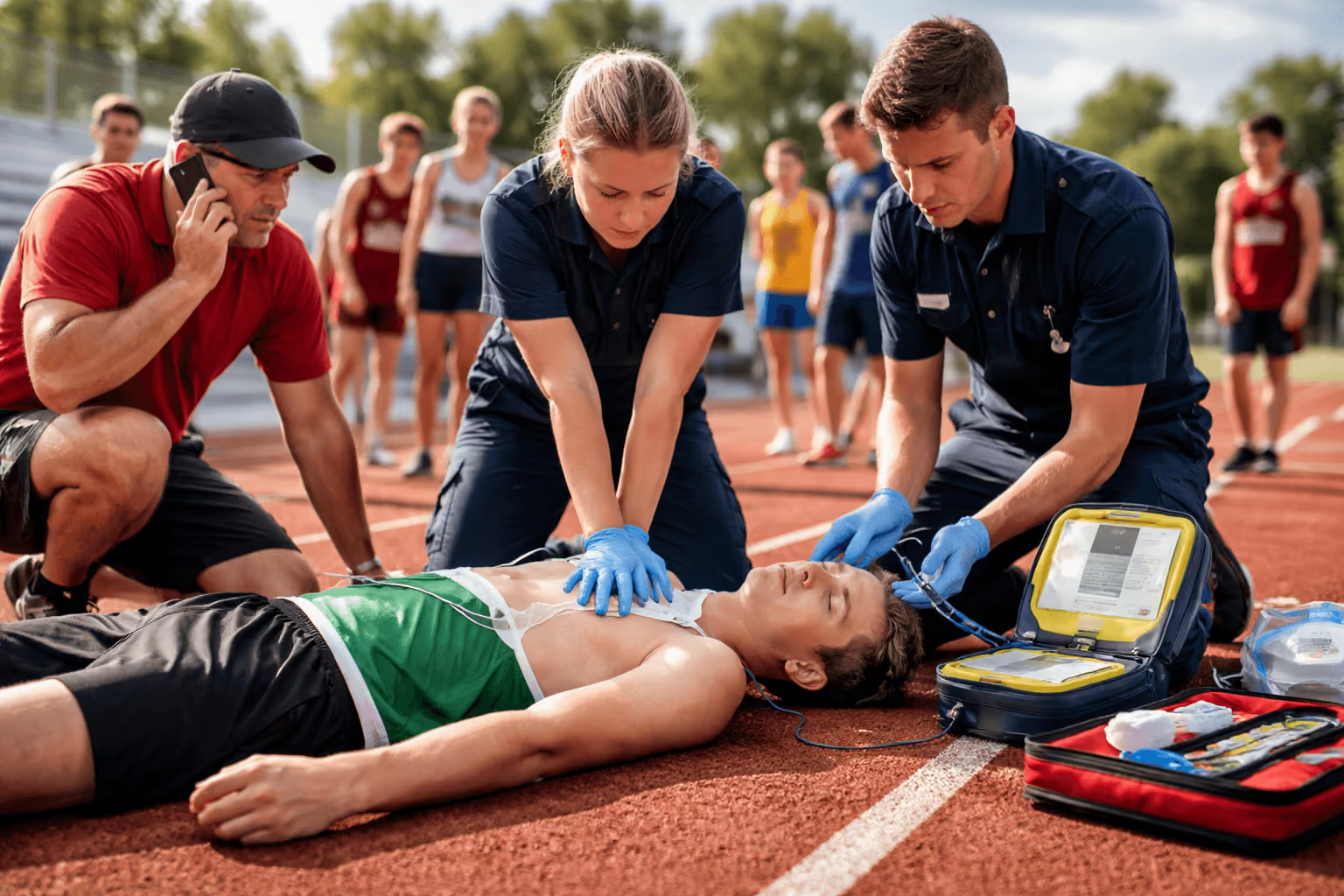
Cardiac arrest in Cypress is a serious reminder that emergencies can happen during practice, competition, or an ordinary day. A memorial track meet in the Cy-Fair area honored Damani Gibson and also brought local attention to CPR, AED readiness, and emergency response in youth athletics.
The meet was a moment for teammates, families, and supporters to remember a young athlete while also reflecting on what schools and sports programs can do to be better prepared. In settings like this, the lesson is not about panic. It is about clear planning, calm action, and knowing how to help before emergency crews arrive.
What the Cypress memorial track meet highlighted
Community remembrance events often do more than celebrate a life. They can also encourage practical conversations about safety at school athletics. At a track meet, many people are present: runners, coaches, parents, volunteers, and staff. That makes it especially important to have a simple emergency plan that everyone can understand.
For Cypress families, this includes knowing who calls for help, who gets the AED, and which entrance emergency responders should use. Those details may seem small, but they save time when a situation changes suddenly.
National guidance from the American Heart Association notes that survival chances improve when CPR and defibrillation happen quickly. The American Red Cross also emphasizes that AEDs are designed for use by trained lay responders in public settings. These are not abstract ideas for school events; they are practical steps that fit track meets, football games, and other youth sports gatherings.
Cardiac arrest in Cypress: what schools and teams should review
In a community like Cypress, preparedness works best when it is part of the routine, not an afterthought. Schools and athletic programs can review a few basic points before the next meet or practice:
- Confirm where the AED is stored and whether it is easy to reach from the field or gym.
- Make sure more than one adult on site knows how to start an emergency response.
- Post the address of the campus or venue near the main office, scoreboard, or event check-in table.
- Assign someone to meet emergency responders at the entrance and guide them quickly.
- Review whether coaches, trainers, and volunteers have current CPR and first aid training.
Those steps do not replace professional response, but they help a school or team act with more confidence during the first moments of an emergency.
CPR, AED, and first aid for school events
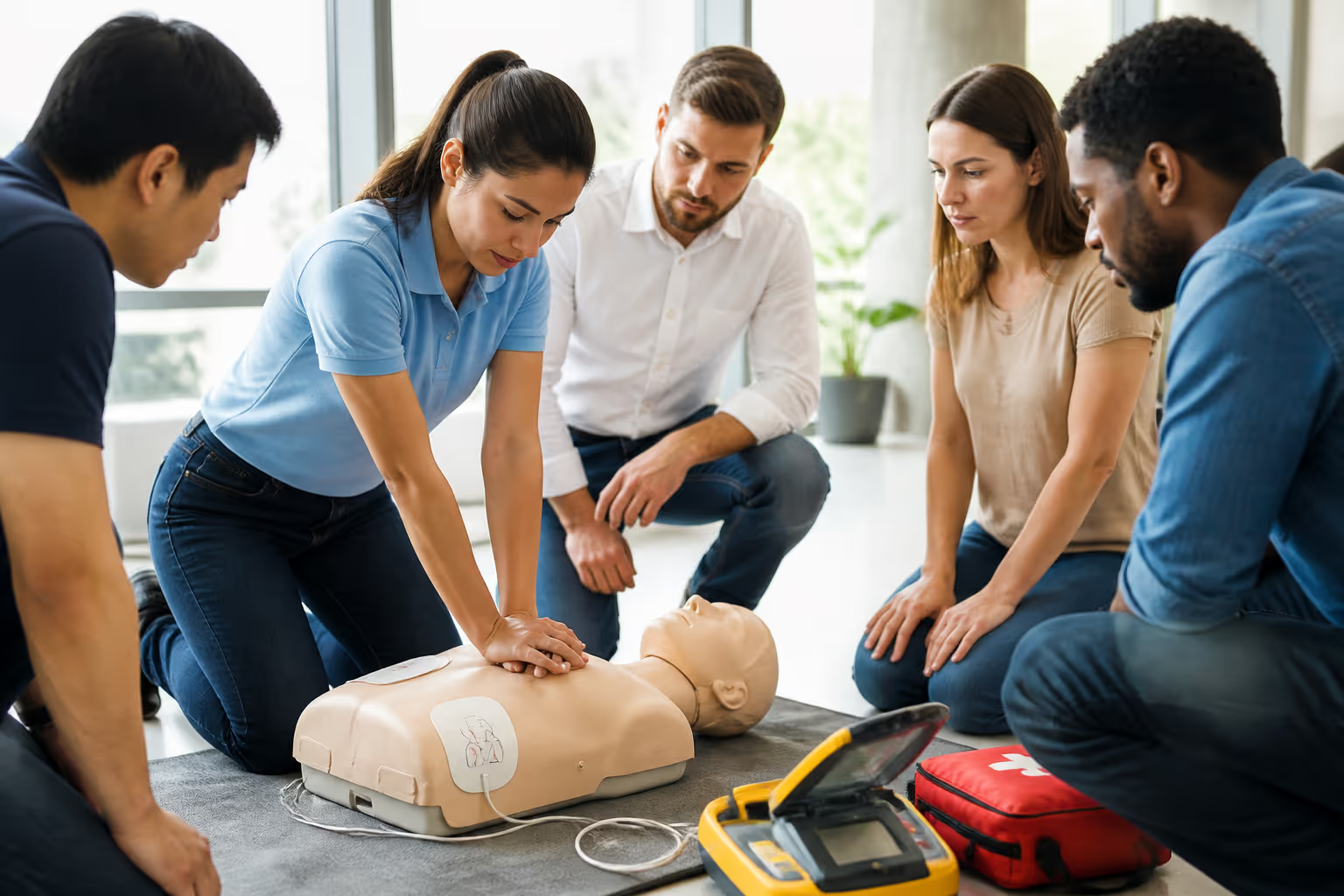
CPR supports emergency response when a person is unresponsive and not breathing normally. AEDs are built to deliver a guided shock if needed, and most public devices give clear voice prompts. First aid training adds another layer of readiness for common sports-site concerns such as falls, sprains, or collisions.
For youth athletics, the goal is simple: reduce confusion and speed up communication. When coaches and staff know the plan, they can focus on the basics while waiting for emergency responders. That is why CPR and AED training are useful for teachers, athletic directors, volunteers, and parents who regularly help at events.
According to the Sudden Cardiac Arrest Foundation, out-of-hospital cardiac arrest remains a major public health emergency, and early intervention is one of the most important factors in response. That makes school and community awareness especially relevant in active places like Cypress.
Who should learn CPR and AED response
This article is for coaches, athletic trainers, parents, school staff, student leaders, and community volunteers in Cypress and the surrounding area. It is also useful for workplaces that host team gatherings, tournaments, or public fitness events.
Anyone who may be first on the scene should consider CPR training. That includes people who supervise children, manage registration tables, escort teams, or help run practices after school. In a busy setting, the first person to notice a problem is often the first person who can help organize the response.
How CPR Certification Labs supports local training
CPR Certification Labs offers a straightforward three-step training flow that works well for busy schedules: 1) schedule online, 2) complete the online course portion, and 3) attend the in-person skills session at the office. That format is useful for healthcare professionals, educators, coaches, and workplace teams who need a clear path to complete training.
The Houston Clear Lake office serves League City and nearby communities at 100 Perkins Ave, Suite E, League City, TX. Office hours are Monday through Sunday, 6am - 12am, which gives local learners flexible options for planning around school, work, or family schedules. You can review the location and booking details here: Houston Clear Lake office.
For people comparing training options near Houston, having a nearby office can simplify planning for skills sessions and renewals. It also gives team leaders a practical place to send staff members who need CPR, AED, or first aid training before the next event season.
Nearby references and practical local preparedness
Cy-Fair High School is an important local reference because it reflects the school and athletics community that gathered in remembrance. The broader Cypress area includes many campuses, practice fields, and recreation programs that rely on volunteers and staff to watch for emergencies and respond quickly.
One practical step for local schools is to review the event map before each meet or game. Another is to keep a written emergency contact list and field access plan at the check-in table or command post. These simple items can help direct first responders without delay.
For readers looking for broader emergency planning guidance, the American Heart Association and the American Red Cross both provide public education resources on CPR, AED use, and first aid. Those resources can help school leaders and families build a more complete preparedness plan for sports settings.
When to call 911
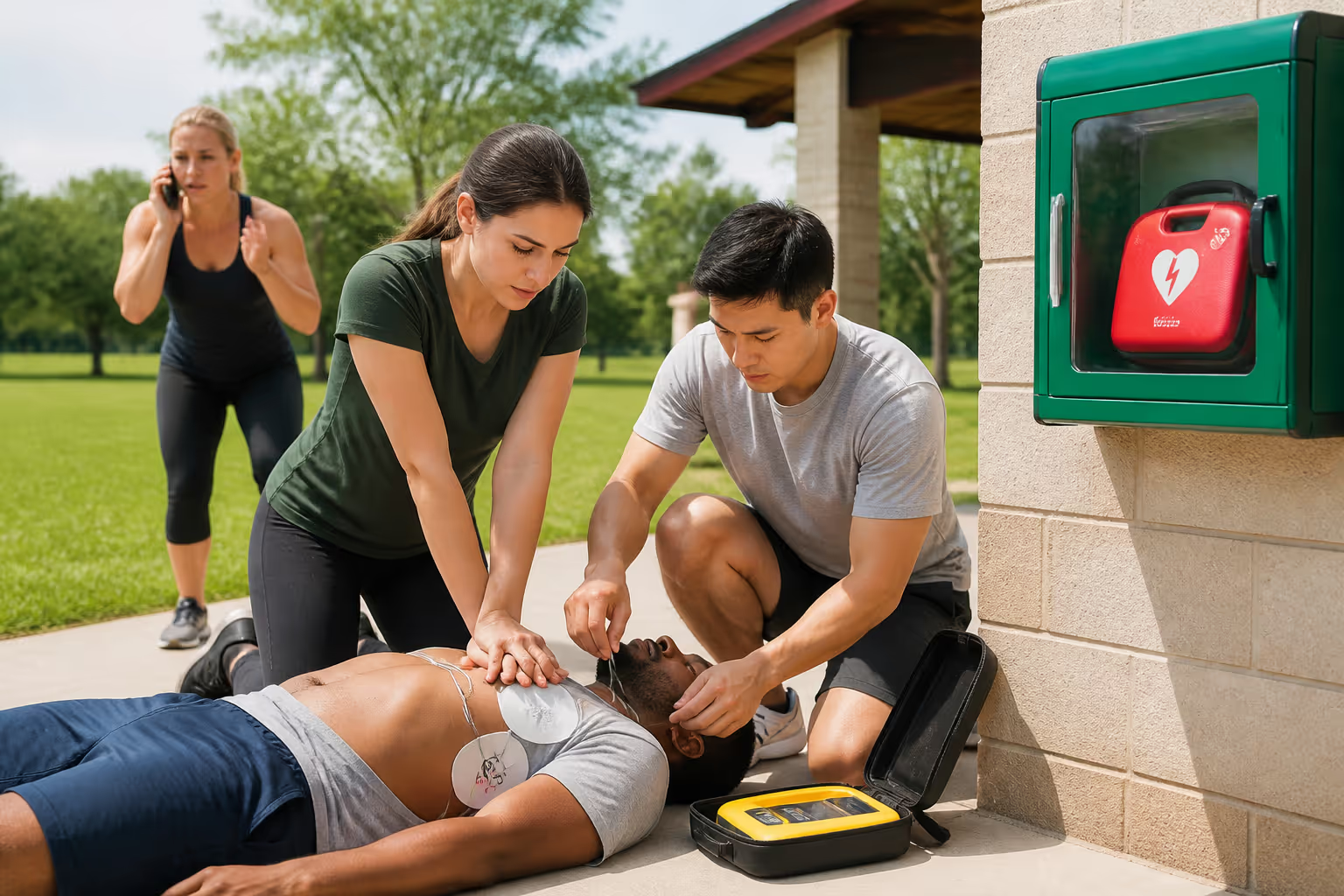
If someone collapses, is unresponsive, or is not breathing normally, call 911 immediately. In a school or track meet setting, clear communication and fast action matter. If an AED is available, someone should bring it right away while another person stays with the individual and follows dispatcher instructions.
This article is for general educational purposes only and is not a substitute for professional medical advice, diagnosis, treatment, or certified CPR training. In an emergency, call 911 immediately.
FAQ
Who should learn CPR?
Anyone who may respond first in a school, sports, workplace, or home emergency should learn CPR. That includes coaches, teachers, athletic staff, parents, and volunteers who support youth events.
Where are AEDs usually located at school events?
AEDs are often stored near the main office, gym, athletic training area, or event operations table. At outdoor meets, staff should confirm the exact location before the event starts and note which adult will retrieve it.
What should I do first in cardiac arrest in Cypress?
Call 911 right away, start CPR if you are trained, and get an AED as quickly as possible. If you are at a school or sports venue, alert nearby staff so someone can meet emergency responders at the entrance.
Plan training before the next season
The remembrance of Damani Gibson is a reminder that community events can carry a larger purpose. For Cypress families and school teams, that purpose can include reviewing emergency plans, checking AED access, and making CPR training part of the season routine. A prepared team is better positioned to respond when every second counts.
About our Houston Clear Lake office
- Address: 100 Perkins Ave, Suite E
- Phone: (713) 987 3709
- Email: clearlake@cprcertificationlabs.com
- Hours:
Monday – Sunday: 6am - 12am