CPR and AED training can help Texas schools respond faster
CPR and AED training is one of the most important steps schools can take to prepare for sudden cardiac arrest. In Texas, the conversation has grown even more urgent because school teams, coaches, teachers, and volunteers may be the first people on scene when a student, staff member, or visitor collapses. Project ADAM is a strong reminder that emergency response planning is not optional preparation. It is a practical safeguard that can help communities act quickly when every minute matters.
October’s Sudden Cardiac Arrest Awareness Month is a good time to focus on readiness. The lesson is simple: schools need a plan, people who know what to do, and an AED that is easy to locate and use.
What Project ADAM is teaching schools
Project ADAM was created in memory of Adam Lemel, a 17-year-old student athlete who collapsed during basketball in 1999. His story helped launch a program focused on improving cardiac emergency response in schools. The goal is not only to place AEDs in buildings, but also to make sure staff can respond with confidence.
The program supports schools with training, AED resources, emergency planning, and practice drills. A Heart Safe designation means a school or district has completed a quality readiness process that includes a CPR/AED trained emergency team, an emergency plan for the AED, and regular drills. That kind of preparation can shorten delays during a crisis.
Why sudden cardiac arrest requires a fast response
Sudden cardiac arrest happens when the heart stops pumping effectively, which can quickly lead to collapse, absent breathing, or abnormal breathing. Blood stops reaching the brain and other organs. In those moments, CPR and AED use are the core of emergency response.
An AED is designed to analyze the heart rhythm and, when appropriate, deliver a shock to help restore a normal rhythm. The key is speed. The sooner CPR starts and the sooner an AED is used, the better the chance of survival. That is why practiced response teams and clear procedures matter so much in schools, gyms, and athletic facilities.
Who should care about CPR and AED training
This topic matters for school administrators, nurses, coaches, athletic trainers, teachers, front office staff, volunteers, parents, and district leaders. It also matters for churches, youth sports programs, and community groups that use school buildings after hours. Any setting with children, students, or large gatherings should think about emergency response readiness.
For healthcare professionals and trainers in Southlake and nearby communities, this is also a chance to reinforce practical skills that can be shared with families and organizations. CPR and AED training is not just for hospitals or first responders. It is for any responsible adult who may need to act before EMS arrives.
Why training and drills make a difference
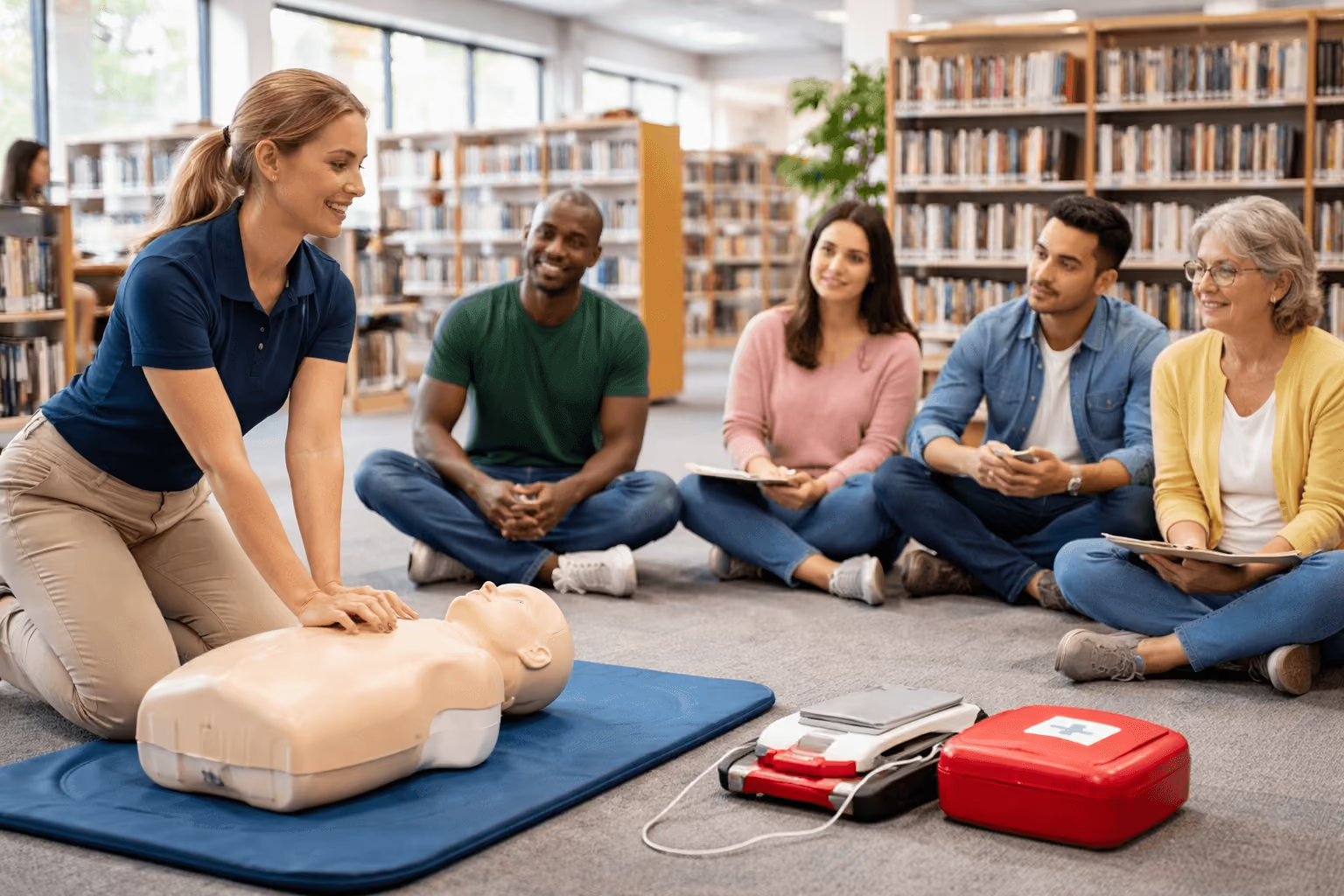
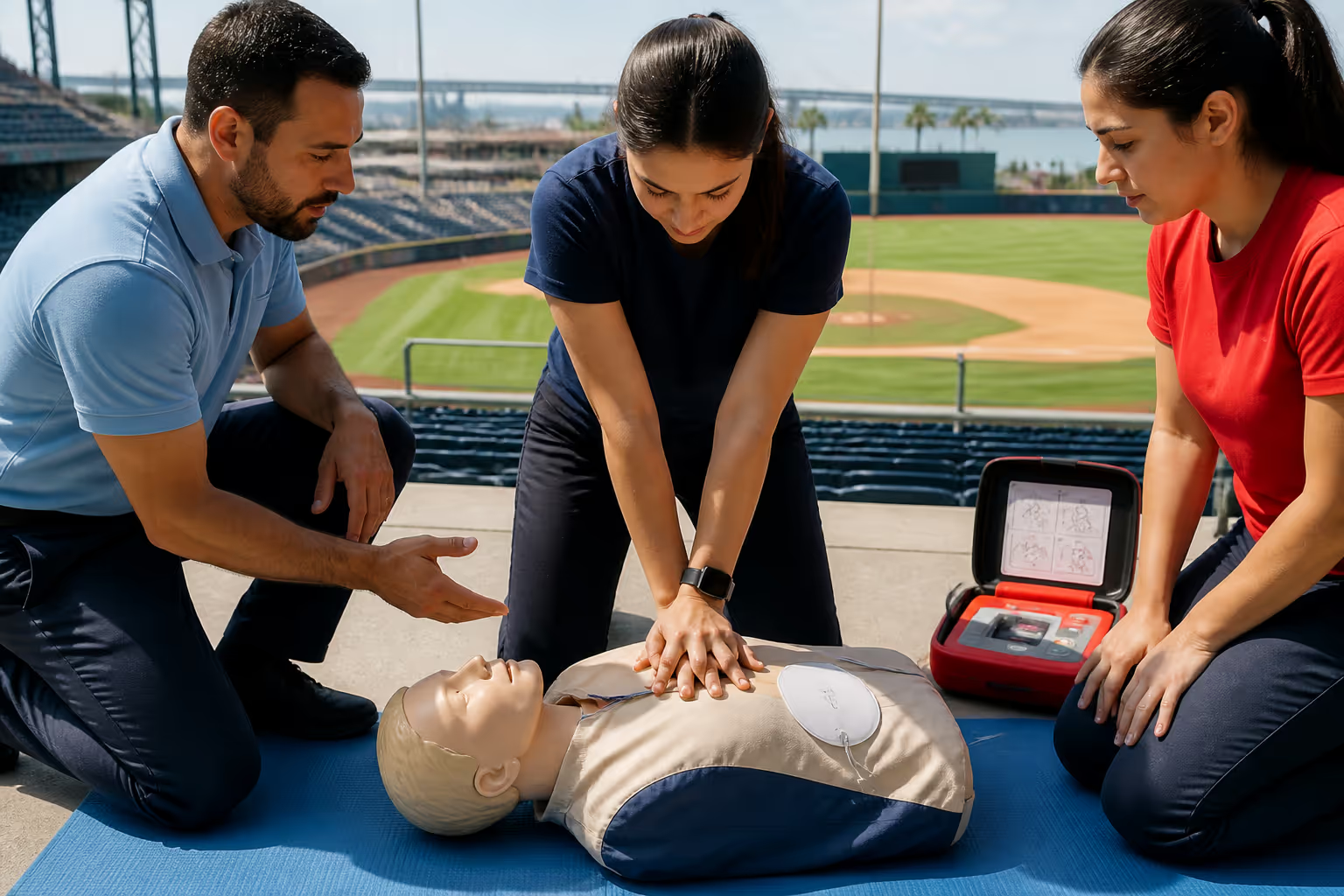
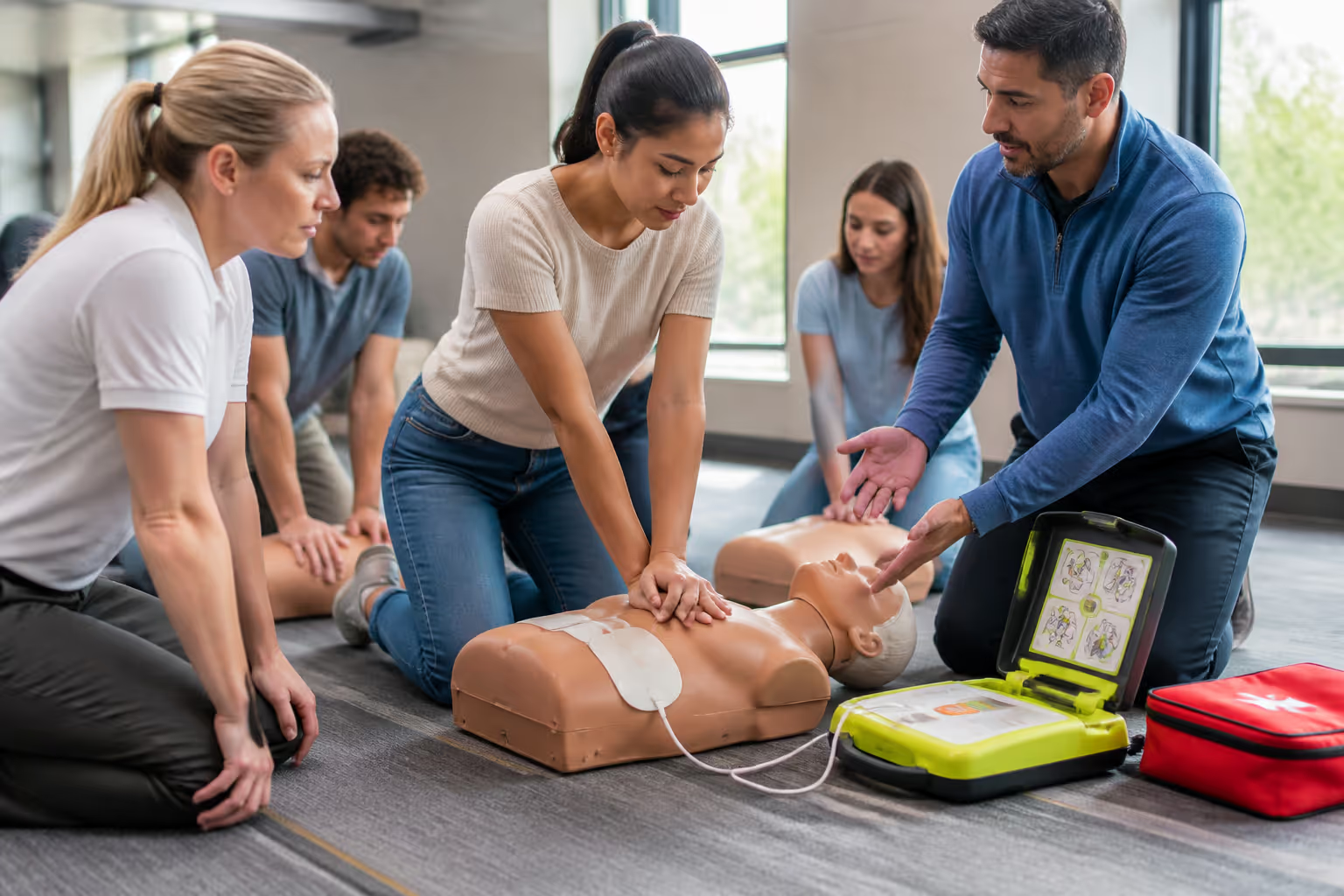
Knowing the steps is important, but practice builds speed and confidence. A sudden emergency can cause confusion, so repeated drills help people remember where the AED is stored, who calls for help, who starts CPR, and who meets emergency responders at the door. The more familiar a team is with its plan, the faster the response can begin.
Project ADAM also reflects a broader change in Texas. New school requirements are pushing districts to adopt cardiac emergency response plans, CPR and AED certification for certain employees and volunteers, and drills to test those plans. That is a meaningful step toward safer schools across the state.
What to do if someone collapses
If a person suddenly collapses and is unresponsive, act right away. Tap the person gently and shout to check for responsiveness. If there is no response, call 911 and send someone to get the AED immediately. Start CPR if you are trained and follow dispatcher instructions while help is on the way. If you are unsure where the AED is located, the dispatcher may be able to help direct you to the nearest registered device.
- Check for responsiveness
- call 911 immediately
- Send someone to retrieve the AED
- Start CPR if trained
- Use the AED as soon as it is available
This article is for general educational purposes only and is not a substitute for professional medical advice, diagnosis, treatment, or certified CPR training. In an emergency, call 911 immediately.
How CPR Certification Labs supports local preparedness
At CPR Certification Labs, our focus is on practical CPR and AED training that helps people feel prepared before an emergency happens. Training is especially valuable for school employees, coaches, childcare teams, office staff, and community volunteers who may need to respond quickly and calmly. Clear instruction, realistic practice, and up-to-date emergency response habits can help teams move from uncertainty to action.
For people in Southlake and surrounding areas, local access matters. Our Southlake office serves learners who want hands-on training in CPR, AED use, and first aid fundamentals in a straightforward, professional setting. If your school, district, or organization is reviewing preparedness, it can be helpful to start with the people who will actually respond.
Local relevance for Southlake and nearby communities
Southlake families and school communities know that athletics, after-school activities, and daily campus life bring together many people in one place. That makes emergency response planning especially important. Nearby medical and community facilities may provide care after the emergency has already started, but the first few minutes depend on the people on site. That is why CPR and AED training should be part of every school safety conversation.
Nearby residents can learn more about training options at our Southlake office page. Whether you are preparing a team, refreshing skills, or building a response plan, the goal is the same: be ready before it happens.
FAQ
What is the main purpose of Project ADAM?
Project ADAM helps schools improve readiness for sudden cardiac arrest through CPR/AED training, emergency planning, and AED drills.
Why is an AED so important in school emergencies?
An AED can quickly analyze the heart rhythm and deliver a shock when appropriate. Fast use, along with CPR, can improve the chance of survival during sudden cardiac arrest.
Who should get CPR and AED training?
School staff, coaches, volunteers, office teams, childcare workers, and community leaders should all consider CPR and AED training so they can respond in an emergency.
About our Southlake office
- Address: 175 Miron Dr
- Phone: (682) 339 7793
- Email: southlake@cprcertificationlabs.com
- Hours:
6am - 12am - 7 Days a Week!