air medical care Texas and why the Cedar Creek update matters
When people think about air medical care Texas, they often picture a helicopter arriving fast in a life-threatening emergency. In the Austin-area region, that picture now includes more advanced support for patients who need specialized transport for severe respiratory, cardiac, or trauma-related conditions. PHI Air Medical’s Cedar Creek base has expanded its capabilities, giving local emergency systems another option when ground transport is not enough.
This kind of service matters because critical patients sometimes need care that starts before they reach a hospital. In those moments, fast coordination, skilled crews, and the right equipment can support the broader emergency response chain.
What changed at the Cedar Creek base
According to the company announcement, the Cedar Creek base added several advanced in-flight care options in 2025. These include transport support for patients with severe breathing problems, pulmonary hypertension, or organ failure. The goal is to help move the most fragile patients while maintaining a higher level of monitoring and treatment during transport.
The base also added capabilities that were noted as firsts in Central Texas and the Austin area for this type of service. Those additions include:
- Independent transports involving inhaled epoprostenol
- High-flow nasal cannula support
- Inhaled nitric oxide transport
- ECMO-related transport support for respiratory or organ failure cases
These services are not everyday needs, but they are important in high-acuity situations where a patient may require advanced respiratory support during transfer. For families and first responders, the existence of these options can make a difficult event easier to manage.
Local context in Bastrop County and the Austin area
Cedar Creek sits within a growing part of Central Texas where traffic, distance, and regional growth can affect emergency response times. In that setting, air medical care can provide another pathway for moving patients quickly to the level of care they need. For nearby communities, the addition of advanced transport options can strengthen the local emergency network without replacing the role of EMS, hospitals, or trained bystanders.
The update also includes a financial relief component for some residents. Through an agreement with Bastrop County Emergency Services District No. 3, Bastrop County residents do not pay out-of-pocket flight costs when they are picked up and transported within a seven-county service area. There is also an option to extend the no out-of-pocket benefit nationwide for an annual fee.
Who should pay attention to this news
This story is relevant to healthcare professionals, first responders, hospital staff, caregivers, and families living in or near Bastrop County, Cedar Creek, and the broader Austin metro. It is also useful for anyone who wants to better understand how emergency response works when a patient’s condition requires more than a standard ambulance ride.
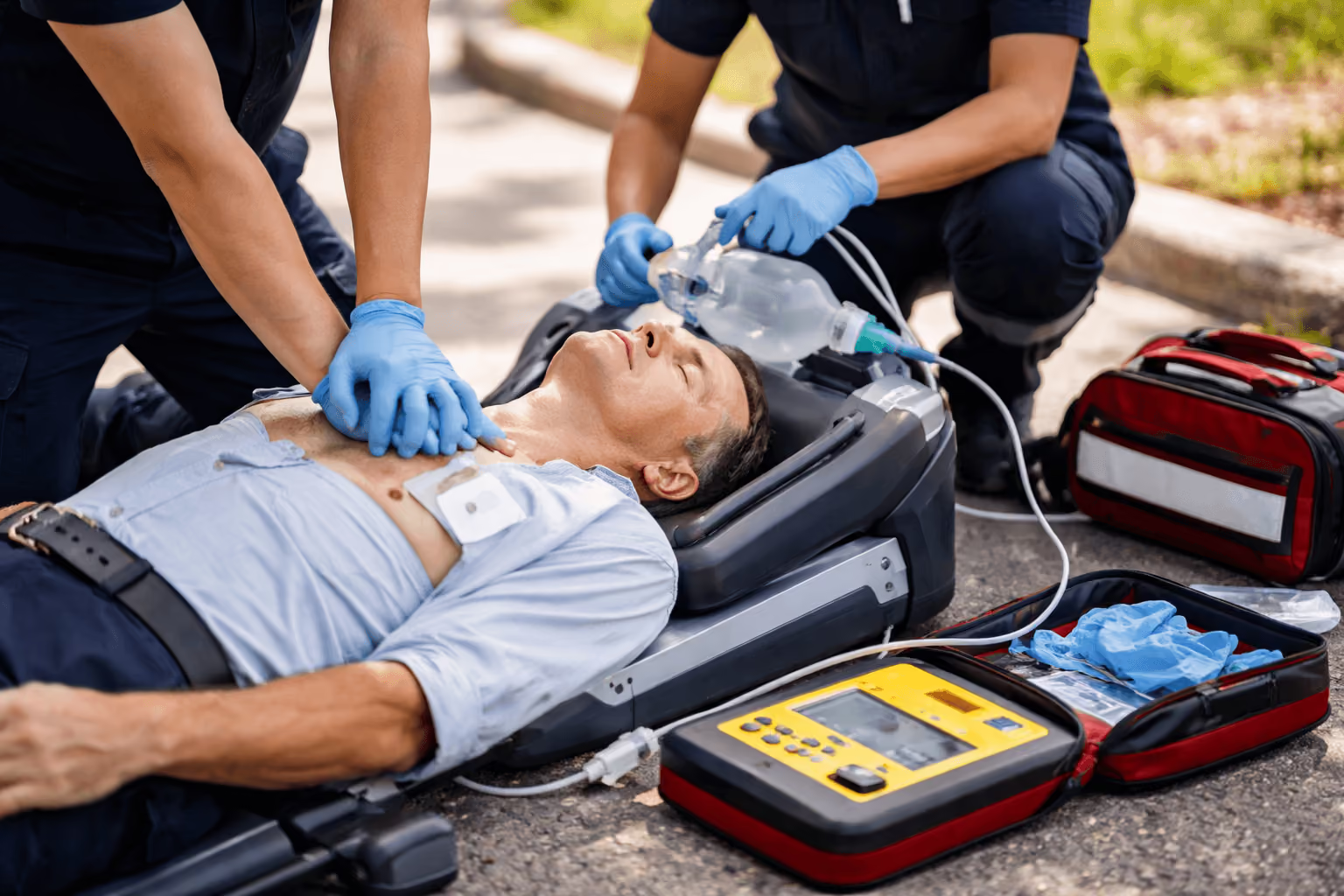
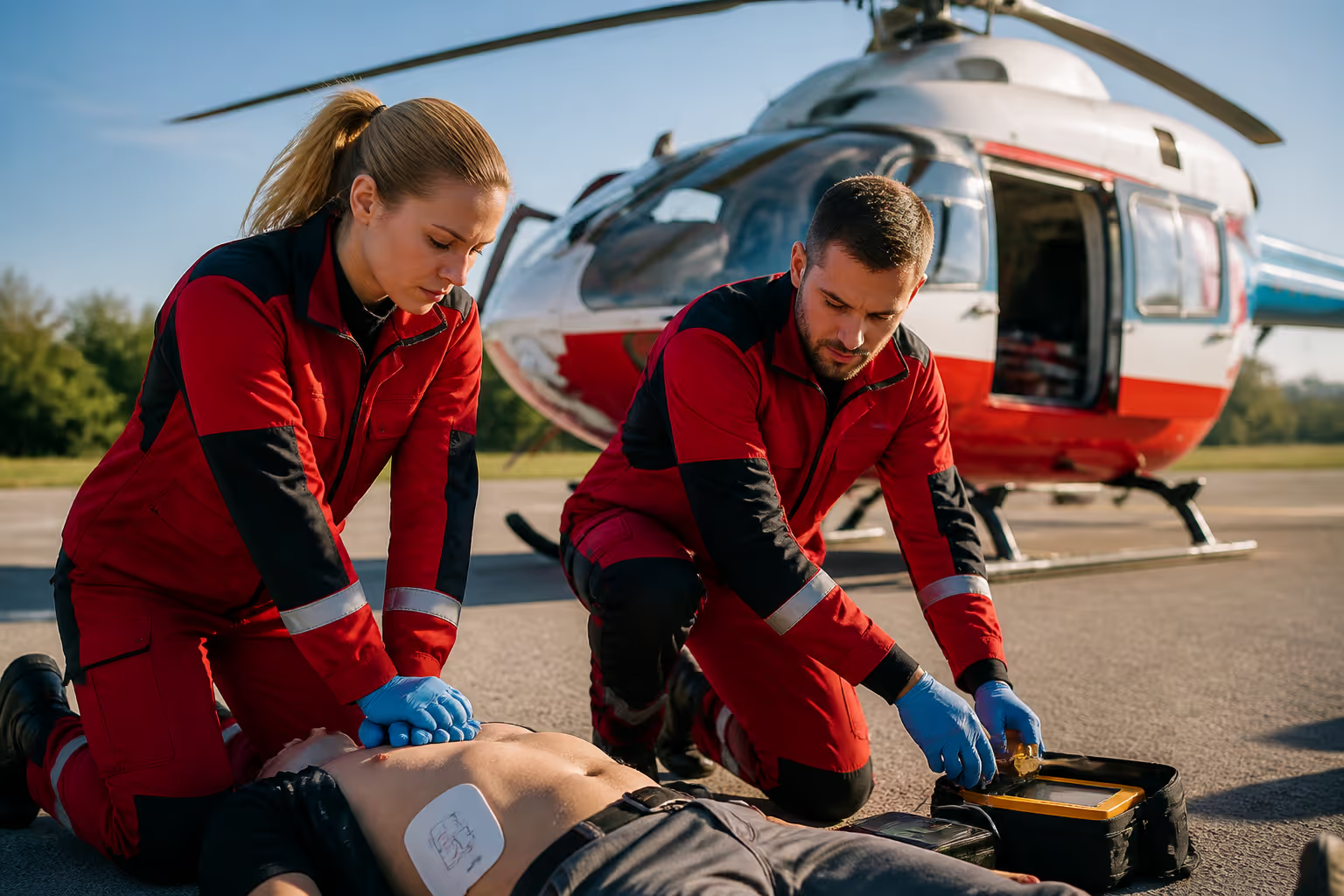
For healthcare workers, the update is a reminder that critical care does not begin only inside the hospital. Transport teams may need to manage airway issues, oxygen support, cardiac instability, or trauma concerns while a patient is still in transit. That is why CPR, AED readiness, and coordinated first aid remain essential parts of the emergency chain.
Why CPR training still matters during advanced transport
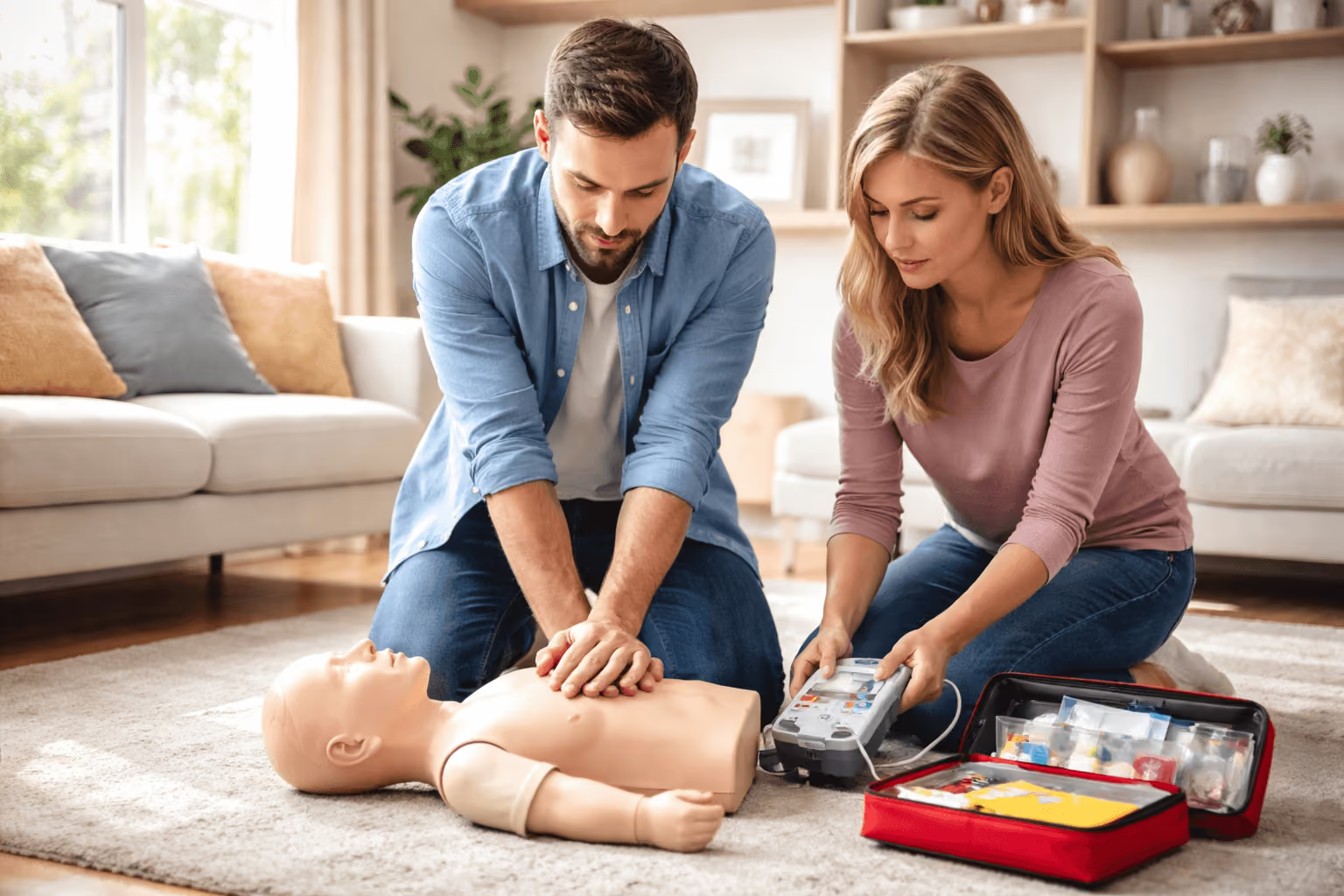
Even with specialized air medical care, the first minutes of an emergency often depend on bystanders and local responders. If someone collapses, has trouble breathing, or shows signs of cardiac arrest, the right early steps can buy time until advanced teams arrive. Learning CPR helps people recognize when to act, while AED use can support a rapid response to sudden cardiac events.
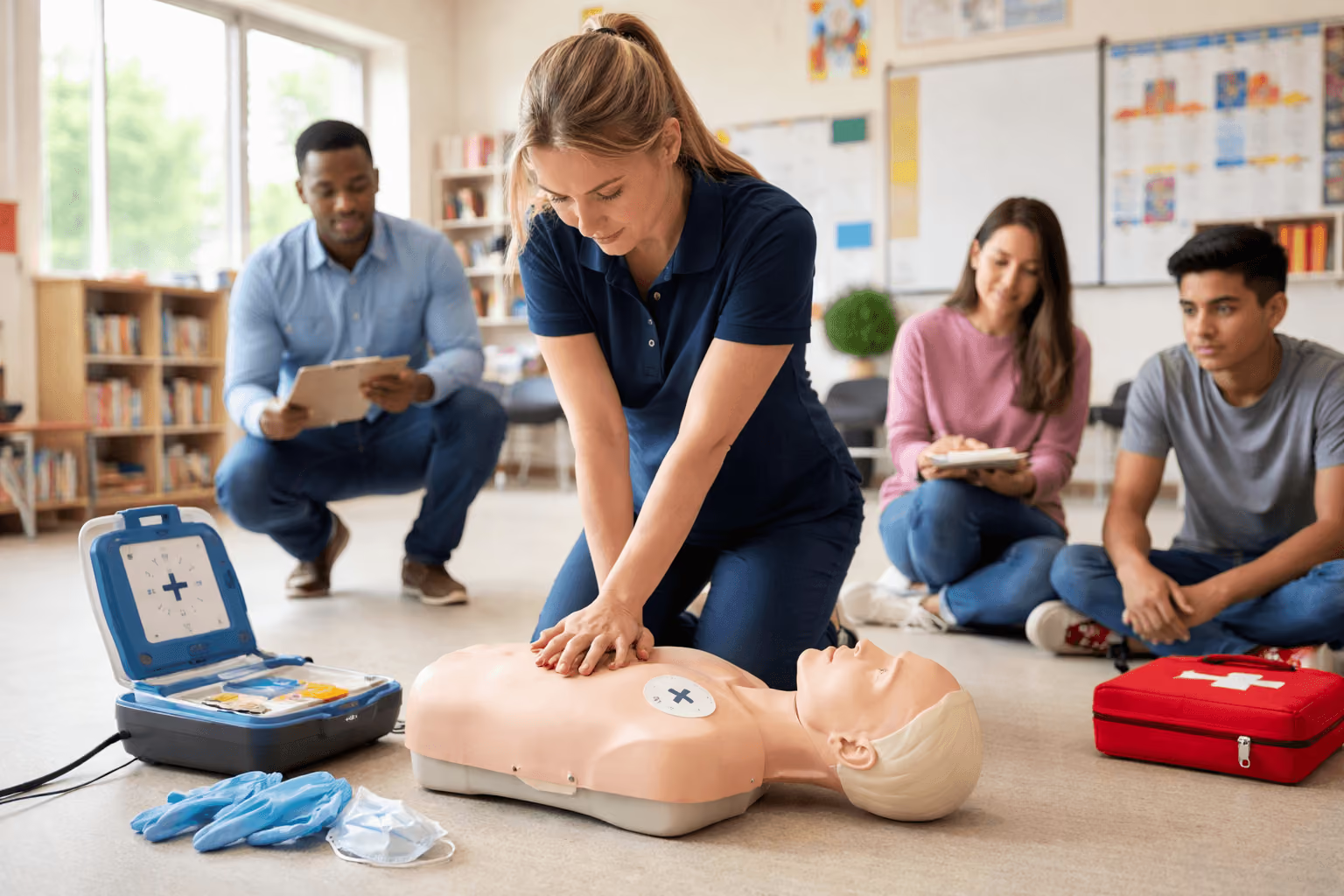
Basic first aid skills are also valuable in day-to-day settings such as workplaces, clinics, schools, and homes. A trained person can help stabilize a scene, communicate clearly with dispatch, and prepare others to assist until EMS or air medical crews take over.
This article is for general educational purposes only and is not a substitute for professional medical advice, diagnosis, treatment, or certified CPR training. In an emergency, call 911 immediately.
Practical steps for the public
If you see someone who is unresponsive, not breathing normally, or showing signs of a serious medical crisis, call 911 right away. Follow dispatcher instructions, begin CPR if you are trained, and use an AED as soon as one is available. If the person is awake but in distress, keep them calm, monitor their breathing, and wait for emergency personnel unless you are instructed otherwise.
In many situations, a strong emergency response starts long before a helicopter lands. Community members who know CPR and first aid can make a meaningful difference while professional crews organize transport and ongoing care.
Benefits of choosing CPR Certification Labs
CPR Certification Labs helps healthcare professionals and community members build practical skills for real emergencies. Our courses are designed to be straightforward, professional, and useful for people who need training they can apply on the job or at home. We focus on core skills such as CPR, AED use, first aid, and emergency response awareness.
For learners in the Dallas-Fort Worth area and nearby communities, our Rockwall-Rowlett office offers a convenient training option. If you want to strengthen your readiness for cardiac, breathing, or trauma emergencies, you can learn more here: Rockwall - Rowlett office page.
Nearby facilities and local relevance
Cedar Creek’s location in the Austin region connects it to a wider network of EMS crews, emergency departments, and specialty transport resources. That network can be especially important in rural and fast-growing parts of Central Texas, where response times and distance may affect how quickly a patient reaches higher-level care.
For clinicians, caregivers, and prepared bystanders, the lesson is simple: advanced transport is strongest when paired with early recognition, good communication, and immediate CPR when needed. Air medical services can be a crucial part of the system, but the first link often begins with someone nearby who knows what to do.
FAQ
What is the main benefit of advanced air medical transport?
It allows critically ill patients to receive higher-level monitoring and specialized support while moving to the right hospital or care center.
Does air medical service replace CPR or EMS?
No. CPR, AED use, and EMS response are often the first critical steps before advanced transport is available.
Why is this news important to local residents?
It shows that the Austin-area emergency care system now has expanded transport options and, for some Bastrop County residents, reduced out-of-pocket pickup costs.
About our Rockwall - Rowlett office
- Address: 1 Horizon Ct., Suite A
- Phone: (469) 769-5383
- Email: rockwall@cprcertificationlabs.com
- Hours: 9am - 5pm - Monday through Friday