CPR Response in Midland and Emergency Readiness
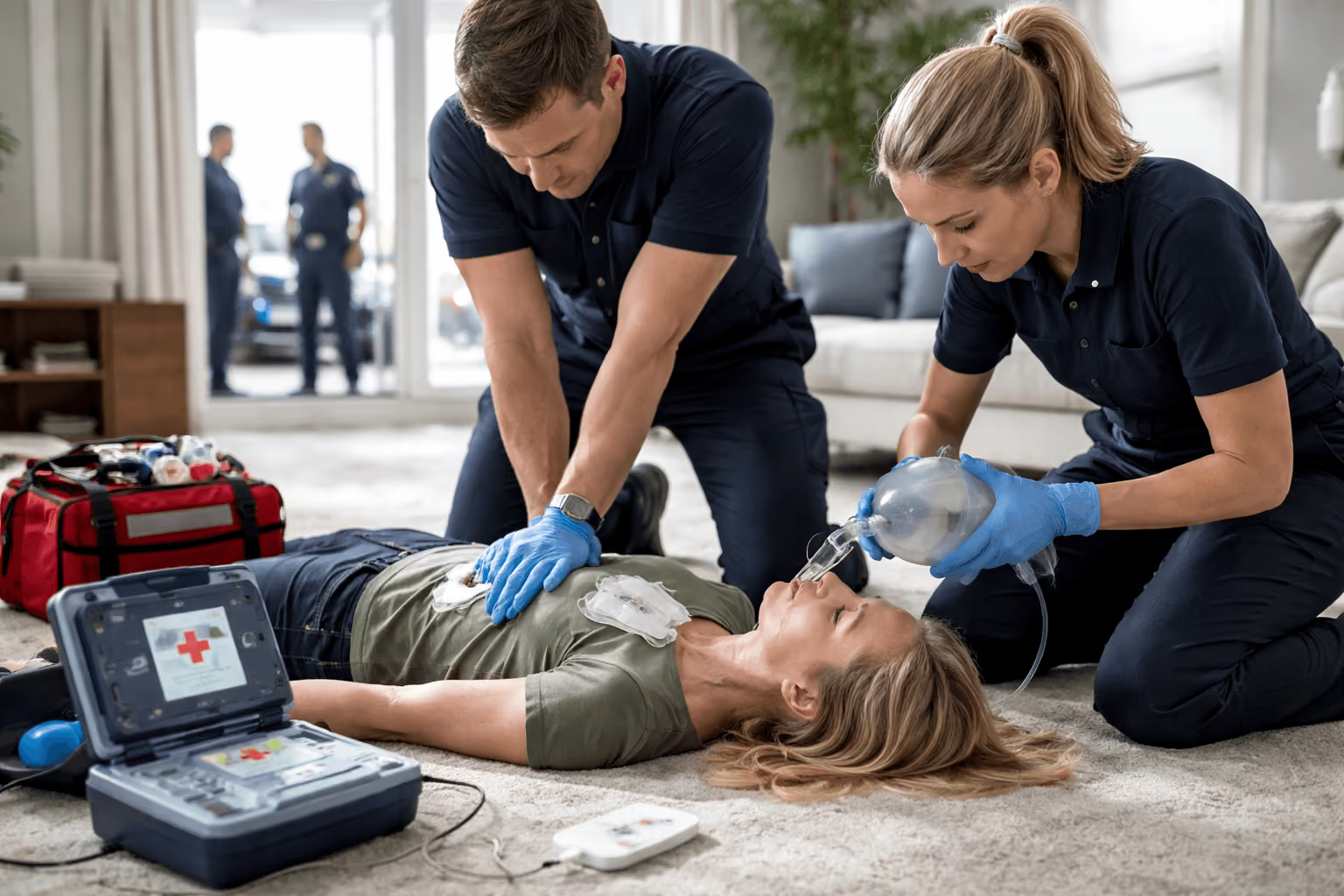
CPR response in Midland is most effective when bystanders, family members, and responders know how to act quickly and stay organized. In a serious emergency, the first few minutes matter because someone nearby may need CPR, AED support, or basic first aid before more help arrives.
This Midland County incident involved a dangerous domestic disturbance that required deputies, EMS, and family members to respond under pressure. The event is a reminder that emergency response scenes can change fast, and trained people often help create a calmer, safer handoff for arriving professionals.
This article is for general educational purposes only and is not a substitute for professional medical advice, diagnosis, treatment, or certified CPR training. In an emergency, call 911 immediately.
What the Midland County Response Shows
In situations like this, responders may be dealing with more than one urgent concern at the same time. Family members may be asking for help, EMS may be assessing the scene, and law enforcement may be working to secure the area so medical support can continue safely.
When a caller reports that someone is unresponsive, the best next step is to stay on the line with dispatch, follow instructions, and provide clear information. If CPR is already in progress, keep compressions going only if it is safe to do so and if the person helping has been trained.
For the public, the key lesson is simple: emergency response works best when people know how to communicate, stay back from danger, and let trained teams do their jobs without crowding the scene.
CPR Response in Midland for Families and Bystanders
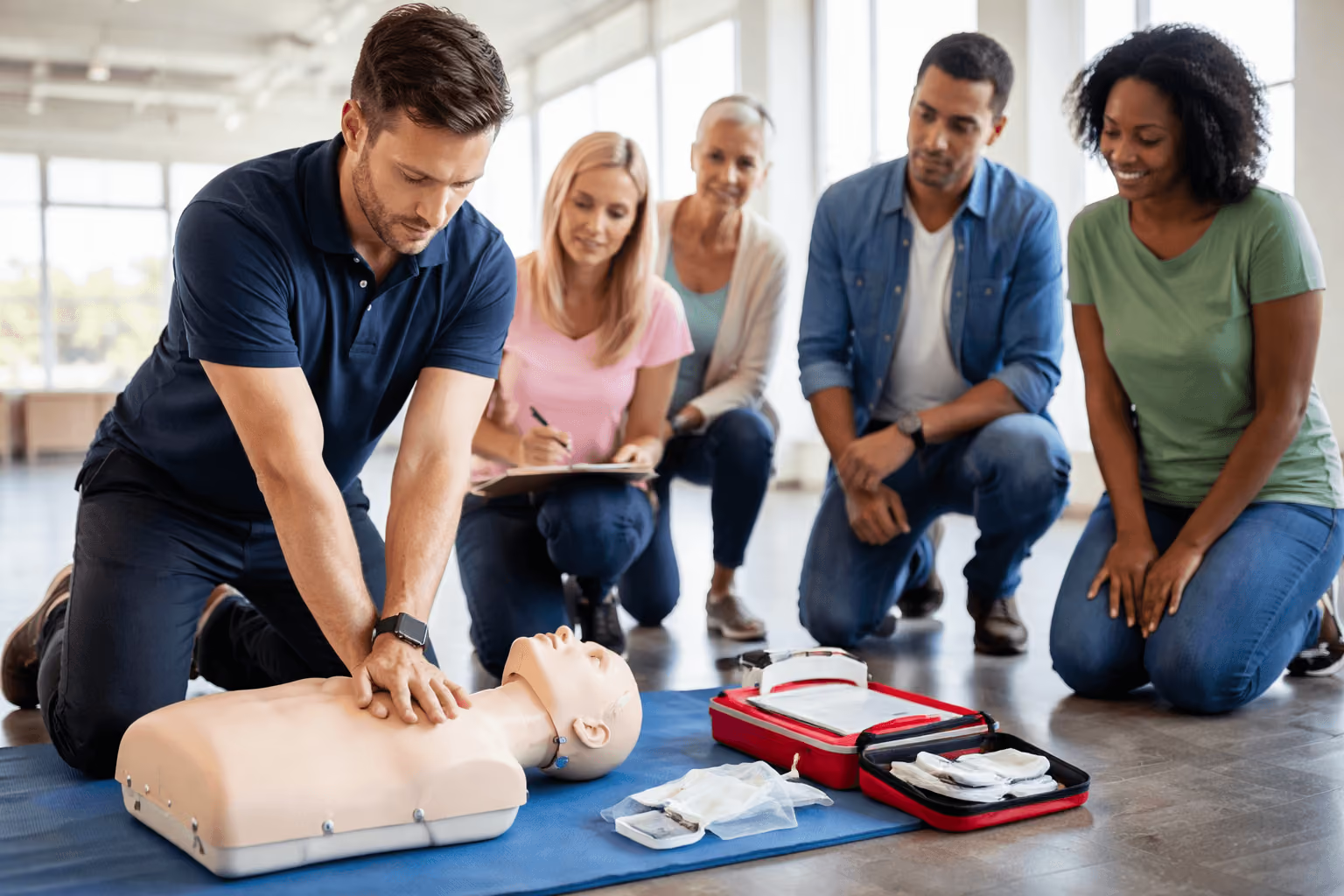
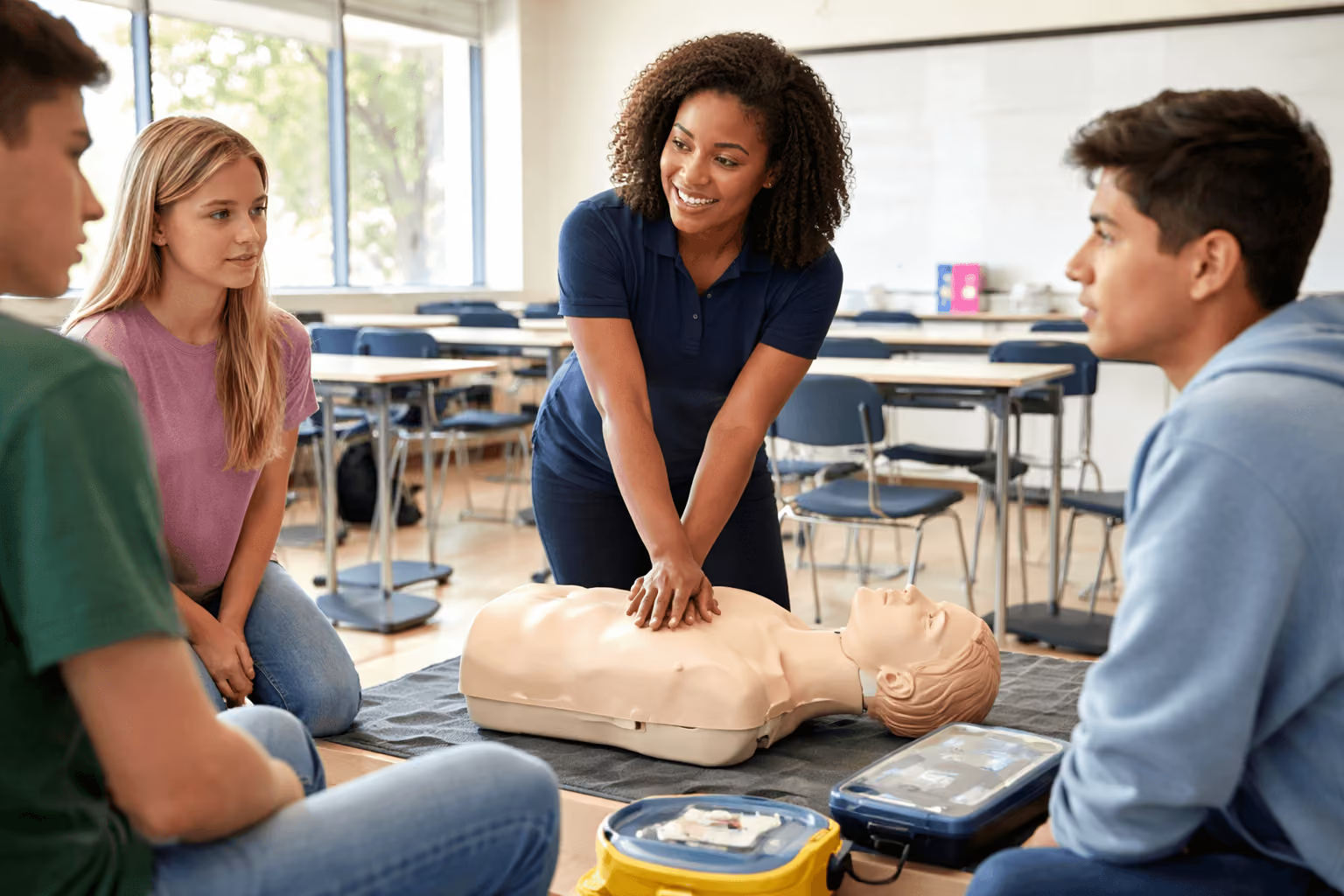
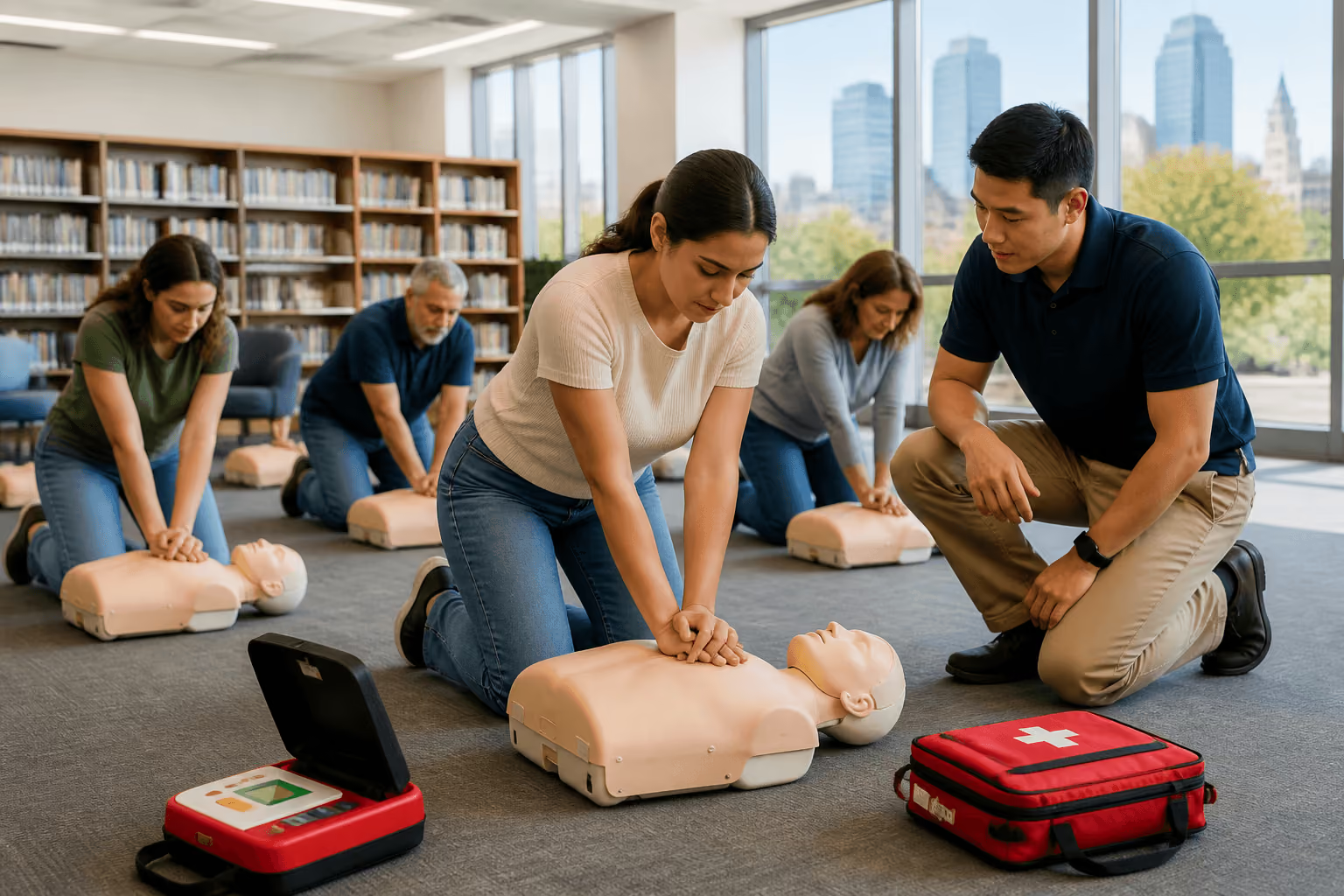
CPR response in Midland matters for parents, caregivers, workplace teams, and anyone who may be first on scene before EMS arrives. A class in CPR, AED use, and first aid helps people understand their role and avoid hesitation when seconds count.
CPR Certification Labs uses a straightforward 3-step process:
- Schedule online
- Complete the online course portion
- Attend the in-person skills session at the office
This format is designed for busy healthcare professionals, workplace teams, and community members who want a clear path to certification without unnecessary confusion.
Who Benefits from Training
Healthcare workers, dental teams, office staff, school employees, childcare providers, and industrial workers all benefit from CPR and emergency response training. In Midland, many professionals need renewal on a regular schedule, and staying current helps reduce delays when a real emergency happens.
Even if you are not in a clinical role, learning CPR and first aid can help you respond with confidence until EMS arrives. That is especially important in homes, small businesses, and shared workplaces where you may be the closest trained person.
Why Choose CPR Certification Labs
CPR Certification Labs offers a practical experience for people who want local support, a clear course path, and convenient scheduling. The Midland - Odessa office is located at 4214 Andrews Highway, Suite 202, Midland, TX, with weekday hours from 8am - 6pm Monday through Friday.
Our approach is focused on helping people complete CPR, AED, and first aid training in a way that fits real schedules. If you are looking for a local office and an easy registration process, you can review details at our Midland - Odessa office page.
Nearby Local Context
Midland professionals often move between clinics, offices, schools, and job sites across the city, so having a nearby training option can make renewal easier. A local office also helps keep skills practice practical and accessible for teams that need to train together.
For anyone in Midland County, it is smart to treat CPR, AED awareness, and first aid readiness as part of everyday preparedness, not just something to think about after an emergency.
When to Call 911
If someone is unresponsive, in immediate danger, or in a scene that is not safe to approach, call 911 right away. Give the dispatcher the exact location, what you see, and whether anyone is already helping.
Training does not replace emergency services, but it can help you support the response until they arrive.