AED training in Carrollton and the lesson from the skies
AED training in Carrollton matters because sudden cardiac arrest can happen without warning in places where help is not yet close enough. A story like David McKenas’ work to place defibrillators on airplanes shows why CPR, AED use, and fast decision-making are essential when every second counts.
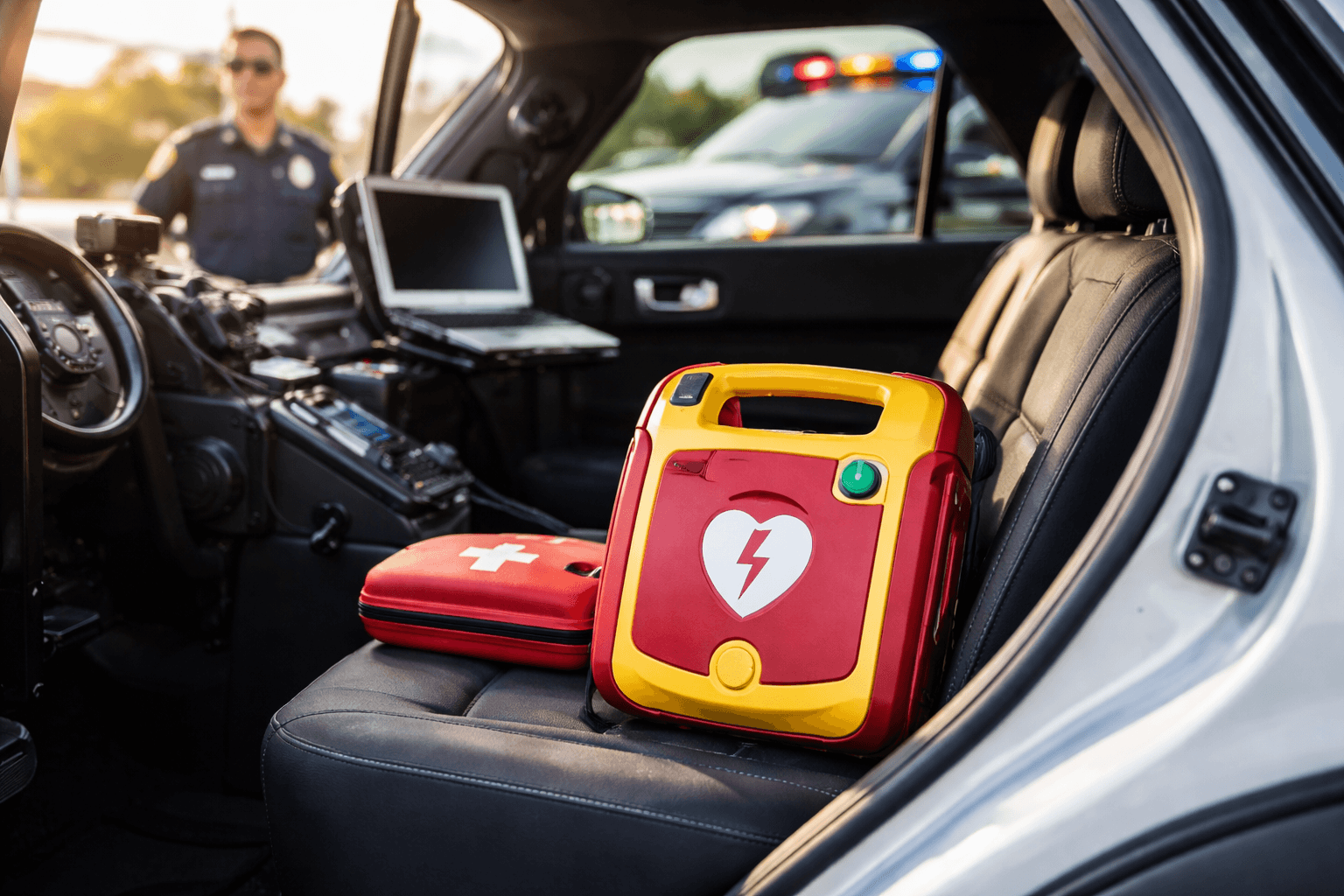
McKenas, a physician and former American Airlines medical director, helped make onboard AEDs a standard part of airline emergency response. His work is widely recognized as an early push that helped bring automated external defibrillators into the commercial aviation setting, where trained crew members can act before advanced care arrives. That same idea applies in Carrollton workplaces, schools, gyms, and public spaces.
Why AED training in Carrollton is a local priority
Carrollton is part of a busy North Texas community where people travel between offices, stores, clinics, events, and transit corridors every day. In a sudden emergency, the nearest trained responder may be a coworker, teacher, coach, or volunteer rather than a paramedic. That is why AED training in Carrollton is not just a general safety topic; it is a practical local readiness skill.
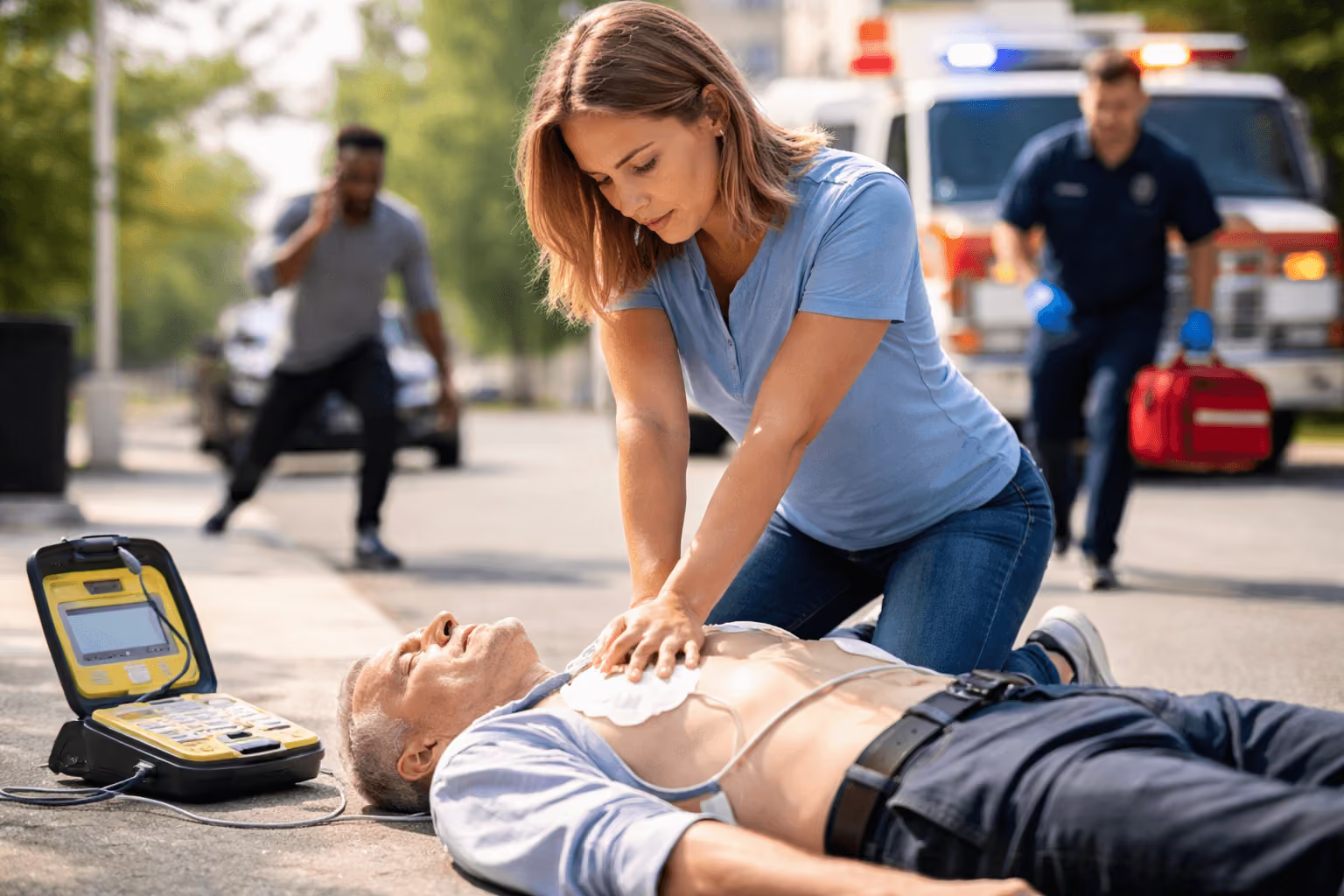
When an AED is available, the responder still needs to know how to recognize cardiac arrest, start high-quality CPR, and use the device as directed. Training reduces hesitation, helps people follow a clear sequence, and supports a better emergency response while 911 is on the way.
What learners practice in AED and CPR training
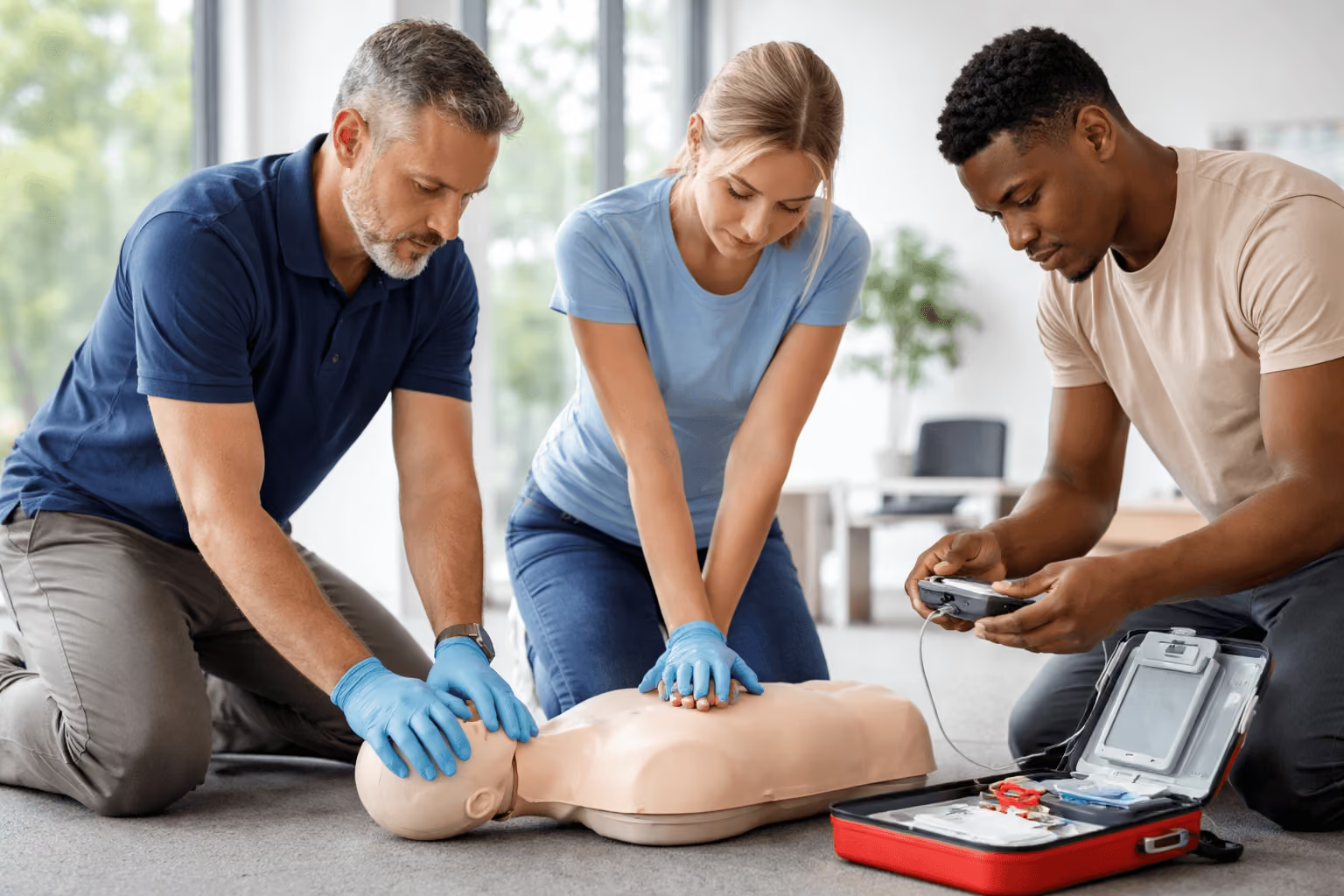
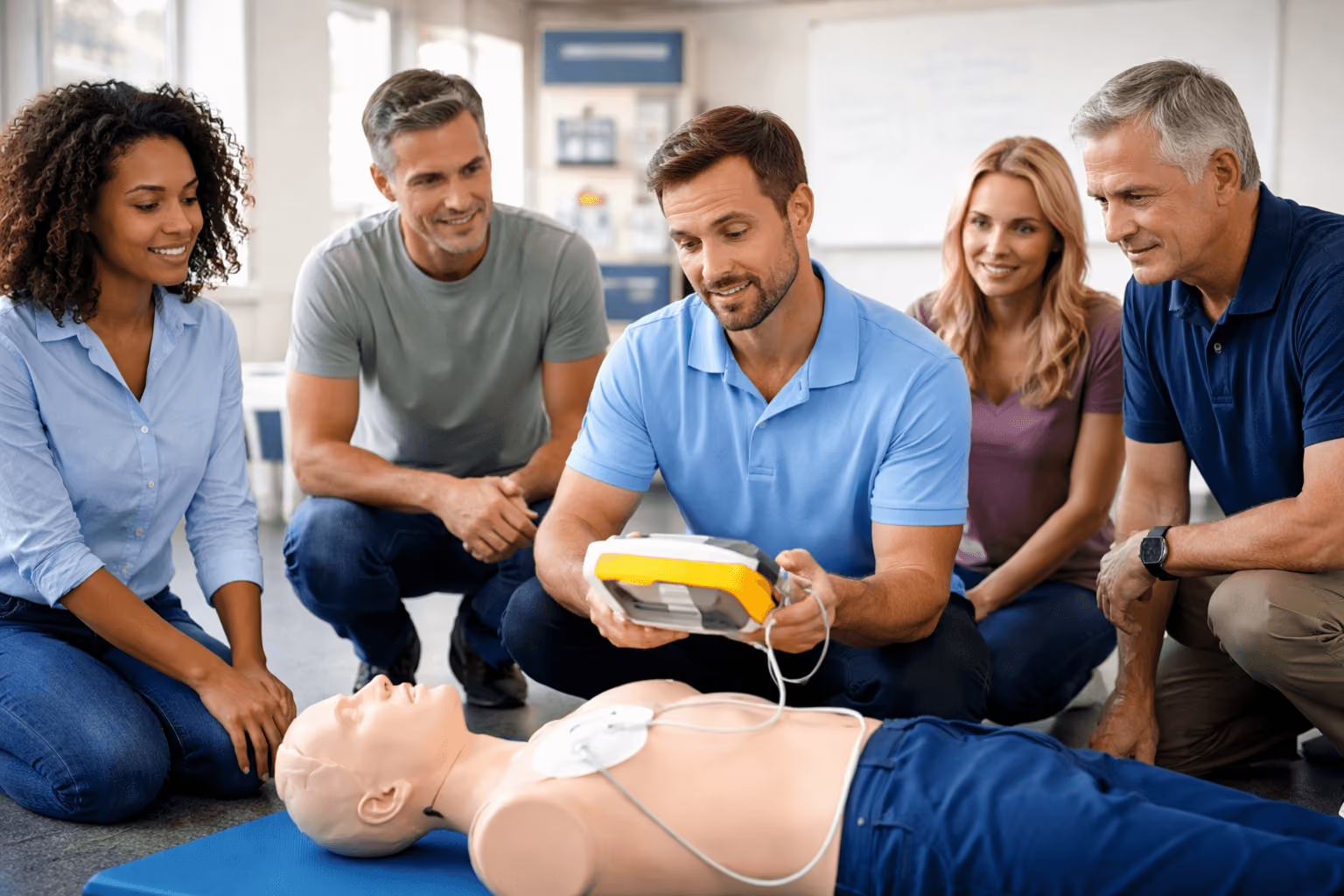
Strong AED training is more than a device overview. Students practice the actions they would need in a real event so the process feels familiar instead of overwhelming.
- Recognizing when a person is unresponsive and not breathing normally
- Calling for help and directing someone to call 911
- Starting CPR and understanding chest compression basics
- Turning on an AED and following voice prompts
- Clearing the area before a shock is delivered
- Continuing CPR until EMS takes over or the person shows signs of recovery
These are the core skills that support emergency response in the moments before advanced care arrives. Training also helps learners understand where AEDs are commonly placed and why speed matters so much.
What David McKenas’ airplane AED advocacy teaches
McKenas’ aircraft initiative is a useful case study because it combines planning, equipment access, and staff preparation. It was not enough to place a defibrillator on board. Flight attendants also had to learn how to use it, which is a reminder that equipment alone does not save lives. People do.
For Carrollton learners, the lesson is straightforward: a workplace, school, or community space is safer when the team knows what to do before an emergency happens. That includes CPR training, AED training, and basic first aid awareness so the first response is calm and coordinated.
For readers who want a general overview of the device and its role in cardiac arrest response, the American Heart Association explains that AEDs are designed to analyze heart rhythm and guide rescuers through the shock process when needed. The American Red Cross also offers public guidance on CPR and AED use, including the importance of immediate action.
This article is for general educational purposes only and is not a substitute for professional medical advice, diagnosis, treatment, or certified CPR training. In an emergency, call 911 immediately.
Who this training is for
AED training in Carrollton is useful for many people who may be first on the scene before professional responders arrive. It is especially relevant for anyone responsible for the safety of others in a shared environment.
- Healthcare professionals who want practical emergency response refreshers
- Office teams and building managers
- Teachers, coaches, and school staff
- Fitness instructors and recreation employees
- Volunteer leaders, community organizers, and event staff
- Parents and caregivers who want confidence in an emergency
Even people who never expect to use these skills can benefit from learning them. Cardiac arrest is unpredictable, and readiness often depends on the nearest trained bystander.
How CPR Certification Labs supports Carrollton-area learners
CPR Certification Labs focuses on practical, easy-to-follow instruction that helps learners build confidence with CPR, AED, and first aid topics. The goal is to make the emergency response sequence clear: assess, call, compress, attach the AED, and continue care until help arrives.
For Carrollton residents and nearby professionals, a local training option can make scheduling easier and support regular recertification. Learners can review course options and office information on our Denton office page, which serves people in the wider North Texas area.
CPR Certification Labs offers classes designed for real-world use, so students understand what to do in a workplace hall, school gym, waiting room, or airport terminal. That practical focus is especially helpful for teams that need a shared response plan.
Nearby readiness and local context
In North Texas, emergency readiness often depends on how quickly a trained person can respond in everyday places: office suites, retail spaces, clinics, schools, and community centers. Carrollton organizations that post AED locations and train staff in CPR improve the odds that someone will act without delay.
Local preparedness also helps teams coordinate with nearby facilities and public spaces that may already have emergency equipment in place. A clear plan, visible AED access, and trained staff are all part of a stronger chain of survival.
Simple emergency response steps to remember
- Check for safety and see if the person responds
- Call 911 right away or send another person to do it
- Begin CPR if the person is not breathing normally
- Get the AED and power it on as soon as it arrives
- Follow the voice prompts and keep acting until EMS takes over
In an emergency, speed matters, but so does confidence. That is why practice is central to effective training.
Why this story still matters today
David McKenas’ airplane AED advocacy is a reminder that lifesaving systems often begin with one person who sees a problem and prepares a response. The same principle applies in Carrollton. When teams understand CPR, know where the AED is, and can act quickly, they are better positioned to help in a cardiac emergency.
If you are looking for AED training in Carrollton, choose a local course that teaches practical skills, reinforces emergency response, and supports confidence for work and community settings. Learn more through CPR Certification Labs and take the next step toward being ready.
References
- American Heart Association: CPR and AED guidance for sudden cardiac arrest response
- American Red Cross: First aid, CPR, and AED educational resources
- Binghamton University News: coverage of David McKenas’ role in bringing AEDs onto airplanes
About our Denton office
- Address: 2413 Fort Worth Dr, Suite 101
- Phone: (940) 240 6307
- Email: denton@cprcertificationlabs.com
- Hours:
7am - 8pm - 7 Days a Week!