AED in Dallas and the Split-Second That Changed a Game
An AED in Dallas can make the difference between a collapse and a second chance. A recent high school soccer emergency in North Texas showed how quickly trained adults, bystanders, and an automated external defibrillator can come together during a sudden cardiac event.
For healthcare workers, coaches, parents, and school staff, the lesson is straightforward: cardiac arrest can happen without warning, and the best response starts immediately with CPR, an AED, and a clear plan for emergency response.
What Happened During the Match
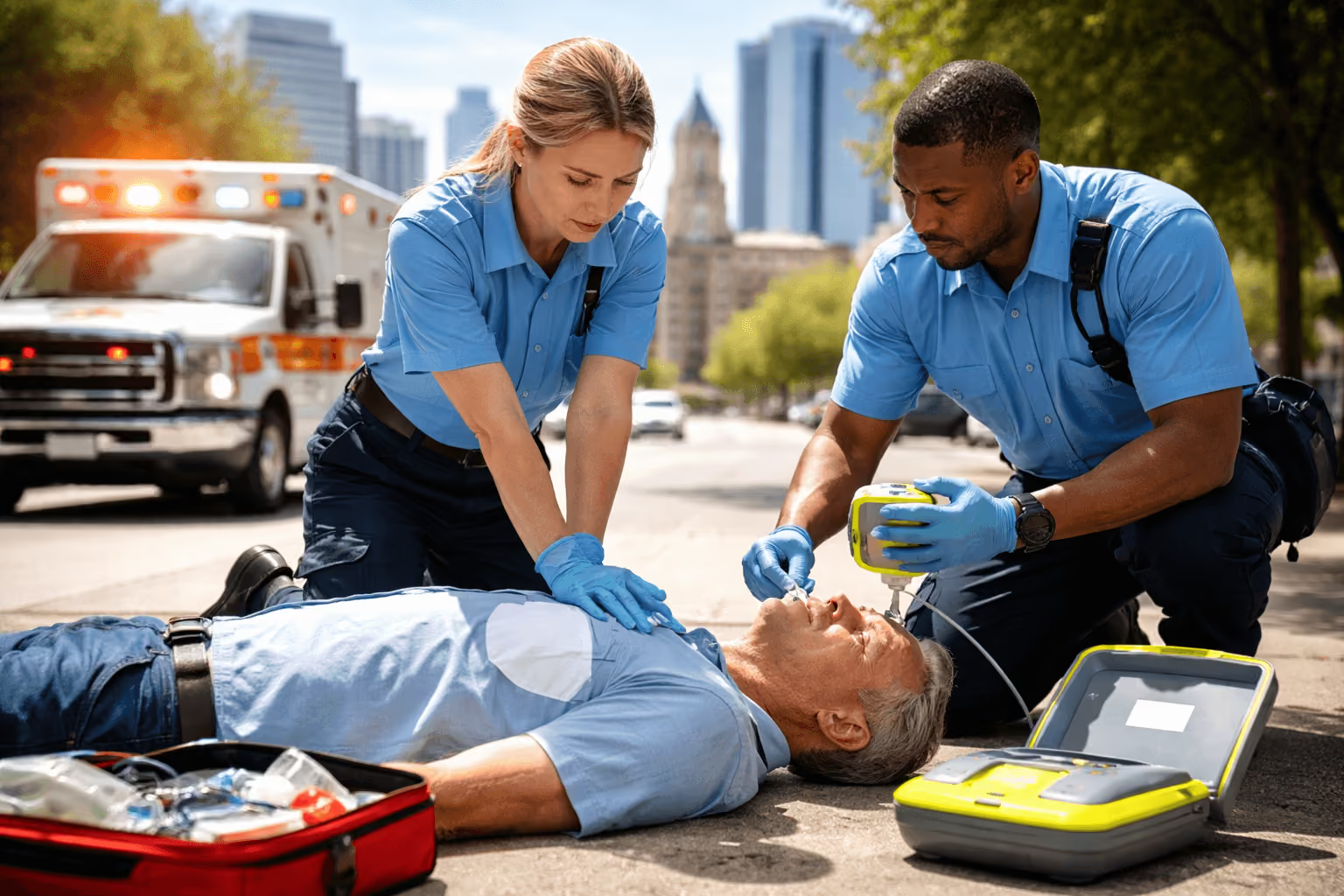
During a Texas high school soccer game, a student-athlete became dizzy, sat down, and then became unresponsive. An athletic trainer recognized that something was seriously wrong, called for an AED, and began coordinating help right away. Nearby adults also assisted until emergency crews arrived.
That kind of response is exactly why schools and sports venues keep AEDs close to the action. When a person is not responding and breathing normally, every minute matters.
Why AEDs Matter in Cardiac Emergencies
An AED is designed to analyze a person’s heart rhythm and provide a shock if needed. It gives calm, step-by-step voice prompts so responders can act quickly. In a cardiac arrest, the device is used alongside CPR and rapid activation of emergency medical services.
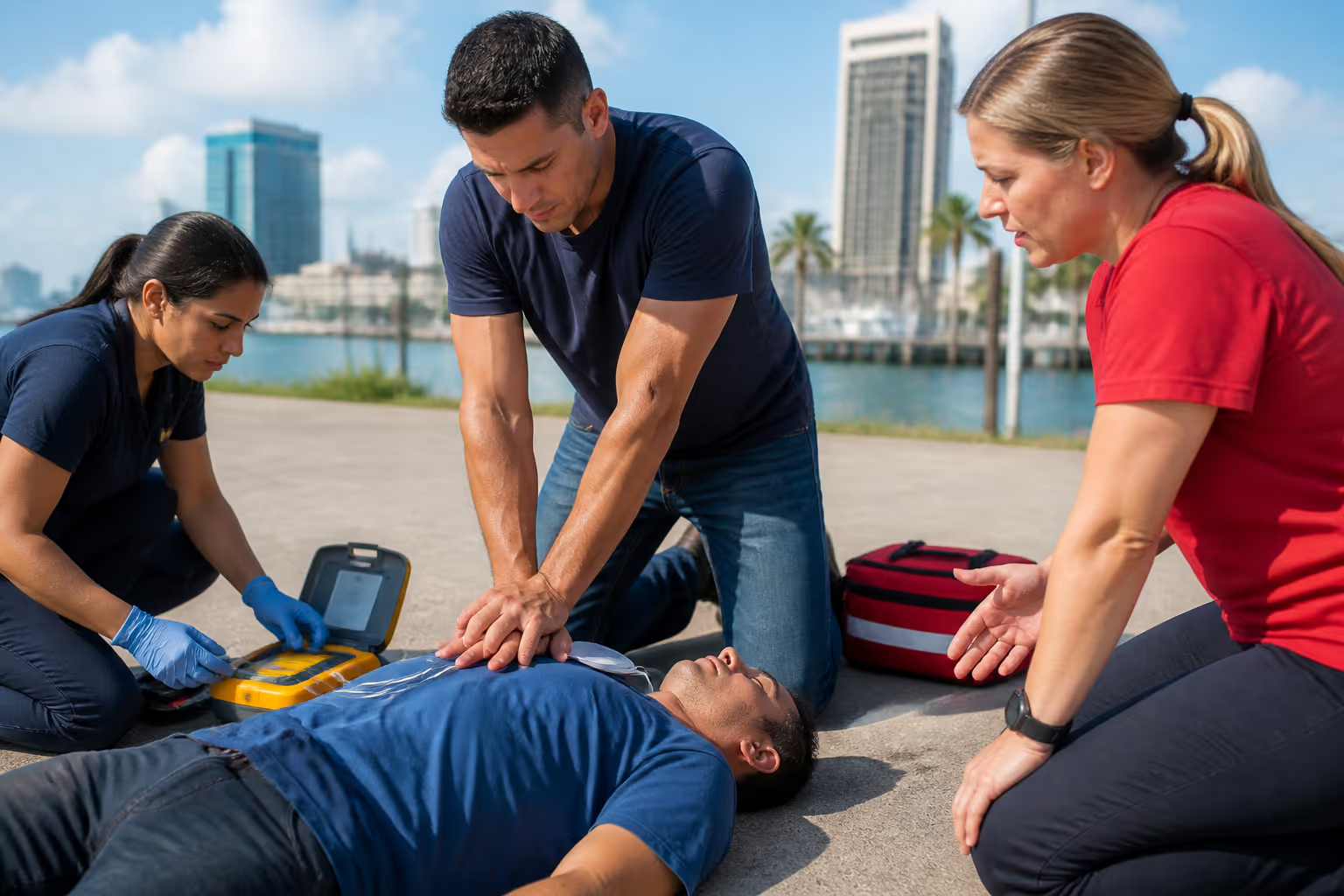
The main lesson is not that one person has to know everything. It is that someone needs to recognize the emergency, someone needs to retrieve the AED, someone needs to begin CPR if indicated, and someone needs to call 911 right away. The chain of response is often what protects a life while waiting for paramedics.
What This Means for Dallas-Area Schools and Sports Teams
Dallas-area athletic fields, gyms, and school campuses host busy practices and competitions every day. That makes preparedness essential. Coaches, trainers, teachers, and volunteers should know where the nearest AED is located, how to use it, and how to respond if a player or spectator collapses.
For student-athletes, the risk is not limited to obvious injuries. Sudden cardiac events can affect people who otherwise seem healthy. Clear emergency response protocols help teams react without delay and reduce confusion in the first critical moments.
Who Should Get CPR and AED Training
This story is relevant for anyone responsible for people in active settings, including:
- School athletic trainers
- Coaches and assistant coaches
- Teachers and campus staff
- Parents and volunteer chaperones
- Fitness instructors and youth sports organizers
- Healthcare professionals who support community readiness
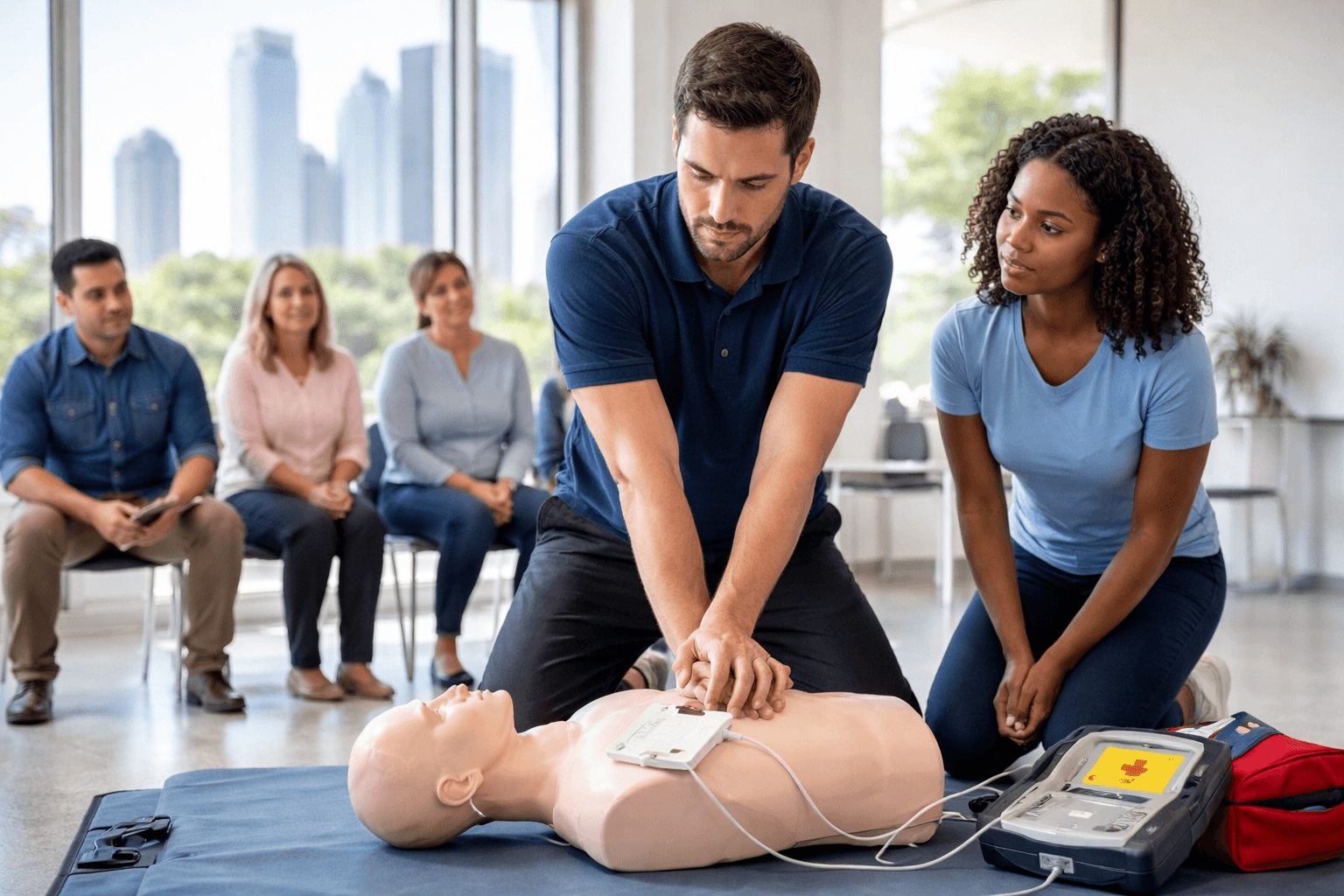
Training gives people confidence to act. It also helps them stay calm, follow AED prompts, and continue CPR until emergency responders arrive.
Benefits of Choosing CPR Certification Labs
CPR Certification Labs helps Dallas-area learners build practical skills for real emergencies. Our courses focus on clear instruction, hands-on practice, and workplace-ready knowledge for CPR, AED use, and first aid response.
If you want local training for your team, school, or clinic, visit our Dallas - Oak Cliff office for location details and class information. We provide a convenient option for people who want straightforward training in a professional setting.
Nearby Dallas Context and Community Preparedness
In a city as active as Dallas, emergency readiness matters in schools, sports programs, churches, recreation centers, and medical offices. A nearby AED should be easy to find, and staff should know how to bring it to the scene fast.
That preparation does not replace professional care, but it helps bridge the gap between collapse and EMS arrival. Whether the setting is a soccer field, a gym, or a classroom, a practiced response can save time when time is the most important factor.
Practical Emergency Response Takeaways
- Recognize unresponsiveness or abnormal breathing quickly.
- Call 911 immediately and send someone to get the AED.
- Start CPR if the person is not breathing normally and you are trained to do so.
- Follow the AED’s voice prompts exactly as instructed.
- Continue until emergency responders take over.
This article is for general educational purposes only and is not a substitute for professional medical advice, diagnosis, treatment, or certified CPR training. In an emergency, call 911 immediately.
Why Training Still Matters After a Successful Rescue
Stories like this are encouraging because they show what works: awareness, fast action, and access to an AED. But they also show why training should be routine, not optional. The more people who can respond with CPR and AED knowledge, the more likely a school or sports venue is to manage a crisis effectively.
For Dallas families and professionals, the takeaway is simple. Learn the steps, know the location of the AED, and be ready to respond. In an emergency, preparation can be the difference between panic and action.
FAQ
When should you use an AED?
Use an AED as soon as it is available for a person who is unresponsive and not breathing normally. The device provides prompts and should be used with CPR and emergency response protocols.
Do you still need to call 911 if an AED is available?
Yes. Always call 911 right away. An AED is a critical tool, but professional emergency responders are still needed.
Who should learn CPR and AED use?
Coaches, teachers, parents, office staff, healthcare professionals, and anyone who may need to respond to a collapse should consider CPR and AED training.
About our Dallas - Oak Cliff office
- Address: 5787 S Hampton Rd, Suite 430
- Phone: (972) 362-5542
- Email: dallas@cprcertificationlabs.com
- Hours:
7am - 8pm / 7 Days a Week!