Texas school CPR training and the new cardiac emergency requirement
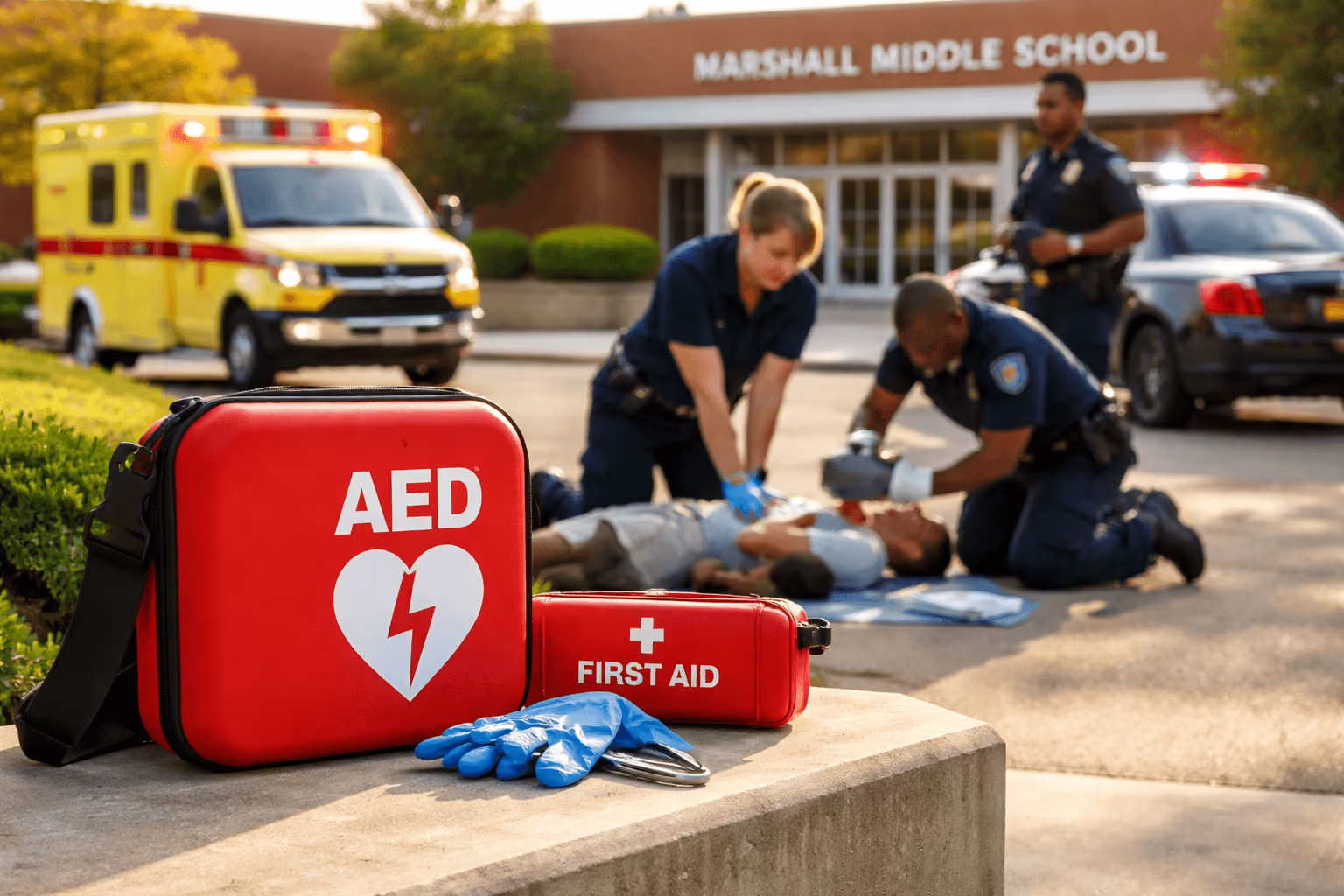
Texas school CPR training is becoming a priority for campuses that need to respond to the 2025 cardiac emergency response plan requirement. For Austin schools and districts across the state, the new law is more than a policy update. It raises important questions about funding, training, AED access, and how staff can be ready to act in a real emergency.
The basic idea behind the requirement is simple: when someone on campus has a sudden cardiac emergency, the school should have a clear plan and people who know how to carry it out. That means more than writing procedures down. It means making sure staff understand their roles, AEDs are available, and the campus can respond quickly.
Why the funding gap matters for Texas schools
Many schools are now trying to turn a required plan into a working response system. That often involves costs for CPR instruction, AED training for schools, device placement, replacement pads and batteries, staff practice sessions, and coordination time for administrators.
Even when school leaders support the goal, budgets can be tight. That is why the funding gap is such a major issue. A plan on paper does not help much if staff have not been trained or if AEDs are not easy to reach when every second matters.
For Austin-area campuses, the challenge is especially practical. Schools manage busy schedules, athletic programs, after-school activities, visitor traffic, and multi-building layouts. All of that makes school emergency preparedness a real operational issue, not just a compliance task.
What cardiac emergency response plans are meant to do
Cardiac emergency response plans are designed to help schools respond in a consistent, organized way during a sudden cardiac event. They should be built around clear communication, defined roles, and quick access to lifesaving equipment.
A strong plan usually includes:
- Clear steps for notifying staff and calling emergency services
- Assigned roles for retrieving and using an AED
- CPR and AED awareness for the people most likely to respond first
- Regular review of equipment locations and campus coverage
- Practice so staff know what to do under pressure
This kind of preparation helps make the plan usable in an actual emergency. Without training and practice, even a well-written plan may be hard to carry out smoothly.
How Texas school CPR training supports safer campuses
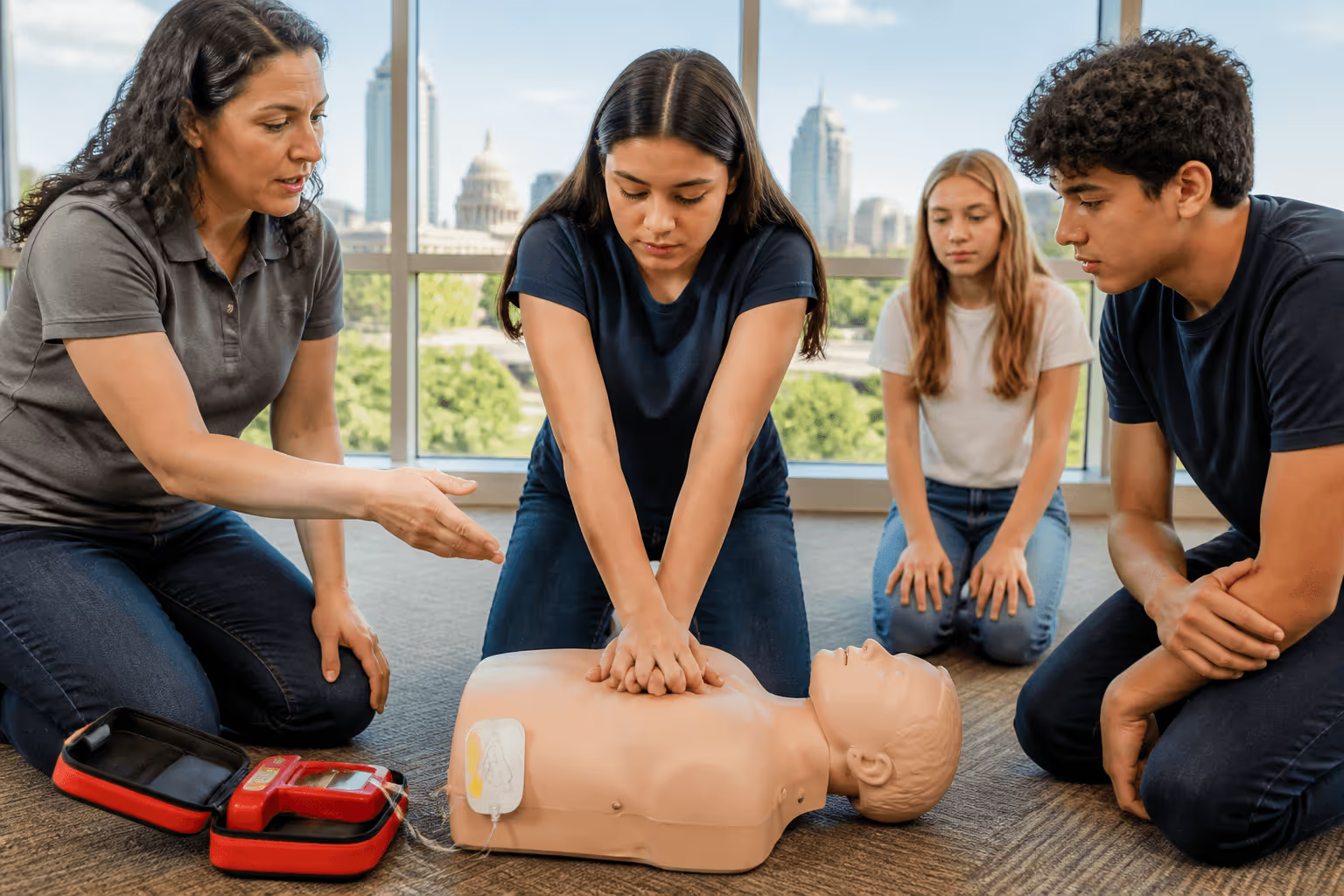
Texas school CPR training gives school staff the confidence to respond before professional responders arrive. It also supports a broader culture of readiness that benefits students, staff, visitors, and families.
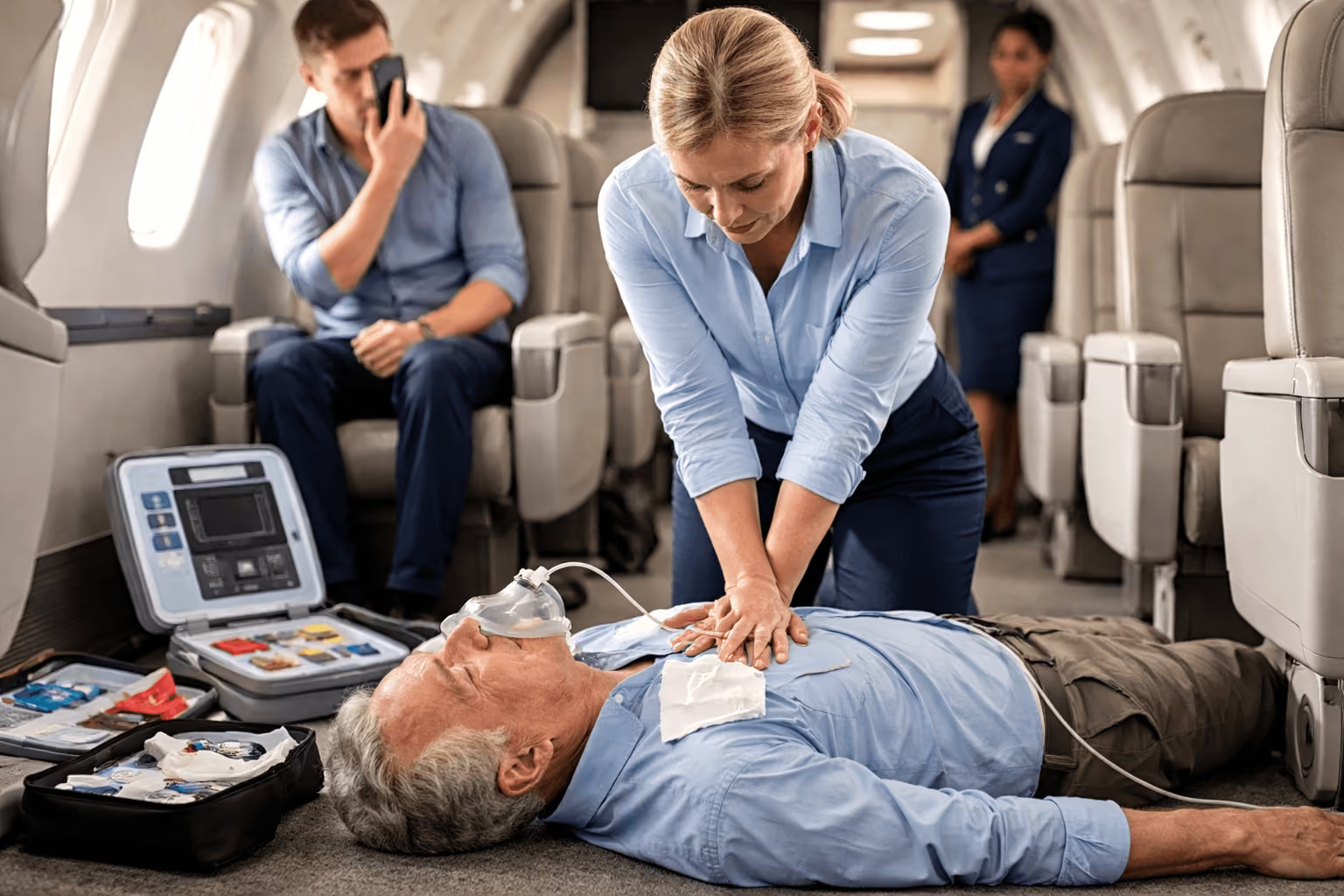
Hands-Only CPR is especially important in school settings because it is direct and practical for many sudden collapse situations. When combined with fast AED use, it can help bridge the critical time before EMS arrives.
Training also helps staff understand where AEDs are located, who should bring them, and how to fit the response into the school’s emergency plan. That connection between training and equipment is what makes school safety planning more effective.
Who should be included in school CPR and AED readiness
CPR and AED preparation should not be limited to one office or department. Schools are safer when multiple staff members know how to respond.
- Administrators who oversee policy and compliance
- Teachers and aides who supervise classrooms and hallways
- Coaches and athletic staff who manage practices and games
- Front office staff and campus security personnel
- After-school program staff and volunteers
- School nurses and health coordinators
These groups often become the first adults on scene. If they have CPR and AED training, they are better prepared to support the school’s cardiac emergency response plans and act as a coordinated team.
The role of Texas schools AEDs in emergency response
Texas schools AEDs are a key part of response planning, but the devices only help if staff can access them quickly and use them correctly. That is why placement, labeling, maintenance, and staff familiarity all matter.
AEDs should be integrated into the school’s emergency plan, not treated as stand-alone equipment. Staff should know where devices are located, how to retrieve them from different areas of campus, and how they fit into the broader response process.
When a school combines AED access with CPR training, it improves CPR and AED awareness across the campus. That awareness can make a meaningful difference when an emergency happens in a classroom, gym, auditorium, cafeteria, or outdoor activity area.
Local context for Austin and surrounding Texas communities
In Austin, school leaders are looking for practical ways to meet new safety requirements while working within real-world budget limits. The same is true in nearby communities where campuses may vary in size, staffing, and building layout.
That local context matters because no two schools are identical. A school emergency preparedness plan should reflect the way a campus actually functions, including hallways, athletic spaces, entry points, and how quickly staff can reach an AED from different parts of the property.
For schools serving busy neighborhoods and active student populations, preparedness is not only about compliance. It is about making sure staff can respond quickly and calmly if a cardiac emergency occurs during the school day or at a school event.
Why CPR Certification Labs is a practical choice for schools
CPR Certification Labs helps Texas schools and education teams build readiness with clear, professional CPR and AED instruction. Our training is designed to support real school environments, including the roles staff may need to fill during an emergency.
We focus on straightforward instruction that helps teams understand the basics, build confidence, and align training with their cardiac emergency response plans. For schools working to address the funding and implementation gap, that kind of support can help move a plan from written policy to practical preparation.
Benefits of choosing CPR Certification Labs include:
- Clear training that is easy for school teams to follow
- Support for faculty, staff, coaches, and volunteers
- Instruction connected to CPR and AED awareness in school settings
- Practical guidance for Hands-Only CPR and emergency response readiness
- Local service for Austin and nearby Texas communities
Nearby reference point for local training
Schools in Austin often prefer training options that are accessible for staff and easy to coordinate with busy calendars. CPR Certification Labs serves the area from our Round Rock - Pflugerville location, making it a practical option for school teams that need to train multiple staff members and stay focused on readiness.
To learn more about training options for school staff and emergency preparedness, visit our Austin South office page.
Moving from compliance to preparedness
The 2025 law gives Texas schools a clear reason to act, but the real work is in implementation. That means deciding how to fund training, how to place and maintain AEDs, how to assign roles, and how to make sure staff can respond with confidence.
Texas school CPR training is one of the most practical ways to strengthen that response. When schools pair training with AED access and a well-built emergency plan, they are better prepared to handle a sudden cardiac emergency.
If your school is updating its plan or building a readiness program from the ground up, now is a good time to make CPR and AED training part of the solution.
FAQ
Why do Texas schools need cardiac emergency response plans?
Texas public schools are required to have cardiac emergency response plans under the 2025 law. These plans help schools respond quickly and consistently during sudden cardiac emergencies.
What should school CPR training include?
School CPR training should cover recognition of an emergency, Hands-Only CPR, AED use, and how the response fits into the school’s overall emergency plan.
Who benefits from AED training for schools?
Administrators, teachers, coaches, office staff, campus security, after-school staff, and volunteers can all benefit from AED training because they may be among the first adults to respond.
How does school emergency preparedness help with compliance?
School emergency preparedness helps turn a written requirement into a functioning response system by combining training, equipment access, and staff coordination.
Why is CPR and AED awareness important in schools?
CPR and AED awareness helps staff know where equipment is located, how to respond quickly, and how to support a safer campus environment.
About our Round Rock - Pflugerville office
- Address: 821 Grand Ave Pkwy, Suite 401E
- Phone: (737) 259-5405
- Email: pflugerville@cprcertificationlabs.com
- Hours:
6am - 12am - 7 Days a Week!