Sudden Cardiac Arrest Fort Worth and the Film Conversation
Sudden cardiac arrest Fort Worth is a topic that matters in schools, sports programs, and any place where people gather for activity. A Fort Worth film centered on a football practice collapse brings that concern into focus and gives local readers a practical reminder: preparation matters before an emergency begins.
The most useful takeaway is simple. When someone collapses, the people nearby need to know who calls 911, who gets the AED, and who starts CPR if needed. That kind of readiness is not dramatic; it is organized, repeatable, and worth reviewing ahead of time.
What the Film Highlights
The story follows a high school sports setting where an athlete suddenly collapses during practice. The moment is fictional, but the lesson is real. In a fast-moving emergency, hesitation can slow the response, while a clear plan can keep people moving in the right order.
That is why schools and athletic programs should treat emergency response as a routine part of operations. Coaches, teachers, athletic trainers, and volunteers all benefit from knowing where equipment is stored and what each person is expected to do.
Sudden Cardiac Arrest Fort Worth in School and Sports Settings
In Fort Worth, school campuses and youth sports fields are busy places. Sudden cardiac arrest Fort Worth deserves attention because these settings often depend on fast action from the people already on site. The closest help may still be a few minutes away, so the first response matters.
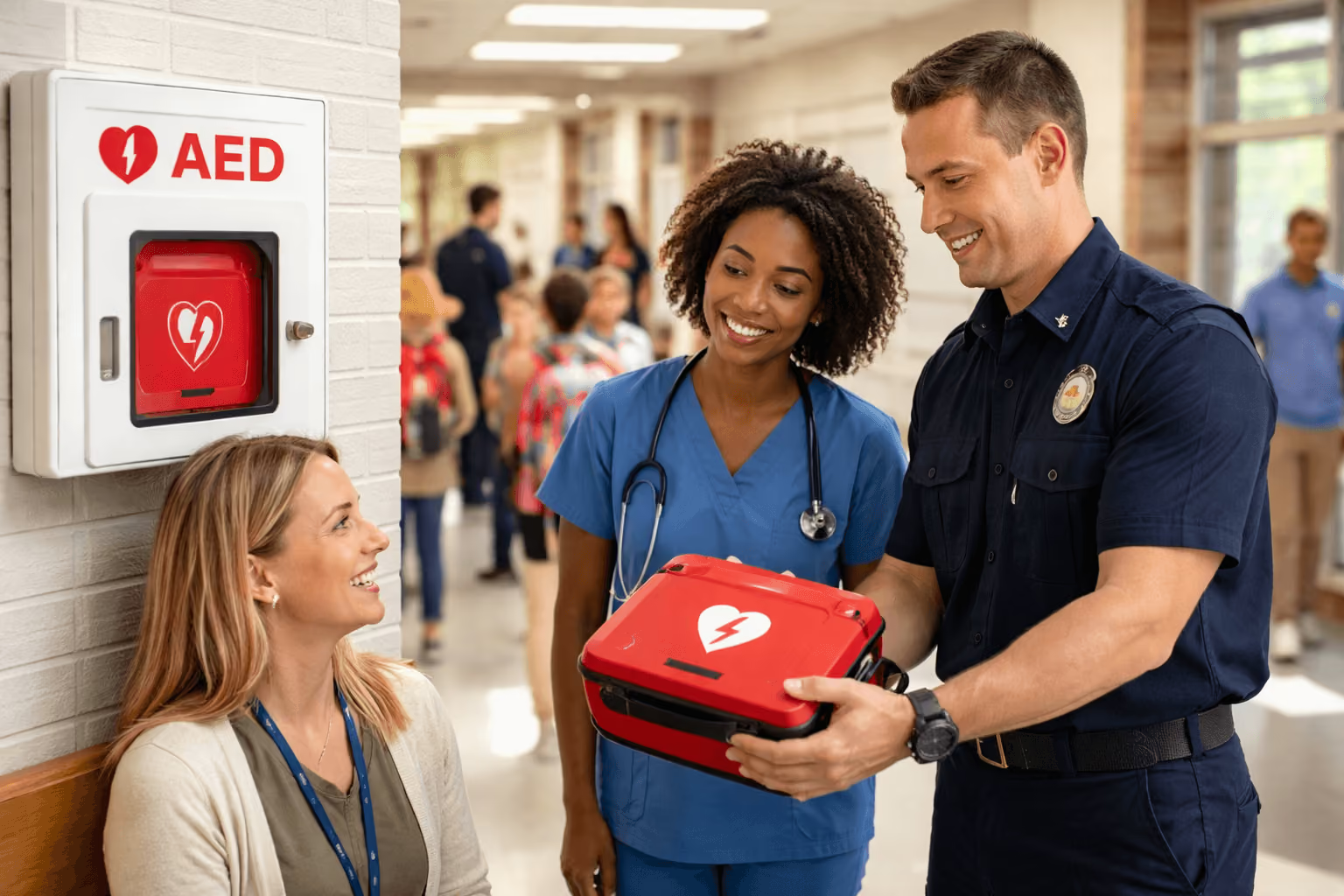
AED readiness should be visible, not hidden. Schools and sports programs should know where the device is located, who is allowed to retrieve it, and which adults have current CPR training. Clear assignment of roles helps the team respond without confusion.
Quick checklist for schools and sports programs
- Confirm the AED location and make it easy to reach.
- Identify staff who are trained in CPR and AED use.
- Assign one person to call 911 right away.
- Assign another person to bring the AED without delay.
- Review emergency procedures regularly and during drills.
- Make sure coaches and event staff know the plan before practices and games.
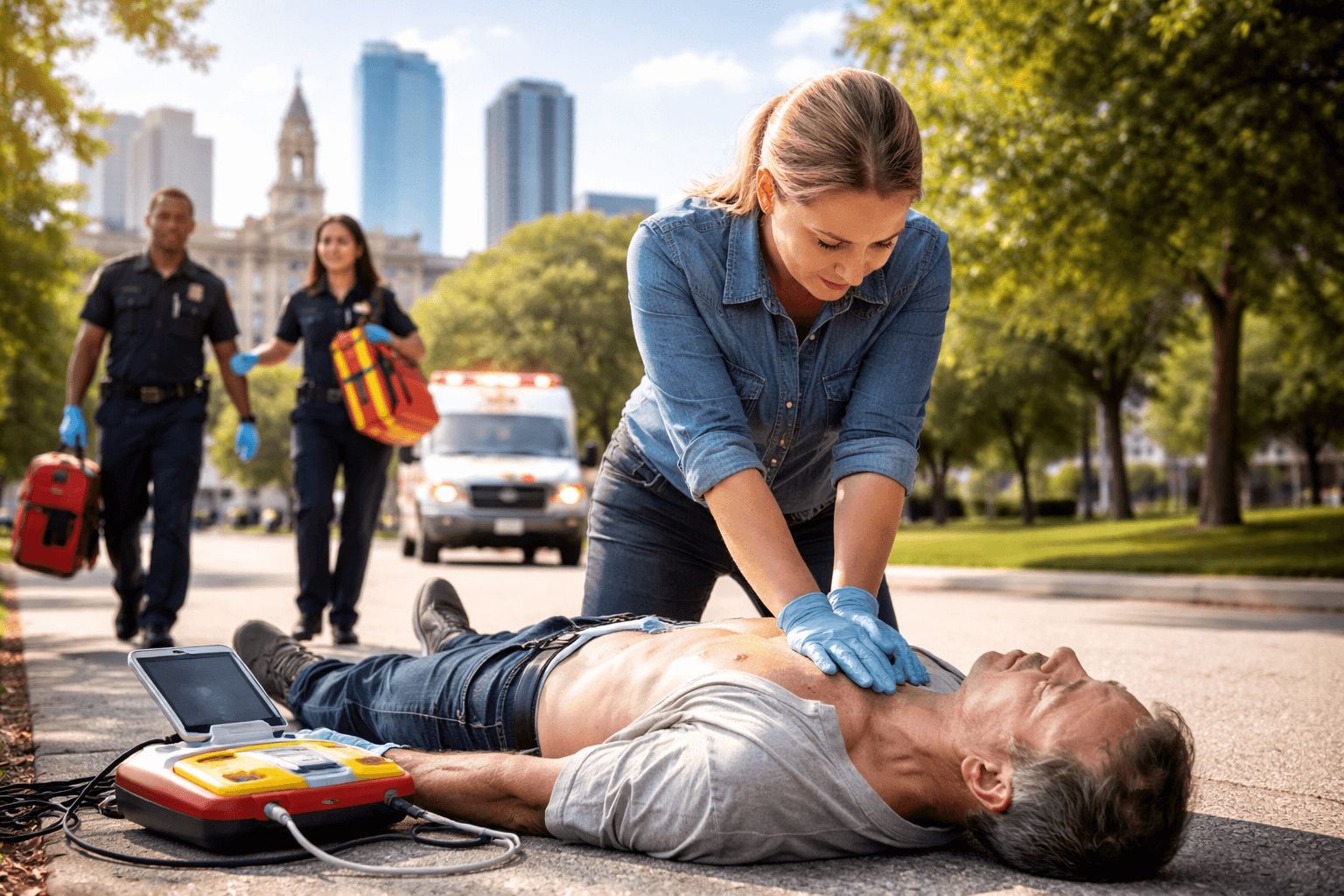
A practical example helps. If a player collapses at practice, one adult should call 911, another should retrieve the AED, and a trained responder should begin CPR while others clear space and guide emergency personnel to the scene. That simple division of labor can reduce delays.
CPR, AED, and First Aid Training Options
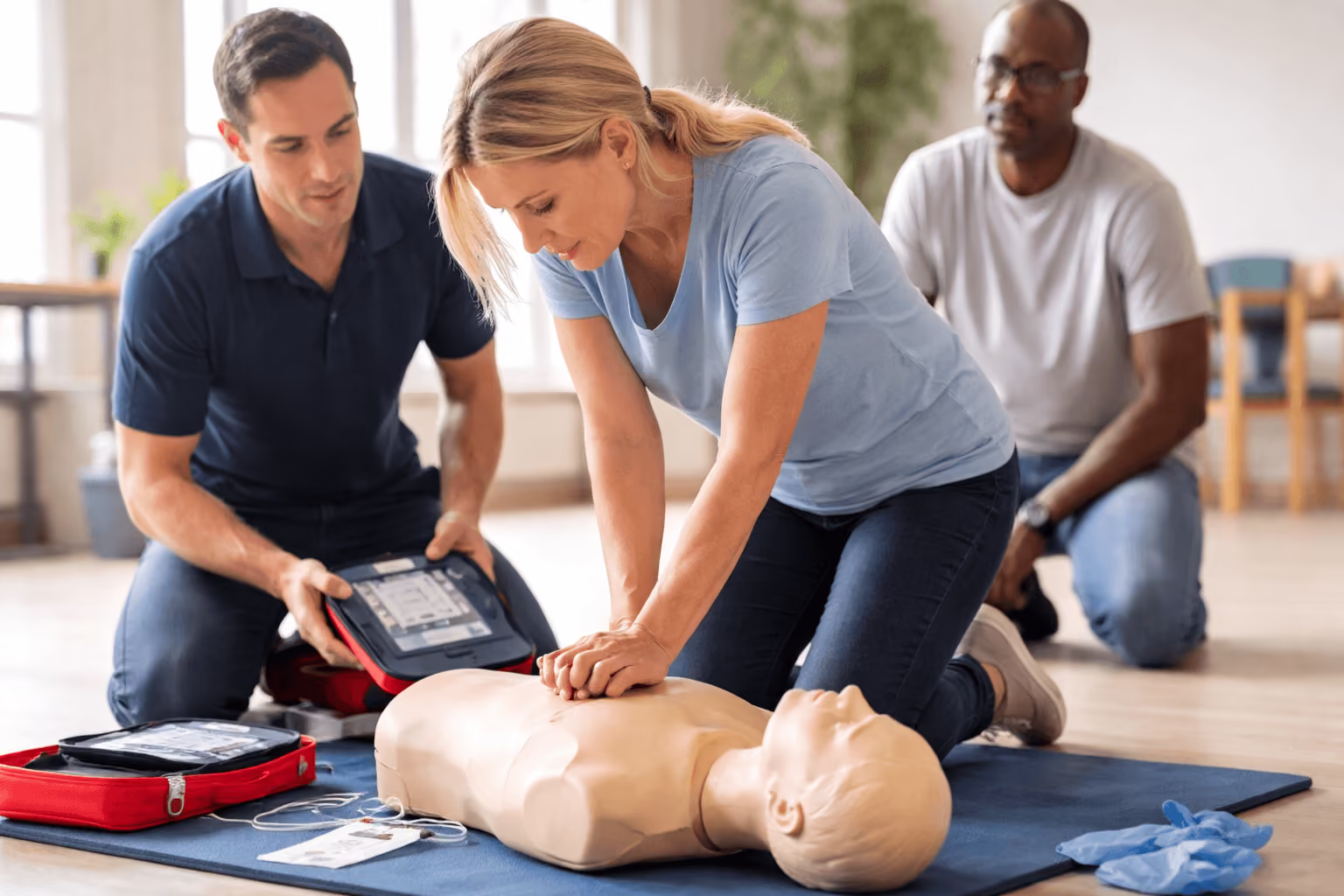
For healthcare workers, school employees, coaches, and workplace teams, CPR, AED, and first aid training can turn a stressful moment into a more organized response. CPR Certification Labs uses a straightforward three-step format: schedule online, complete the online course portion, and attend the in-person skills session at the office.
This approach is practical for people who need a flexible path to hands-on training. It also helps participants review emergency response in a structured setting before they face a real incident.
If you want to compare course options or refresh your plan for a group, you can review the Fort Worth office page alongside related course information for CPR and BLS. For broader training details, see CPR training and BLS certification. If your team is focused on device readiness, also review AED training.
Who This Is For
This article is for school administrators, athletic directors, coaches, nurses, teachers, facility managers, healthcare professionals, and anyone responsible for a group setting. It also applies to parents and volunteers who want to better understand how emergency response works in a school or sports environment.
In those settings, the goal is not to guess what to do after a collapse. The goal is to have a plan that is already known, practiced, and easy to follow. That includes knowing the AED location, calling 911 quickly, and making sure trained help is close by.
Why Local Training Matters
Local training is useful because it fits the real schedule and geography of Fort Worth. The Fort Worth office at 6940 River Park Circle serves people who want an in-person skills session without a complicated commute. Hours are Monday through Sunday, 7am to 8pm, which gives more flexibility for busy work and family schedules.
People often look for training after a policy review, a new job requirement, or a reminder from a community story like this one. Whatever the reason, it helps to choose a location that is easy to access and simple to plan around.
Nearby schools, sports complexes, clinics, and offices all benefit when more staff members know the basics of CPR and AED response. That is especially true when event staff turn over often or when multiple adults share responsibility for supervision.
Emergency Response Plan Basics
A simple emergency plan should answer four questions: who calls 911, who retrieves the AED, who starts CPR, and who meets emergency responders at the entrance. Those roles should be written down, reviewed, and practiced so the response is not improvised.
One helpful habit is to practice the plan before the event starts. For example, a coach can point out the AED location before practice, remind staff who will call 911, and confirm who will guide responders to the field. That kind of brief review can save time when it matters.
For current best-practice background, readers can also review the American Heart Association and the American Red Cross for public guidance on CPR and AED readiness.
This article is for general educational purposes only and is not a substitute for professional medical advice, diagnosis, treatment, or certified CPR training. In an emergency, call 911 immediately.
Fort Worth Training Next Steps
Fort Worth residents who support schools, sports programs, or workplaces can use this moment to review their readiness and schedule training if needed. A prepared team is more likely to act with confidence when someone collapses and every second counts.
To learn more about the local office and plan a skills session, visit the Fort Worth office page.
FAQ
Why does this film matter for Fort Worth readers?
It highlights how quickly a collapse can happen in a school sports setting and why AED readiness and CPR training matter.
What should schools review first?
The AED location, the staff assigned to call 911, and the adults who are trained to respond should be reviewed first.
Who should get CPR training?
Coaches, teachers, nurses, administrators, workplace safety leads, and anyone responsible for group supervision should consider training.
About our Fort Worth office
- Address: 6940 River Park Circle
- Phone: (817) 420-7629
- Email: fortworth@cprcertificationlabs.com
- Hours:
Monday – Sunday: 7am - 8pm