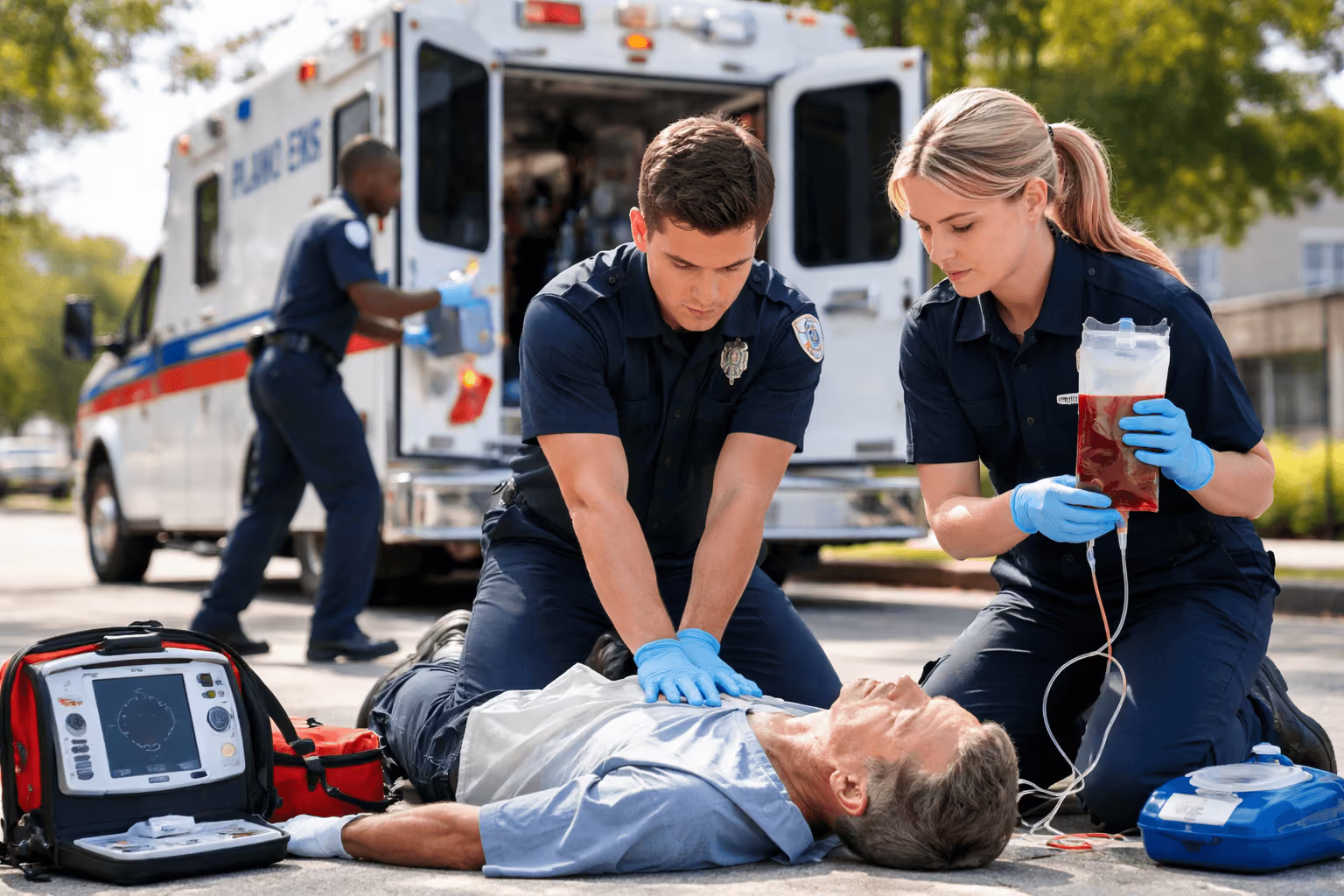
Plano EMS Whole Blood Program and Local Emergency Readiness
The Plano EMS whole blood program is a reminder that emergency response keeps evolving to support patients before they reach the hospital. For healthcare workers, first responders, and community members in Plano and nearby McKinney, that kind of preparation reinforces a simple point: when seconds matter, training matters too.
This update is not just about one new service. It also highlights how CPR, AED use, and first aid skills fit into a broader chain of care that begins at the scene and continues through transport and hospital treatment.
What the Plano EMS Whole Blood Program Means
In pre-hospital settings, teams look for ways to improve response during serious emergencies. A whole blood program is one example of how EMS agencies adapt their protocols and equipment to match the needs of time-sensitive calls. For the public, the main takeaway is that strong systems depend on clear procedures, coordinated crews, and regular training.
When emergency professionals stay current, they are better prepared to work quickly and communicate effectively. That same mindset supports everyday readiness in clinics, offices, schools, fitness centers, and workplaces across North Texas.
Why CPR, AED, and First Aid Training Still Matter
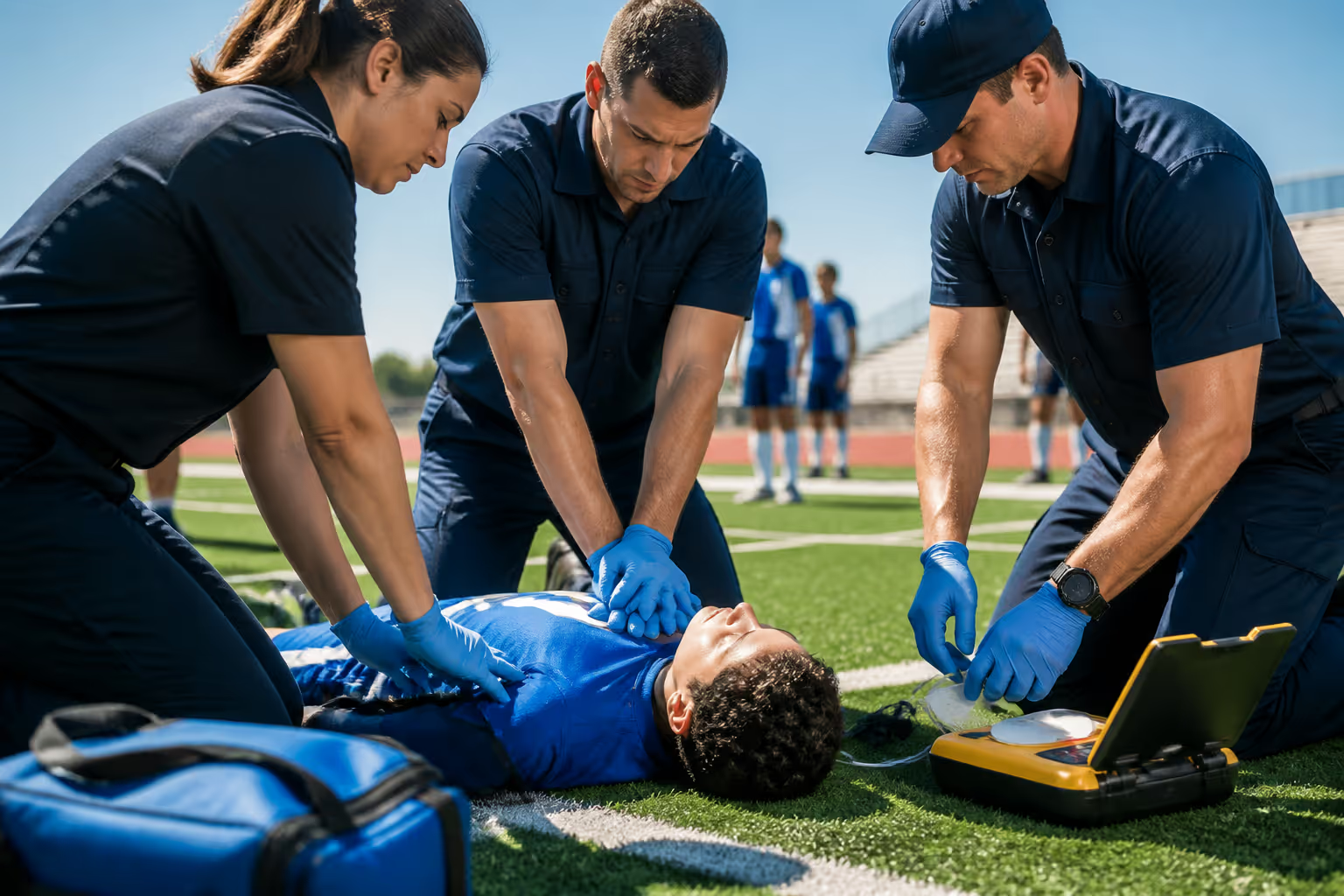
Even with advanced response programs, basic life support skills remain essential. CPR helps maintain circulation during a cardiac emergency, AEDs provide a rapid response for certain rhythm problems, and first aid skills support safe action while help is on the way. These are foundational skills for anyone who works near patients, students, athletes, or the public.
That is why many professionals choose training that is simple to schedule, easy to complete, and practical for real-world settings. The goal is not to replace EMS. The goal is to support the system with people who know how to respond confidently.
Who This Is For in Plano and Nearby Communities
This topic is especially relevant for nurses, medical assistants, dental teams, rehabilitation staff, teachers, coaches, office safety leads, and other workers who may need a current CPR credential. It also matters for employers building safer workplaces and for residents who want to be more prepared for emergencies.
If you live or work near Plano, it can be helpful to choose a training location that is easy to reach from surrounding neighborhoods and major roadways. A convenient office can make renewal and initial certification easier to complete without disrupting a busy schedule.
How CPR Certification Labs Supports Local Training
CPR Certification Labs offers a clear three-step path for learners: schedule online, complete the online course portion, and attend the in-person skills session at the office. That format is designed for busy professionals who need a straightforward process and practical instruction.
At the McKinney - Tucker Hill office, the location at 7200 W University Dr, Suite 218 is accessible for learners coming from Plano and nearby cities. The office hours also support weekday and weekend planning, which can help when arranging renewal around work shifts and family obligations.
For details and scheduling, visit the McKinney - Tucker Hill office page.
Nearby Access and Practical Planning
When selecting CPR training, practical details matter. Learners often look for a location that is easy to find, has flexible hours, and fits into a regular commute. A local training office can make it easier to keep CPR credentials current and stay ready for emergency response roles.
Whether you are renewing for work or preparing for a new position, having a nearby option can reduce delays and make it simpler to follow through on training.
This article is for general educational purposes only and is not a substitute for professional medical advice, diagnosis, treatment, or certified CPR training. In an emergency, call 911 immediately.
FAQ
Why does the Plano EMS whole blood program matter to CPR students?
It shows how emergency response continues to improve, which reinforces the value of basic CPR, AED, and first aid skills in the early minutes of an emergency.
Do healthcare workers still need CPR training if EMS systems are advanced?
Yes. CPR training remains important because many emergencies begin before EMS arrives, and immediate action can support patient care until professionals take over.
What is the best way to keep CPR certification current near Plano?
Choose a convenient local training office, complete the online portion, and finish the in-person skills session on a schedule that fits your work and personal commitments.