Houston AED Failure and School Emergency Response
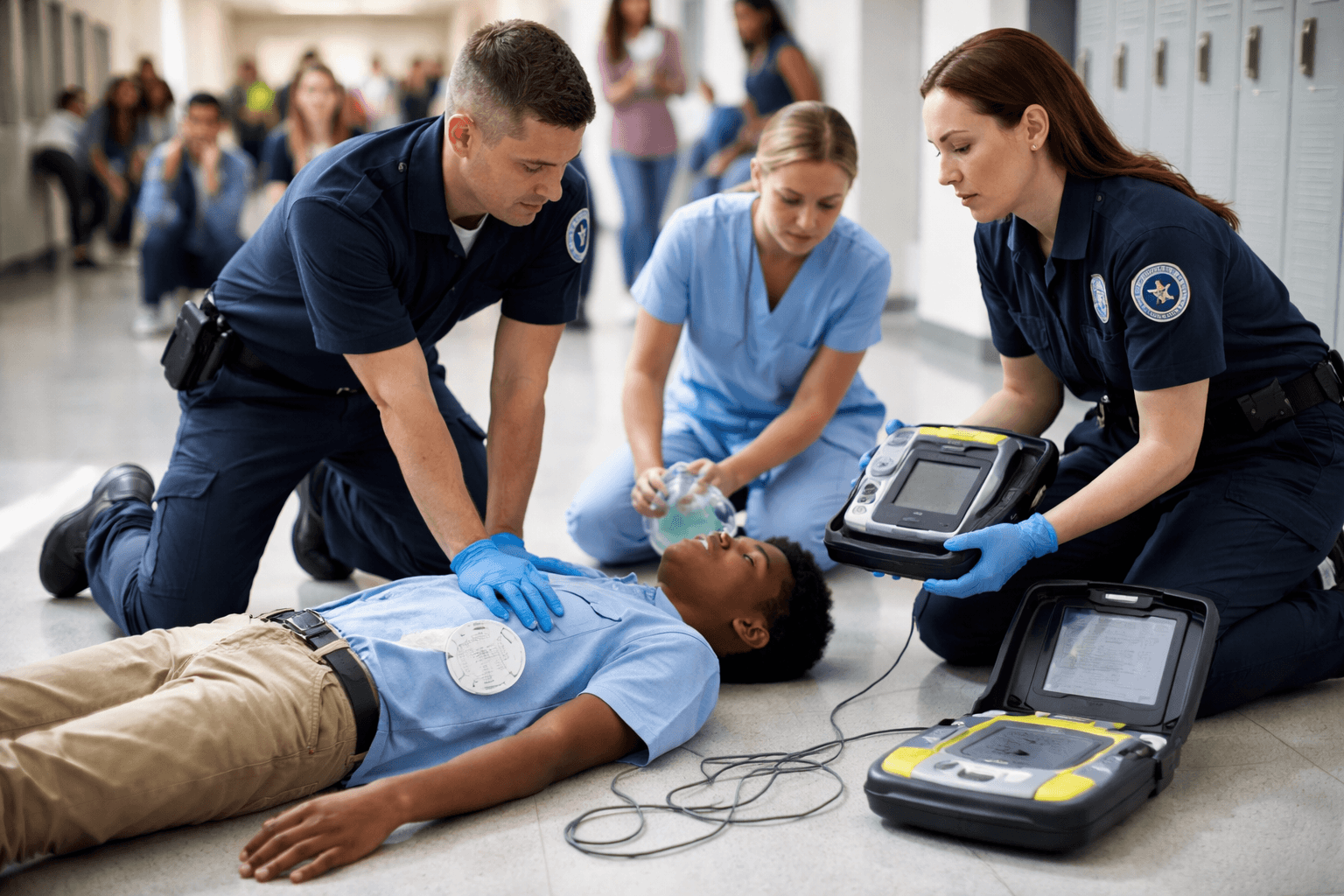
The reported Houston AED failure at Marshall Middle School is a serious reminder that emergency response depends on more than having equipment on site. In a school setting, fast action, clear roles, and reliable CPR and AED access all matter when every second counts.
According to the report, a student experienced a medical emergency during the school day, and questions were later raised about whether the defibrillator on campus was working properly. When equipment is not ready, staff may lose valuable time while waiting for EMS and looking for another device.
This article is for general educational purposes only and is not a substitute for professional medical advice, diagnosis, treatment, or certified CPR training. In an emergency, call 911 immediately.
What Schools Can Learn From Houston AED Failure
Schools, gyms, and campus activity areas need a simple emergency plan that people can follow under stress. That includes knowing where the AED is kept, who can get it quickly, and how staff will respond while awaiting emergency responders.
For Houston-area educators, a strong emergency response plan should be practical and easy to repeat. The goal is not panic. The goal is readiness.
- Know the location of the AED and first aid supplies.
- Make sure staff can identify the nearest phone and the campus access route for EMS.
- Review CPR and AED roles before an emergency happens.
- Keep contact steps simple so staff can call 911 without delay.
CPR, AED, and First Aid Training for Houston Teams
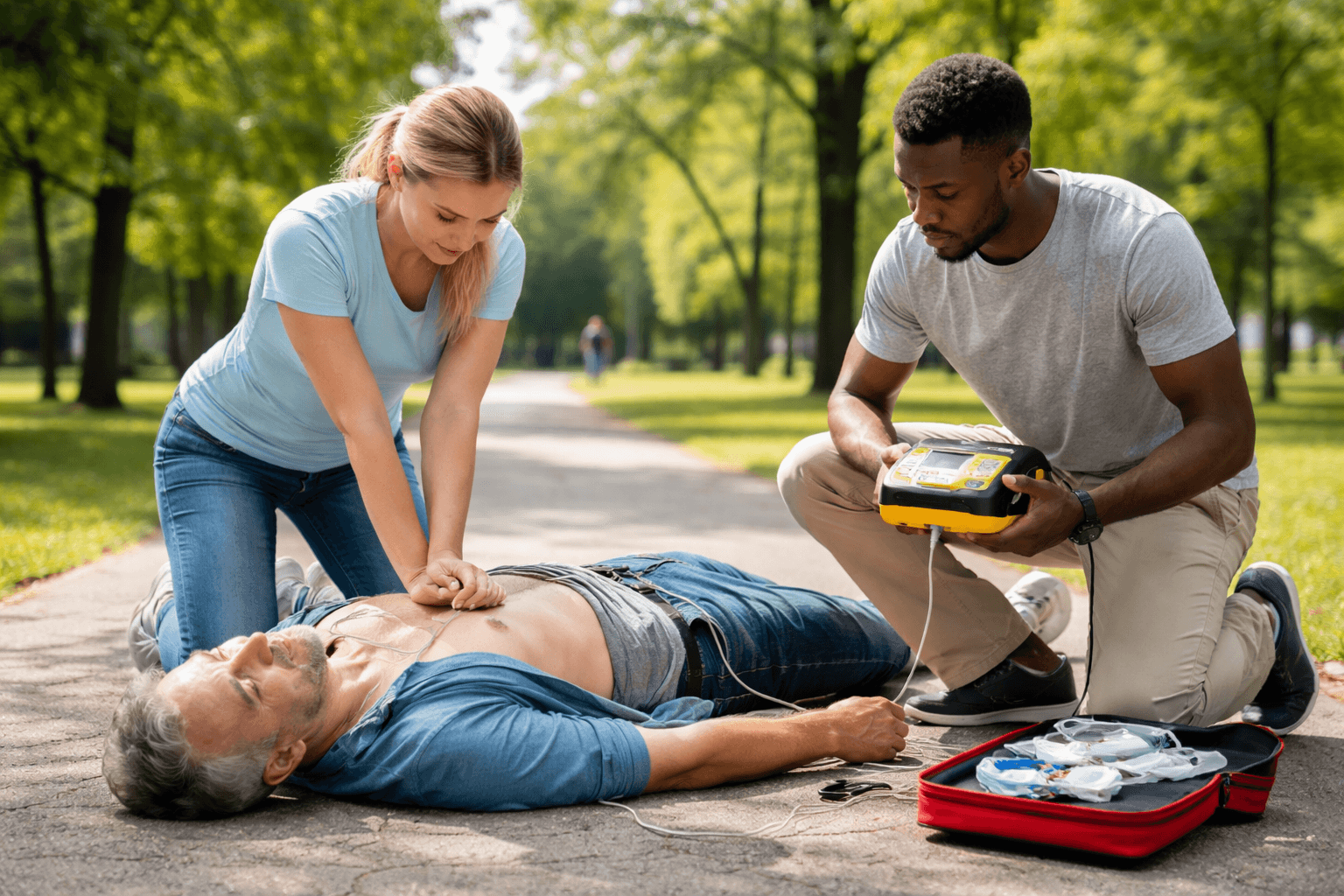
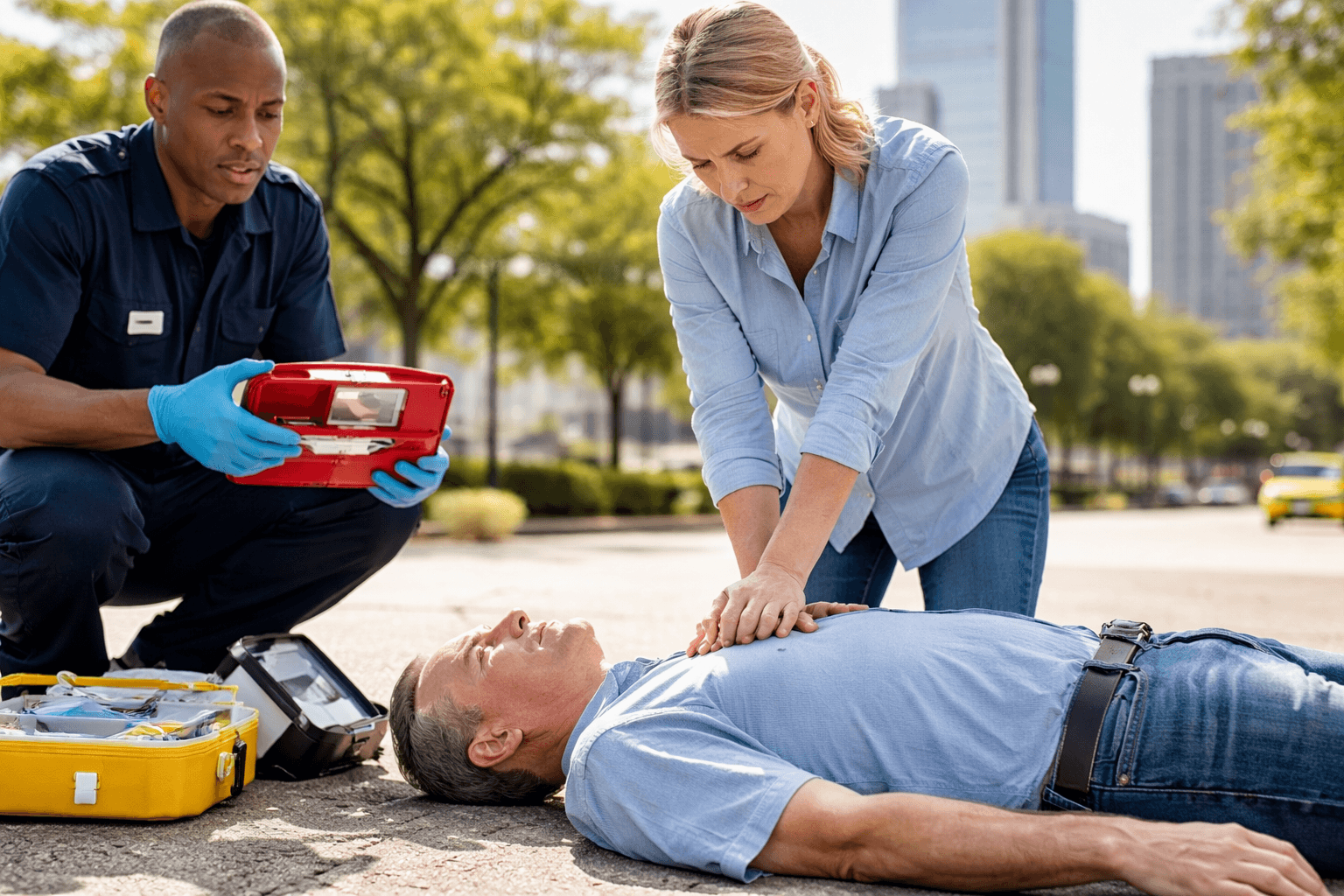
CPR and AED training helps school employees, coaches, office teams, and other public-facing staff understand how to support emergency response until professional help arrives. It also helps reduce confusion when an AED is needed quickly.
At CPR Certification Labs, the training process is designed to be straightforward:
- Schedule online.
- Complete the online course portion.
- Attend the in-person skills session at the office.
This format works well for busy professionals who need a clear path to CPR certification or renewal without unnecessary steps.
Who This Matters For in Houston
This topic is especially relevant for teachers, school administrators, athletic staff, daycare employees, coaches, healthcare workers, and community volunteers. Anyone who may be first on scene should understand how CPR and AED readiness fit into emergency response.
It also matters for supervisors responsible for equipment checks and training coordination. A device that is present but not ready does not support a strong safety plan.
Why CPR Certification Labs Helps
CPR Certification Labs provides a local option for Houston-area learners who want a simple, professional training experience. Our courses are built for people who need practical instruction and a clear in-person skills session.
For those in the Houston and League City area, our Houston Clear Lake office offers a convenient location for CPR, BLS, and AED-related training needs. The office is located at 100 Perkins Ave, Suite E in League City, TX, and the hours are Monday through Sunday, 6am - 12am. Parking and access are straightforward for local attendees, which helps make scheduling easier for busy teams.
You can learn more or book a session through the Houston Clear Lake office page.
Nearby Houston Area Reference Points
People coming from Houston, League City, and surrounding areas often look for training that fits their workday and commute. The Houston Clear Lake office is a practical option for those who need CPR and AED training close to home or work without added complexity.
Whether you are renewing certification or preparing for a new role, it helps to choose a location that supports reliable scheduling and local convenience.
FAQ
Why does AED readiness matter in a school?
An AED is part of emergency response planning, especially when staff need to support a person until EMS arrives. Readiness depends on both access and maintenance.
What is the CPR Certification Labs training flow?
It is a three-step process: schedule online, complete the online course portion, and attend the in-person skills session at the office.
Who should get CPR and AED training?
Teachers, coaches, office staff, healthcare workers, and other school or workplace teams can all benefit from CPR and first aid training.